

Sustainable Elegance: High Quality Natural Indigo Dyed Fabric for Modern Textiles
Understanding High Quality Natural Indigo Dyed Fabric: A Global Perspective
If you’ve ever admired the deep, rich blue of a beautifully crafted indigo textile, you’ve already glimpsed the magic of high quality natural indigo dyed fabric. While it might sound niche, this fabric holds immense significance worldwide—not just for fashion or culture, but from environmental, social, and economic standpoints. Globally, with sustainability gaining traction, understanding this fabric’s benefits and applications is becoming less of a curiosity and more of a necessity.
Why does it matter? Well, as the global textile industry clocks a whopping $1.7 trillion (World Bank, 2022), the environmental toll is already substantial. Synthetic dyes, for instance, contribute heavily to water pollution. By contrast, natural indigo offers a chance for sustainable production, coupled with durability and beauty. So grasping its potential can help businesses, consumers, and communities make smarter, greener choices.
Mini takeaway: Natural indigo dyeing is much more than just tradition—it’s a growing sustainable textile trend reshaping industries and eco-conscious buyers alike.
Global Demand & Challenges in Indigo Dyeing
The resurgence of high quality natural indigo dyed fabric is no accident. According to the International Organization for Standardization (ISO), consumer demand for eco-friendly textiles has increased over 40% in the last five years. Such growth pressures the traditional textile supply chain, often reliant on synthetic indigo—faster but environmentally taxing.
But here’s the pesky part: natural indigo dyeing is both an art and science, requiring carefully maintained vats, skillful timing, and top-grade raw indigo. In places like India, Japan, and West Africa, centuries-old methods persist, but scaling these high-quality processes globally faces significant hurdles—from controlling batch color consistency to sourcing sustainable indigo plants.
This gap in supply versus demand highlights why innovations and quality control in natural indigo fabric production are crucial for meeting global market needs sustainably.
What Exactly Is High Quality Natural Indigo Dyed Fabric?
In simple terms: this fabric is cotton, silk, or similar natural fibers dyed with indigo extracted from plants, primarily Indigofera tinctoria. Unlike synthetic variants made from chemical compounds, natural indigo dye comes from harvesting and fermenting leaves, leading to a unique shade and organic appeal.
High quality refers not only to the clarity and depth of color but also the fabric's durability, evenness of dye, and minimal environmental impact throughout production. This ties to modern industry needs where consumers seek garments and products that embody sustainability, longevity, and authentic craftsmanship.
Oddly enough, even humanitarian sectors appreciate these fabrics. For instance, natural indigo can be used in community programs promoting local industry development, supporting artisans, and maintaining cultural heritage while promoting eco-consciousness.
Core Components That Define Quality
1. Durability and Colorfastness
One key aspect of high quality natural indigo dyed fabric is how well it holds its color through washing, wear, and sunlight exposure. Natural indigo’s unique molecular bonding to fibers ensures a slow but firm fade—giving a charming "worn-in" look rather than harsh dullness. This resiliency makes it prized for denim, upholstery, and traditional garments.
2. Sustainable & Eco-Friendly Production
Compared to synthetic dyes laden with heavy metals and chemicals, natural indigo’s water usage and waste profile are far lower—especially if produced with organic farming methods and hand-crafted fermentation. This reduces pollution and supports soil health, impacting entire agricultural communities positively.
3. Scalability and Production Consistency
In real terms, getting the same shade from batch to batch is tough. High quality fabric demands strict control over parameters like pH, vat temperature, and leaf quality. Innovations, like digital monitoring systems, help scale natural indigo production without sacrificing the artisanal touch.
4. Textile Base Quality
The fabric itself (cotton, linen, silk) hugely influences dye uptake and performance. Premium natural fibers bonded with the right indigo dye technique produce a tactile, vibrant final product favored globally.
5. Cultural Authenticity
Finally, genuine natural indigo dyed fabric connects with heritage and local techniques that influence design aesthetics—important for artisans and markets valuing tradition and storytelling.
Mini takeaway: Quality natural indigo fabric isn’t just dye and cloth—it’s a complex blend of chemistry, craftsmanship, environmental respect, and cultural depth.
Worldwide Applications: From Traditional Crafts to Cutting-Edge Uses
You’ll find these fabrics across the fashion capitals of Paris, the artisan markets of Kyoto, and rural villages in Africa alike. But beyond aesthetics, high quality natural indigo dyed fabric plays diverse roles:
- Fashion and Apparel: Sustainable denim, scarves, and shirts.
- Home Textiles: Upholstery, rugs, and curtains boasting durability and character.
- Community Empowerment: NGOs training local indigo dyers to build livelihoods.
- Luxury Product Lines: Designers fusing modern design with natural dyes.
For example, in post-disaster regions, NGOs have supported local production of indigo fabrics to create income streams, reviving both the economy and local cultural pride. Similarly, sustainable brands have launched lines using high quality natural indigo dyed fabric specifically requested by eco-conscious consumers—a testament to growing market shifts.
Advantages & Long-Term Value of Choosing Natural Indigo Fabric
Choosing this fabric brings tangible benefits:
- Environmental impact: Reduced water pollution and carbon output.
- Longevity: Products last longer, meaning less waste over time.
- Social benefits: Supporting rural farmers and preserving artisanal knowledge.
- Emotional connection: People cherish the story behind their indigo garment or piece, elevating user trust and brand loyalty.
Logic aside, there is a sort of warmth you feel wearing or using items colored naturally—not just the fabric’s texture but the story woven into its blue depths.
Product Specification Table
| Specification | Details |
|---|---|
| Fabric Types | Cotton, Silk, Linen |
| Dye Source | Indigofera tinctoria (Natural plant extract) |
| Color Fastness (Washing) | Grade 4–5 (ISO 105-C06) |
| Sustainability Rating | High (Organic farming, low wastewater) |
| Average Dyeing Time | 12–24 hours per batch |
| Batch Size (Typical Scale) | 100–500 kg fabric |
Vendor Comparison Table: Leading Indigo Dyed Fabric Suppliers
| Supplier | Region | Sustainability | Minimum Order | Lead Time |
|---|---|---|---|---|
| IndigoCraft (India) | India | Organic farming, fair trade | 50 kg | 3 weeks |
| BlueHarvest Textiles | West Africa | Sustainable sourcing, community focused | 100 kg | 4 weeks |
| Kyoto Indigo Works | Japan | Traditional artisan methods | 30 kg | 2 weeks |
Looking Ahead: Innovations & Sustainability Trends
Modern technology is slowly blending with tradition here. Scientists and artisans collaborate on bio-fermentation control, improving dye yield and color consistency. There’s also increasing emphasis on integrating renewable energy for indigo processing plants and incorporating waste water treatment per stringent ISO standards.
Digital transformation—like IoT monitoring for vats—is helping scale natural indigo without losing its artisanal soul. Furthermore, policies encouraging sustainable fabrics and reducing “fast fashion” waste are slated to increase demand for high quality natural indigo dyed fabric globally.
Challenges and How Experts Are Tackling Them
Scaling this fabric’s production while maintaining quality is tough. Vats ferment differently with seasonal changes. Leaf harvests vary with climate conditions, affecting dye potency.
Experts suggest solutions like:
- Genetic research into indigofera plant yields
- More robust quality control protocols with sensor tech
- Farmer training programs focused on sustainable cultivation
- Supply chain transparency combined with storytelling to grow market value
In short, it’s about blending science, local wisdom, and business savvy—sort of a perfect triad, really.
FAQ: Answers to Common Questions on High Quality Natural Indigo Dyed Fabric
Q1: How does natural indigo dyeing compare environmentally to synthetic indigo?
Natural indigo dyeing generally uses fewer harmful chemicals and generates less toxic wastewater, benefiting ecosystems. However, it requires more manual labor and strict vat management to maintain quality. Synthetic indigo offers speed but at a higher environmental cost due to chemical runoff and fossil fuel-based production.
Q2: Can natural indigo dyed fabric maintain color through multiple washes?
Yes, high quality natural indigo dyed fabrics have excellent colorfastness. While the color may gently fade over time, this is often considered part of indigo’s aesthetic appeal. Proper care—avoiding harsh detergents and prolonged sunlight—extends fabric life.
Q3: Is natural indigo fabric suitable for mass production in clothing lines?
It can be challenging due to the complexity of the dyeing process and variability in batches. However, technological advances in vat control and quality assurance are enabling manufacturers to incorporate high quality natural indigo fabric in limited edition or premium collections.
Q4: How can a company source reliable high quality natural indigo dyed fabric?
Collaborating with vetted suppliers who prioritize sustainable farming and artisan techniques is key. Visiting production sites or requesting certifications (organic, fair trade) helps ensure you get genuine, eco-friendly fabric like those listed in our vendor comparison above.
Q5: Are there cultural considerations for using indigo dyed fabric in products?
Definitely. Indigo fabric often holds cultural significance, symbolizing history and identity in various communities. Respecting this heritage by supporting local artisans and avoiding cultural appropriation is essential for ethical branding.
Final Thoughts & Next Steps
In the end, high quality natural indigo dyed fabric represents a beautiful convergence of tradition, sustainability, and innovation. Its ability to deliver stunning aesthetics with real environmental and social value makes it a smart choice for forward-thinking brands and conscientious consumers alike.
If you’re curious about incorporating this rich, eco-friendly material into your products or wardrobe, don’t hesitate to explore detailed options and trusted suppliers. For more information, feel free to visit our dedicated resource for high quality natural indigo dyed fabric.
After all, choosing natural indigo fabric is not merely purchasing cloth—it’s becoming part of a timeless story.
-
Mastering the Art of China Japanese Indigo Dyeing Traditions
NewsApr.16,2026
-
Exploring the Elegance of China Deep Indigo Color in Textiles
NewsApr.09,2026
-
Discover High Quality China Jeans Blue Indigo for Global Markets
NewsApr.07,2026
-
Exploring the Rich Tradition of China Natural Indigo Dyed Fabric
NewsApr.04,2026
-
Exploring China Indigo Color in Nature History and Modern Applications
NewsMar.31,2026
-
Discover High Quality China Pure Indigo Powder for Vibrant Natural Dyeing
NewsMar.28,2026
-
Exploring the Rich History of China True Blue Indigo Textiles
NewsMar.26,2026
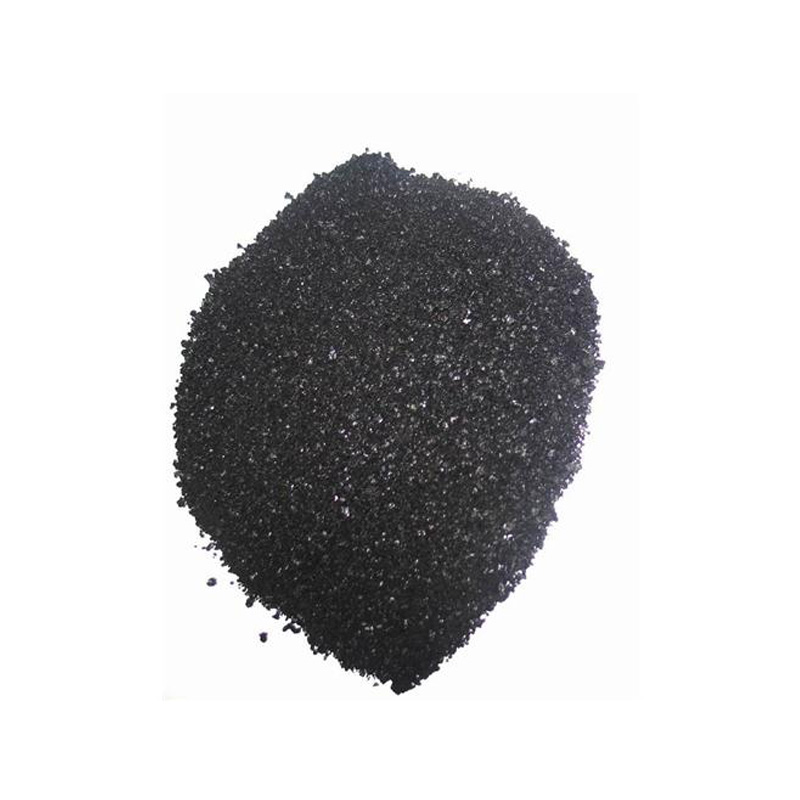
Sulphur Black
1.Name: sulphur black; Sulfur Black; Sulphur Black 1;
2.Structure formula:
3.Molecule formula: C6H4N2O5
4.CAS No.: 1326-82-5
5.HS code: 32041911
6.Product specification:Appearance:black phosphorus flakes; black liquid
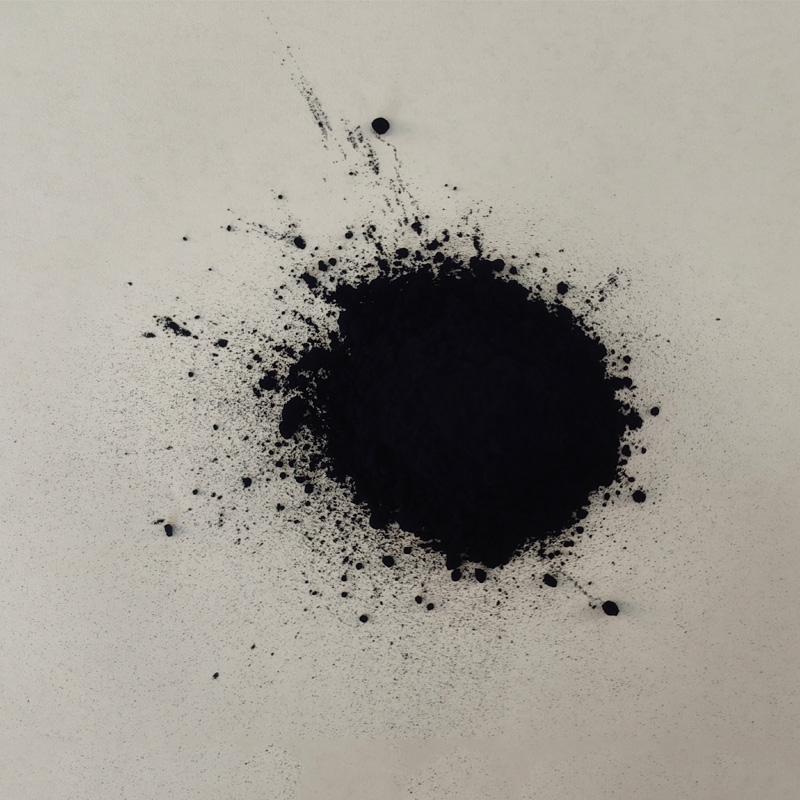
Bromo Indigo; Vat Bromo-Indigo; C.I.Vat Blue 5
1.Name: Bromo indigo; Vat bromo-indigo; C.I.Vat blue 5;
2.Structure formula:
3.Molecule formula: C16H6Br4N2O2
4.CAS No.: 2475-31-2
5.HS code: 3204151000 6.Major usage and instruction: Be mainly used to dye cotton fabrics.
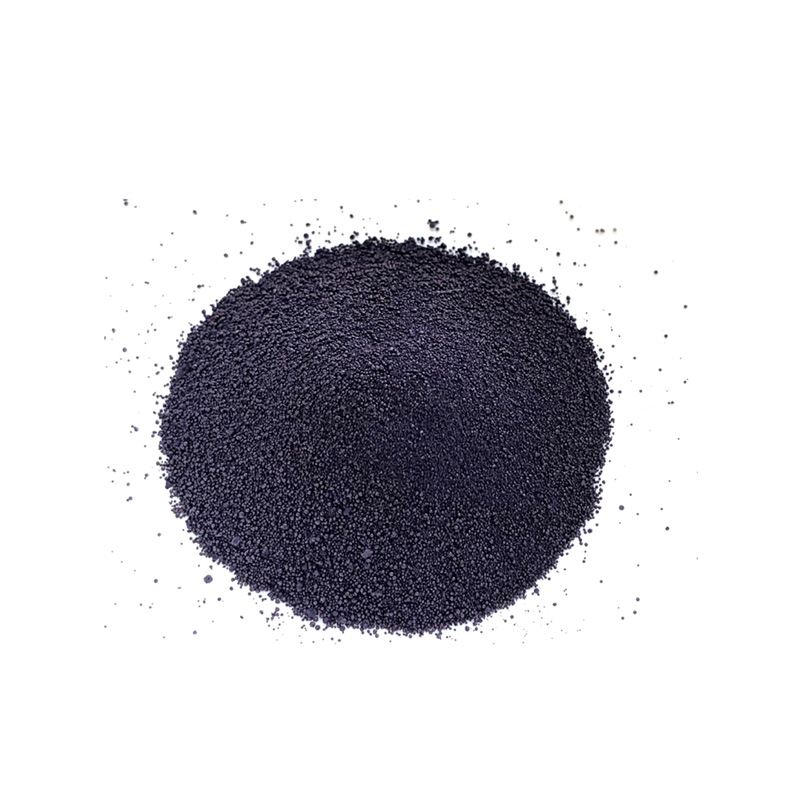
Indigo Blue Vat Blue
1.Name: indigo blue,vat blue 1,
2.Structure formula:
3.Molecule formula: C16H10N2O2
4.. CAS No.: 482-89-3
5.Molecule weight: 262.62
6.HS code: 3204151000
7.Major usage and instruction: Be mainly used to dye cotton fabrics.