

High Quality Indigo Pure: Sustainable Dye Solutions and Global Applications | Wuxin Group
Understanding High Quality Indigo Pure: Why It Matters Globally
When you hear the phrase high quality indigo pure, it might evoke images of deep blue fabrics or natural dyes used in traditional textile crafts. Yet, this term goes beyond simple colorants — it embodies purity, sustainability, and advanced industrial applications with a global footprint. Frankly, in a world increasingly focused on sustainable production and eco-friendly processes, knowing what high quality indigo pure means and how it’s made matters a lot.
On a global scale, the push toward cleaner, more natural materials has made pure indigo a sought-after commodity. The textile industry alone consumes thousands of tons of indigo annually, but not all indigo is created equal. Variations in purity, production methods, and chemical composition affect everything from how fabrics fade to environmental impacts during manufacturing. High quality indigo pure ensures vibrant, lasting color with fewer pollutants — a win-win for manufacturers and consumers alike.
So why is this important? According to data from the United Nations Environment Programme (UNEP), the textile industry is one of the largest polluters worldwide, responsible for roughly 20% of industrial wastewater. Using purer, natural indigo reduces harmful effluents, making it a key ingredient in greener production practices.
Mini takeaway:
- High quality indigo pure is valuable because it combines purity with sustainability, playing a critical role in reducing industrial pollution globally.
What Exactly Is High Quality Indigo Pure?
Simply put, high quality indigo pure refers to indigo dye that boasts a high degree of chemical purity and minimal impurities, often derived through careful fermentation or synthetic processes adhering to stringent standards. Unlike crude or lower-grade indigo, it contains fewer contaminants and by-products, ensuring consistent, vibrant color and safer handling.
In modern industry, indigo is primarily used for dyeing denim and other fabrics but also finds applications in organic chemistry and pigments. The humanitarian angle is interesting, too — sustainable dye production supports fair trade and worker safety, important in developing countries where indigo harvesting is often a livelihood.
Mini takeaway:
- High quality indigo pure is dye with minimal impurities, favored for superior color and safer, greener manufacturing methods.
Core Components and Key Factors of High Quality Indigo Pure
1. Purity Level
The hallmark of high quality indigo pure is its purity percentage—usually above 85-90%. This numeric value indicates fewer impurities and a finer pigment particle size, leading to more predictable dyeing behavior.
2. Source of Indigo
Natural indigo, extracted from plants such as Indigofera tinctoria, offers sustainable advantages but is more variable. Synthetic high quality indigo pure, conversely, can be precisely controlled to meet strict industrial requirements.
3. Color Fastness & Durability
The level of purity greatly impacts how the dye holds up over time against washing, sunlight, and friction — essential for premium denim and high-grade textiles.
4. Environmental Impact
Eco-friendly production methods reduce hazardous waste and water consumption, important metrics ISO standards increasingly mandate.
5. Regulatory Compliance
Certifications from organizations like OEKO-TEX or GOTS assure buyers that indigo meets safety and environmental guidelines.
Mini takeaway:
- Purity, source, durability, and certification are key to distinguishing truly high quality indigo pure from lesser variants.
Global Applications & Use Cases of High Quality Indigo Pure
The applications of high quality indigo pure range far beyond your typical blue jeans. In Asia, where traditional indigo dyeing is both heritage and industry, high quality variants are fueling a renaissance of artisanal textiles with a modern twist. Meanwhile, Europe’s fast fashion giants rely on synthetic high-grade indigo to meet massive demand with consistency and sustainability.
In Africa, NGOs support small farmers growing natural indigo plants, encouraging eco-friendly dye production that boosts local economies. Then there’s the specialized industrial use—high quality indigo pure is even used in organic electronics, as pigments in inks and paints, and in cutting-edge chemical processes.
For example, post-disaster relief organizations focusing on rebuilding communities often use textiles dyed with high quality indigo pure because of its environmental benefits and vibrant longevity — supporting both safety and dignity.
Mini takeaway:
- High quality indigo pure is versatile, with applications in textiles, industrial pigments, humanitarian projects, and emerging tech sectors worldwide.
Advantages & Long-Term Value of High Quality Indigo Pure
Choosing high quality indigo pure means investing in superior color durability, which reduces product returns and waste. Cost-wise, while the purest indigo might seem pricier upfront, manufacturers often find savings through less dye wastage and lower environmental compliance costs. You know, it’s kind of like paying more for organic food but feeling better about it.
On a more emotional note, the social impact is considerable. Using responsibly sourced indigo supports fair wages and better working conditions. Customers respond positively too — brands touting "high quality indigo pure" gain trust, which translates to loyalty and market advantage.
Mini takeaway:
- The long-term benefits of high quality indigo pure span cost savings, sustainability, social responsibility, and enhanced brand reputation.
Product Specification Table: Sample High Quality Indigo Pure
| Specification | Details |
|---|---|
| Purity | ≥ 90% |
| Source | Synthetic + Natural blend |
| Color Fastness | Grade 4+ (ISO 105-B02) |
| Environmental Compliance | OEKO-TEX Certified |
| Form | Powder / Paste |
Vendor Comparison: High Quality Indigo Pure Suppliers
| Vendor | Purity (%) | Sustainability | Certifications | Price per kg (USD) |
|---|---|---|---|---|
| IndigoPro Ltd. | 92 | High | OEKO-TEX, ISO 14001 | $35 |
| EcoBlue Chemicals | 90 | Very High (Organic) | GOTS, Fair Trade | $40 |
| PureDye Corp. | 88 | Medium | ISO 9001 | $30 |
Future Trends & Innovations in High Quality Indigo Pure
Oddly enough, the indigo dye industry is embracing digital transformation and green chemistry hand in hand. Innovations include biotechnological methods where genetically engineered microbes produce indigo with fewer inputs and zero toxic waste. This aligns perfectly with the world’s increasing commitment to sustainability goals laid out by the United Nations' SDG 12 (Responsible Consumption and Production).
Automation is also streamlining quality control, ensuring every batch meets the 'high quality indigo pure' criteria without manual guesswork. And as end users demand traceability, blockchain technology is cropping up to guarantee supply chain transparency.
Mini takeaway:
- Emerging bio-production methods, automation, and blockchain traceability are shaping the future of high quality indigo pure.
Common Challenges & Solutions
Despite advancements, sourcing truly pure indigo remains a challenge, especially balancing natural extraction with industrial scale. Natural indigo is susceptible to crop inconsistencies and weather conditions, while synthetic routes sometimes use harsh chemicals.
The solution? Many suppliers are adopting hybrid approaches—combining natural plant extraction with green synthetic processes—to deliver consistent, high quality indigo pure. Collaborative R&D across academia and industry also helps troubleshoot environmental and economic hurdles.
Mini takeaway:
- Hybrid production and cross-sector collaboration are key to overcoming challenges of purity, scalability, and sustainability.
FAQ: Frequently Asked Questions About High Quality Indigo Pure
- What distinguishes high quality indigo pure from standard indigo dyes?
High quality indigo pure features higher chemical purity (typically above 90%), fewer impurities, and consistent particle size, ensuring better color fastness and reduced environmental impact. - How can manufacturers ensure sustainable sourcing of indigo?
By opting for suppliers certified under sustainability standards like OEKO-TEX and GOTS, and supporting natural indigo cultivation with fair trade practices. - Is high quality indigo pure suitable for all types of fabrics?
Mostly yes, especially for cotton and denim. However, compatibility depends on the dyeing process and fabric treatment, which manufacturers must optimize accordingly. - What industries beyond textiles use high quality indigo pure?
Besides apparel, it’s used in organic electronics, specialist inks, paints, and even certain pharmaceuticals as a pigment ingredient. - Where can I buy authentic high quality indigo pure?
Trusted vendors like high quality indigo pure suppliers offer certified products with transparency on sourcing and manufacturing.
Conclusion: Why High Quality Indigo Pure Is a Sustainable Choice
In real terms, investing in high quality indigo pure means embracing a cleaner future, where tradition and technology harmonize. From vibrant, lasting textiles to eco-conscious production, it offers tangible benefits to communities, brands, and the planet. Honestly, it feels like more than just a dye; it’s a statement of responsibility and innovation.
If you’re in the market to upgrade your supply chain or want to learn more, I encourage you to explore options from high quality indigo pure providers that align with your sustainability goals. The future is blue, but cleaner and clearer than ever.
Do keep an eye on developments in biotech and digital traceability — those will redefine what "high quality" really means in the years ahead.
One-line takeaway:
High quality indigo pure blends tradition with innovation to power sustainable, vibrant textile futures worldwide.
References:
-
Mastering the Art of China Japanese Indigo Dyeing Traditions
NewsApr.16,2026
-
Exploring the Elegance of China Deep Indigo Color in Textiles
NewsApr.09,2026
-
Discover High Quality China Jeans Blue Indigo for Global Markets
NewsApr.07,2026
-
Exploring the Rich Tradition of China Natural Indigo Dyed Fabric
NewsApr.04,2026
-
Exploring China Indigo Color in Nature History and Modern Applications
NewsMar.31,2026
-
Discover High Quality China Pure Indigo Powder for Vibrant Natural Dyeing
NewsMar.28,2026
-
Exploring the Rich History of China True Blue Indigo Textiles
NewsMar.26,2026
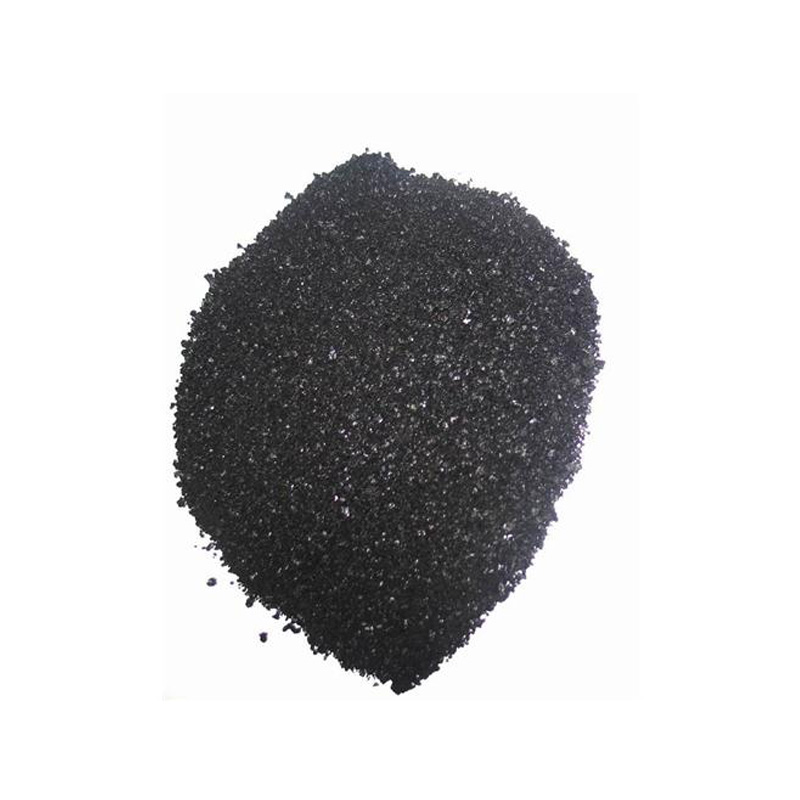
Sulphur Black
1.Name: sulphur black; Sulfur Black; Sulphur Black 1;
2.Structure formula:
3.Molecule formula: C6H4N2O5
4.CAS No.: 1326-82-5
5.HS code: 32041911
6.Product specification:Appearance:black phosphorus flakes; black liquid
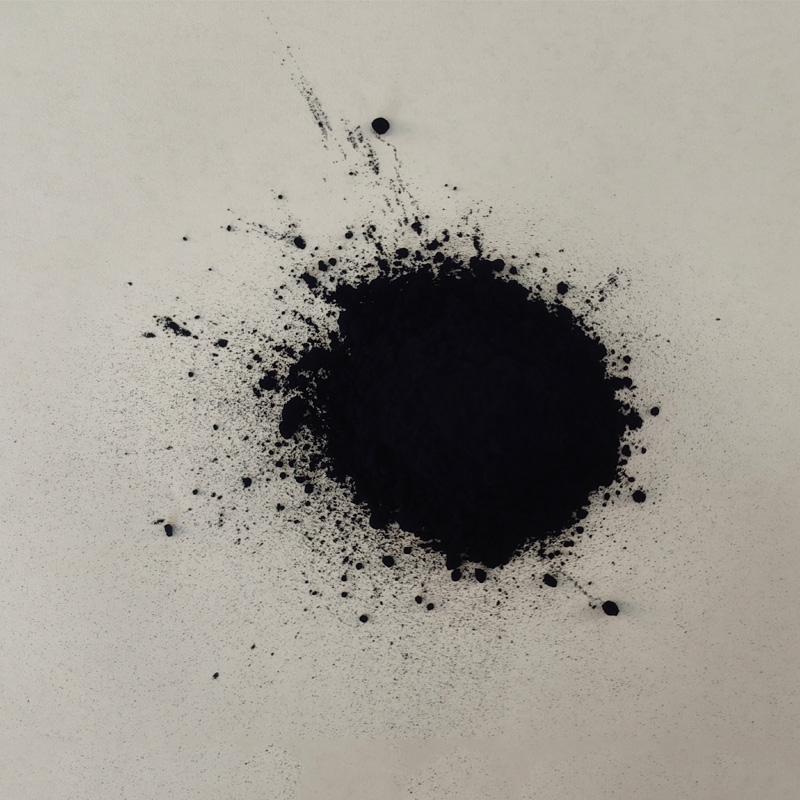
Bromo Indigo; Vat Bromo-Indigo; C.I.Vat Blue 5
1.Name: Bromo indigo; Vat bromo-indigo; C.I.Vat blue 5;
2.Structure formula:
3.Molecule formula: C16H6Br4N2O2
4.CAS No.: 2475-31-2
5.HS code: 3204151000 6.Major usage and instruction: Be mainly used to dye cotton fabrics.
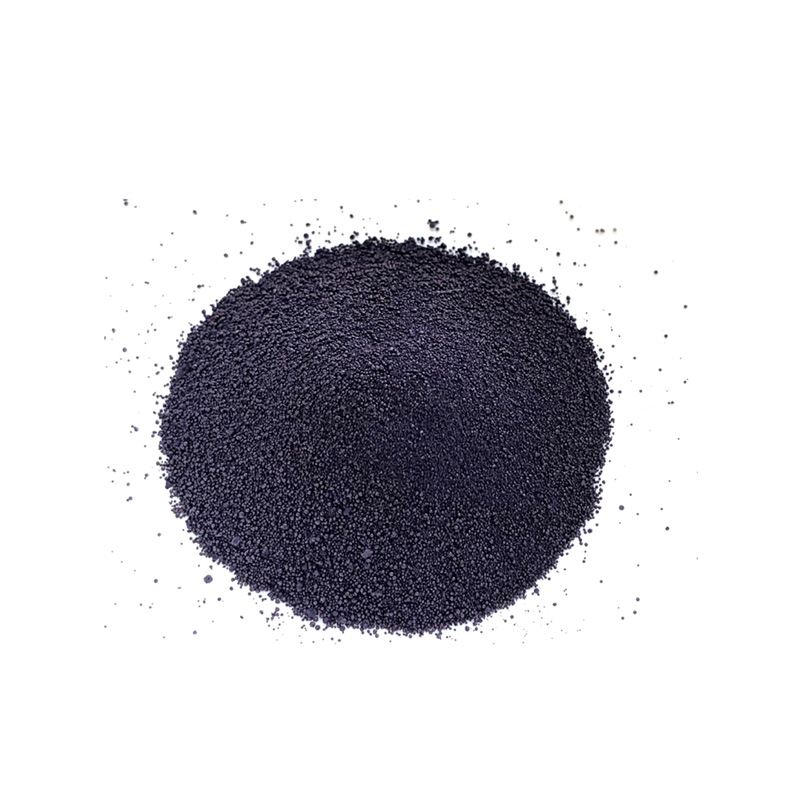
Indigo Blue Vat Blue
1.Name: indigo blue,vat blue 1,
2.Structure formula:
3.Molecule formula: C16H10N2O2
4.. CAS No.: 482-89-3
5.Molecule weight: 262.62
6.HS code: 3204151000
7.Major usage and instruction: Be mainly used to dye cotton fabrics.