

The Global Importance of High Quality Sulfur Dye: Durability, Sustainability, and Innovation
Understanding High Quality Sulfur Dye: Why It Matters Globally
If you’ve ever wondered about the vibrant, long-lasting colors in textiles, there’s a good chance a high quality sulfur dye played a role. These dyes are critical players not only for fabric coloration but also in meeting sustainability and economic goals worldwide. From fashion hubs in Asia to industrial textile centers in Europe, knowing the ins and outs of sulfur dye can unlock better product durability, cost efficiency, and environmental responsibility.
Frankly, sulfur dyes don’t always get the spotlight they deserve. Yet, as sustainable manufacturing and global trade grow more interconnected, their importance surges. The global textile market, valued at over $1.5 trillion in 2023 according to Statista, demands dyes that strike a balance between vibrancy, longevity, and eco-friendliness. High quality sulfur dye fits this bill in a unique way.
Why You Should Care: The Global Context
According to the United Nations Industrial Development Organization (UNIDO), the textile industry is among the largest consumers of water and chemicals, raising environmental concerns worldwide. Sulfur dyes, known for their low cost and strong affinity with cellulose fibers, provide a relatively sustainable alternative to synthetic dyes loaded with heavy metals or azo compounds.
Still, industries face challenges: sulfur dyes can be tricky to work with due to their chemical nature. They require precise control in dyeing processes to ensure color fastness and minimal environmental impact. Understanding these nuances is crucial as industries push for greener manufacturing practices aligned with ISO 14001 environmental management standards.
Defining High Quality Sulfur Dye
Put simply, sulfur dyes are a class of dyes primarily used for dyeing cotton and other cellulosic fibers. They’re developed by reacting sulfur with organic compounds to create sulfur-rich molecules capable of forming strong chemical bonds with fibers. “High quality” hints at superior performance metrics such as enhanced color fastness, deeper shades, uniformity, and reduced pollution during production.
In modern industry, these dyes offer a cost-effective solution without compromising durability. For human welfare—say, in uniforms, workwear, or affordable clothing—these dyes enhance product longevity, indirectly supporting economies by reducing waste and re-purchase frequency.
Core Components of High Quality Sulfur Dye
- Durability: Superior sulfur dyes resist fading from washing, sunlight, and abrasion, meaning garments last longer and look better over time.
- Environmental Profile: Advances have minimized sulfur emissions and wastewater contaminants associated with dyeing, addressing pollution concerns.
- Cost Efficiency: These dyes provide one of the lowest-cost solutions for large-scale textile production, balancing quality with budget.
- Scalability: Sulfur dyeing processes adapt well for both small artisanal batches and industrial volumes, making them versatile.
- Color Range: While their palette skews towards dark shades like blacks and browns, innovations now broaden available hues.
| Specification | Typical Parameters |
|---|---|
| Color Fastness (Wash) | 4–5 (scale 1-5, higher is better) |
| Common Shade Range | Black, Brown, Olive, Dark Blue |
| Sulfur Content | 18–25% |
| Application Method | Hot dyeing (130–155°C) |
| Environmental Compliance | ISO 14001 or equivalent standards met in advanced products |
Real World Uses & Global Reach
Regions like South Asia, China, Turkey, and Brazil are among the top producers and consumers of sulfur dyes. For example, in textile hubs across Bangladesh, sulfur dyes enable mass production of affordable workwear for millions of factory employees— garments that hold up through intense wear-and-tear, supporting workers’ dignity and safety.
In another vein, NGOs involved in humanitarian aid rely on sulfur-dyed fabrics in distribution kits since these dyes allow cost-effective coloring without sacrificing performance. Oddly enough, you might find such fabrics in relief camps during natural disaster recovery phases where durable, washable clothing is essential.
Industries ranging from denim manufacturing to carpet-making also benefit. As consumer demands shift toward eco-responsible products, better sulfur dyes help producers adjust more sustainably without exorbitant costs.
Why Choose High Quality Sulfur Dye? The Advantages
- Cost Savings: Lower initial costs compared to reactive or vat dyes mean producers can allocate budget elsewhere — materials, labor, or R&D.
- Environmental Edge: Reduced toxic residues in wastewater bolster compliance with tightening environmental regulations worldwide.
- Reliability: High color fastness minimizes product returns or customer complaints — a win for brand reputation.
- Social Impact: Durable clothing enhances wearer confidence and safety, especially in harsh working conditions.
All things considered, it’s not just a dye — it’s a pragmatic ally in sustainable textile production, threading economic, ecological, and social value together.
Looking Ahead: Trends & Innovations
Researchers and companies are improving sulfur dyes by tweaking molecular structures to increase brightness and fastness while lowering environmental footprints. Emerging dyeing machines incorporate automation and precision controls to optimize chemical usage, reducing waste.
Moreover, there’s a push towards fully biodegradable dye formulations integrating bio-based raw materials—a blend of chemistry and sustainability. Although full commercialization is still evolving, it promises a greener future for sulfur dyeing.
Challenges to Tackle & Smart Solutions
Despite advantages, sulfur dyes present challenges: their limited color palette and the technical difficulty in controlling dye baths can cause inconsistent results. Wastewater treatment also remains a concern for smaller dyeing facilities lacking advanced infrastructure.
Innovative solutions include enzyme-assisted pre-treatment to improve dye uptake and closed-loop water recycling systems. Industry collaborations and stricter environmental standards, like those promulgated by ISO and the European Chemicals Agency (ECHA), push continuous improvement.
Frequently Asked Questions About High Quality Sulfur Dye
- What distinguishes high quality sulfur dye from standard sulfur dyes?
High quality sulfur dyes offer improved color fastness, a broader shade range, and lower environmental impact thanks to optimized chemical formulations and controlled production processes. - Can sulfur dyes be used on synthetic fibers?
Sulfur dyes primarily bond with cellulose fibers like cotton, making them generally unsuitable for synthetic fibers such as polyester unless blended fabrics are involved. - How environmentally friendly are sulfur dyes compared to other types?
While not perfect, sulfur dyes usually have a better environmental profile than azo or heavy-metal dyes, especially when paired with modern wastewater treatment and eco-conscious production methods. - Are sulfur dyed garments durable for everyday use?
Absolutely. High quality sulfur dyes are prized for strong wash and light fastness, making garments perfect for repeated daily wear in rough conditions.
Vendor Comparison: Leading Suppliers of High Quality Sulfur Dye
| Vendor | Product Range | Environmental Certifications | Typical Lead Time | Price Range (per kg) |
|---|---|---|---|---|
| Wuxin Group | Broad (standard & eco formulations) | ISO 14001, REACH compliant | 2–3 weeks | $4.50–6.00 |
| Dyechem Corp | Moderate (mainly dark shades) | ISO 9001 certified | 3–4 weeks | $4.20–5.50 |
| EcoTex Solutions | Narrow (bio-based sulfur dyes) | Global Organic Textile Standard (GOTS) | 4–5 weeks | $5.50–7.00 |
Wrapping Up
To sum it up: high quality sulfur dye blends tradition and cutting-edge innovation to provide durable, cost-effective, and increasingly eco-conscious color solutions. Whether you’re a textile manufacturer, a brand manager, or someone curious about sustainable dyes, sulfur dyes hold an intriguing promise — one that’s quietly coloring the future of fabrics globally.
For in-depth information and sourcing, explore offerings at Wuxin Group, a leader committed to quality and sustainability in sulfur dyes.
In real terms, embracing advanced sulfur dye technology means investing in longer-lasting products and a healthier planet. Not bad for something many simply take for granted!
1. United Nations Industrial Development Organization (UNIDO) report on sustainable textiles.
2. ISO 14001 Environmental Management Standards.
3. Statista global textile market data, 2023.
-
Mastering the Art of China Japanese Indigo Dyeing Traditions
NewsApr.16,2026
-
Exploring the Elegance of China Deep Indigo Color in Textiles
NewsApr.09,2026
-
Discover High Quality China Jeans Blue Indigo for Global Markets
NewsApr.07,2026
-
Exploring the Rich Tradition of China Natural Indigo Dyed Fabric
NewsApr.04,2026
-
Exploring China Indigo Color in Nature History and Modern Applications
NewsMar.31,2026
-
Discover High Quality China Pure Indigo Powder for Vibrant Natural Dyeing
NewsMar.28,2026
-
Exploring the Rich History of China True Blue Indigo Textiles
NewsMar.26,2026
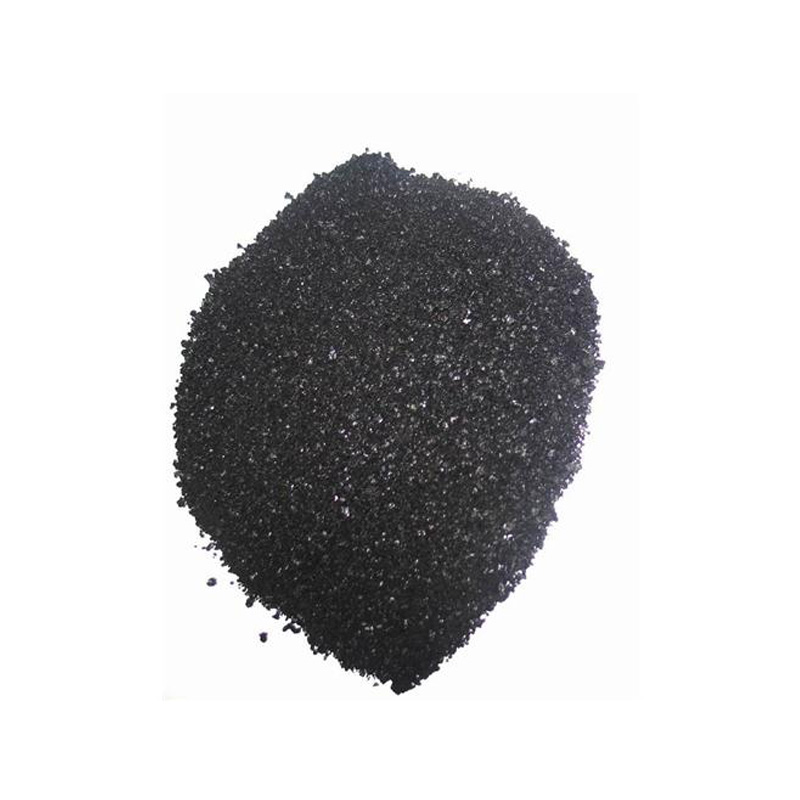
Sulphur Black
1.Name: sulphur black; Sulfur Black; Sulphur Black 1;
2.Structure formula:
3.Molecule formula: C6H4N2O5
4.CAS No.: 1326-82-5
5.HS code: 32041911
6.Product specification:Appearance:black phosphorus flakes; black liquid
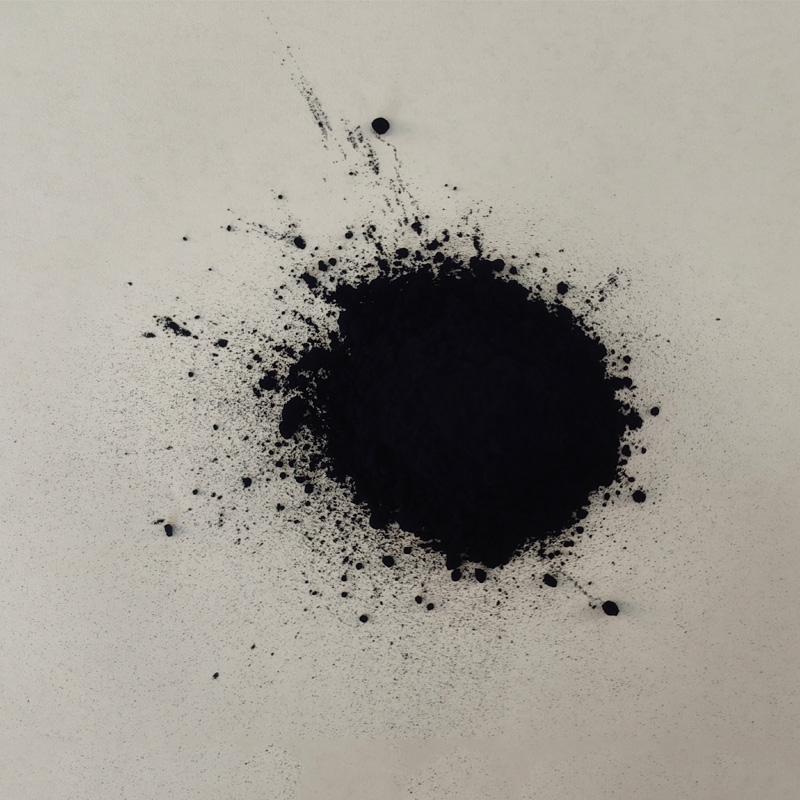
Bromo Indigo; Vat Bromo-Indigo; C.I.Vat Blue 5
1.Name: Bromo indigo; Vat bromo-indigo; C.I.Vat blue 5;
2.Structure formula:
3.Molecule formula: C16H6Br4N2O2
4.CAS No.: 2475-31-2
5.HS code: 3204151000 6.Major usage and instruction: Be mainly used to dye cotton fabrics.
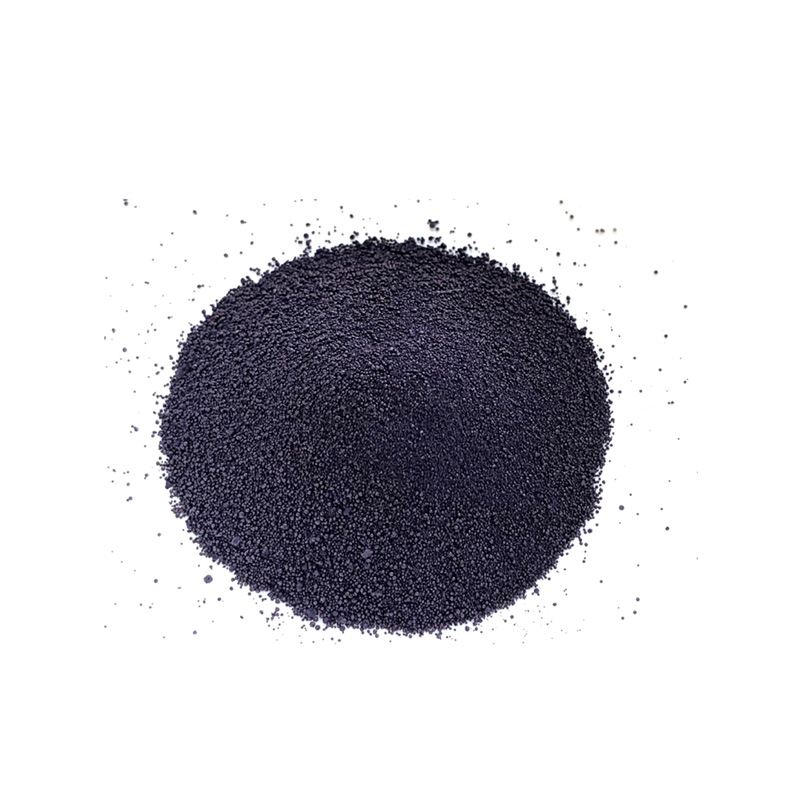
Indigo Blue Vat Blue
1.Name: indigo blue,vat blue 1,
2.Structure formula:
3.Molecule formula: C16H10N2O2
4.. CAS No.: 482-89-3
5.Molecule weight: 262.62
6.HS code: 3204151000
7.Major usage and instruction: Be mainly used to dye cotton fabrics.