

High Quality Indigo Textiles: Durable, Sustainable & Globally Relevant Fabrics
Understanding High Quality Indigo Textiles: Craftsmanship Meets Global Demand
When we talk about high quality indigo textiles, we're diving into a rich tradition that fuses ancient craftsmanship with modern industrial needs. But it’s more than just fabric dyed beautifully in deep, vibrant blues—these textiles hold global significance across fashion, cultural identity, and even sustainability. You might wonder why this matters globally? Well, these textiles bridge heritage preservation and contemporary production challenges, offering environments friendly dyes, durable materials, and a touch of artisan mastery. Understanding their nuances helps industries and consumers alike appreciate what sustainable innovation paired with tradition can bring.
Introduction: The Global Context of Indigo Textiles
Globally, the textile industry is a massive contributor to both economies and environmental concerns. According to the United Nations Sustainable Development Goals, promoting responsible consumption and production is key to future-proofing supply chains. High quality indigo textiles play into this by providing alternatives that are less chemically harsh compared to synthetic dyes while maintaining exceptional wearability and aesthetic appeal.
It's worth noting the ISO 105-A02 standards for colorfastness have brought more scrutiny to how indigo fabrics perform, making a clear market differentiation for quality producers. However, current challenges like scalability, cost pressures, and environmental compliance remain significant hurdles for manufacturers worldwide.
What Are High Quality Indigo Textiles?
Simply put, these textiles are woven or knitted fabrics dyed with indigo pigment—extracted naturally from plants or synthesized chemically to replicate the signature blue color. “High quality” means the materials meet strict criteria in durability, color retention, and environmental impact. Often used in jeans, traditional garments, and artisan pieces, their rich hue and texture come from layered dyeing techniques and precise finishing processes.
More than just fashion, these textiles are increasingly important for humanitarian and industrial applications, thanks to their breathability, robustness, and sustainable sourcing options.
Key Factors Behind High Quality Indigo Textiles
1. Durability
One hallmark is how resistant they are to fading and wear. High quality textiles undergo special dyeing cycles, sometimes involving repeated dipping that locks in the color. This durability is crucial for products intended for daily heavy use, especially in workwear or uniforms.
2. Colorfastness
Consumers and manufacturers want their indigo textiles to stay vivid after washing and exposure to sunlight. Achieving this requires advanced mordants and finishing techniques that differ by manufacturer.
3. Sustainable Dyeing Processes
Progressive producers now favor natural indigo extraction or eco-certified synthetic dyes, minimizing water usage and toxic waste, aligning with ISO’s environmental standards. It’s a shift towards cleaner, greener methods without sacrificing quality.
4. Material Composition
Generally cotton-based, these textiles sometimes mix in organic cotton or blends with synthetic fibers to enhance strength or stretch. The fabric base directly impacts comfort, price, and lifecycle.
5. Scalability
Though artisanal methods yield the best aesthetics, scalability is tricky. High quality indigo textile manufacturers must balance tradition with automation to meet growing global demand.
Product Specifications: Typical High Quality Indigo Textile Properties
| Feature | Specification | Comments |
|---|---|---|
| Fiber Type | 100% Organic Cotton (or blend) | Enhanced softness & sustainability |
| Dye Type | Natural or eco-friendly synthetic indigo | Low environmental impact |
| Colorfastness Rating | ISO 105-A02 Grade 4-5 | Strong resistance to fade |
| Weight | 5-12 oz per yard | Depends on fabric use (denim, shirting) |
| Production Scale | Small-batch to mass production | Balances quality & demand |
Where High Quality Indigo Textiles Shine Worldwide
Indigo textiles continue weaving their influence from the boutiques of Paris to the traditional communities of Japan, Nigeria, and India. In industrial zones, they serve as the backbone of workwear because of durability and comfort. Projects for high quality indigo textiles often find their way into trade fairs, cultural exhibits, and sustainable fashion lines.
In humanitarian scenarios—for example, post-disaster relief—these textiles provide comfortable, durable coverings and garments made to last, thereby preserving a dignified human experience amid hardship. Oddly enough, some remote industrial areas are adopting indigo-dyed textile uniforms to combine ruggedness and local cultural appreciation.
Advantages & Long-Term Value
- Cost Efficiency: Though initially pricier, the longevity and timeless appeal reduce replacement frequency.
- Sustainability: Eco-friendly dyeing and organic fibers foster a safer planet.
- Social Impact: Helps sustain artisan livelihoods and fosters cultural heritage.
- Reliability & Trust: Known quality standards instill confidence across industries.
- Emotional Value: Wearing or using indigo textiles offers a tangible connection to history and nature.
It feels like these textiles embody not just utility but also identity and stewardship—qualities businesses and consumers crave today.
Looking Ahead: Innovations in Indigo Textile Technology
Green chemistry breakthroughs now enable fully biodegradable indigo dyes, reducing chemical waste dramatically. Digital textile printing combined with automation offers scalability while protecting artisan detail. Moreover, policies supporting sustainable trade encourage manufacturers to adopt cleaner technologies.
We’re also seeing smart textiles integrating indigo fibers for UV protection and antimicrobial properties, signaling a fusion between tradition and future tech.
Challenges and How Experts Are Tackling Them
The main challenge? Balancing authenticity and scale without compromising quality or sustainability. Supply chain disruptions, especially in natural indigo sourcing, sometimes force manufacturers toward cheaper substitutes, affecting final product integrity.
Experts recommend a hybrid approach: combining mechanical precision with hand-finishing to preserve quality and speed. Also, blockchain technology now tracks provenance, ensuring transparent sourcing and boosting consumer trust. It’s a complex but exciting puzzle.
Vendor Comparison: Select High Quality Indigo Textile Producers
| Vendor | Eco-certification | Production Capacity | Price Range (USD/yard) | Specialty |
|---|---|---|---|---|
| IndigoCraft Co. | GOTS, OEKO-TEX | Small to Medium | $12–$20 | Traditional hand-dyeing |
| BlueWeave Textiles | OEKO-TEX | Large-scale | $7–$15 | Automated dyeing & finishing |
| EcoDye Solutions | GOTS, ISO 14001 | Medium | $10–$18 | Sustainable & biodegradable dyes |
Frequently Asked Questions About High Quality Indigo Textiles
- What makes high quality indigo textiles superior to regular dyed fabrics?
- High quality indigo textiles undergo specialized dyeing and finishing processes that ensure durability, vibrant color retention, and eco-friendly production methods. Regular dyed fabrics often use synthetic dyes and simplified methods that may fade, deteriorate, or harm the environment faster.
- How can high quality indigo textiles contribute to sustainable fashion?
- Because they often utilize natural dyes and organic fibers, these textiles reduce chemical pollution, water waste, and reliance on fossil fuels. Their lasting color and fabric strength also decrease the need for frequent replacements, creating less landfill waste over time.
- Are high quality indigo textiles more expensive, and are they worth the cost?
- Initially, yes—the dyeing processes and materials cost more. However, when factoring durability, environmental savings, and cultural value, many manufacturers and consumers consider it a smart investment that pays off through product longevity.
- Can businesses source high quality indigo textiles for large-scale productions?
- Yes, several producers combine traditional artisan techniques with automated systems to scale output. Finding a reliable supplier often involves assessing certifications like GOTS or OEKO-TEX and verifying their production capacity and traceability.
- Where can I learn more or purchase authentic high quality indigo textiles?
- Visiting https://www.wuxin-group.com offers detailed product options, certifications, and contact info to source authentic indigo textiles that meet quality and sustainability standards.
Conclusion: The Enduring Appeal and Practical Value of Indigo Textiles
In sum, high quality indigo textiles represent a captivating crossroad between tradition, sustainability, and innovation. They are not just a product but a story of culture, eco-consciousness, and industrial progress woven into fabric. Engaging with these textiles means supporting both heritage and future-friendly business practices. So, whether you're a brand innovating your line or an artisan preserving craft, exploring these textiles offers long-term rewards.
Interested in sourcing or learning more? Visit our website at high quality indigo textiles and discover the world of sustainable indigo like never before.
Mini takeaway: Investing in high quality indigo textiles means embracing a sustainable tradition that adapts beautifully to modern industrial needs.
References:
-
Mastering the Art of China Japanese Indigo Dyeing Traditions
NewsApr.16,2026
-
Exploring the Elegance of China Deep Indigo Color in Textiles
NewsApr.09,2026
-
Discover High Quality China Jeans Blue Indigo for Global Markets
NewsApr.07,2026
-
Exploring the Rich Tradition of China Natural Indigo Dyed Fabric
NewsApr.04,2026
-
Exploring China Indigo Color in Nature History and Modern Applications
NewsMar.31,2026
-
Discover High Quality China Pure Indigo Powder for Vibrant Natural Dyeing
NewsMar.28,2026
-
Exploring the Rich History of China True Blue Indigo Textiles
NewsMar.26,2026
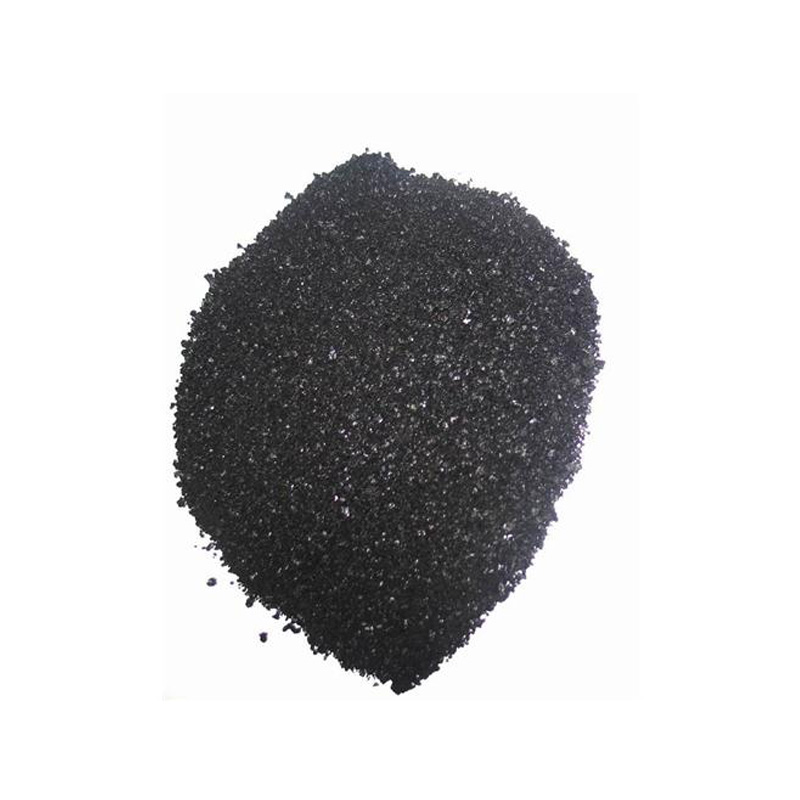
Sulphur Black
1.Name: sulphur black; Sulfur Black; Sulphur Black 1;
2.Structure formula:
3.Molecule formula: C6H4N2O5
4.CAS No.: 1326-82-5
5.HS code: 32041911
6.Product specification:Appearance:black phosphorus flakes; black liquid
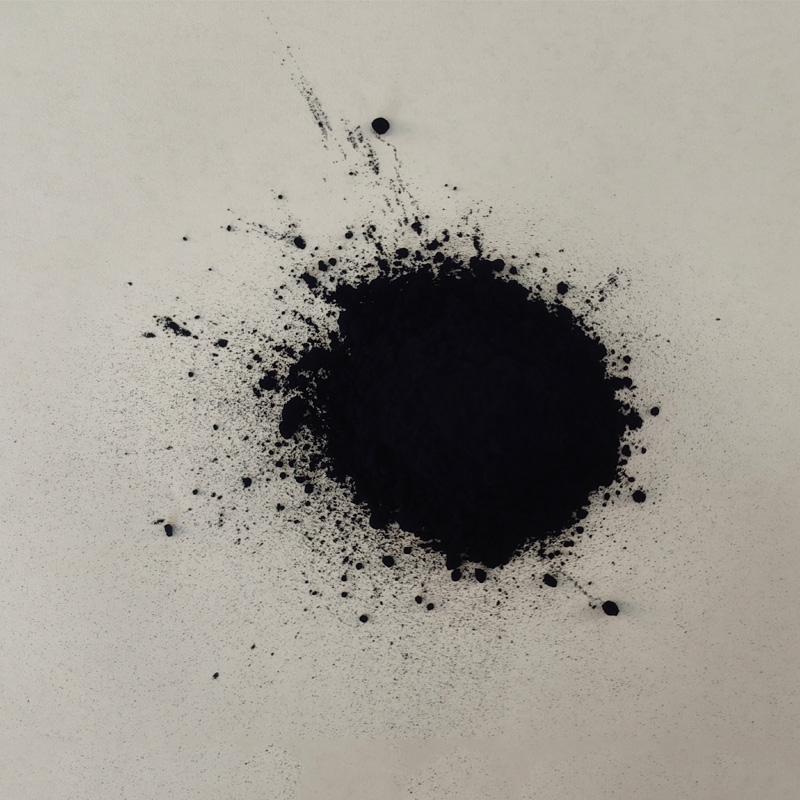
Bromo Indigo; Vat Bromo-Indigo; C.I.Vat Blue 5
1.Name: Bromo indigo; Vat bromo-indigo; C.I.Vat blue 5;
2.Structure formula:
3.Molecule formula: C16H6Br4N2O2
4.CAS No.: 2475-31-2
5.HS code: 3204151000 6.Major usage and instruction: Be mainly used to dye cotton fabrics.
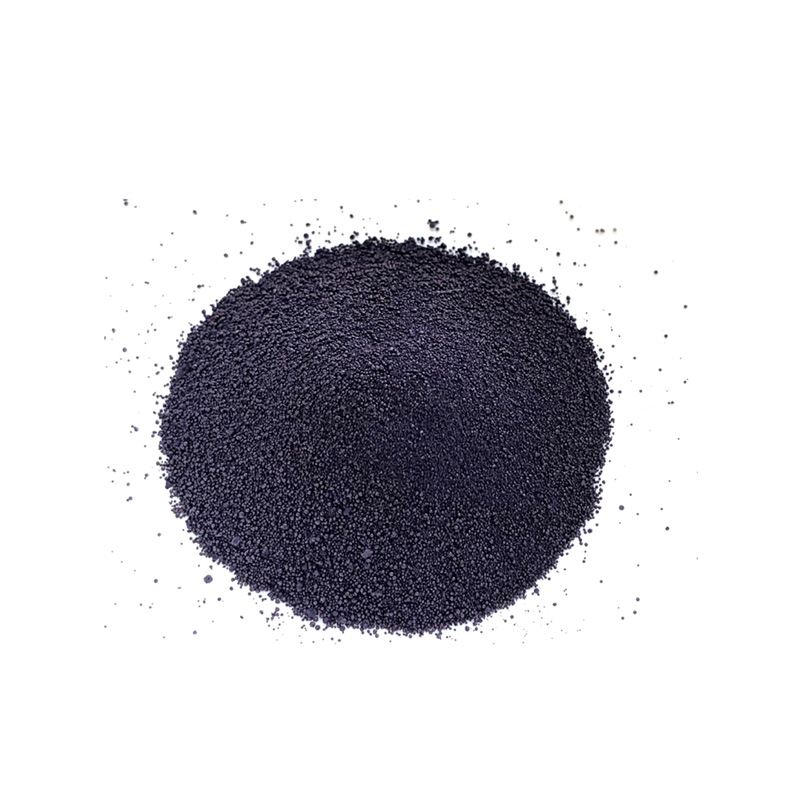
Indigo Blue Vat Blue
1.Name: indigo blue,vat blue 1,
2.Structure formula:
3.Molecule formula: C16H10N2O2
4.. CAS No.: 482-89-3
5.Molecule weight: 262.62
6.HS code: 3204151000
7.Major usage and instruction: Be mainly used to dye cotton fabrics.