

High Quality Dye Indigo: Global Importance, Applications, and Future Trends
Understanding High Quality Dye Indigo: A Global Perspective
When you think about indigo, you might imagine those classic deep-blue jeans or the intricate hand-dyed fabrics from centuries past. But today, high quality dye indigo is more than just a pigment; it embodies innovation, sustainability, and global trade impact. This natural or synthetic dye remains a cornerstone of textile manufacturing around the world, touching industries from fashion to heritage crafts and even environmental science. Understanding this dye’s quality, sources, and applications offers useful insight into how materials shape industries and economies.
Why High Quality Dye Indigo Matters Globally
Indigo dye traces back thousands of years, weaving through cultural tapestries from Asia to Africa and the Americas. According to the Wikipedia article on indigo dye, demand for premium indigo pigments continues to rise with growing consumer focus on craftsmanship and sustainability. Stockpiling cheap, low-grade dyes can lead to fading, waste, and environmental toxicity.
Global textile consumption exceeds 100 million tons annually (World Bank data), making dye quality a huge factor in industry sustainability and economic viability. High quality dye indigo drastically reduces the need for reprocessing, increases fabric lifespan, and lowers carbon footprints.
Yet there’s a challenge: sourcing and producing premium indigo dyes with consistent quality remains a complicated supply chain journey, often entangled with environmental and ethical concerns.
Defining High Quality Dye Indigo
Simply put, high quality dye indigo refers to a pigment that delivers vibrant, long-lasting blue tones with enhanced purity, reduced impurities, and minimal environmental impact. Natural indigo is harvested from plants like Indigofera tinctoria, while synthetic indigo is chemically produced, often from aniline derivatives.
The “high quality” qualifier means the dye binds well to fibres (think cotton, denim, silk) without requiring excessive water or chemicals in the dyeing process. This efficiency means longer-lasting colors that don’t rapidly fade under sunlight or washing.
In industry terms, this level of dye quality reflects standards set by organizations such as the International Organization for Standardization (ISO), which details color fastness, chemical composition, and toxicity levels.
Key Factors Behind High Quality Dye Indigo
1. Purity and Chemical Consistency
Impurities in indigo dyes often cause uneven coloration or brittleness in fabric. High quality levels guarantee a tightly controlled chemical profile, resulting in uniform blue tones and better fabric integrity.
2. Colorfastness and Durability
The dye’s ability to resist fading from sunlight, washing, and abrasion is non-negotiable. High quality dye indigo maintains these properties, reducing textile replacement and waste.
3. Environmental and Safety Standards
Given the dyeing industry’s historic environmental footprint, premium indigo dyes comply with strict ecological guidelines—lower toxicity, biodegradability, and safer manufacturing processes.
4. Scalability of Production
For industries to rely on high quality dye indigo, production must remain consistent, affordable, and scalable without compromising standards. This often blends natural extraction with synthetic refinements.
5. Cost Efficiency
While more expensive upfront than low-grade dyes, the durability and reduced resource use translate into cost savings by extending textile lifespan and minimizing defects.
Product Specifications of High Quality Dye Indigo
| Specification | Typical Values | Notes |
|---|---|---|
| Purity (%) | ≥ 98 | Ensures color vibrancy and fabric adhesion |
| Colorfastness grade | 4-5 (ISO scale) | High resistance to fading |
| pH level | 6.5 - 7.5 | Neutral to slightly alkaline for fabric compatibility |
| Heavy metal content | Meets eco-friendly textile standards | |
| Solubility | Low in water, soluble in organic solvent | Affects processing methods |
Global Applications and Use Cases
Oddly enough, indigo dye extends far beyond jeans! Across continents, from the cotton fields in India to artisan workshops in Ghana, high quality dye indigo influences industries in varied ways.
- Fashion and Textiles: Denim giants and luxury brands demand premium indigo varieties for consistent blue jeans that look great even after multiple washes.
- Traditional Crafts: Many indigenous artisans rely on natural indigo for culturally important textiles, maintaining heritage techniques that support local economies.
- Industrial Uses: Some manufacturing sectors dye technical textiles that require durability—like automotive interiors or upholstery.
- Environmental Applications: Recent studies explore indigo as a component in photocatalytic fabrics and pollution sensors, an emerging eco-tech niche.
For example, in post-disaster clothing aid, organizations prefer garments dyed with high quality indigo because of their hypoallergenic nature and durability, which help maintain recipients' dignity. Similarly, in remote industrial zones, synthetic indigo supply lines are crucial for sustaining textile manufacturing.
If you’re curious about sourcing high quality dye indigo, several global producers balance natural cultivation and synthetic processes to meet demand.
Advantages and Long-Term Value
Honestly, the benefits of investing in high quality dye indigo span the purely practical to the deeply emotional. On a practical level, you get fabrics that:
- Maintain rich color for years, cutting down waste
- Demand less chemical and water input during dyeing
- Support eco-conscious material sourcing
- Build consumer trust via quality assurance
Emotionally, well-dyed textiles evoke pride, safety, and even cultural identity, which brands and nonprofits find invaluable. This holistic value proposition explains why many manufacturers are migrating toward superior synthetic dyes or sustainably farmed natural indigo blends.
Future Trends and Innovations
The industry isn’t standing still. Frankly, the buzzwords here are “green chemistry,” biotechnology, and digital transparency. Researchers are engineering bacterial strains that produce indigo biologically, sidestepping harsh chemical pathways. Such biotechnological advances hint at dyes with improved purity and a reduced carbon footprint.
Meanwhile, digital tracking technologies—blockchain, for instance—allow brands and consumers alike to verify dye provenance, pushing the industry toward greater transparency.
Moreover, alongside synthetic biology, automation in dye factories is enabling precise dye loads reducing overuse and wastewater, a win for environment-conscious producers.
Challenges and Solutions in High Quality Dye Indigo Production
No process is perfect. Challenges include:
- Supply chain fragmentation: Many producers of natural indigo operate in small, dispersed farms with inconsistent quality.
- Environmental impact: Synthetic dye manufacture can emit harmful pollutants if unchecked.
- Cost barriers: High purity dyes cost more, a hurdle for mass-market brands.
Solutions? Consolidating supply chains with cooperative farming, adopting green chemistry standards, and employing economies of scale in production help mitigate these issues.
Many experts recommend a hybrid approach—using natural indigo for niche markets and sustainable synthetic indigo for industrial scale—balancing tradition with innovation.
Vendor Comparison: Top Suppliers of High Quality Dye Indigo
| Supplier | Source Type | Certification | Annual Capacity (tons) | Price Range (USD/kg) |
|---|---|---|---|---|
| Wuxin Group | Synthetic | ISO 9001, REACH | 500 | 3.50 - 4.50 |
| Indigo Natural Ltd. | Natural | Organic, Fair Trade | 100 | 5.00 - 6.50 |
| Colorfast Tech Inc. | Synthetic | ISO 14001 | 300 | 3.80 - 4.20 |
Frequently Asked Questions About High Quality Dye Indigo
Q1: What distinguishes high quality dye indigo from regular indigo dyes?
High quality dye indigo has greater purity, better colorfastness, and complies with environmental standards, resulting in richer colors and less environmental harm compared to lower-grade dyes.
Q2: Can natural indigo compete with synthetic indigo in large-scale textile production?
Natural indigo offers authenticity and eco benefits but faces challenges in large-scale consistency and cost. Synthetic indigo remains dominant industrially, often supplemented by natural sources in niche markets.
Q3: How does high quality dye indigo impact textile sustainability?
By requiring fewer re-dye cycles and producing less toxic waste, high quality dye indigo significantly reduces water consumption and pollution, contributing to more sustainable textile manufacturing.
Q4: Is it possible to trace the origin of indigo dyes in finished products?
Thanks to modern blockchain and supply chain transparency tools, brands can increasingly verify dye origins, enhancing consumer trust and compliance with sustainability claims.
Q5: Where can I source reliable high quality dye indigo?
Reputable suppliers like Wuxin Group provide certified, scalable options for synthetic dye indigo, while specialized providers offer high-end natural indigo. Consider certification and regional compliance when choosing.
Conclusion: The Lasting Legacy of High Quality Dye Indigo
At the crossroads of tradition, ecology, and innovation, high quality dye indigo remains a vital material shaping the future of textiles worldwide. Its ability to meld vibrant color with sustainability and cultural significance secures its place from artisan crafts to industrial fashion hubs. If you want to explore or procure top-tier indigo dyeing solutions, take a look at this reliable source to experience excellence in tradition and technology.
It’s fascinating how a simple, timeless color can offer such complex benefits — I suppose that’s the magic of indigo.
Key Takeaway
Choosing high quality dye indigo isn’t just about color—it’s an investment in sustainability, durability, and cultural vitality.
References
-
Mastering the Art of China Japanese Indigo Dyeing Traditions
NewsApr.16,2026
-
Exploring the Elegance of China Deep Indigo Color in Textiles
NewsApr.09,2026
-
Discover High Quality China Jeans Blue Indigo for Global Markets
NewsApr.07,2026
-
Exploring the Rich Tradition of China Natural Indigo Dyed Fabric
NewsApr.04,2026
-
Exploring China Indigo Color in Nature History and Modern Applications
NewsMar.31,2026
-
Discover High Quality China Pure Indigo Powder for Vibrant Natural Dyeing
NewsMar.28,2026
-
Exploring the Rich History of China True Blue Indigo Textiles
NewsMar.26,2026
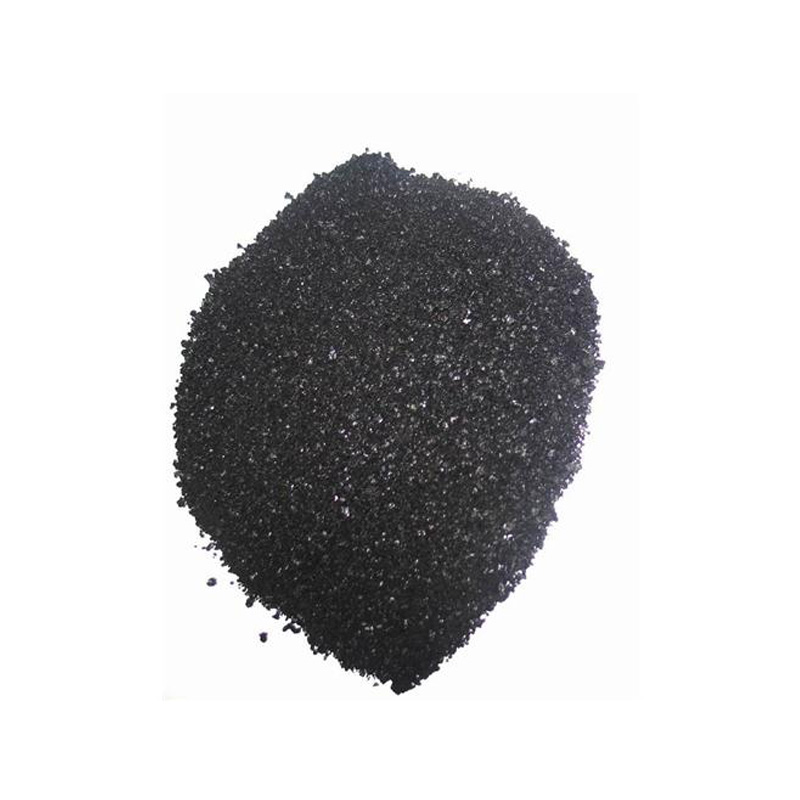
Sulphur Black
1.Name: sulphur black; Sulfur Black; Sulphur Black 1;
2.Structure formula:
3.Molecule formula: C6H4N2O5
4.CAS No.: 1326-82-5
5.HS code: 32041911
6.Product specification:Appearance:black phosphorus flakes; black liquid
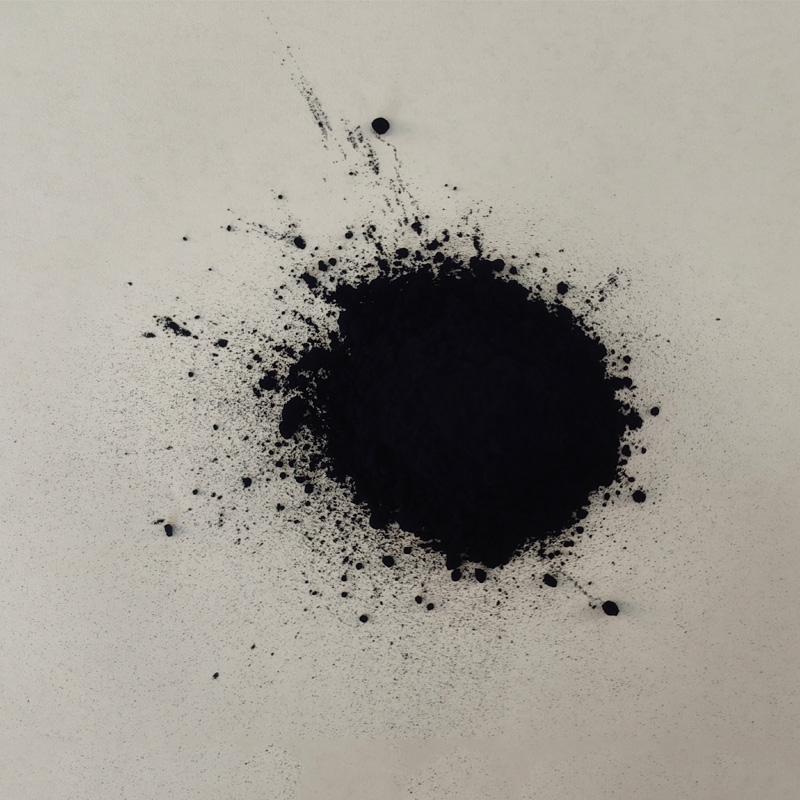
Bromo Indigo; Vat Bromo-Indigo; C.I.Vat Blue 5
1.Name: Bromo indigo; Vat bromo-indigo; C.I.Vat blue 5;
2.Structure formula:
3.Molecule formula: C16H6Br4N2O2
4.CAS No.: 2475-31-2
5.HS code: 3204151000 6.Major usage and instruction: Be mainly used to dye cotton fabrics.
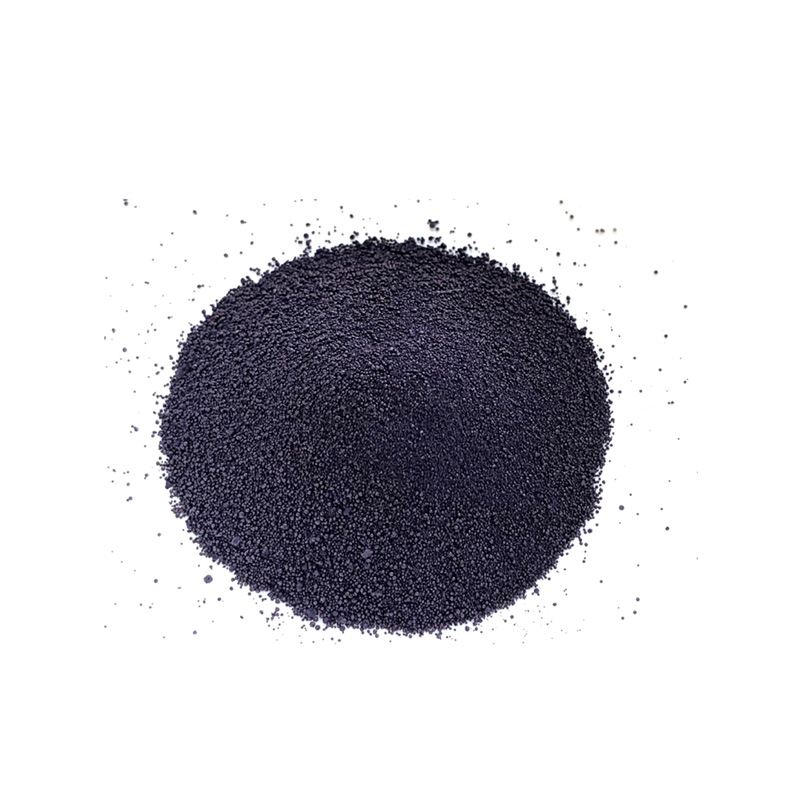
Indigo Blue Vat Blue
1.Name: indigo blue,vat blue 1,
2.Structure formula:
3.Molecule formula: C16H10N2O2
4.. CAS No.: 482-89-3
5.Molecule weight: 262.62
6.HS code: 3204151000
7.Major usage and instruction: Be mainly used to dye cotton fabrics.