

High Quality Indigo Yarn: Durability, Sustainability & Global Impact Explained
Understanding High Quality Indigo Yarn: A Global Textile Asset
High quality indigo yarn might sound like niche textile jargon, but it's really at the heart of some of the world’s most iconic fabrics—think denim jeans, classic jackets, and artisanal crafts. Beyond fashion, it carries global significance for industries and communities alike. Indigo yarn crafted with high standards drives durability, sustainability, and economic opportunities worldwide. Getting familiar with what makes indigo yarn 'high quality' unlocks a better understanding of its lasting value in manufacturing, trade, and even humanitarian efforts.
Global Relevance: Why High Quality Indigo Yarn Matters
The textile industry remains one of the world’s largest economic sectors, employing millions and generating trillions in revenue annually (World Bank, 2023). Indigo-dyed fabrics have an enduring presence here, especially in countries like India, Japan, and the United States. According to United Nations Industrial Development Organization (UNIDO) reports, quality materials such as high quality indigo yarn help manufacturers reduce waste and boost sustainability. That’s critical when fashion and textiles contribute up to 10% of global carbon emissions (UN Environment Program, 2021).
However, this industry faces challenges: inconsistent yarn quality leads to poor textile performance and undermines worker safety and local economies. By emphasizing high quality indigo yarn, producers can address issues around durability, resource efficiency, and international compliance — ultimately benefiting a multitude of stakeholders.
What is High Quality Indigo Yarn?
At its essence, high quality indigo yarn is cotton or other fiber spun into thread and dyed with indigo pigment using methods that maximize strength, colorfastness, and environmental safety. Unlike cheaper, lower-grade yarns, this product undergoes precise processing — from selecting premium raw fibers to advanced dyeing and finishing techniques — ensuring a vivid, long-lasting blue hue and robust performance under wear and washing.
Beyond textile factories and fashion houses, this yarn supports industries focused on sustainable, ethical production, often contributing to humanitarian and local economic projects by enabling affordable but durable fabric production.
Key Qualities That Define High Quality Indigo Yarn
1. Durability
Durability is probably the biggest factor here—high quality yarn resists fraying, pilling, and fading. That means end products last longer, saving customers and brands money, and helping reduce textile waste worldwide.
2. Consistent Color Fastness
Good indigo dyeing methods ensure the yarn’s color remains vibrant through repeated washing and sun exposure. This stability is crucial for denim manufacturers who promise long-lasting appearance.
3. Sustainable Production Practices
Producers committed to sustainability use water-smart dyeing technologies and biodegradable chemicals. This reduces environmental impact significantly compared to traditional indigo dyeing.
4. Fiber Quality and Texture
Premium fibers like organic cotton provide fine yarn with consistent thickness and smooth texture, which translates into better fabric hand feel.
5. Scalability
Manufacturers want yarn suppliers who can deliver consistent batches time after time. High quality indigo yarn must be scalable without sacrificing any characteristic.
Product Specifications of Selected High Quality Indigo Yarn
| Feature | Specification | Remarks |
|---|---|---|
| Fiber Type | 100% Organic Cotton / Premium Blends | Enhances texture & sustainability |
| Yarn Count | 20 - 40 Ne | Ideal for denim & heavy fabrics |
| Color Fastness | Grade 4+ (ISO Standards) | Resists fading & washing damage |
| Dyeing Method | Eco-friendly Indigo Vat / Reactive Dyes | Minimizes water & chemical use |
| Tensile Strength | > 25 N | Supports long-lasting wear |
How Leading Vendors Compare on High Quality Indigo Yarn
| Vendor | Sustainability | Price Competitiveness | Production Capacity | Customization Options |
|---|---|---|---|---|
| Wuxin Group | High – GOTS certified, eco dyes | Moderate | Large-scale, flexible output | Wide range, color & fiber blends |
| BlueTex Co. | Medium – partially eco dye | Low | Small-batch focus | Limited blends |
| IndigoFabrics Ltd. | High – organic cotton usage | High | Medium | Custom colors & textures |
Global Applications & Use Cases
One can see high quality indigo yarn bridging continents and industries. In the fashion capitals like Italy and Japan, it powers premium denim collections that promise longevity and style. Meanwhile, textile hubs in South Asia harness this yarn in eco-friendly garment production, supporting vibrant local economies.
Oddly enough, this yarn is even used in sectors like home furnishings and industrial textiles, where toughness and consistent color are essential. In places affected by natural disasters, fabrics made from such yarn aid relief efforts by providing durable, reusable materials for shelters and uniforms.
So, while it seems primarily fashion-focused, its versatility spans humanitarian, industrial, and artisan domains.
Advantages & Long-Term Value
- Cost Efficiency: Durable yarn means clothes last longer, reducing repurchase rates.
- Environmental Impact: Sustainable dyeing reduces water use and pollution, critical for textile-heavy regions.
- Social Impact: Supporting high quality yarn producers often means empowering ethical labor practices.
- Reliability: Consistency in yarn strength and color adds trustworthiness to supply chains.
On the emotional side, wearing indigo garments made from such yarn feels different — there’s a subtle assurance of craftsmanship and care, a quiet pride in sustainable choices.
Emerging Trends & Innovations
Sustainability continues to define innovations in indigo yarn—processes like low-impact dyeing and organic fiber sourcing gain momentum. Some manufacturers experiment with bioengineered indigo pigments, reducing the need for harsh chemicals entirely.
Digital transformation also aids quality control; AI systems analyze yarn batches in real time, further minimizing defects. Automation and eco-friendly standards increasingly converge, setting new global benchmarks.
Common Challenges & Expert Solutions
Of course, challenges persist. Indigo dyeing can still consume large amounts of water. Additionally, yam consistency fluctuates based on fiber quality variations or supply chain disruptions. But many suppliers now adopt closed-loop water systems and rigorous fiber sourcing audits.
Producers who invest in traceability technologies are better positioned to guarantee authenticity and quality, addressing retailer and consumer concerns straightforwardly.
FAQ: Your Questions on High Quality Indigo Yarn Answered
- What distinguishes high quality indigo yarn from regular yarn?
- High quality indigo yarn uses superior fibers and dyeing processes that ensure enhanced durability, richer color, and sustainable production compared to ordinary yarns.
- How long does fabric made from high quality indigo yarn typically last?
- With proper care, garments made from this yarn can last several years without significant fading or fabric breakdown, outperforming standard yarn products.
- Is using organic cotton essential for high quality indigo yarn?
- While not always essential, organic cotton enhances sustainability credentials, reduces chemical use, and often improves yarn consistency and softness.
- Can high quality indigo yarn production be scaled globally?
- Yes, many manufacturers have scalable systems in place with the ability to meet large orders while maintaining quality and eco-friendly standards.
- How do I source reliable suppliers internationally?
- Look for certifications like GOTS or ISO that confirm quality and sustainability. Also, vendor reputation and willingness to share production data are good trust indicators.
Conclusion: The Indigo Yarn Advantage
In real terms, high quality indigo yarn isn't just about pretty blue threads—it reflects deeper values around craftsmanship, environmental responsibility, and global connectivity. Its durable nature, combined with sustainable methods, empowers industries from fashion to humanitarian aid.
If you’re looking to invest or learn more, I suggest checking out resources and products offered by established industry leaders like Wuxin Group’s high quality indigo yarn. Their blend of tradition and innovation exemplifies where the market is headed.
Thanks for sticking with me on this textile journey—there’s more than meets the eye woven into every strand of indigo yarn.
-
Mastering the Art of China Japanese Indigo Dyeing Traditions
NewsApr.16,2026
-
Exploring the Elegance of China Deep Indigo Color in Textiles
NewsApr.09,2026
-
Discover High Quality China Jeans Blue Indigo for Global Markets
NewsApr.07,2026
-
Exploring the Rich Tradition of China Natural Indigo Dyed Fabric
NewsApr.04,2026
-
Exploring China Indigo Color in Nature History and Modern Applications
NewsMar.31,2026
-
Discover High Quality China Pure Indigo Powder for Vibrant Natural Dyeing
NewsMar.28,2026
-
Exploring the Rich History of China True Blue Indigo Textiles
NewsMar.26,2026
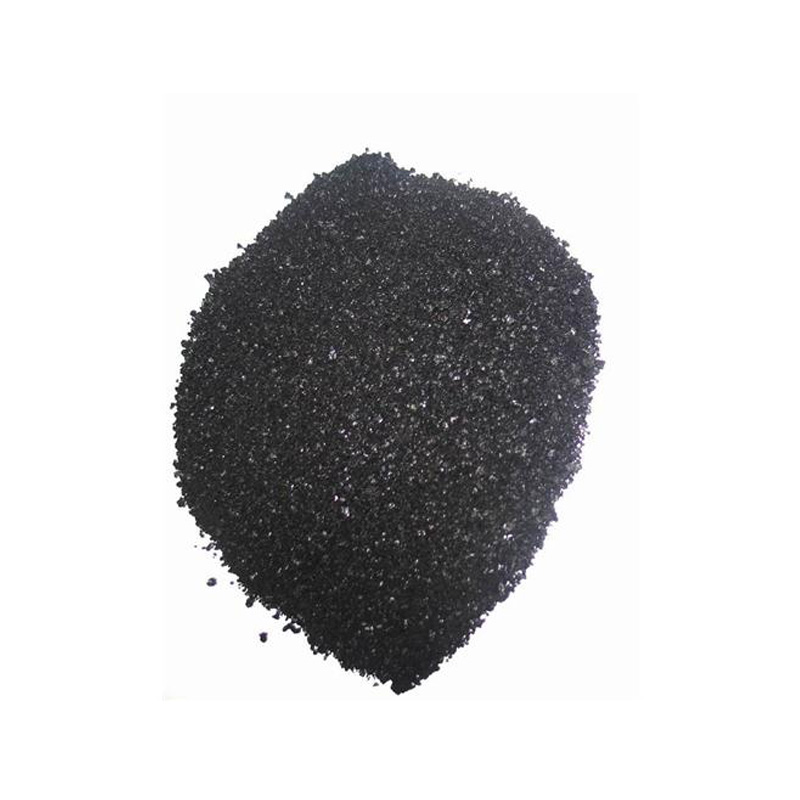
Sulphur Black
1.Name: sulphur black; Sulfur Black; Sulphur Black 1;
2.Structure formula:
3.Molecule formula: C6H4N2O5
4.CAS No.: 1326-82-5
5.HS code: 32041911
6.Product specification:Appearance:black phosphorus flakes; black liquid
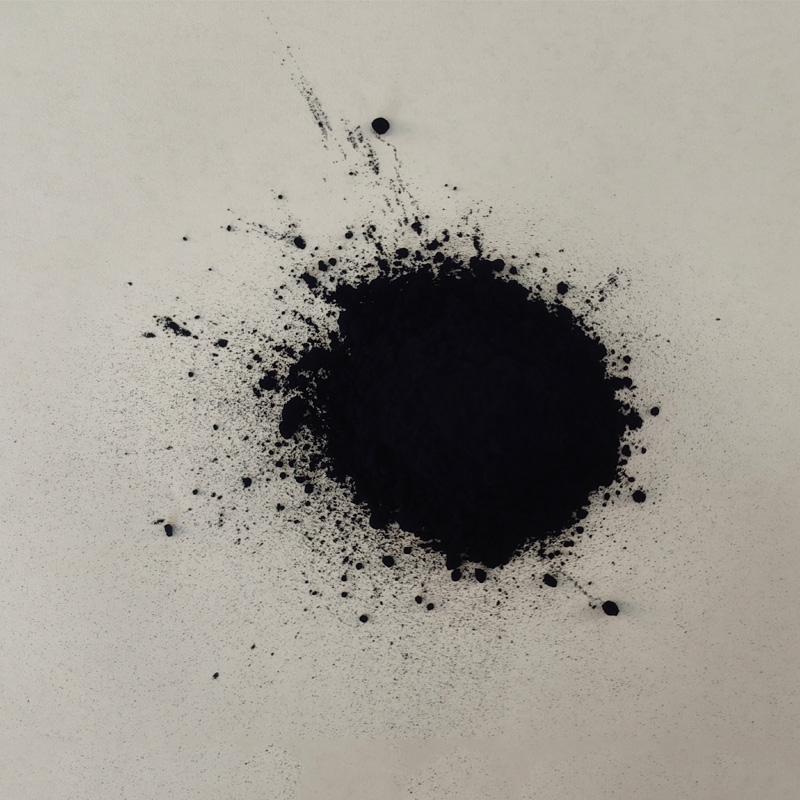
Bromo Indigo; Vat Bromo-Indigo; C.I.Vat Blue 5
1.Name: Bromo indigo; Vat bromo-indigo; C.I.Vat blue 5;
2.Structure formula:
3.Molecule formula: C16H6Br4N2O2
4.CAS No.: 2475-31-2
5.HS code: 3204151000 6.Major usage and instruction: Be mainly used to dye cotton fabrics.
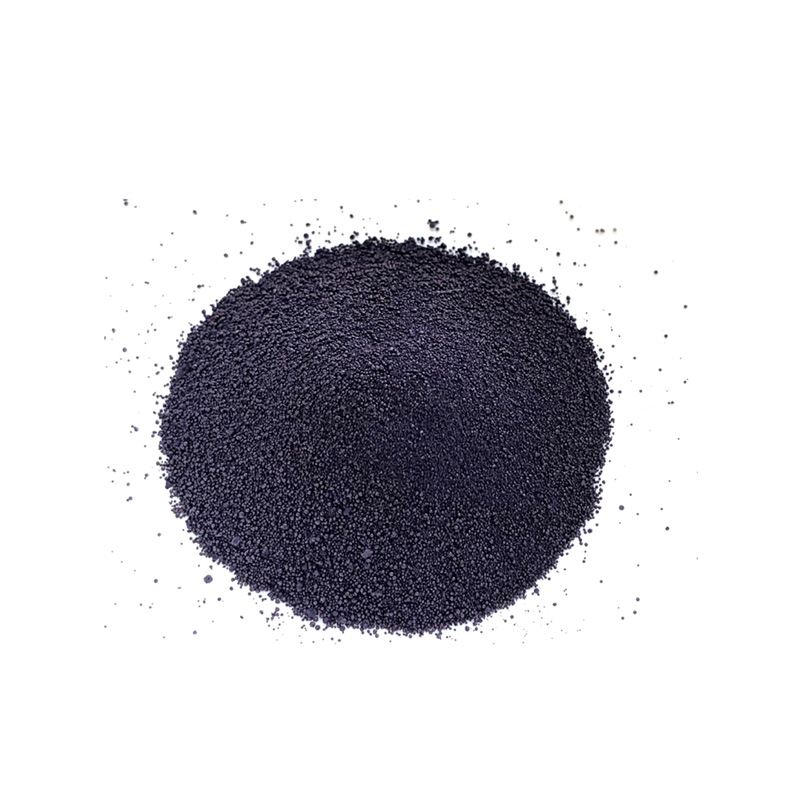
Indigo Blue Vat Blue
1.Name: indigo blue,vat blue 1,
2.Structure formula:
3.Molecule formula: C16H10N2O2
4.. CAS No.: 482-89-3
5.Molecule weight: 262.62
6.HS code: 3204151000
7.Major usage and instruction: Be mainly used to dye cotton fabrics.