

High Quality Natural Indigo Fabric – Sustainable & Authentic Textile Solutions
Understanding High Quality Natural Indigo Fabric: A Timeless Craft with Global Impact
Natural indigo fabric has been woven into human history for centuries—its deep blue hues telling tales of culture, sustainability, and craftsmanship. But today, as industries pivot towards greener and more authentic materials, the spotlight on high quality natural indigo fabric has intensified. What makes it so special, and why does it matter beyond just fashion and textiles? Well, if you’ve ever wondered how a fabric can intertwine tradition, sustainability, and modern innovation, you’re in the right place.
On a global scale, natural indigo dyeing connects agriculture, craft artisanship, and sustainable fashion markets, blending economy with ecology. The benefits of using authentic natural indigo fabrics aren't only about aesthetics—they touch on eco-friendliness, reduced chemical use, and a revival of heritage that supports entire communities worldwide. So it's not just fabric; it's a story, a livelihood, and a greener future rolled into one.
Natural Indigo Fabric in Today’s Industry: Why Should You Care?
According to the United Nations Environment Programme (UNEP), the textile industry contributes roughly 20% of global industrial water pollution, largely due to synthetic dyes. This is a significant environmental problem, with millions of tons of harmful chemicals discharged into waterways annually.
Natural indigo fabric offers a compelling solution. Extracted traditionally from Indigofera plants, this fabric dyeing method eliminates harsh chemicals, reduces water pollution, and offers a biodegradable alternative. In fact, a recent study from the International Organization for Standardization (ISO) highlights the growing demand for natural dyes, driven by sustainable consumer choices and stricter environmental regulations worldwide.
But here’s the catch: not all natural indigo fabrics are created equal. The term "high quality natural indigo fabric" specifically refers to fabrics that maintain superior dye consistency, colorfastness, and durability while honoring traditional dyeing techniques. These fabrics meet stringent quality and sustainability requirements, providing the best of both worlds for manufacturers and consumers alike.
What Exactly Is High Quality Natural Indigo Fabric?
In simple terms, this fabric is cotton or other natural fibers dyed with indigo pigment derived purely from plant sources, processed meticulously to maintain richness and longevity. Unlike synthetic indigo, which uses chemical synthesis, natural indigo fabrics require a complex fermentation and extraction process that yields vibrant, lasting blue tones.
What makes it “high quality”? It’s a blend of raw material selection, skilled craftsmanship, and quality controls. The fabric must resist fading over time, maintain softness, and pass industrial standards for wash and wear. It’s not just about looks but about performance under real-world conditions. The connection between natural indigo fabric and modern fashion or humanitarian needs lies in its versatility—providing sustainable alternatives for brands and reliable, eco-friendly materials for organizations prioritizing social responsibility.
Core Features of High Quality Natural Indigo Fabric
1. Durability and Colorfastness
A robust indigo fabric withstands washing, abrasion, and sunlight without losing its characteristic blue hue. Many high quality fabrics undergo repeated natural fermentation cycles, which boosts pigment adherence on the fibers.
2. Eco-Friendly Production Process
Unlike conventional dyes, fermenting natural indigo requires fewer harsh chemicals, minimizes heavy metals, and conserves water. This reduces environmental footprint drastically.
3. Softness and Comfort
The fabric’s feel matters—high quality natural indigo fabrics avoid stiff finishes, offering breathable, skin-friendly texture suitable for clothing or upholstery.
4. Authenticity and Cultural Heritage
Natural indigo fabric often supports artisan communities that preserve centuries-old dyeing techniques, adding cultural value that mass-produced synthetic alternatives cannot match.
5. Scalability and Customization
Technological partnerships now enable scaling up production while preserving quality. Custom patterns and hues can be achieved using a range of natural indigo plants and processing methods.
Where Does High Quality Natural Indigo Fabric Shine Globally?
From the cotton fields of India to the artisan workshops of Japan, natural indigo fabric plays multiple roles:
- Fashion & Apparel: Many ethical brands rely on natural indigo to produce denim and handwoven textiles that appeal to eco-aware consumers.
- Home Textiles: Cushion covers, curtains, and upholstery using high quality natural indigo fabric add aesthetic and sustainable value to interiors worldwide.
- Humanitarian and Relief Efforts: In post-disaster zones, durable, naturally dyed fabrics are favored due to their toxicity-free nature, minimizing allergic reactions and conserving limited natural resources.
- Craft & Cultural Preservation: Numerous indigenous and rural communities continue producing natural indigo fabric as a vital socioeconomic activity, supported by NGOs and fair-trade initiatives.
For instance, in West Africa, local cooperatives blending traditional dyeing with modern fabric standards have seen export growth by 15% annually over the last five years. Similarly, Japanese brands have revived natural indigo fabric for premium limited collections, earning global acclaim.
Advantages & Long-Term Value of High Quality Indigo Fabric
- Sustainability: Reduced chemical waste and renewable raw materials.
- Economic Equity: Supporting artisans and agricultural farmers.
- Health & Safety: Non-toxic, hypoallergenic materials.
- Design Versatility: Rich hues adaptable to diverse products.
- Longevity: Fabrics that age gracefully, avoiding fast fashion waste.
On a personal note, I’ve seen customers gravitate toward natural indigo garments citing not only environmental concern but also a sense of connection — something almost intangible, but deeply felt. It feels like buying a piece of history, wrapped in sustainability.
Product Specs: Typical High Quality Natural Indigo Fabric
| Specification | Details |
|---|---|
| Fabric Type | 100% organic cotton / hemp blends |
| Dye Source | Natural Indigofera plant fermentation |
| Colorfastness | Grade 5 (ISO 105-B02) |
| Fabric Weight | 180–220 GSM (grams per square meter) |
| Certifications | GOTS, OEKO-TEX Standard 100 |
Vendor Comparison: Leading Suppliers of Natural Indigo Fabric
| Vendor | Material Source | Production Scale | Eco Certifications | Lead Time | Notable Clients |
|---|---|---|---|---|---|
| IndigoCraft Co. | India, organic cotton | Medium | GOTS, Fairtrade | 4–6 weeks | EcoBrand Apparel, GreenHome |
| BlueHeritage Textiles | Japan, hemp blend | Small | OEKO-TEX, JAS | 8–10 weeks | Luxury Denim, Artisan Goods |
| EcoDye International | West Africa, cotton | Large | Fairtrade, GOTS, ISO 14001 | 6–8 weeks | Global NGO Clothing, Sustainable Brands |
Looking Ahead: Future Trends Shaping Natural Indigo Fabric
Innovation isn’t leaving natural indigo behind. In fact, eco-tech startups and textile engineers are collaborating to fuse traditional fermentation with digital analysis — optimizing pigment extraction and reducing waste.
Some exciting developments include:
- Advanced microbial fermentation that accelerates dye yield.
- Integration with biodegradable fabrics such as hemp and bamboo.
- Automated, closed-loop dyeing systems radically cutting water use.
- Blockchain certification for authentic, fair trade indigo sourcing.
All of which means that high quality natural indigo fabric is not only preserving history but embracing the future.
Facing Challenges: How the Industry is Adapting
Producing natural indigo fabric remains labor-intensive and dependent on seasonal crops. Consistency can suffer without modernized processes. Also, price points can be higher than synthetic counterparts due to slower yields.
Yet solutions are emerging. Collaborative industry models pool resources for scaling, while training programs improve artisans’ skills combining tradition with quality control. Some brands subsidize local farmers to grow indigo sustainably, creating closed-loop supply chains.
Ultimately, these efforts show natural indigo fabric can be accessible without sacrificing integrity or authenticity — an encouraging sign, really.
FAQ: Your Common Questions on High Quality Natural Indigo Fabric
- What makes high quality natural indigo fabric different from synthetic indigo dyed fabric?
- Natural indigo fabric uses plant-based dye derived through fermentation, creating deeper, more nuanced blues and eco-friendly processing. Synthetic dyes are chemically produced and often less sustainable, prone to fading faster under wear and washing.
- How can I verify if natural indigo fabric is truly high quality?
- Look for certifications like GOTS or OEKO-TEX, check for consistent deep color without uneven spots, and ensure it's made from organic fibers. Asking vendors for production transparency is also key.
- Is natural indigo fabric suitable for all clothing types?
- Generally, yes. It works well for denim, shirts, scarves, and home textiles. The fabric is breathable and durable, making it suitable for everyday wear and heavier work garments.
- Does natural indigo fabric require special care?
- While it is colorfast, natural indigo fabrics benefit from gentle washing in cold water and air drying to maintain vibrancy longer. Avoid prolonged exposure to direct sunlight when possible.
Final Thoughts: Why Invest in High Quality Natural Indigo Fabric?
The journey of natural indigo fabric from verdant fields to finished goods reveals a delicate balance of heritage, sustainability, and innovation. Investing in high quality natural indigo fabric means choosing products that respect the planet, preserve cultural legacies, and deliver long-lasting quality. Quite simply, it’s a fabric with soul and a future.
For those curious to explore further or source authentic products, visiting trusted platforms like ours will guide you along an informed and responsible path. Frankly, the world can always use more blue—but blues that are kind to the earth.
References
-
Mastering the Art of China Japanese Indigo Dyeing Traditions
NewsApr.16,2026
-
Exploring the Elegance of China Deep Indigo Color in Textiles
NewsApr.09,2026
-
Discover High Quality China Jeans Blue Indigo for Global Markets
NewsApr.07,2026
-
Exploring the Rich Tradition of China Natural Indigo Dyed Fabric
NewsApr.04,2026
-
Exploring China Indigo Color in Nature History and Modern Applications
NewsMar.31,2026
-
Discover High Quality China Pure Indigo Powder for Vibrant Natural Dyeing
NewsMar.28,2026
-
Exploring the Rich History of China True Blue Indigo Textiles
NewsMar.26,2026
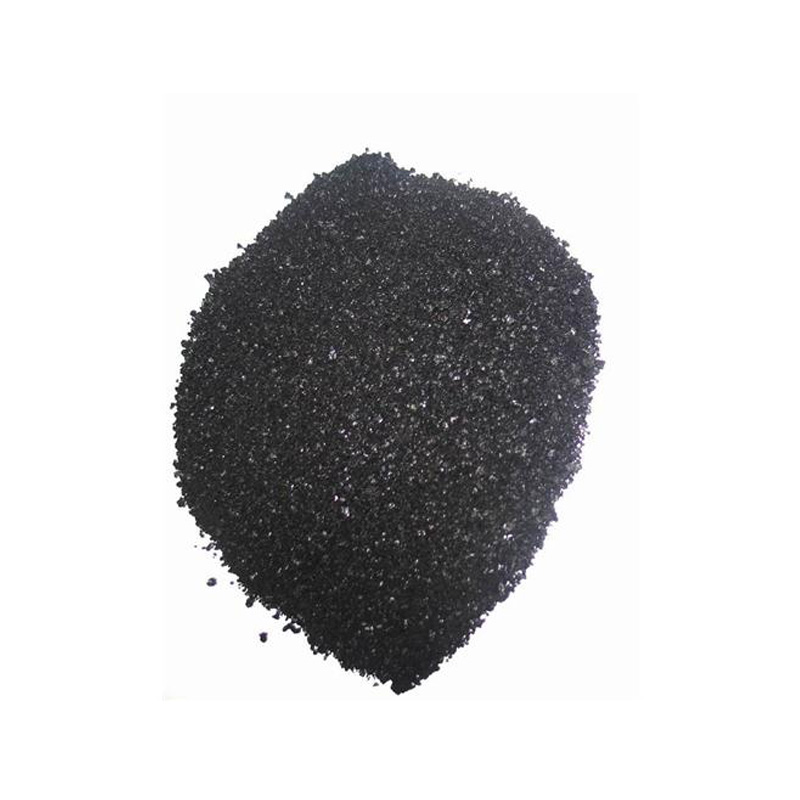
Sulphur Black
1.Name: sulphur black; Sulfur Black; Sulphur Black 1;
2.Structure formula:
3.Molecule formula: C6H4N2O5
4.CAS No.: 1326-82-5
5.HS code: 32041911
6.Product specification:Appearance:black phosphorus flakes; black liquid
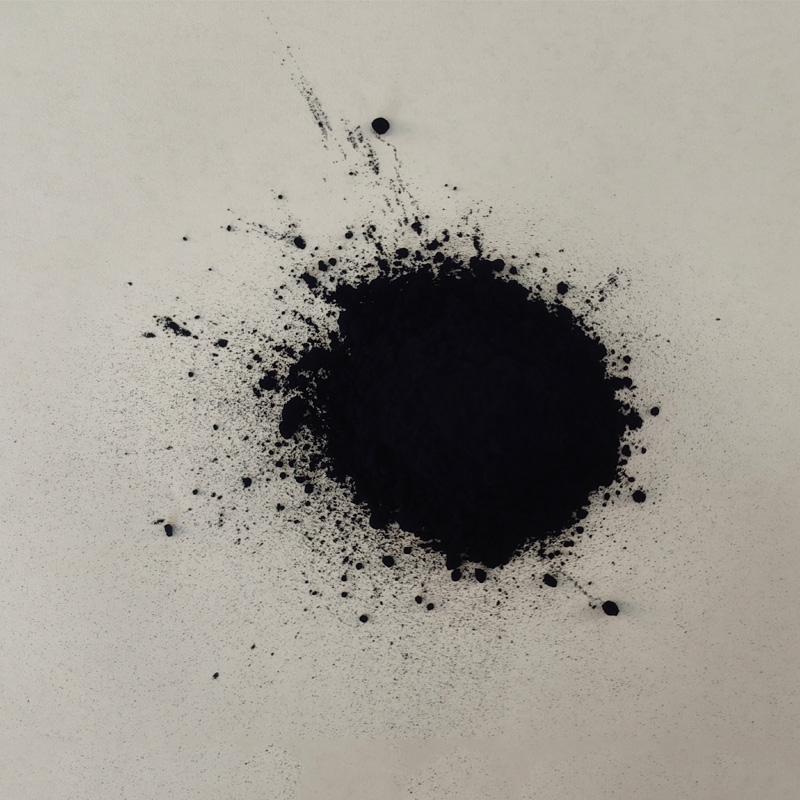
Bromo Indigo; Vat Bromo-Indigo; C.I.Vat Blue 5
1.Name: Bromo indigo; Vat bromo-indigo; C.I.Vat blue 5;
2.Structure formula:
3.Molecule formula: C16H6Br4N2O2
4.CAS No.: 2475-31-2
5.HS code: 3204151000 6.Major usage and instruction: Be mainly used to dye cotton fabrics.
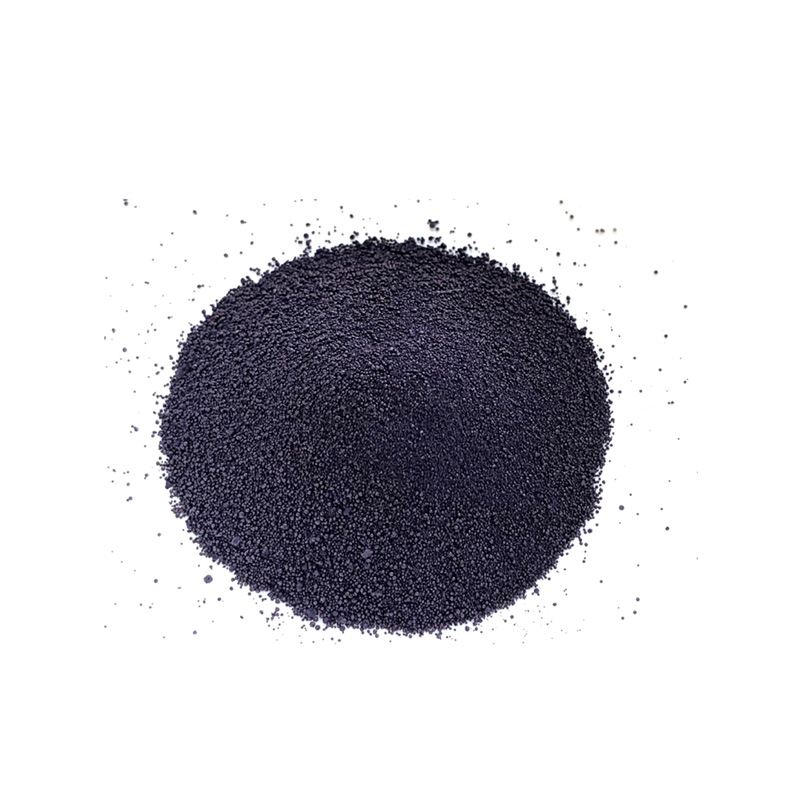
Indigo Blue Vat Blue
1.Name: indigo blue,vat blue 1,
2.Structure formula:
3.Molecule formula: C16H10N2O2
4.. CAS No.: 482-89-3
5.Molecule weight: 262.62
6.HS code: 3204151000
7.Major usage and instruction: Be mainly used to dye cotton fabrics.