

High Quality Synthetic Indigo – Global Innovation in Textile Dyeing
What is High Quality Synthetic Indigo and Why Does It Matter?
At first glance, indigo might just seem like a timeless blue dye used in denim jeans. But when we talk about high quality synthetic indigo, we’re actually dipping into a fascinating crossroads of chemistry, global trade, environmental responsibility, and industrial innovation. This special category of synthetic dye plays a huge role in the textile industry worldwide—especially given our growing need for sustainable alternatives that don’t sacrifice performance or consistency.
Understanding high quality synthetic indigo is more than a curiosity. It's a crucial part of how economies can produce vibrant, durable fabrics without relying on scarce natural sources, which are often unpredictable. It also touches on social issues like fair labor and environmental impact. So, there’s a lot packed into those deep blue hues, and it’s worth peeling back the layers.
The Global Importance of Synthetic Indigo in Today’s Industry
Synthetic indigo is, frankly, an industrial heavyweight. According to the International Dye Manufacturers Association, nearly 50,000 tons of synthetic indigo are produced annually worldwide — a number that’s only growing with fast fashion and global denim demand. Natural indigo, derived from plants like Indigofera tinctoria, has become impractical on a large scale due to cultivation difficulties and inconsistent dye quality.
Moreover, global textile manufacturing hubs in Asia, Latin America, and increasingly Africa rely heavily on consistent, affordable synthetic dyes. In these regions, industries face challenges around water pollution and chemical waste disposal—a problem synthetic indigo producers are trying to alleviate by developing greener processes and biodegradable formulations.
Oddly enough, while synthetic dyes have helped scale production, they’ve also prompted the industry to rethink environmental standards and worker safety. Hence, the growing attention on high quality synthetic indigo as a more accountable option that balances quality with sustainability.
Defining High Quality Synthetic Indigo
So, what exactly do we mean when we say high quality synthetic indigo? Simply put, it refers to indigo dye that meets strict standards of purity, color fastness, and reproducibility in industrial applications. Unlike generic synthetic indigo, which can vary widely in consistency, the "high quality" variant is carefully produced to ensure:
- Excellent solubility and reduction properties for efficient dyeing
- Consistent deep blue color with minimal fading
- Low impurities to reduce environmental toxins
- Compatibility with a range of fibers including cotton and synthetic blends
Its precision is what makes it indispensable to high-end denim brands, apparel manufacturers, and textile researchers trying to balance aesthetics and ethics.
Core Components Defining High Quality Synthetic Indigo
1. Purity and Chemical Composition
High quality synthetic indigo is purified to a level where unwanted by-products, like isatin or heavy metals, are minimized. This directly impacts dyeing consistency and reduces toxic waste during manufacturing.
2. Color Fastness and Durability
The value here is in maintaining vibrancy over time. Whether that’s repeated wash cycles or prolonged sunlight exposure, robust synthetic indigo holds onto its signature hue better than cheaper alternatives.
3. Scalability of Production
This dye’s importance shows when you look at mass production. Processes like the Baeyer-Drewsen synthesis have evolved to allow efficient large-batch production, but fine-tuning reaction conditions remains crucial.
4. Environmental Impact
Synthetic indigo production has historically used significant water and hazardous chemicals. Today’s “high quality” variants emerge from cleaner, greener chemistries—the kind striving for ISO 14001 environmental management certification.
5. Application Versatility
This indigo doesn’t just work on typical cotton jeans. It can be tailored for polyester blends, leather finishing, even art supplies. That versatility expands its market reach exponentially.
Global Applications: Where and How High Quality Synthetic Indigo Shines
Beyond denim, this specialty dye touches numerous sectors worldwide:
- Textile Industry: Asia dominates as the largest user, with countries like India, Bangladesh, and China employing synthetic indigo for fast, affordable fabric coloration.
- Fashion Brands: Premium labels pride themselves on uniform color quality, especially for vintage or distressed looks.
- Art Supplies & Inks: High quality synthetic indigo offers artists a reliable pigment alternative.
- Humanitarian Applications: Oddly enough, in relief scenarios where quick fabric identification or marking is needed (say, for medical or logistic supplies), synthetic indigo’s consistency helps maintain standards.
Take the example of a textile mill in Vietnam focusing on sustainable denim collections. By switching to premium synthetic indigo, they reduced water waste by 30%, increased production speed, and improved garment quality — not bad for a simple dye swap!
Mini Takeaway:
High quality synthetic indigo is more than a dye; it’s a globally relevant material that touches fashion, sustainability, and industrial efficiency.
Advantages and Long-Term Benefits of Premium Synthetic Indigo
What else makes this dye so valuable? Here’s the rundown:
- Cost-effectiveness: Bulk production efficiencies lower costs per kilogram.
- Eco-consciousness: Reduced chemical waste and water use align with sustainable manufacturing goals.
- Reliability: Consistent dye behavior means fewer production errors and better end-product quality.
- Innovation-friendly: Enables experimentation with cutting-edge textile blends and finishes.
- Social Impact: Safer manufacturing conditions and responsible sourcing help brands maintain ethical reputations.
Frankly, switching to this type of indigo often reassures consumers that their favorite jeans weren’t just dyed blue—they were made with care.
Product Specification Table: Typical High Quality Synthetic Indigo
| Property | Specification |
|---|---|
| Purity (%) | ≥ 98.5% |
| Particle Size (μm) | 10–20 |
| Color Fastness (Washing, Light) |
≥ Grade 4 (ISO 105) |
| Moisture Content (%) | ≤ 1.5% |
| Heavy Metals | Below regulatory limits |
| Application Method | Vat dyeing, printing |
Comparing Leading Synthetic Indigo Vendors
| Vendor | Purity (%) | Sustainability Cert. | Price per kg (USD) | Typical Customers |
|---|---|---|---|---|
| Wuxin Group | ≥ 99% | ISO 14001 | 12.50 | Premium denim mills |
| IndigoChem Ltd. | 98.7% | Oeko-Tex | 11.80 | Mass market brands |
| BlueHue Dyes | 98.2% | None | 10.90 | Small scale producers |
Looking Ahead: The Future of Synthetic Indigo
Innovation in synthetic indigo production is currently a hotbed of research and development. To meet increasing regulatory and consumer demands for sustainability, companies are exploring:
- Bio-based production methods: Using microbial fermentation to biologically synthesize indigo precursor molecules, reducing chemical waste significantly.
- Improved recycling technologies: Capturing and reusing dye bath water and minimizing raw material loss.
- Digital dyeing innovations: Automation and AI for optimal dye application, reducing overuse and defects.
- Eco-certifications: Pushing beyond ISO 14001 to cradle-to-cradle certifications and transparent supply chains.
Frankly, it feels like synthetic indigo is becoming more than pigment—it's a test case for how chemistry and sustainability can coexist at scale.
Common Questions About High Quality Synthetic Indigo
Q1: How does synthetic indigo differ from natural indigo?
While natural indigo is extracted from plants and can vary in color and purity, synthetic indigo is chemically identical but produced in controlled industrial processes. The synthetic product offers greater consistency, affordability, and scalability compared to relying on agricultural sources.
Q2: Is synthetic indigo environmentally safe?
Modern high quality synthetic indigo manufacturers aim to minimize environmental impact by optimizing chemical processes, reducing water use, and treating effluents. Certifications like ISO 14001 and Oeko-Tex help ensure adherence to environmental standards, though the dyeing process itself also plays a big role in sustainability.
Q3: Can synthetic indigo be used on all types of fabrics?
Primarily, synthetic indigo excels with cellulose fibers such as cotton, where vat dyeing is common. However, advances have made it compatible with some polyester blends and specialty materials, though applications might need tailored procedures.
Q4: What makes high quality synthetic indigo more expensive?
Its higher cost reflects rigorous purification, environmentally responsible manufacturing, consistent fastness, and compliance with safety regulations. These factors translate to less waste, higher reliability, and better final product appearance.
Q5: How can small textile producers access high quality synthetic indigo?
Many manufacturers, including Wuxin Group, offer scalable batch sizes and technical support, facilitating imports and certifications that help small producers meet industry standards. Engaging with reputable vendors is key.
In Conclusion: Why Invest in High Quality Synthetic Indigo?
High quality synthetic indigo stands at the intersection of tradition and innovation. It respects the iconic color’s legacy while embracing modern needs for consistency, sustainability, and global scalability. For industries chasing efficiency and conscience alike, it’s an indispensable asset.
Interested to learn more or explore premium options? Visit the Wuxin Group website for detailed info, product demos, and expert advice tailored to your production needs.
Mini Takeaway:
Choosing high quality synthetic indigo isn’t just about blue jeans; it’s about integrating better chemistry, smarter industry practices, and responsible sourcing worldwide.
References:
1. Wikipedia: Indigo dye
2. International Dye Manufacturers Association Reports, 2023
3. ISO 14001 Environmental Management Systems Standard, ISO.org
-
Mastering the Art of China Japanese Indigo Dyeing Traditions
NewsApr.16,2026
-
Exploring the Elegance of China Deep Indigo Color in Textiles
NewsApr.09,2026
-
Discover High Quality China Jeans Blue Indigo for Global Markets
NewsApr.07,2026
-
Exploring the Rich Tradition of China Natural Indigo Dyed Fabric
NewsApr.04,2026
-
Exploring China Indigo Color in Nature History and Modern Applications
NewsMar.31,2026
-
Discover High Quality China Pure Indigo Powder for Vibrant Natural Dyeing
NewsMar.28,2026
-
Exploring the Rich History of China True Blue Indigo Textiles
NewsMar.26,2026
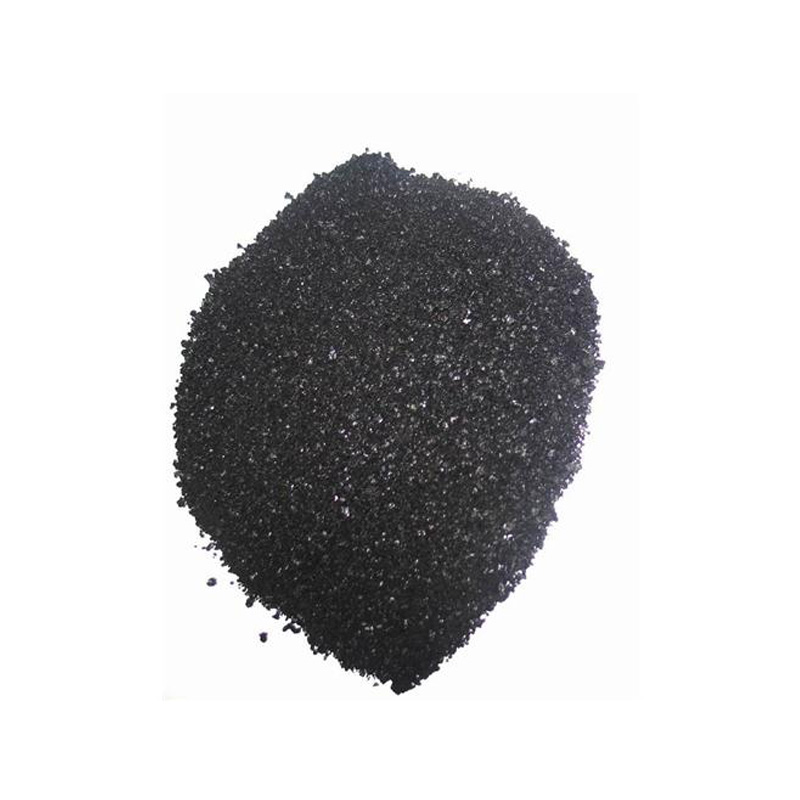
Sulphur Black
1.Name: sulphur black; Sulfur Black; Sulphur Black 1;
2.Structure formula:
3.Molecule formula: C6H4N2O5
4.CAS No.: 1326-82-5
5.HS code: 32041911
6.Product specification:Appearance:black phosphorus flakes; black liquid
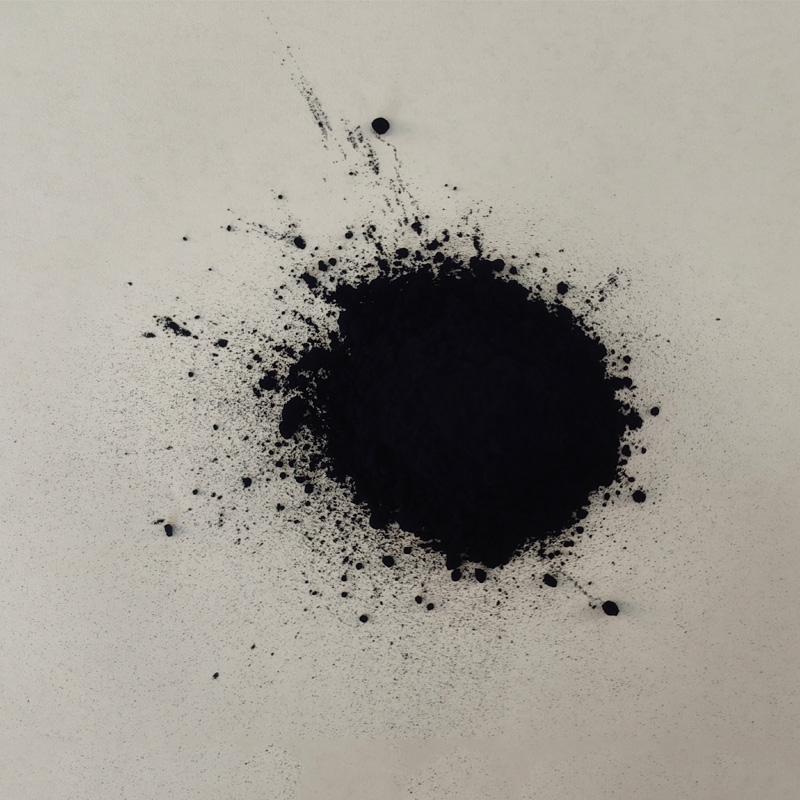
Bromo Indigo; Vat Bromo-Indigo; C.I.Vat Blue 5
1.Name: Bromo indigo; Vat bromo-indigo; C.I.Vat blue 5;
2.Structure formula:
3.Molecule formula: C16H6Br4N2O2
4.CAS No.: 2475-31-2
5.HS code: 3204151000 6.Major usage and instruction: Be mainly used to dye cotton fabrics.
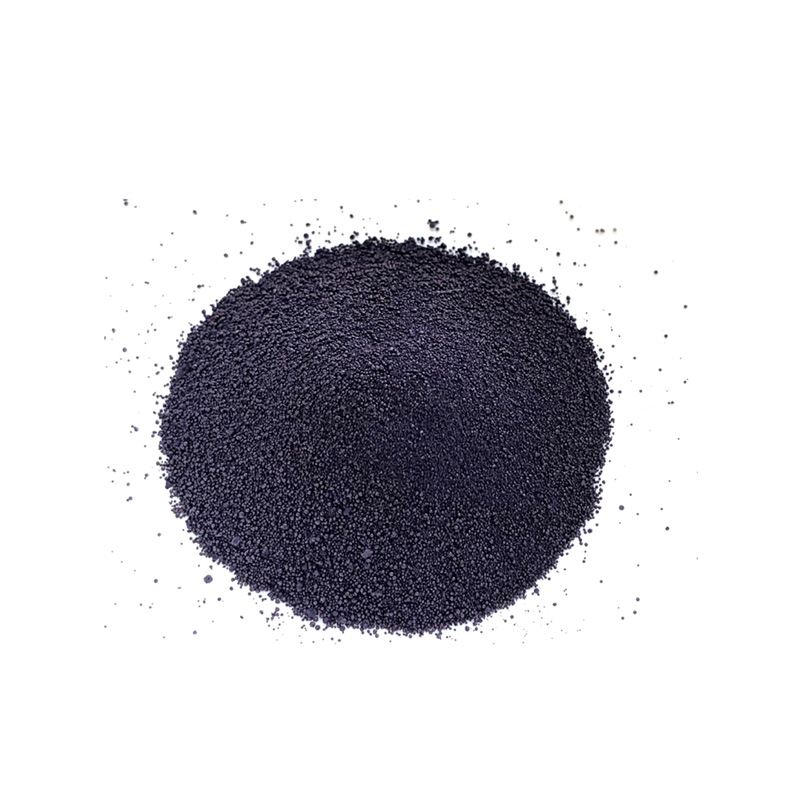
Indigo Blue Vat Blue
1.Name: indigo blue,vat blue 1,
2.Structure formula:
3.Molecule formula: C16H10N2O2
4.. CAS No.: 482-89-3
5.Molecule weight: 262.62
6.HS code: 3204151000
7.Major usage and instruction: Be mainly used to dye cotton fabrics.