

High Quality Raw Indigo Color: The Essential Guide for Sustainable Dyeing & Textile Innovation
Why High Quality Raw Indigo Color Still Matters in Today’s World
You might think indigo is just that deep, beautiful blue on your old jeans. But high quality raw indigo color is a far richer topic, cutting across centuries of tradition, modern industrial usage, and even sustainable fashion. Globally, understanding this pigment’s nuances matters because indigo—a natural dye originally derived from Indigofera plants—remains a vital commodity in textiles, art, and innovation. The benefits? Well, from durability to eco-friendliness, appreciating high quality raw indigo helps industries reduce chemical impacts, improve product longevity, and preserve an ancient craft that’s surprisingly relevant in the 21st century.
Globally, indigo dye production involves millions of workers and touches countless products—from clothing to home décor. According to the International Trade Centre and UNCTAD, textile raw materials and dyes generate billions of dollars in trade annually, with rising demand for natural dyes like indigo reflecting customers’ growing environmental awareness. But how to guarantee the “high quality raw indigo color” that manufacturers need? Let’s unpack it.
Understanding What "High Quality Raw Indigo Color" Really Means
Simply put, high quality raw indigo color refers to the pure, unprocessed indigo material before it’s mixed or applied. This raw form acts like the building block for consistent vibrant blue shades in fabrics and paints. Unlike synthetic indigo, raw indigo is often prized for its richer texture, stronger binding to natural fibers, and a lower environmental footprint. It’s a staple in industries emphasizing sustainability and authentic coloring processes.
In humanitarian or industrial contexts, this pigment’s stability and natural origin make it a preferred choice when durability and safety are essential. Think protective clothing or traditional crafts sold globally—it’s this “raw” standard that guarantees a baseline of quality, colorfastness, and traceability.
Mini takeaway:
- Raw indigo color is the core ingredient for many indigo-dyed products worldwide.
- Quality here means purity, consistency, and suitability for eco-conscious markets.
Core Factors That Define High Quality Raw Indigo Color
1. Purity and Source Authenticity
The first thing many experts look at is the purity level—meaning is it from a genuine plant source or blended with lower-grade chemicals? The highest quality raw indigo usually comes from carefully harvested plants, often grown in sustainable farms in India, Bangladesh, or certain parts of Africa. Purity affects the hue and how well it interacts with cloth or other materials.
2. Colorfastness & Hue Consistency
How long will that color last on a cotton shirt baked under sun and detergent? This is where quality matters a lot. True indigo dye fades beautifully but resists washing out too fast. Inconsistent raw indigo pigments lead to patchy or dull blues, frustrating manufacturers trying to create consistent products batch after batch.
3. Environmental Impact & Sustainability
Oddly enough, high quality raw indigo color often goes hand in hand with greener production processes. When sourced responsibly, the farming and extraction use fewer hazardous chemicals compared to synthetic alternatives. This appeals to brands chasing sustainability goals and customers wanting “clean” fashion.
4. Cost Efficiency and Availability
While natural indigo tends to be pricier than synthetic versions, purchasing stable, high quality raw indigo avoids costly reworks or rejects. It also supports fair trade and local communities, which is increasingly a deciding factor in supply chains worldwide.
5. Compatibility with Modern Dyeing Techniques
Interestingly, raw indigo suppliers now innovate to make their pigment usable in automated dye houses or with blends that reduce water consumption—two huge trends in modern textile manufacturing.
Mini takeaway:
- Purity and source authenticity determine true high quality raw indigo.
- Colorfastness, environmental sustainability, and compatibility with industry needs round out the profile.
Where & How High Quality Raw Indigo Color Is Applied Globally
High quality raw indigo color finds its way into a range of sectors:
- Fashion & Textiles: From artisans in Gujarat, India, creating handwoven sarees, to large denim factories in Turkey or Mexico, indigo dyeing is alive and well.
- Home Goods: Think dyed cushions, rugs, and tapestries sold by fair trade cooperatives in Africa and Asia.
- Industrial & Protective Fabrics: Some specialized uniforms incorporate indigo dyes for UV protection and dye longevity.
- Art & Conservation: Museums and artists seek premium raw indigo for restoring traditional artworks or producing pigments that last centuries.
For example, after the 2015 Nepal earthquake, some NGOs partnered with local craftspeople to revive indigo dyeing, creating sustainable livelihoods while meeting clothing needs in remote areas. It’s not just fashion—it’s a social and economic lifeline.
Mini takeaway:
- Used globally in fashion, home textiles, and even industrial textiles.
- Applications often have social and environmental dimensions.
Advantages and Long-Term Value of High Quality Raw Indigo Color
When you opt for the best raw indigo, the payoff is more than just a nicer blue. Here’s what many manufacturers and designers appreciate:
- Durability & Aesthetic Appeal: Products dyed with high quality raw indigo age wonderfully, offering that rich “patina” look.
- Sustainability: With fewer harmful chemicals used and often organically farmed crops, the environmental footprint is lowered.
- Social Impact: Supporting raw indigo production often means supporting local economies in developing regions.
- Consumer Trust & Brand Differentiation: Brands can market these natural dyes as part of an authentic, ethical story—resonating with today’s savvy consumers.
All in all, high quality raw indigo dyeing isn't just old-world tradition — it’s a long-term business and ecological strategy.
Product Specification Table: Typical High Quality Raw Indigo Color Features
| Feature | Typical Range / Value | Notes |
|---|---|---|
| Indigo Content (pure) | 15–25% | Higher purity = deeper blue |
| Moisture Content | ≤ 8% | Lower moisture helps shelf life |
| Particle Size | 40–60 μm | Affects dissolution and color release |
| pH Stability | 6.5–7.5 | Ensures chemical stability |
| Packaging | 25 kg kraft bags or bulk totes | Protects from moisture |
How Different Vendors Stack Up: A Comparison
| Vendor | Quality Grade | Sustainability Certification | Typical Price (per kg) | Special Features |
|---|---|---|---|---|
| IndigoPure Co. (India) | Premium | GOTS, Fair Trade | $25–$30 | Hand-harvested, organic growth |
| BlueRoots (Bangladesh) | Standard | ISO14001 | $18–$22 | Bulk supply with moderate eco focus |
| EcoColor Naturals (Africa) | Premium | Fair Trade, Organic | $24–$28 | Supports cooperatives and sustainability programs |
What’s Next? Future Trends in Raw Indigo Color Production and Use
The future’s looking bright—or rather, a deep blue. Innovations are steering the industry toward even cleaner, more efficient extraction methods and novel applications. For example, biotech companies are experimenting with microbial fermentation to produce indigo pigment with next to zero environmental waste.
Additionally, digital textile printing techniques now incorporate indigo variants to create faded denim patterns without water-heavy dye baths, saving millions of liters annually. This messes brilliantly with “raw” indigo’s traditional reputation, proving innovation and heritage can coexist.
The rise in eco-conscious consumerism is also pushing brands to adopt traceable supply chains for high quality raw indigo color—leveraging blockchain and certification systems—something many experts say will be a game-changer over the next decade.
Addressing Challenges & Practical Solutions
Despite its strengths, raw indigo dyeing isn’t without hurdles:
- Variability: Natural dyes can vary batch to batch, complicating consistency.
- Price Volatility: Weather and crop yield fluctuations affect availability and cost.
- Process Complexity: Extracting and applying raw indigo requires expertise.
Many manufacturers now collaborate closely with suppliers for quality control, invest in training artisans, and explore synthetic-natural blends as a compromise. Also, advances in testing technology and standardized grading ease these worries significantly.
Frequently Asked Questions About High Quality Raw Indigo Color
- Q1: How can I verify if raw indigo color is truly “high quality”?
- Look for certification labels (like GOTS or Fair Trade), check purity tests, and request sample batches. A reputable vendor should be transparent about sourcing and chemical content.
- Q2: Is high quality raw indigo color more environmentally friendly than synthetic indigo?
- Generally yes, as it uses plant-based material and less harsh chemicals. Though extraction can vary, natural indigo’s carbon footprint usually beats synthetic options, especially when farmed sustainably.
- Q3: Can raw indigo color be used in automated textile factories?
- Increasingly so. Suppliers are adjusting particle sizes and formulations to work with modern machinery, reducing waste and improving color consistency.
- Q4: What industries beyond fashion use indigo dye?
- Home décor, art restoration, and even some industrial protective fabrics incorporate indigo for its durability and unique properties.
- Q5: How does climate affect the production of raw indigo color?
- Since it’s plant-based, droughts or flooding impact crop yields, causing price and quality fluctuations. This is why diversified sourcing is critical for stable supply.
Wrapping Up: Why High Quality Raw Indigo Color Is Worth Your Attention
There’s something almost poetic about this ancient pigment still dictating trends and standards today. Beyond the deep blues that grace our clothes and homes lies a story of sustainable agriculture, fair economic opportunity, and innovative industrial practice. For manufacturers and brands aiming to blend authenticity with eco-smart choices, investing in high quality raw indigo color is more than a simple purchase—it’s a statement.
So, if your business or craft seeks vibrant, reliable, and socially responsible dye, exploring high quality raw indigo color is a journey worth considering. Visit us at https://www.wuxin-group.com and discover how this timeless pigment fits into your future.
Final thoughts:
Indigo may be ancient, but “high quality” is a modern demand. The harmonious blend of tradition, technology, and sustainability embodied in raw indigo color offers a fascinating snapshot of how old materials thrive in new markets. Plus, it just looks good—doesn’t it?
References:
-
Mastering the Art of China Japanese Indigo Dyeing Traditions
NewsApr.16,2026
-
Exploring the Elegance of China Deep Indigo Color in Textiles
NewsApr.09,2026
-
Discover High Quality China Jeans Blue Indigo for Global Markets
NewsApr.07,2026
-
Exploring the Rich Tradition of China Natural Indigo Dyed Fabric
NewsApr.04,2026
-
Exploring China Indigo Color in Nature History and Modern Applications
NewsMar.31,2026
-
Discover High Quality China Pure Indigo Powder for Vibrant Natural Dyeing
NewsMar.28,2026
-
Exploring the Rich History of China True Blue Indigo Textiles
NewsMar.26,2026
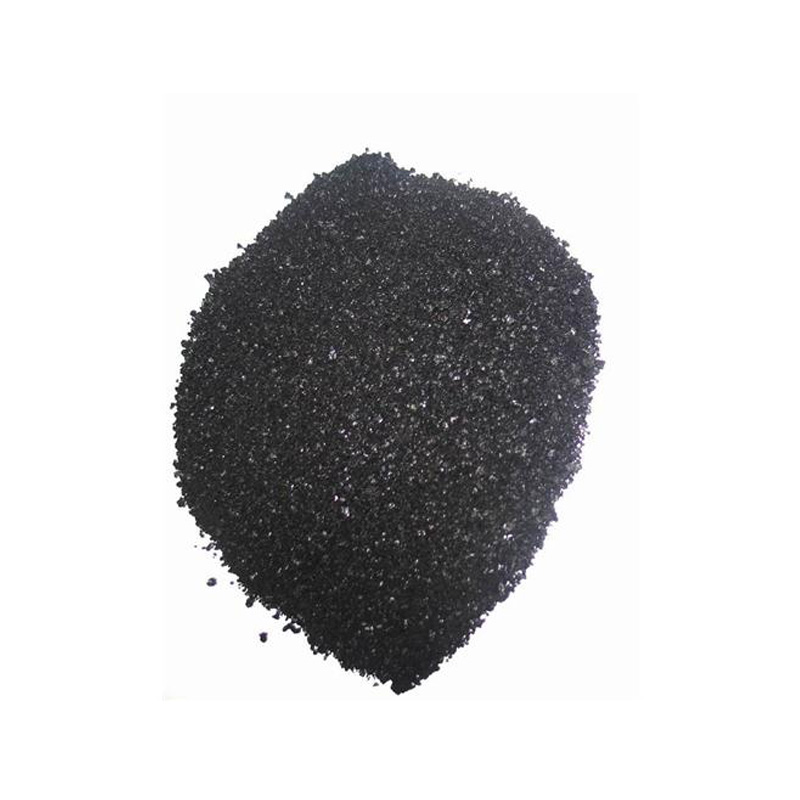
Sulphur Black
1.Name: sulphur black; Sulfur Black; Sulphur Black 1;
2.Structure formula:
3.Molecule formula: C6H4N2O5
4.CAS No.: 1326-82-5
5.HS code: 32041911
6.Product specification:Appearance:black phosphorus flakes; black liquid
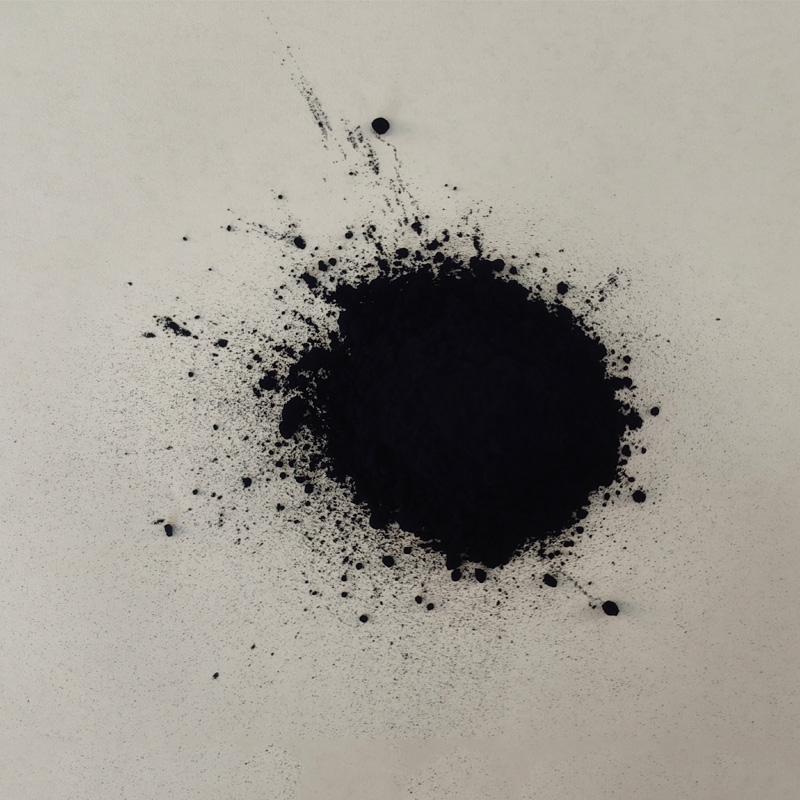
Bromo Indigo; Vat Bromo-Indigo; C.I.Vat Blue 5
1.Name: Bromo indigo; Vat bromo-indigo; C.I.Vat blue 5;
2.Structure formula:
3.Molecule formula: C16H6Br4N2O2
4.CAS No.: 2475-31-2
5.HS code: 3204151000 6.Major usage and instruction: Be mainly used to dye cotton fabrics.
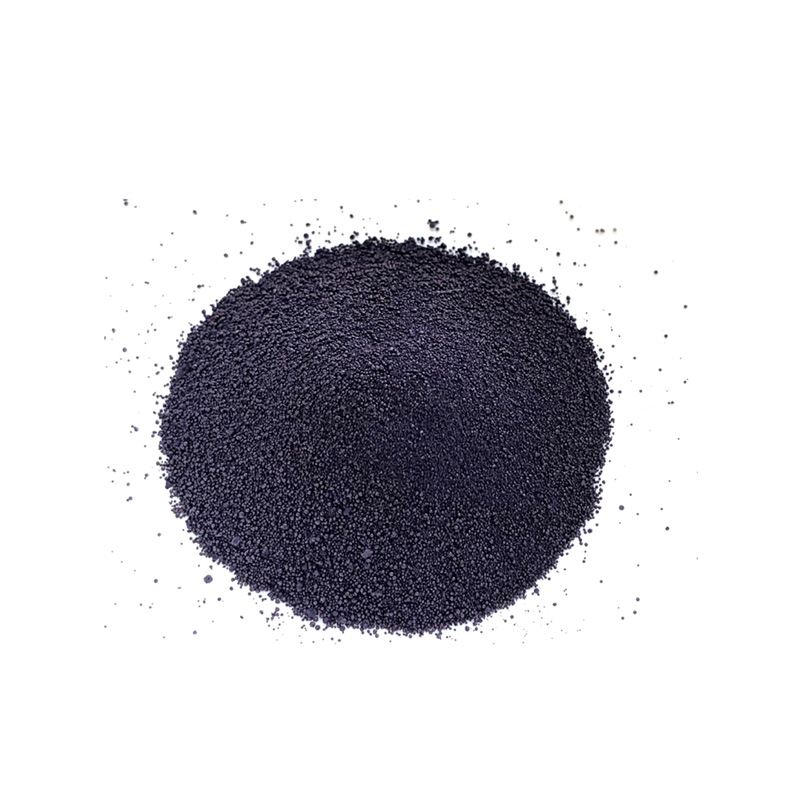
Indigo Blue Vat Blue
1.Name: indigo blue,vat blue 1,
2.Structure formula:
3.Molecule formula: C16H10N2O2
4.. CAS No.: 482-89-3
5.Molecule weight: 262.62
6.HS code: 3204151000
7.Major usage and instruction: Be mainly used to dye cotton fabrics.