

High Quality Sulfur Free Black Powder – Cleaner, Safer Industrial Powders
Understanding High Quality Sulfur Free Black Powder: Why It Matters Globally
If you’ve ever pondered the science behind black powders used in various industries, you might have run into something called “high quality sulfur free black powder.” Sounds like a niche term, I know. But beyond the jargon, this material plays a surprisingly important role worldwide—from environmental efforts to smart manufacturing. The global push towards cleaner, more reliable substances has made sulfur content reduction not only a matter of regulatory concern but also a key driver for innovation.
In essence, sulfur free black powder is a step forward in balancing performance and sustainability. Its adoption could improve safety, reduce pollution, and meet the rising demand for greener industrial inputs. This article digs into what it really means, why it’s becoming indispensable, and how industries are harnessing its potential today.
Global Context: The Need for Sulfur Free Solutions in Industry
Worldwide, sulfur compounds remain a leading cause of industrial air pollution and corrosive wear in machinery. According to the United Nations Environment Program, controlling sulfur emissions is critical to mitigate acid rain and respiratory illnesses. The ISO recently published standards focusing on minimizing sulfur in powders used across sectors, pushing manufacturers toward “cleaner” materials.
Yet, ensuring performance doesn’t suffer while minimizing sulfur is tricky and has slowed widespread adoption. For many industries, like propellants, pigments, and pyrotechnics, the presence of sulfur dictates not only the product’s properties but also the environmental footprint. With increasing government regulations and consumer preferences shifting towards sustainability, high quality sulfur free black powder is driving change worldwide.
Defining High Quality Sulfur Free Black Powder
Let’s keep this simple. Black powder is traditionally a mixture used in explosives, propellants, and other applications, containing charcoal, potassium nitrate, and sulfur. The “high quality sulfur free” version removes sulfur to reduce harmful emissions and corrosion problems.
What this means practically is that the powder maintains performance—like burn rate and stability—without sulfur’s downsides. It fits well in industries where safety, environmental impact, and equipment longevity are critical. Think aerospace, defense, and even industrial manufacturing.
Main Components and Characteristics
- Potassium nitrate: The oxidizer, essential for combustion.
- Charcoal: The fuel, enabling energy release.
- Absence of sulfur: Minimizes toxic gases and corrosive byproducts.
Core Aspects of High Quality Sulfur Free Black Powder
Performance Consistency
One of the biggest challenges has been ensuring the burn rate matches traditional powders. Many engineers I've talked to stress how critical this is for reliable ignition in sensitive applications. Modern processing techniques help create uniformly fine particles that burn predictably.
Reduced Corrosiveness
Sulfur notoriously causes corrosive residues that damage equipment over time. Removing sulfur extends the lifespan of firing chambers, pipes, and other machinery parts. For companies, that means less downtime and maintenance costs.
Environmental Benefits
Eliminating sulfur drastically cuts emissions of sulfur oxides—key contributors to acid rain. Regulatory agencies increasingly require this for compliance, so sulfur free powders support both corporate responsibility and legal adherence.
Safety Improvements
Sulfur compounds can increase sensitivity to friction and shock—removing sulfur lowers accidental ignition risks practically across the board.
Cost Factors
Oddly, despite being a cleaner tech, sulfur free powders can actually be more cost-effective over time due to reduced equipment wear and lower environmental fines.
Typical Applications Across the Globe
It’s not just a theoretical upgrade. Here’s where sulfur free black powder is changing things, region by region:
- Defense Sectors in North America & Europe: Safer and cleaner propellant alternatives.
- Mining Operations in Australia: Less equipment corrosion in blasting processes.
- Fireworks Industry in Asia: Reduced toxic emissions during shows.
- Post-Disaster Infrastructure Repairs: Durable, less polluting demolition agents.
For example, in recent post-disaster recovery zones, switching to sulfur free powder has reduced health hazards for workers while maintaining demolition efficiency. Remote industrial areas particularly appreciate the longer equipment life.
Advantages and Lasting Value
It feels like ‘going sulfur free’ is a no-brainer once you see the benefits.
- Cost savings: Less corrosion translates into fewer mechanical failures and repair bills.
- Environmental compliance: Future-proofs operations against tightening emission standards.
- Safety enhancements: Lower sensitivity reduces accidents.
- Public trust: Companies adopting greener tech often gain better community support.
- Innovation potential: Opens doors to novel applications and improved product lines.
Technology Trends and Future Outlook
Looking ahead, research teams are exploring hybrid powders incorporating nano-materials, which might further boost performance without environmental trade-offs. There’s also a surge of interest in integrating smart sensors in manufacturing lines to constantly test quality during production.
Another innovation? 3D printing of sulfur free powder composites tailored for ultra-specific burn rates. Sustainability leaders are advocating policy incentives to speed adoption, as cleaner powders align well with global decarbonization goals in chemical manufacturing.
Challenges and How Industry is Solving Them
Not everything’s smooth, though. One ongoing challenge is aligning sulfur free powder’s combustion characteristics perfectly with legacy systems built around sulfur-containing formulations. It takes extensive requalification and training.
Then, supply chain issues for ultra-purified components can cause price volatility. Smart blending strategies and partnerships with specialized chemical producers help. Some manufacturers also invest heavily in R&D to fine-tune formulations that suit diverse climates and altitudes—because after all, sulfur free doesn’t mean one-size-fits-all.
Product Specification Table
| Specification | Typical Value | Units |
|---|---|---|
| Sulfur Content | % by weight | |
| Potassium Nitrate | 75 | % by weight |
| Charcoal Content | 25 | % by weight |
| Ignition Temperature | 280 | °C |
| Burn Rate | 3-5 | mm/s (typical) |
| Shelf Life | 5 | Years (sealed) |
Comparing Leading Vendors of Sulfur Free Black Powder
| Vendor | Quality Certification | Global Delivery | Technical Support | Special Features |
|---|---|---|---|---|
| Wuxin Group | ISO 9001, ISO 14001 | Yes | 24/7 Engineer Support | Customized blends, rapid prototyping |
| Elemental Powders Inc. | ISO 9001 | Selective | Business hours | Large volume discounts |
| PureChem Solutions | ISO 13485 | Global | Consulting available | Eco-friendly packaging |
Common Questions About High Quality Sulfur Free Black Powder
1. Why choose sulfur free black powder over traditional formulations?
Sulfur free powders reduce harmful sulfur oxide emissions and minimize corrosive residues that damage equipment. This improves environmental compliance and lowers maintenance costs while maintaining ignition reliability.
2. How long does sulfur free black powder last in storage?
When sealed correctly, sulfur free black powder typically maintains stability for about five years, similar to traditional powders. Proper storage away from moisture and heat is essential to prolong shelf life.
3. Can sulfur free black powder be used as a direct replacement in existing machinery?
Generally, yes, but equipment may need revalidation to ensure performance matches expectations. Some legacy systems optimized for sulfur-containing powders might require adjustment in handling or dosing.
4. Is it more expensive to buy sulfur free powder?
Upfront costs may be slightly higher due to purification processes, but overall savings come from fewer environmental fines, reduced equipment wear, and better safety. Many users find it cost-effective in the long run.
Wrapping Up: Why High Quality Sulfur Free Black Powder Is Worth Considering
To sum it up, the shift toward high quality sulfur free black powder represents a smarter, greener, and safer approach to industrial powders. It helps companies meet tough environmental regulations, keep their machines running longer, and protect workers and communities.
If you want to explore reliable suppliers or dive deeper into sulfur free powder blends, don’t miss checking out high quality sulfur free black powder producers like Wuxin Group — champions in combining tradition with innovation.
In our changing world, adopting cleaner materials feels less like a choice and more like a responsibility — one that’s already paying dividends.
References
-
Mastering the Art of China Japanese Indigo Dyeing Traditions
NewsApr.16,2026
-
Exploring the Elegance of China Deep Indigo Color in Textiles
NewsApr.09,2026
-
Discover High Quality China Jeans Blue Indigo for Global Markets
NewsApr.07,2026
-
Exploring the Rich Tradition of China Natural Indigo Dyed Fabric
NewsApr.04,2026
-
Exploring China Indigo Color in Nature History and Modern Applications
NewsMar.31,2026
-
Discover High Quality China Pure Indigo Powder for Vibrant Natural Dyeing
NewsMar.28,2026
-
Exploring the Rich History of China True Blue Indigo Textiles
NewsMar.26,2026
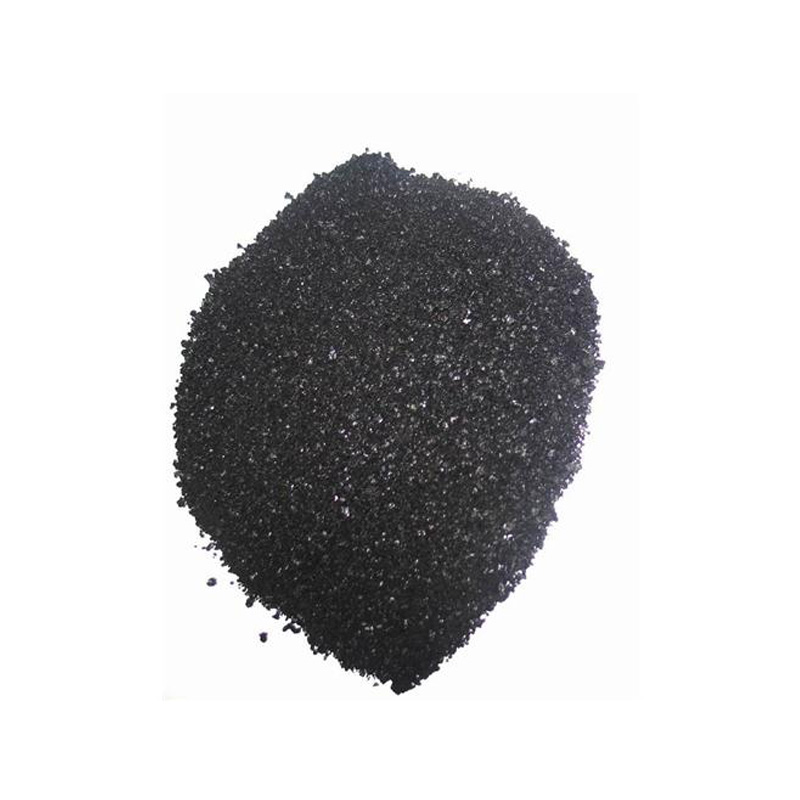
Sulphur Black
1.Name: sulphur black; Sulfur Black; Sulphur Black 1;
2.Structure formula:
3.Molecule formula: C6H4N2O5
4.CAS No.: 1326-82-5
5.HS code: 32041911
6.Product specification:Appearance:black phosphorus flakes; black liquid
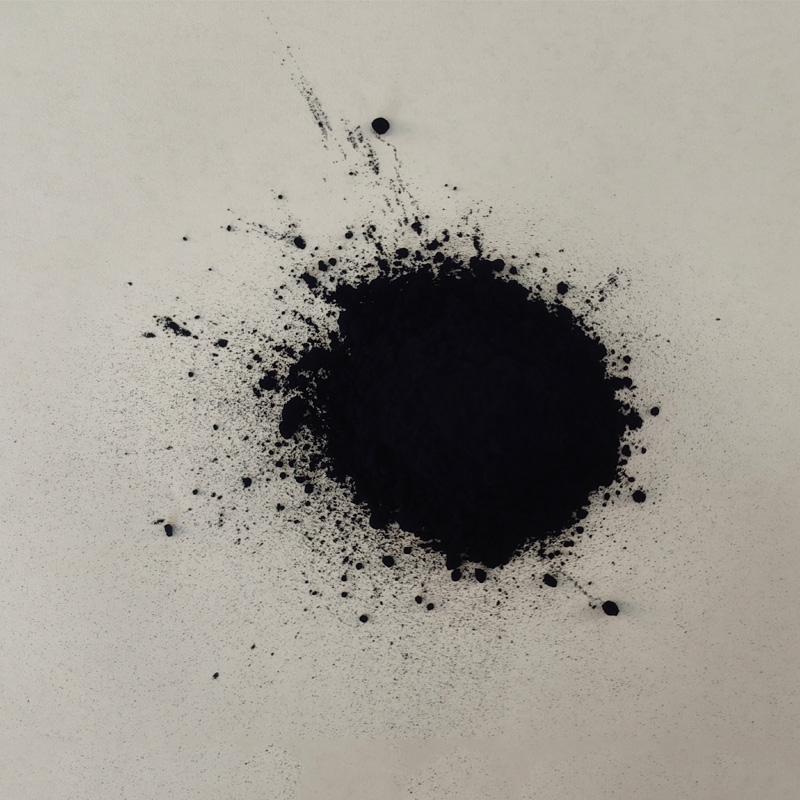
Bromo Indigo; Vat Bromo-Indigo; C.I.Vat Blue 5
1.Name: Bromo indigo; Vat bromo-indigo; C.I.Vat blue 5;
2.Structure formula:
3.Molecule formula: C16H6Br4N2O2
4.CAS No.: 2475-31-2
5.HS code: 3204151000 6.Major usage and instruction: Be mainly used to dye cotton fabrics.
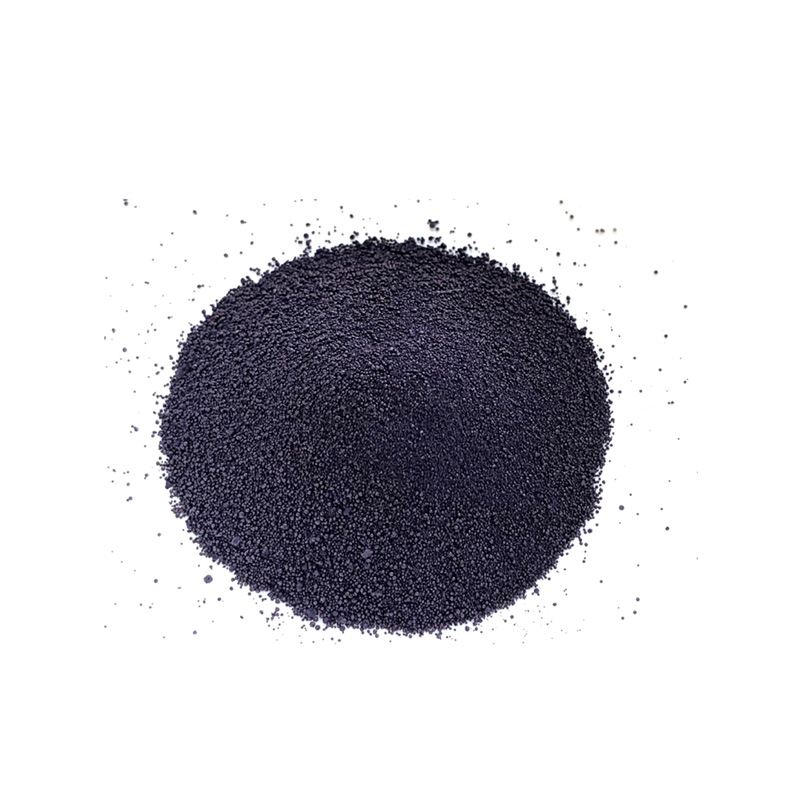
Indigo Blue Vat Blue
1.Name: indigo blue,vat blue 1,
2.Structure formula:
3.Molecule formula: C16H10N2O2
4.. CAS No.: 482-89-3
5.Molecule weight: 262.62
6.HS code: 3204151000
7.Major usage and instruction: Be mainly used to dye cotton fabrics.