

High Quality Indigo Tie and Dye: Tradition Meets Modern Sustainability
Why High Quality Indigo Tie and Dye Matters in Today’s Textile World
In an age when fast fashion and mass production sometimes trump craftsmanship, the art and science behind high quality indigo tie and dye remains intriguingly relevant. But it’s more than just a neat dyeing technique popularized centuries ago. Globally, this method addresses key issues in sustainable fashion, cultural preservation, and textile innovation. Understanding its process can help producers and consumers alike appreciate the value of combining heritage with modern quality standards.
Plus, with the fashion industry accounting for roughly 10% of global carbon emissions (UN Environment Programme, 2018), methods like indigo tie and dye that promote durable, environmentally friendly textiles kick in as practical solutions — not just pretty designs.
Global Snapshot: Scale and Significance of Indigo Tie and Dye
Indigo tie and dye, especially when executed to high standards, stretches far beyond artisanal shops in Asia and Africa. Consider this: the global natural dyes market, which includes indigo, is expected to reach over $4 billion by 2026 (MarketsandMarkets, 2022). This reveals serious commercial traction. Why? Because large brands are seeking products that are authentic yet scalable, classic but also meeting rigorous ISO quality benchmarks.
Yet despite booming demand, challenges like inconsistent dye quality, ecological concerns from synthetic indigo, and maintaining artisan skills persist. The industry has to juggle tradition and innovation — a balancing act that’s not for the faint-hearted. Many manufacturers now ask: how do we deliver high quality indigo tie and dye at scale, sustainably?
What Exactly Is High Quality Indigo Tie and Dye?
Simply put, indigo tie and dye is a resist dyeing technique where sections of fabric are tied or bound to resist the dye, creating intricate patterns. When done with high quality standards, it means using premium indigo dye—with deep purity and colorfastness—and meticulous craftsmanship to ensure even dye penetration and vibrant, lasting patterns.
Unlike hastily made counterparts, high quality indigo tie and dye respects fabric integrity, uses eco-friendly processes, and adheres to standards that measure colorfastness, abrasion resistance, and minimize environmental impact. It’s equal parts art and chemistry, a fusion that, oddly enough, aligns perfectly with modern textile needs for sustainability and durability.
Core Components of High Quality Indigo Tie and Dye
1. Exceptional Indigo Dye Quality
The dye itself is the heart of the process — not all indigos are created equal. High quality indigo must have a deep, stable molecular structure to prevent fading. Many suppliers now source indigenous, organic indigo from certified farms, reducing chemical residues.
2. Precision in Binding and Pattern Creation
Crisp patterns come from expert binding techniques. Vendors train artisans who know exactly how tight bindings affect dye penetration, ensuring motifs are sharp, not blurry — an often overlooked detail.
3. Fabric Selection & Preparation
Cotton remains the go-to base, but high quality tie and dye fabrics are pre-washed and treated for better absorption. Some innovators experiment with blends, adding strength or sheen without compromising the dye process.
4. Environmental and Safety Standards
The dye bath’s preparation respects limits on water use and waste. ISO 14001 certifications for environmental management are increasingly common among producers to keep this eco-friendly.
5. Durability & Colorfastness Testing
Beyond aesthetic, high quality pieces undergo rub tests, UV exposure, and laundering cycles in labs, confirming they stand up to real-world use — a point many engineers emphasize in quality forums.
Mini Takeaway: High quality indigo tie and dye is a careful dance of natural materials, skilled craftsmanship, and environmental responsibility—one that speaks to a craft meeting modern demands.
Global Applications & Real-World Use Cases
This isn’t just about making pretty scarves anymore. High quality indigo tie and dye finds uses across various sectors:
- Fashion: High-end brands incorporate these textiles into limited collections, valuing authenticity and sustainability.
- Home Textiles: Cushion covers, curtains, and upholstery featuring rich indigo patterns stand out in eco-conscious interiors.
- Cultural Preservation: Artisan communities in Japan, India, and Nigeria use tie and dye to sustain heritage arts, often with NGO support.
- Industrial Design: Some tech firms experiment with indigo-dyed fabrics for wearable tech, appreciating indigo’s UV protection qualities.
For example, post-disaster relief initiatives have occasionally embraced indigo-dyed fabrics to produce durable, locally made clothing – boosting economies and preserving traditions simultaneously.
Advantages and Long-Term Value of Choosing High Quality Indigo Tie and Dye
There’s a genuine feeling that products embodying careful dyeing aren’t just garments — they're storytellers, eco-solutions, and long-haul investments.
Cost-Efficiency: Despite seemingly higher upfront costs, durability ensures prolonged garment life and fewer replacements — a win in real terms.
Sustainability: Using natural dyes means less water pollution, fewer harmful chemicals, and a smaller footprint.
Social Impact: Supporting artisan-based production often means empowering marginalized communities, giving income stability and pride.
Reliability & Aesthetics: The unmistakable deep blues of indigo last longer, fade gracefully, and maintain their charm, unlike synthetic dyes that may quickly degrade.
Looking Forward: Trends and Innovations in Indigo Tie and Dye
Currently, the industry rides wavelets of modernization:
- Automation: Robotics assist some repetitive tying steps, making large batches feasible without sacrificing quality.
- Eco-Advancements: Biodegradable binders and waterless dye techniques reduce resource consumption.
- Digital Patterning: Combining digital design with traditional processes allows for new hybrid aesthetics.
- Certification Growth: Labels ensuring ethical and environmental compliance become vital for global buyers.
Eventually, one might imagine indigo tie and dye garments embedded with smart fibers, marrying old and new in unexpected, disruptive ways...
Challenges on the Path and How to Overcome Them
Of course, high quality indigo tie and dye isn’t without hurdles:
- Consistency: Natural dyes vary seasonally — making batch-to-batch uniformity tough but not impossible.
- Labor Intensity: The technique demands skill and patience, limiting mass scalability.
- Environmental Impact: While better than synthetic dyes, some water consumption and waste are unavoidable.
However, industry leaders address these with:
- Rigorous standard operating procedures and lab testing for color consistency.
- Training programs boosting artisan efficiency without cutting corners.
- Investment in cleaner dye vats and wastewater recycling.
Product Specification Table: Typical High Quality Indigo Tie and Dye Textile
| Specification | Details |
|---|---|
| Fabric Type | 100% Organic Cotton |
| Dye Type | Natural Indigo (Certified Organic) |
| Colorfastness Grade | ≥ 4 (ISO 105-C06) |
| Pattern Resolution | High definition intricate motifs |
| Water Usage | Under 50L per kg of fabric |
| Environmental Certification | ISO 14001, GOTS |
Vendor Comparison: Leading Producers of High Quality Indigo Tie and Dye
| Vendor | Location | Production Capacity (m/month) | Eco Certifications | Specialty |
|---|---|---|---|---|
| IndigoCraft Ltd. | Japan | 20,000 m | ISO 14001, GOTS | Premium artisan patterns |
| BlueWave Textiles | India | 50,000 m | GOTS, OEKO-TEX | Scalable eco-friendly production |
| Nile Indigo Co. | Egypt | 15,000 m | ISO 14001 | Traditional methods with modern QA |
FAQs About High Quality Indigo Tie and Dye
Q1: How does high quality indigo tie and dye differ from standard tie and dye?
A: High quality indigo tie and dye uses superior natural indigo dyes, certified fabrics, and precise binding techniques to ensure lasting color, minimal environmental impact, and refined patterns, whereas standard methods may use synthetic dyes and less control, resulting in faster fading and lower durability.
Q2: Can indigo tie and dye fabrics be used in industrial or tech applications?
A: Absolutely. Indigo-dyed fabrics are gaining traction in wearable tech due to their UV protection and antimicrobial properties, coupled with comfortable, natural fibers — ideal for specialized industrial garments or smart textiles.
Q3: What certifications should I look for when sourcing high quality indigo tie and dye?
A: Certifications such as ISO 14001 (environmental management), GOTS (Global Organic Textile Standard), and OEKO-TEX standard 100 ensure eco-friendly production, organic farming, and safety for human use — crucial to verify authenticity and quality.
Q4: Is the sustainable impact of natural indigo tie and dye really significant?
A: Yes, especially when compared to synthetic indigo that relies on petrochemicals and produces hazardous byproducts. Natural indigo reduces water pollution and chemical waste, although efficient water management remains key.
Q5: How can businesses scale production without losing high quality standards?
A: By integrating automation in tying methods, investing in thorough quality testing at multiple stages, and maintaining artisan training, producers balance artisanal quality with volume demands quite effectively.
In Conclusion: Why Invest in High Quality Indigo Tie and Dye?
Choosing high quality indigo tie and dye means embracing textile products that blend beauty, durability, and sustainability. It sustains tradition while meeting modern expectations for eco-consciousness and performance. Whether for fashion, interiors, or innovative tech textiles, these fabrics tell stories stitched deep with heritage and carefully crafted precision.
Interested in exploring high quality indigo tie and dye options for your next project? Visit our website for premium selections and tailored solutions to join this inspiring movement.
References:
-
Mastering the Art of China Japanese Indigo Dyeing Traditions
NewsApr.16,2026
-
Exploring the Elegance of China Deep Indigo Color in Textiles
NewsApr.09,2026
-
Discover High Quality China Jeans Blue Indigo for Global Markets
NewsApr.07,2026
-
Exploring the Rich Tradition of China Natural Indigo Dyed Fabric
NewsApr.04,2026
-
Exploring China Indigo Color in Nature History and Modern Applications
NewsMar.31,2026
-
Discover High Quality China Pure Indigo Powder for Vibrant Natural Dyeing
NewsMar.28,2026
-
Exploring the Rich History of China True Blue Indigo Textiles
NewsMar.26,2026
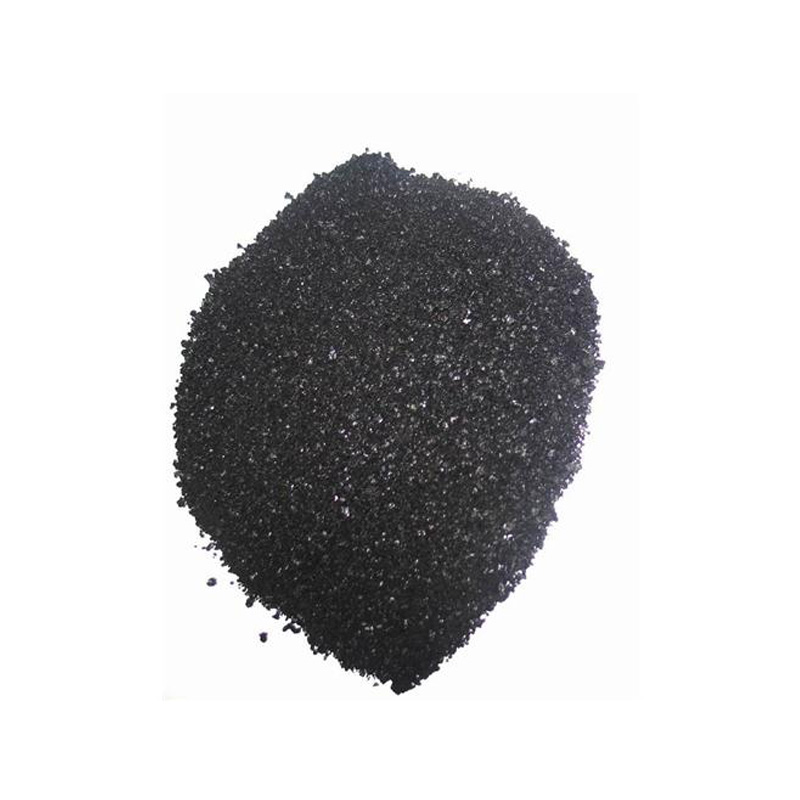
Sulphur Black
1.Name: sulphur black; Sulfur Black; Sulphur Black 1;
2.Structure formula:
3.Molecule formula: C6H4N2O5
4.CAS No.: 1326-82-5
5.HS code: 32041911
6.Product specification:Appearance:black phosphorus flakes; black liquid
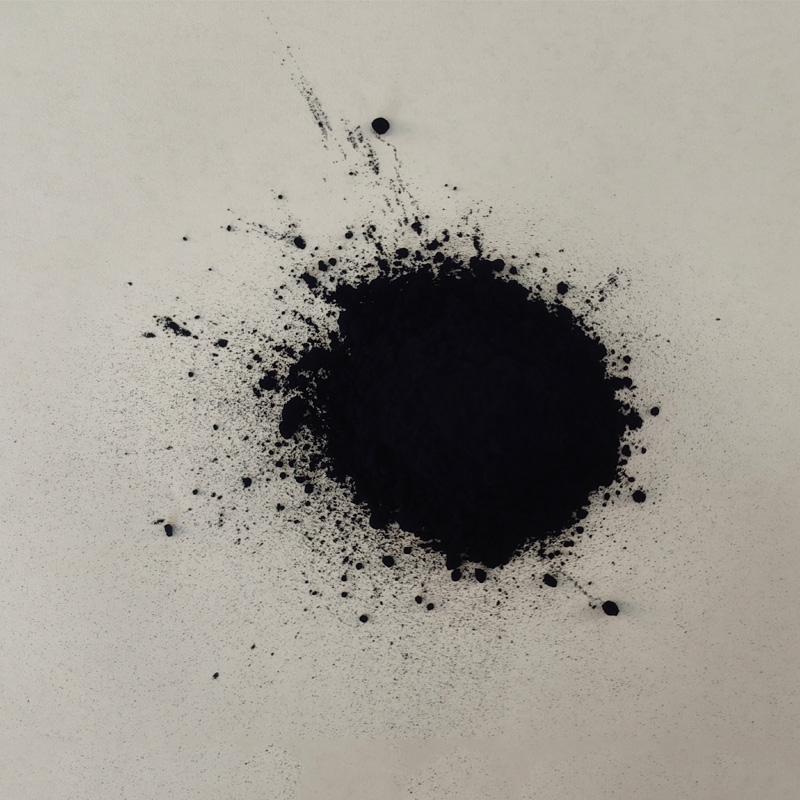
Bromo Indigo; Vat Bromo-Indigo; C.I.Vat Blue 5
1.Name: Bromo indigo; Vat bromo-indigo; C.I.Vat blue 5;
2.Structure formula:
3.Molecule formula: C16H6Br4N2O2
4.CAS No.: 2475-31-2
5.HS code: 3204151000 6.Major usage and instruction: Be mainly used to dye cotton fabrics.
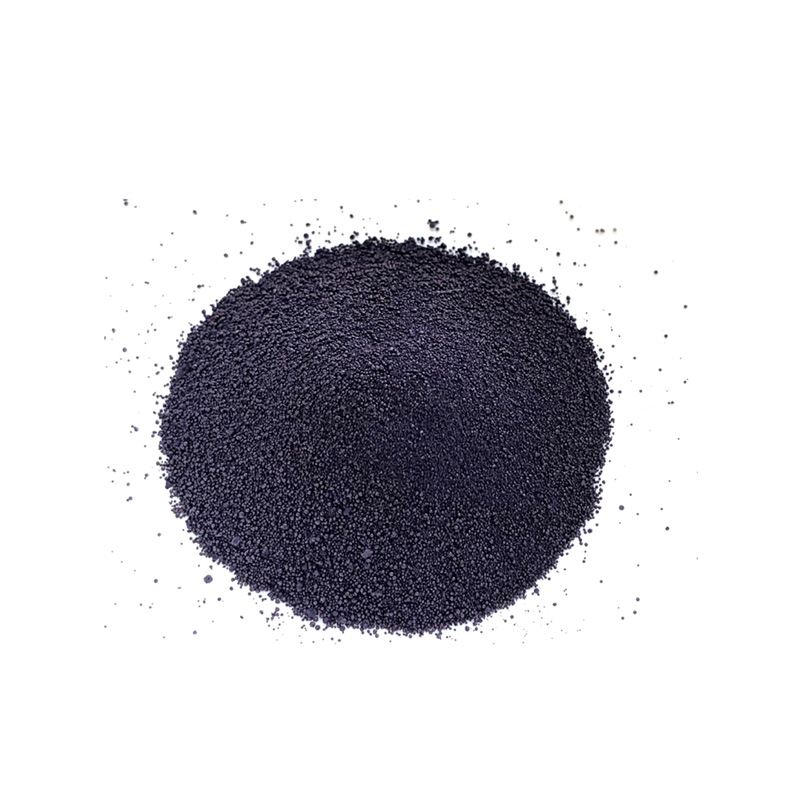
Indigo Blue Vat Blue
1.Name: indigo blue,vat blue 1,
2.Structure formula:
3.Molecule formula: C16H10N2O2
4.. CAS No.: 482-89-3
5.Molecule weight: 262.62
6.HS code: 3204151000
7.Major usage and instruction: Be mainly used to dye cotton fabrics.