

Indigo Black Powder – Industrial Uses, Advantages, and Global Trends
Understanding Indigo Black Powder: A Global Industrial Perspective
Indigo black powder might sound like something out of an old alchemist’s notebook, but today, it plays a surprisingly vital role in various industries worldwide. In brief, this dark pigment is valued for its rich color, unique chemical characteristics, and adaptability — all of which make it important in manufacturing, textiles, and even humanitarian uses. Understanding indigo black powder is more than just a technical dive; it offers insights into sustainable practices, innovation in dye technology, and global supply chains.
Why Indigo Black Powder Matters Globally
Globally, the pigment industry moves billions of dollars annually. According to data from the International Organization for Standardization (ISO), synthetic pigments, including indigo derivatives, are foundational to textile dyeing processes, automotive coatings, and printing inks. But more interestingly, indigo black powder addresses a couple of subtle, yet impactful challenges:
- Environmental concerns due to traditional dye wastes and pollutant runoff
- Demand for more durable and colorfast materials in developing industrial sectors
- Growing needs in regions relying on natural dyes combined with modern chemistry
Statistics from the United Nations Environment Programme (UNEP) show textile dyeing accounts for about 17-20% of industrial water pollution worldwide — so innovations using pigments like indigo black powder to reduce harmful waste can be a game-changer, especially in emerging economies.
Mini takeaway: Indigo black powder’s importance isn’t just color-deep — it’s tied into pressing environmental and industrial needs globally.
What Is Indigo Black Powder?
Simply put, indigo black powder is a finely ground pigment made by modifying indigo dye molecules, resulting in a deep, nearly black shade rather than the traditional deep blue. It’s a stable pigment often used in textile dyeing, paints, coatings, and sometimes in specialty inks. Its chemical formula and processing methods can vary, but the key is its superior colorfastness and fade resistance compared to some other pigments.
Modern industries prize it especially in areas where both the depth of color and durability matter. Plus, it’s connected to humanitarian uses where reliable, non-toxic pigments are critical — such as coloring in fabric supplies for disaster relief shelters or school uniforms with sustainable materials.
Key Aspects of Indigo Black Powder
1. Colorfastness
Indigo black powder offers remarkable resistance to fading, even under harsh sunlight and repeated washing cycles. This trait is essential in industrial garments and coated products subjected to outdoor use.
2. Environmental Impact
Compared to some synthetic dyes, indigo black powders can be manufactured with processes that reduce harmful effluents. This aligns with global efforts to minimize water pollution caused by dyeing processes.
3. Versatility in Application
From textiles to automotive paints and even 3D printing filaments, indigo black powder’s compatibility with different binders and substrates is a key selling point, giving manufacturers flexibility.
4. Cost Efficiency
Though it’s not the cheapest pigment on the market, indigo black powder often proves cost-effective due to lower application rates and less frequent replacement needed thanks to durability.
5. Safety & Toxicity
Unlike some older pigment formulations, modern indigo black powders typically have low toxicity profiles, which makes them safer for workers and end-users — and easier to handle in manufacturing plants.
Mini takeaway: Indigo black powder balances performance, cost, and sustainability, making it a reliable choice for many industries.
How Indigo Black Powder Is Used Around the World
Industrially, indigo black powder is prevalent in Asia’s massive textile hubs, like India and Bangladesh, where it dyes everything from denim to uniform fabrics. In Europe and North America, automotive and aerospace coatings often incorporate this pigment for its intensity and reliability. In humanitarian and NGO circles, it appears in initiatives aimed at sustainable products in refugee camps and post-disaster relief zones.
For example, in remote industrial zones in West Africa, manufacturers utilize indigo black powder in fabric dyeing machinery designed to minimize water consumption — a vital adaptation to scarce resources. Meanwhile, some NGOs use products colored with indigo black powder in educational supplies, ensuring vibrant materials that last for years without constant re-dyeing.
Indigo Black Powder Specification Table
| Specification | Details |
|---|---|
| Appearance | Fine, dark powder, near black |
| Chemical Basis | Modified indigo dye molecules |
| Particle Size | 1–5 microns (typical range) |
| Colorfastness Rating | High (ISO 105-B02 standard) |
| Solubility | Insoluble in water, dispersible in binders |
| Typical Usage Concentration | 1–5% of total formulation weight |
Comparing Suppliers of Indigo Black Powder
| Supplier | Pricing | Quality Certifications | Sustainability Practices | Global Reach |
|---|---|---|---|---|
| Wuxin Group | Competitive | ISO 9001, ISO 14001 | Eco-conscious manufacturing | Asia, Europe, Americas |
| IndigoChem Corp. | Mid-range | ISO 9001 | Limited reporting | North America, Europe |
| ColorMasters Ltd. | Premium | ISO 9001, REACH compliant | Green chemistry focus | Global |
Advantages and Lasting Value of Indigo Black Powder
Aside from its obvious appeal as a rich pigment, indigo black powder offers tangible benefits over alternatives. Manufacturers notice cost savings linked to less frequent re-dyeing or repainting. The sustainability angle matters too — especially as customers and regulators increasingly demand greener supply chains.
Socially, when fabrics colored with indigo black powder are used in community programs or education, they retain vibrancy and dignity, helping people feel a bit more “normal” in tough situations — an emotional angle that’s easy to overlook but important.
What’s Coming Next? Future Trends in Indigo Black Powder Use
Looking forward, the industry is experimenting with nano-level enhancements to the pigment, which could push fading resistance even further. Digital printing techniques are beginning to use indigo black powder-based inks for sharper image reproduction on textiles and plastics. And interestingly, sustainability isn’t just a buzzword; policy changes in textile-heavy countries are driving innovations in waste management tied to pigment usage.
Automated dosing systems combined with real-time quality controls are becoming standard, reducing waste and ensuring consistent coloration, even in complex manufacturing lines.
Challenges and Innovative Solutions
No solution is without hurdles. One common challenge with indigo black powder is its slightly limited solubility, which can complicate application if the binders or solvents aren’t properly chosen. Some manufacturers also grapple with batch-to-batch consistency or higher upfront costs. But suppliers like Wuxin Group have developed proprietary grinding and mixing techniques to address these issues, helping customers get a steadier, more reliable product.
Ongoing R&D focuses on blending synthetic and natural indigo sources to enhance pigment properties while keeping environmental impact low.
FAQ: Frequently Asked Questions About Indigo Black Powder
- What makes indigo black powder preferable over other black pigments in textiles?
- Indigo black powder offers superior colorfastness and durability, especially under repeated washing and sunlight exposure, making it ideal for textiles requiring lasting vibrancy.
- Is indigo black powder environmentally friendly compared to traditional synthetic dyes?
- While no pigment is without environmental footprint, many indigo black powders are manufactured with processes designed to reduce water pollution and toxic effluents significantly compared to older dyes.
- Can indigo black powder be used in non-textile applications?
- Absolutely. It’s widely used in automotive paints, coatings, inks, and even industrial plastics where a deep, stable black is needed.
- How do manufacturers import indigo black powder internationally without delays?
- Reliable suppliers maintain compliance with international shipping regulations and provide full documentation (e.g., SDS sheets). Partnerships with global logistics firms ease customs hurdles and ensure timely delivery.
- What are typical applications of indigo black powder in humanitarian projects?
- It’s often used to color durable fabrics for tents, uniforms, and educational materials that need to withstand harsh conditions without fading, supporting dignity and safety for displaced communities.
Conclusion
Indigo black powder sits at a fascinating crossroads of tradition and innovation. Its deep, enduring color and adaptable nature respond to real-world challenges, from environmental sustainability to industrial demands. With steady improvements in production and application techniques, it promises to remain a key pigment for years ahead. If you want to dive deeper or source quality indigo black powder for your projects, visit Wuxin Group — they’re leaders in this niche and bring both quality and sustainability to the table.
Mini takeaway: Indigo black powder is more than just color — it's a small but impactful piece in the puzzle of modern sustainable manufacturing.
References
-
Mastering the Art of China Japanese Indigo Dyeing Traditions
NewsApr.16,2026
-
Exploring the Elegance of China Deep Indigo Color in Textiles
NewsApr.09,2026
-
Discover High Quality China Jeans Blue Indigo for Global Markets
NewsApr.07,2026
-
Exploring the Rich Tradition of China Natural Indigo Dyed Fabric
NewsApr.04,2026
-
Exploring China Indigo Color in Nature History and Modern Applications
NewsMar.31,2026
-
Discover High Quality China Pure Indigo Powder for Vibrant Natural Dyeing
NewsMar.28,2026
-
Exploring the Rich History of China True Blue Indigo Textiles
NewsMar.26,2026
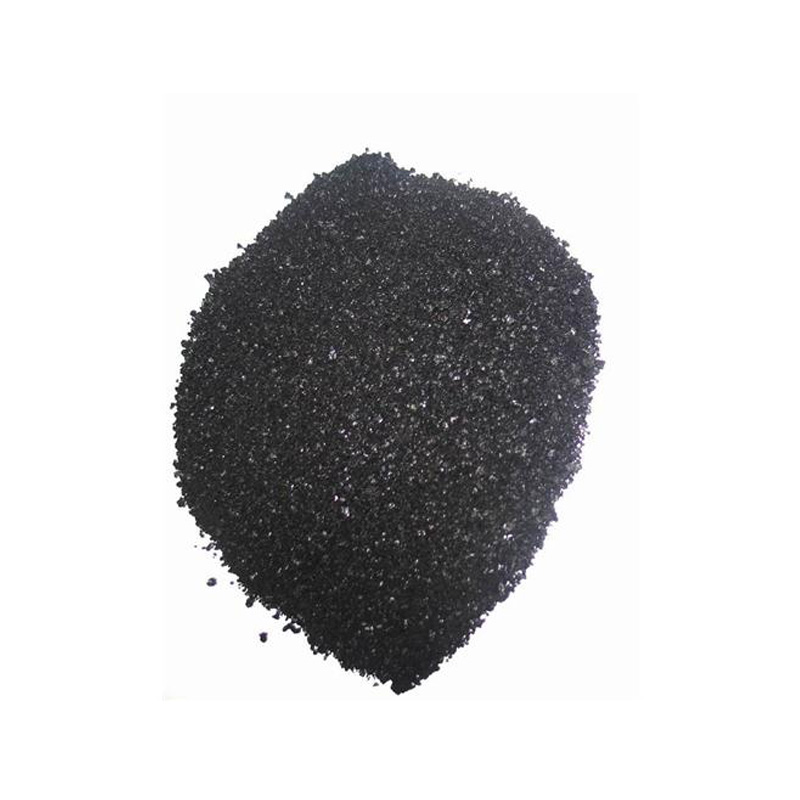
Sulphur Black
1.Name: sulphur black; Sulfur Black; Sulphur Black 1;
2.Structure formula:
3.Molecule formula: C6H4N2O5
4.CAS No.: 1326-82-5
5.HS code: 32041911
6.Product specification:Appearance:black phosphorus flakes; black liquid
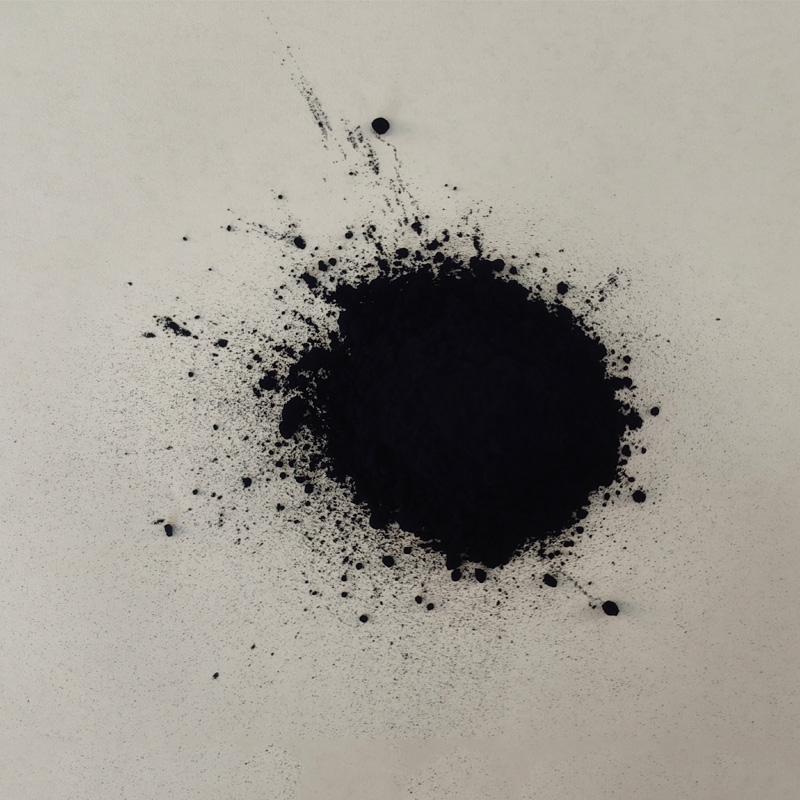
Bromo Indigo; Vat Bromo-Indigo; C.I.Vat Blue 5
1.Name: Bromo indigo; Vat bromo-indigo; C.I.Vat blue 5;
2.Structure formula:
3.Molecule formula: C16H6Br4N2O2
4.CAS No.: 2475-31-2
5.HS code: 3204151000 6.Major usage and instruction: Be mainly used to dye cotton fabrics.
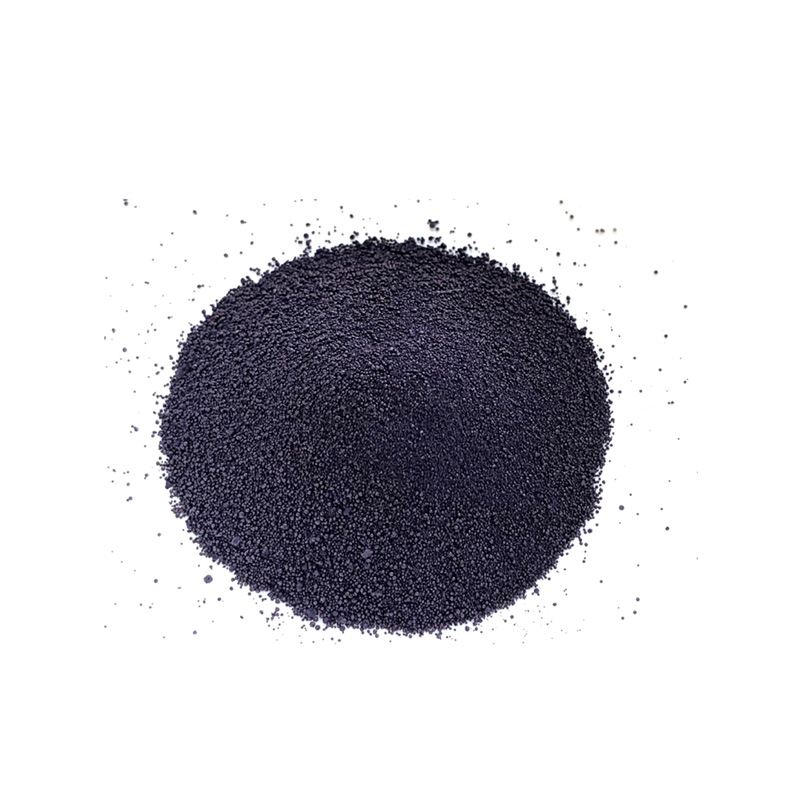
Indigo Blue Vat Blue
1.Name: indigo blue,vat blue 1,
2.Structure formula:
3.Molecule formula: C16H10N2O2
4.. CAS No.: 482-89-3
5.Molecule weight: 262.62
6.HS code: 3204151000
7.Major usage and instruction: Be mainly used to dye cotton fabrics.