

Understanding the Color of Indigo Powder: Its Importance, Uses, and Global Impact
The Fascinating World of the Color of Indigo Powder: More Than Meets the Eye
The color of indigo powder is more than just a deep, captivating shade of blue. It’s an ancient pigment with a truly global footprint, spanning textiles, art, cosmetics, and even sustainable technologies. Understanding this color isn’t just about appreciating the hue itself—it’s about grasping a cultural heritage, industrial importance, and environmental relevance that continue to shape economies and communities worldwide.
In fact, indigo’s rich history and modern uses show why this seemingly simple color plays a pivotal role in sectors ranging from fashion to agriculture. So why should you care about the color of indigo powder? Because in its depth lies innovation, tradition, and a sustainable promise for tomorrow’s industries.
Global Context: Why the Color of Indigo Powder Still Matters in 2024
Indigo has been prized as a natural dye for centuries, but today its relevance extends far beyond ancient textiles. The UNESCO estimates that indigo-dyed fabrics support millions of artisans globally, especially in South Asia and West Africa. Meanwhile, the World Bank points out that the natural dye industry contributes significantly to rural economies.
However, a key challenge remains: synthetic dyes, often cheaper and brighter, have threatened natural indigo markets. These synthetics introduce environmental hazards, from water pollution to chemical waste—issues now under growing scrutiny by ISO environmental standards.
So, understanding the color of indigo powder is pivotal for promoting sustainable practices, supporting traditional economies, and crafting eco-friendly alternatives.
Mini takeaway: Indigo isn’t just color — it’s an economic and environmental issue wrapped in cultural tapestry.
What Exactly is the Color of Indigo Powder?
At its simplest, indigo powder is a natural or synthetic pigment that yields a deep, vibrant blue color. Traditionally extracted from plants like Indigofera tinctoria, the color derives from the organic compound indican, which oxidizes to form the iconic indigo dye.
But there’s more to it. Modern industry values the precise shade and chemical stability of indigo powder for diverse uses — from dyeing denim blue jeans to cosmetics and even inks. In humanitarian contexts, this pigment sometimes denotes cultural identity or is used in eco-friendly packaging.
Simply put, the color of indigo powder is the blueprint of tradition meeting modern industrial demands.
Mini takeaway: Indigo is where nature’s chemistry blends with human creativity.
Characterizing Indigo Powder: What Makes Its Color So Unique?
1. Color Intensity and Shade
The depth of indigo powder’s color ranges from a soft dusty blue to a nearly black navy. This depends on purity, processing, and particle size. Textile experts stress that even slight variations can drastically affect fabric dye outcomes.
2. Durability and Color Fastness
One of indigo powder’s most prized qualities is its resistance to fading. This makes it ideal not only for fashion but industrial coatings and inks that require long-lasting color. Some manufacturers use additives to enhance this feature.
3. Solubility and Application Ease
Natural indigo is famously insoluble in water, requiring fermentation or reduction processes that can be tricky. Synthetic indigo powders often improve on this with easier solubility, lending better consistency for mass production.
4. Sustainability and Source
The environmental footprint hinges on whether the indigo is plant-derived or synthetic. Traditional, plant-based indigo is renewable but labor-intensive; synthetic versions raise concerns about chemical waste.
5. Safety and Regulatory Standards
Global markets demand compliance with safety laws — think FDA approvals in cosmetics or REACH regulations in Europe. High-grade indigo powders undergo rigorous testing for contaminants and allergens.
Mini takeaway: The color of indigo powder is a complex interplay of chemistry, craftsmanship, and compliance.
How the Color of Indigo Powder Shapes Global Industries
Across continents, you’ll find indigo’s blue heart beating in many sectors:
- Textile Manufacturing: India, Bangladesh, Nigeria, and parts of Japan rely on indigo powder for iconic denim and traditional garments.
- Cosmetics and Personal Care: Natural indigo pigments are growing in demand for hair dyes and skin products, especially among consumers seeking chemical-free formulations.
- Art and Craft Markets: Indigo dyeing remains vital to artisans preserving heritage fabric arts, like batik and tie-dye.
- Eco-packaging Innovations: Recent advances incorporate indigo powder as a colorant in biodegradable packaging materials.
For example, in post-disaster relief efforts in South Asia, NGOs have leveraged locally produced indigo-dyed textiles to support communities economically while providing culturally familiar goods.
Mini takeaway: Indigo powder’s color fuels diverse, sustainable industries and community growth worldwide.
Product Specifications of High-Quality Indigo Powder
| Specification | Standard | Typical Value |
|---|---|---|
| Color Hue | Pantone 19-3955 TPX (Indigo) | Deep Blue-Black |
| Particle Size | 50-70 microns | |
| Purity | ≥ 85% (Indigo content) | 88-92% |
| Moisture Content | 3.4% | |
| Solubility | Poor (Natural) / Moderate (Synthetic) | Moderate (Synthetic blend) |
| Color Fastness (Wash & Light) | Grade 4-5 (ISO Standard) | Grade 4.5 |
Comparing Leading Indigo Powder Vendors
| Vendor | Origin | Product Type | Price Range (USD/kg) | Sustainability |
|---|---|---|---|---|
| Wuxin Group | China | Synthetic + Eco Blend | $15 - $22 | ISO 14001 Certified |
| India Indigo Ltd. | India | Natural Plant-Based | $18 - $25 | Organic Certified |
| BlueHue Co. | Europe | Synthetic Only | $12 - $18 | Limited (Energy Use Reduction) |
Why Embracing the Color of Indigo Powder is Beneficial in the Long Run
Choosing indigo powder, especially sustainably sourced or responsibly manufactured versions, brings several advantages:
- Environmental Stewardship: It reduces chemical waste from synthetic dyes, aligning with rising consumer demands for eco-conscious products.
- Cost Efficiency: For producers investing in high-quality indigo, durability and color fastness reduce rework and returns.
- Social Impact: Supporting traditional growers and dyers helps preserve cultural crafts and provides livelihoods in vulnerable regions.
- Brand Differentiation: A natural indigo story appeals powerfully to niche fashion brands and conscientious consumers.
- Innovative Potential: New uses in smart textiles and biodegradable packaging point to fresh markets for indigo powder’s color.
Frankly, it feels like the color of indigo powder isn’t just cosmetic — it’s a hue with hope and history baked right in.
Future Trends & Innovations in Indigo Powder Technology
Looking ahead, we see some exciting shifts shaping the industry:
- Biotech-Enhanced Indigo: Genetic engineering aims to synthesize indigo in microbes, dramatically cutting environmental impact.
- Digital Color Matching: Advances in pigment analysis are enabling ultra-precise shades for high-end fashion and industrial use.
- Green Energy Integration: Manufacturers increasingly tie dye-processing plants to solar or wind power, reducing footprints.
- Hybrid Pigments: Combining natural indigo powder with nanoparticles for enhanced durability and novel visual effects.
It’s an uncommon mix: ancient pigment meets cutting-edge tech in a truly global dance.
Challenges and How the Industry Tackles Them
The main hurdles remain these:
- Source Variability: Natural indigo quality fluctuates with climate and farming methods.
- Complex Dye Processes: Traditional extraction is laborious and sometimes toxic.
- Market Competition: Cheaper synthetics continue to dominate many markets.
But innovation helps. Companies like Wuxin Group (you might want to check their color of indigo powder solutions) are creating eco-blended powders—offering consistent color fastness with reduced environmental impact. NGOs are training farmers in sustainable cultivation, while certification bodies promote transparency and fair trade.
Frequently Asked Questions About the Color of Indigo Powder
- What is the difference between natural and synthetic indigo powder?
- Natural indigo is extracted from plants and requires fermentation to become soluble, offering a unique, softer hue and eco-friendly appeal. Synthetic indigo is chemically manufactured, ensuring consistent color and solubility but possibly weighing on the environment unless responsibly produced.
- How does the color of indigo powder affect fabric durability?
- Indigo’s inherent color fastness is excellent, meaning textiles maintain their shade longer than many other dyes, even through repeated washings and exposure to light. This makes it ideal for durable clothing like denim.
- Can indigo powder be used in cosmetics safely?
- Yes, provided it meets regulatory standards like FDA or EU REACH certifications. Many brands favor natural indigo powder for hair dyes and skin products due to its vibrant color and lower incidence of irritants compared to synthetic alternatives.
- How do environmental factors influence the color of natural indigo powder?
- Soil quality, rainfall, and harvesting times impact the indican content in indigo plants, which determines the pigment’s intensity and purity, directly influencing the final color of the powder.
- Where can I purchase reliable indigo powder with sustainable credentials?
- Vendors like Wuxin Group offer ISO-certified indigo powders combining eco-conscious production with consistent quality. Look for suppliers who disclose environmental and fair trade certifications.
Wrapping It Up: Why You Should Take Another Look at Indigo
In a world rushing toward the next shiny innovation, it’s refreshing to realize how the color of indigo powder bridges heritage with tomorrow. Its deep, mysterious blue carries stories of culture, economics, and environmental stewardship that few other pigments can claim. Whether you’re a fashion innovator, cosmetics chemist, or sustainability advocate, exploring indigo’s palette could open doors to lasting value and intriguing stories.
For those ready to dive deeper or source top-quality indigo powder, consider visiting Wuxin Group — a trusted leader in blending tradition with modern excellence.
Mini takeaway: Indigo has the rare power to color our world sustainably — and beautifully.
References & Further Reading
-
Mastering the Art of China Japanese Indigo Dyeing Traditions
NewsApr.16,2026
-
Exploring the Elegance of China Deep Indigo Color in Textiles
NewsApr.09,2026
-
Discover High Quality China Jeans Blue Indigo for Global Markets
NewsApr.07,2026
-
Exploring the Rich Tradition of China Natural Indigo Dyed Fabric
NewsApr.04,2026
-
Exploring China Indigo Color in Nature History and Modern Applications
NewsMar.31,2026
-
Discover High Quality China Pure Indigo Powder for Vibrant Natural Dyeing
NewsMar.28,2026
-
Exploring the Rich History of China True Blue Indigo Textiles
NewsMar.26,2026
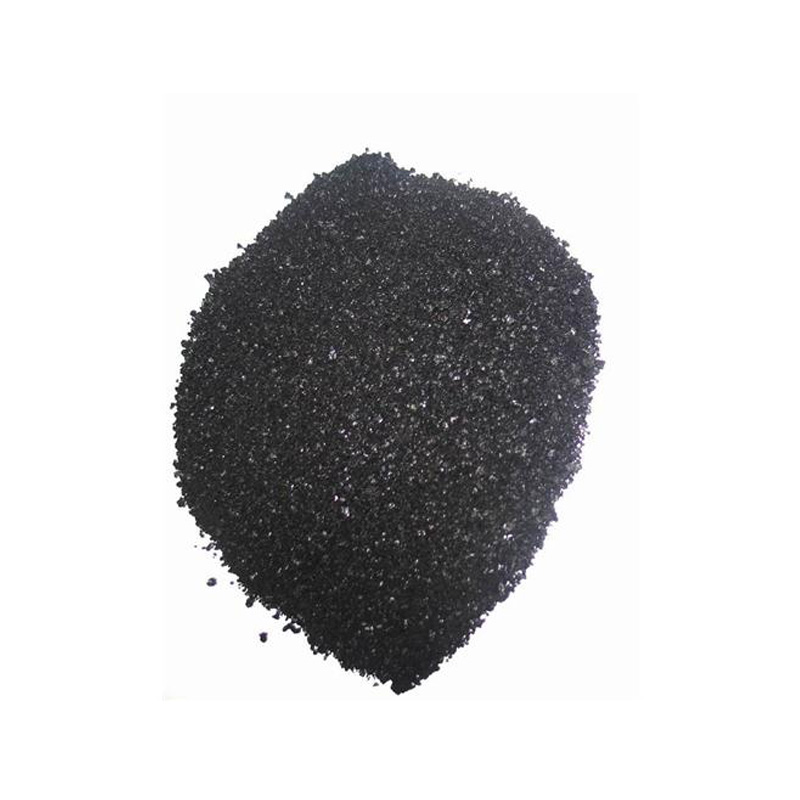
Sulphur Black
1.Name: sulphur black; Sulfur Black; Sulphur Black 1;
2.Structure formula:
3.Molecule formula: C6H4N2O5
4.CAS No.: 1326-82-5
5.HS code: 32041911
6.Product specification:Appearance:black phosphorus flakes; black liquid
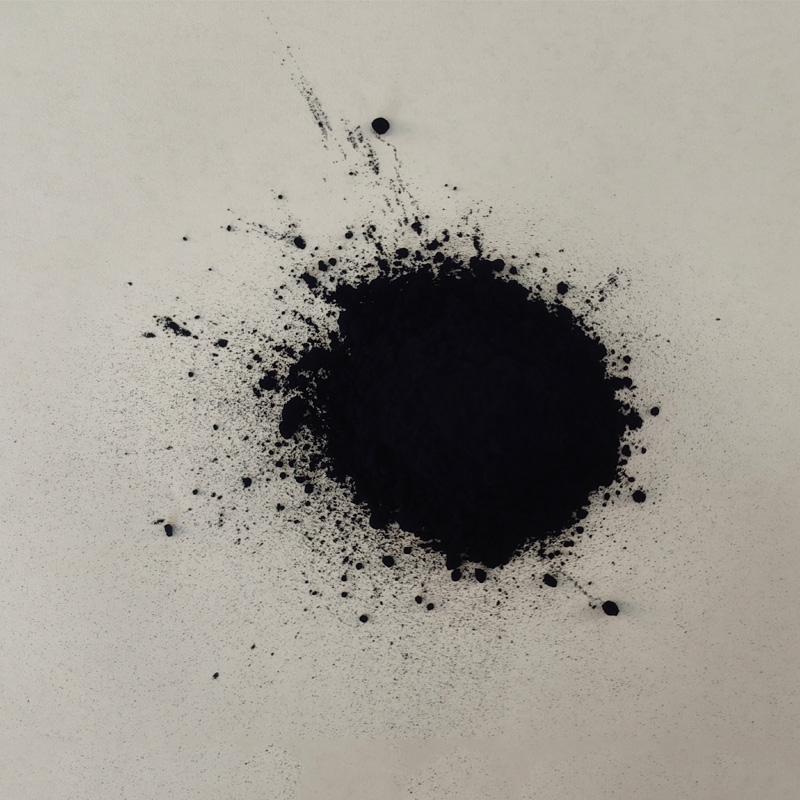
Bromo Indigo; Vat Bromo-Indigo; C.I.Vat Blue 5
1.Name: Bromo indigo; Vat bromo-indigo; C.I.Vat blue 5;
2.Structure formula:
3.Molecule formula: C16H6Br4N2O2
4.CAS No.: 2475-31-2
5.HS code: 3204151000 6.Major usage and instruction: Be mainly used to dye cotton fabrics.
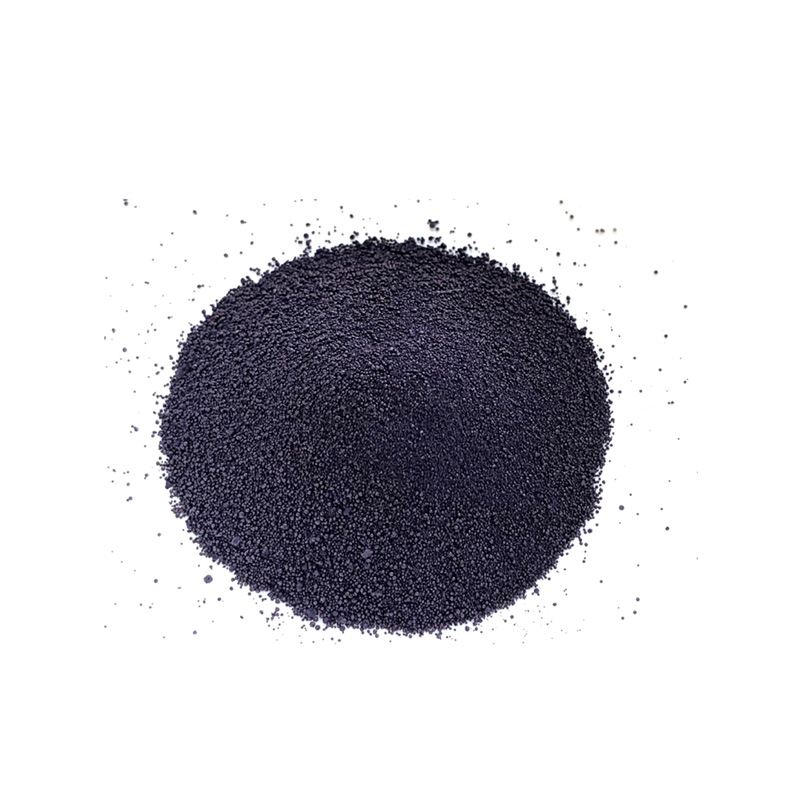
Indigo Blue Vat Blue
1.Name: indigo blue,vat blue 1,
2.Structure formula:
3.Molecule formula: C16H10N2O2
4.. CAS No.: 482-89-3
5.Molecule weight: 262.62
6.HS code: 3204151000
7.Major usage and instruction: Be mainly used to dye cotton fabrics.