

Indigo Dyed Cloth – Heritage Fabric Meets Sustainable Innovation
Indigo Dyed Cloth: A Timeless Fabric with Modern Relevance
Indigo dyed cloth is more than just a fabric with a beautiful deep blue hue. It represents centuries of craft, global trade, and cultural significance, while also touching on pressing modern themes like sustainable fashion and industrial utility. Understanding indigo dyed cloth helps businesses, designers, and consumers appreciate a product that balances tradition and innovation — a balance that matters in today's fast-paced, environmentally conscious marketplace.
The Global Context: Why Indigo Dyed Cloth Still Matters
Indigo dye, derived primarily from the Indigofera plant, has a documented history stretching back over 4,000 years. Today, according to international trade statistics (UN Comtrade, 2023), the global textile industry features an increasing demand for hand-dyed and artisanal fabrics, spurred by both cultural value and sustainable manufacturing trends.
Worldwide, over 100,000 tons of indigo dyes are used annually for textile production, with Asia and Africa as leading producers. However, mass industrial dyeing has environmental drawbacks, including water pollution and chemical waste. Here, artisanal and natural indigo dyed cloth comes into focus as a challenge and an opportunity: can traditional methods scale sustainably? This is exactly the question many eco-conscious manufacturers and humanitarian groups are wrestling with.
Mini takeaway: Indigo dyed cloth sits at the crossroads of cultural heritage and industrial sustainability. It’s a fabric with global footprints — literally and figuratively.
What Exactly Is Indigo Dyed Cloth?
At its core, indigo dyed cloth is any textile material colored using indigo dye. Derived naturally or synthetically, indigo is prized for its vibrant and lasting blue shades. Unlike standard dyes that chemically bind to fabric fibers, indigo dyeing uses a unique oxidation process that ‘sets’ the pigment, creating distinctive fading and wear patterns over time. Denim, of course, is the quintessential example popular worldwide.
Beyond fashion, indigo dyed cloth serves industrial and humanitarian uses: tarps, tents, and protective coverings often come in this deep blue, signaling both durability and tradition. NGOs may prefer indigo dyed materials thanks to their resistance to fading and adaptability to different climates — a surprisingly practical benefit in remote aid zones.
Mini takeaway: Indigo dyed cloth is a fabric defined by its unique dyeing process and lasting visual appeal, bridging past to present.
Key Factors That Make Indigo Dyed Cloth Unique
1. Durability and Fade Resistance
Indigo dye penetrates fibers differently than reactive dyes, resulting in slow fading that adds character over time rather than uneven discoloration. Many users appreciate this aging quality, seeing it as a story rather than a flaw.
2. Environmental Impact
Natural indigo is biodegradable and generally safer than synthetic alternatives. However, industrial use of synthetic indigo raises challenges regarding wastewater treatment and chemical disposal. Sustainable processing techniques, such as closed-loop dyeing, have started addressing these concerns in modern factories.
3. Scalability and Consistency
Artisan indigo dyeing works well on small batches but faces difficulties scaling without losing quality. Advances in automation coupled with artisanal oversight promise better consistency without sacrificing craftmanship.
4. Aesthetic Versatility
The dye’s ability to produce different shades — from soft blue to almost black — allows designers and manufacturers to tailor products precisely. It works well on cotton, silk, and hemp, among other fibers.
5. Cultural and Economic Significance
In regions like West Africa and South Asia, indigo dyeing supports local economies and preserves cultural traditions. Fair trade initiatives often focus on these communities to sustain artisanal livelihoods.
Mini takeaway: Indigo dyed cloth’s magic comes from how these factors intersect: eco-sensitivity, durability, and craftsmanship.
Applications Across the Globe: More Than Just Denim
In West Africa, indigo dyed cloth traditionally signifies status and identity — a vital social fabric beyond the textile one. Meanwhile, in the fashion capitals of Europe and North America, indigo-dyed denim jeans remain a billion-dollar industry, loved for their iconic look and feel.
In humanitarian relief contexts, indigo dyed tarps and shelter fabrics have seen growing use. These materials withstand harsh sun and rain conditions with less visual degradation, supporting dignity and comfort for displaced populations. Indigenous craftspeople in Japan continue to innovate indigo dyed cloth using both centuries-old techniques and modern eco-friendly processing — a testament to adaptability.
Mini takeaway: The uses of indigo dyed cloth span from cultural artifacts to high-tech industrial products — quite a journey for one simple dye.
Advantages and the Long-Term Value of Indigo Dyed Cloth
- Cost Efficiency: While initial dyeing may be more labor-intensive, the longevity of indigo dyed cloth reduces replacement frequency, lowering total lifecycle cost.
- Sustainability: Natural indigo dyes, coupled with responsible water use, reduce environmental impact versus chemical-heavy alternatives.
- Emotional & Social Impact: Wearing or owning indigo dyed cloth embodies heritage and commitment to ethical sourcing, which consumers increasingly value.
- Reliability: Industrial-grade indigo fabrics withstand wear-and-tear better than many alternatives, especially outdoors.
That blend of emotional resonance and technical robustness is rare. It feels like comfort both for the planet and for the consumer.
Looking Ahead: Innovations in Indigo Dyed Cloth
New research focuses on genetically engineering indigofera plants to yield more efficient dyes, minimizing land use. On the processing side, automation and digital color management allow factories to produce consistent shades with less waste. Green chemistry innovations are enabling synthetic indigo production with lower ecological footprints.
Interestingly, smart textiles embedded with indigo dyes that react to heat or UV exposure are emerging, merging tradition with technology. Imagine clothing that not only looks great but also signals environmental conditions — that future might just be on the horizon.
Challenges and Strategies to Overcome Them
Despite its benefits, indigo dyed cloth is not without issues:
- Water and Chemical Use: Traditional indigo dyeing is water-intensive, which many regions can’t afford.
- Colorfastness Variability: Poorly controlled dyeing leads to inconsistent products that customers might reject.
- Cost and Labor: Artisanal methods demand skilled labor, which increases costs.
Solutions include adopting circular water systems for factories, using natural enzymes to improve dye adherence, and investing in worker training programs. Industry leaders increasingly recommend blending machine precision with human oversight — a harmony of tech and tradition.
Frequently Asked Questions About Indigo Dyed Cloth
- Q: How does indigo dyed cloth differ from other dyed fabrics?
- A: Unlike reactive dyes that bond chemically, indigo dyeing relies on oxidation, producing unique fading patterns and a deep, richly layered blue. This makes indigo fabrics both durable and visually distinctive over time.
- Q: Is indigo dyeing environmentally friendly?
- A: Natural indigo is biodegradable and mostly eco-friendly. Challenges arise mainly with synthetic or industrial-scale dyeing due to water and chemical use. Sustainable factory processes and natural dyes help make indigo dyeing greener.
- Q: Can indigo dyed cloth be used in industrial or humanitarian applications?
- A: Absolutely. Its durability and sun resistance make it ideal for outdoor gear, tarps, and shelter materials used by relief organizations worldwide.
- Q: How long does indigo dyed cloth last compared to alternatives?
- A: With proper care, indigo dyed textiles often outlast other dyed fabrics due to their fade-resistance and robust fiber binding.
- Q: Where can businesses source high-quality indigo dyed cloth?
- A: Reputable suppliers often balance artisan techniques with modern quality control. Explore options like the indigo dyed cloth providers specializing in fair trade and sustainable manufacturing.
Product Specifications: A Snapshot
| Feature | Specification |
|---|---|
| Material | 100% Cotton / Hemp / Silk blend |
| Dye Type | Natural or Synthetic Indigo |
| Weight | 150 - 350 gsm (grams per square meter) |
| Color Fastness | Grade 4 - 5 (ISO 105 standards) |
| Environmental Certifications | GOTS, OEKO-TEX Standard 100 |
Vendor Comparison: Indigo Dyed Cloth Suppliers
| Feature | Wuxin Group | Indigo Legacy Co. | EcoCloth Inc. |
|---|---|---|---|
| Sustainable Methods | Yes, with closed-loop water systems | Partial, limited scale | Certified organic processes |
| Artisan Integration | Full – supports local artisans | Minimal, mostly machine-based | Selective artisan collaboration |
| Global Shipping | Yes, flexible logistics | Regional focus | Worldwide |
| Price Range (per meter) | $8 - $15 | $7 - $12 | $10 - $18 |
| Lead Time | 2-3 weeks | 1-2 weeks | 3-4 weeks |
Wrapping Up: Why Indigo Dyed Cloth Is Worth Your Attention
Indigo dyed cloth isn’t just a textile choice; it’s a statement about values, history, and the future. Its unique characteristics—durability, sustainability, and cultural depth—make it compelling for industries from fashion to humanitarian aid. If you’re exploring fabrics that offer a blend of tradition, innovation, and eco-awareness, this is a great place to start.
Curious to explore better indigo textiles or expand your sourcing options? Visit indigo dyed cloth providers like Wuxin Group who combine artisan skills with modern sustainability practices.
Thanks for sticking with me through this deep dive — sometimes a fabric has so many layers it deserves a proper chat.
References
-
Mastering the Art of China Japanese Indigo Dyeing Traditions
NewsApr.16,2026
-
Exploring the Elegance of China Deep Indigo Color in Textiles
NewsApr.09,2026
-
Discover High Quality China Jeans Blue Indigo for Global Markets
NewsApr.07,2026
-
Exploring the Rich Tradition of China Natural Indigo Dyed Fabric
NewsApr.04,2026
-
Exploring China Indigo Color in Nature History and Modern Applications
NewsMar.31,2026
-
Discover High Quality China Pure Indigo Powder for Vibrant Natural Dyeing
NewsMar.28,2026
-
Exploring the Rich History of China True Blue Indigo Textiles
NewsMar.26,2026
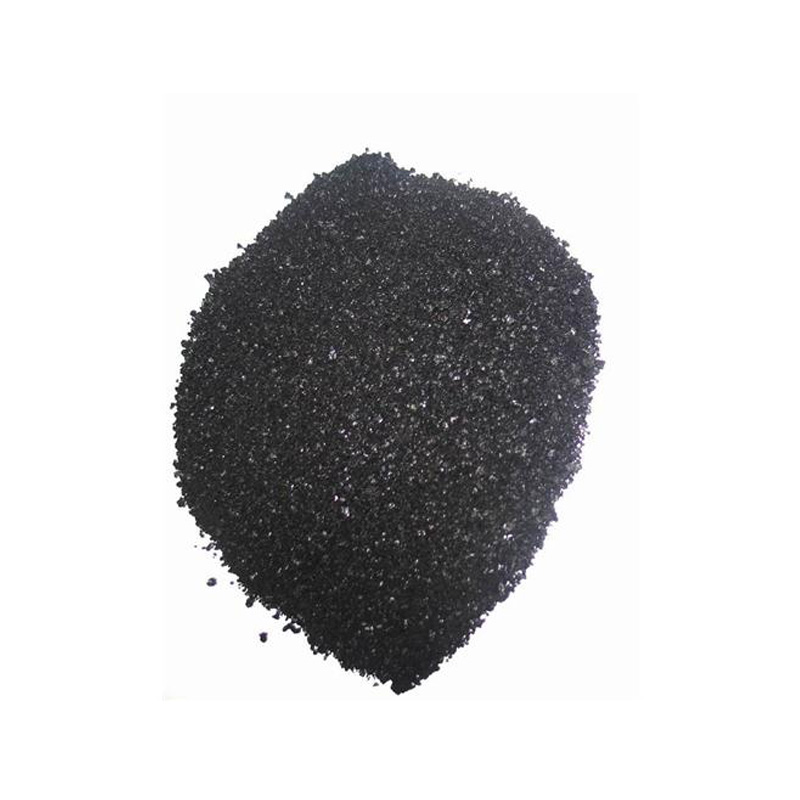
Sulphur Black
1.Name: sulphur black; Sulfur Black; Sulphur Black 1;
2.Structure formula:
3.Molecule formula: C6H4N2O5
4.CAS No.: 1326-82-5
5.HS code: 32041911
6.Product specification:Appearance:black phosphorus flakes; black liquid
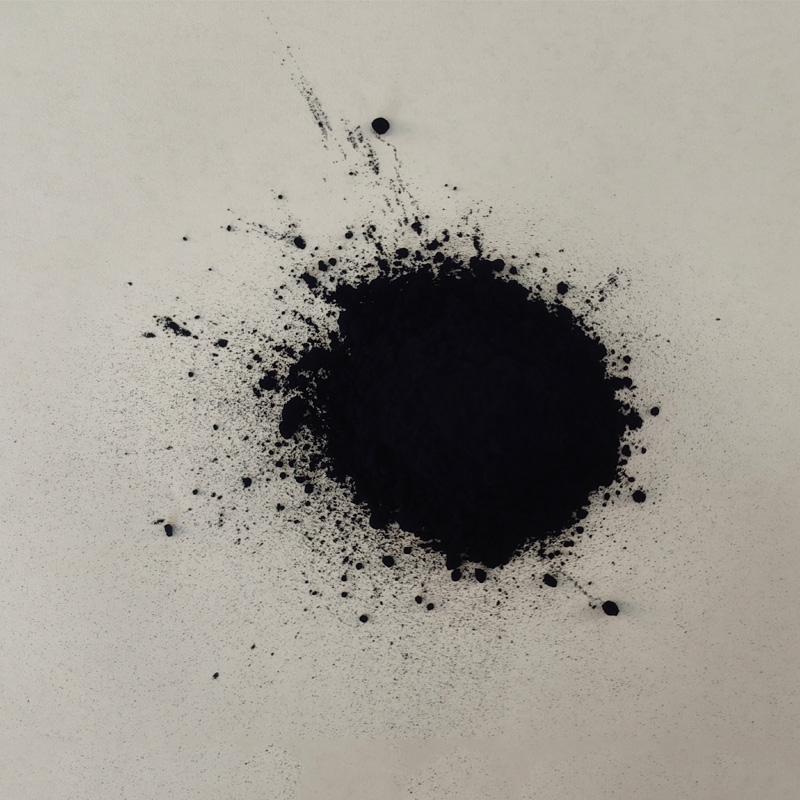
Bromo Indigo; Vat Bromo-Indigo; C.I.Vat Blue 5
1.Name: Bromo indigo; Vat bromo-indigo; C.I.Vat blue 5;
2.Structure formula:
3.Molecule formula: C16H6Br4N2O2
4.CAS No.: 2475-31-2
5.HS code: 3204151000 6.Major usage and instruction: Be mainly used to dye cotton fabrics.
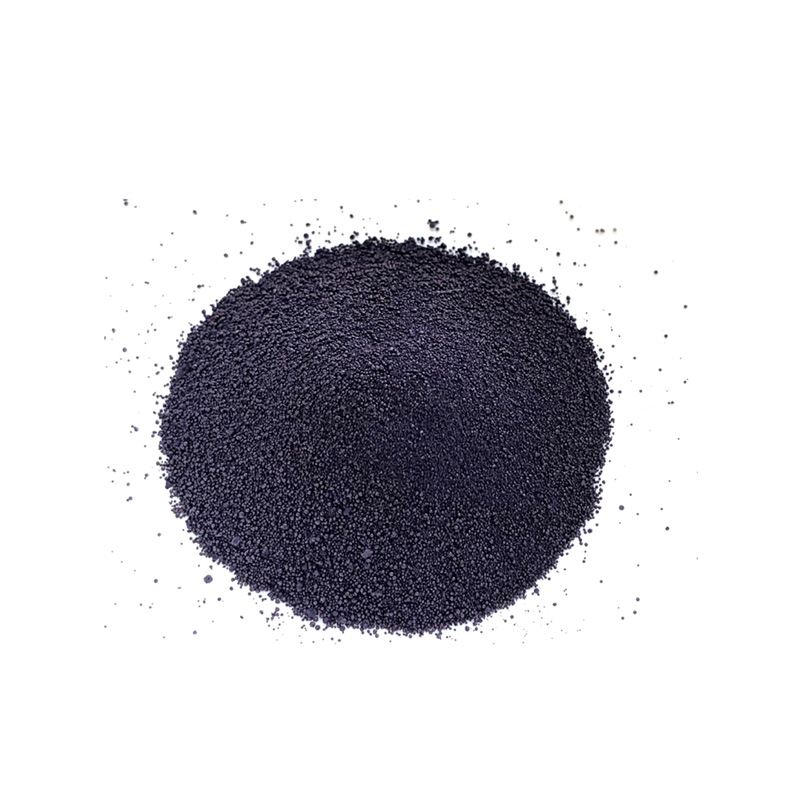
Indigo Blue Vat Blue
1.Name: indigo blue,vat blue 1,
2.Structure formula:
3.Molecule formula: C16H10N2O2
4.. CAS No.: 482-89-3
5.Molecule weight: 262.62
6.HS code: 3204151000
7.Major usage and instruction: Be mainly used to dye cotton fabrics.