

Hand Dyed Indigo Fabric: Sustainable Craftsmanship for Modern Markets
The Timeless Allure of Hand Dyed Indigo Fabric: Craft Meets Global Relevance
Hand dyed indigo fabric might just seem like another niche textile to some, but it’s actually a quietly powerful element in the world of fashion, sustainability, and cultural heritage. This age-old craft combines artistry with natural materials and plays a significant role far beyond its look — touching on fair trade, eco-conscious manufacturing, and even social upliftment in some communities.
Understanding this fabric isn't just about appreciating an indigo shade; it’s about grasping how traditional craft can fit seamlessly into modern global challenges — such as minimizing toxic dyes, empowering artisans, and supporting sustainable fashion movements.
Global Context: Why Indigo Matters More Than Ever
Worldwide, the textile and garment industries are under scrutiny. According to the International Labour Organization (ILO), over 60 million people work in textile-related jobs globally, many in developing nations where hand-dyeing is common. The World Bank reports significant environmental concerns due to synthetic dyes polluting waterways. In this light, hand dyed indigo fabric emerges as a natural alternative with economic and ecological benefits.
But here’s the catch — industrial scale indigo production is often chemically intensive, so the “hand dyed” aspect can be a game-changer, reducing environmental impact and preserving artisan livelihoods. The challenge for the industry is to scale this practice without losing authenticity or quality.
What Precisely Is Hand Dyed Indigo Fabric?
Simply put, hand dyed indigo fabric is textile material (usually cotton or silk) colored through manual processing with natural or synthetic indigo dye. The hallmark is the traditional, often repeated dipping method, where fabrics are immersed in indigo vats and oxidized by air to develop the iconic blue. The process requires mastery to achieve consistent color and characteristic variations.
Today, this fabric has more than aesthetic importance. It's a bridge between sustainable fashion, artisan economies, and even humanitarian needs — for instance, fair trade projects in West Africa or craft cooperatives in India leverage hand dyed indigo for income generation.
Core Components and Factors in Hand Dyed Indigo Fabric
1. Authenticity & Craftsmanship
The value largely stems from painstaking manual techniques passed down through generations. Unlike mechanized dyeing, hand dyeing yields unique hues and subtle pattern differences — a true artisanal signature.
2. Environmental Sustainability
Natural indigo comes from plants such as Indigofera tinctoria, which reduces reliance on harsh chemicals. This considerably lowers water pollution and toxic runoff compared to synthetic dyes.
3. Fabric Quality & Durability
The wisdom is that hand dyeing preserves fabric strength better, partly because industrial chemicals can weaken fibers. This affects clothing lifespan—a major plus in a throwaway culture.
4. Colorfastness & Uniqueness
One might think hand dyed fabrics would fade quickly, but if done correctly, the colorfastness is quite impressive, and the subtle variations create an irreplaceable charm.
5. Economic & Social Impact
By supporting hand dyeing artisans, brands foster community resilience, fair wages, and the survival of cultural heritage — a meaningful factor for conscious consumers.
Where Hand Dyed Indigo Fabric Shines in Today’s World
This fabric holds special appeal across regions and industries:
- Fashion Houses: Increasingly incorporating hand dyed indigo in artisanal collections for its story and eco appeal.
- Home Textiles: Such as cushions and curtains, benefiting from the durability and aesthetic depth.
- Fair Trade Cooperatives: Empowering rural communities in India, Japan, and parts of Africa.
- Cultural Preservation: Museums and cultural festivals use hand dyed textiles to convey historical narratives.
- Eco-conscious Retailers: Offering limited runs of hand dyed garments with transparent supply chains.
Interestingly, post-disaster relief initiatives in some Asian countries consider sustainable fabric production as a way to regenerate local economies — hand dyed indigo fabric is a candidate for these programs.
Hand Dyed Indigo Fabric Specs: What You’re Usually Working With
| Specification | Typical Detail |
|---|---|
| Base Fabric | 100% Cotton or organic silk |
| Dye Type | Natural indigo plant extract or low-impact synthetic |
| Color Range | Indigo blue spectrum, sometimes with graduated or mottled effects |
| Fabric Weight | Medium (150-250 gsm) |
| Colorfastness | Good to excellent, depending on method |
| Care | Hand wash recommended; gentle cycle machine wash possible |
Vendor Landscape: Comparing Leading Hand Dyed Indigo Fabric Suppliers
| Vendor | Location | Eco Certification | Price Range | Customization |
|---|---|---|---|---|
| IndigoCraft Co. | India - Rajasthan | GOTS, FairTrade | $$ - mid-range | Batch size, custom shades |
| Blue Heritage Textiles | Japan - Shiga Prefecture | ISO 14001 | $$$ - premium | Small batch, traditional patterns |
| EcoIndigo Collective | Ghana - Accra | FairTrade, Organic | $ - affordable | Standard colors |
Advantages and Long-Term Value of Hand Dyed Indigo Fabric
The benefits are plenty. Tangibly, it offers sustainable, non-toxic coloration with sturdy fabric life. Brands using it often find a more engaged consumer base, drawn to transparency and heritage. Emotionally, wearing or owning hand dyed indigo carries a narrative — one of dignity, connection, and responsible choices.
In social terms, the technique uplifts artisan communities — a relatively rare win-win in a global economy dominated by mass production. It’s also a contribution to slowing fast fashion’s environmental toll, one garment at a time.
What’s Next? Trends and Innovations in Indigo Dyeing
Recent years saw the fusion of hand dyeing with tech innovations:
- Use of organic farming methods for indigo plants, boosting carbon sequestration.
- Bioreactor farming of indigo pigment for greener synthetic options.
- Blockchain traceability to assure consumers of ethical origin.
- Digital pattern projection combined with manual dyeing for hybrid designs.
Frankly, this blend of tradition and technology feels like the future—where nobody has to choose one over the other.
Challenges and How the Industry is Addressing Them
Scaling hand dyed indigo fabric is tricky. The manual process limits volume and consistency. Supply chain transparency can be patchy with small artisan groups. Also, pricing can be higher than mass-market alternatives.
Innovative NGOs, tech startups, and larger brands are experimenting with cooperative models, training programs, and better logistics to overcome these hurdles. Additionally, educational campaigns aiming at consumers highlight why slightly higher prices support social and environmental goals.
FAQ: Your Quick Guide to Hand Dyed Indigo Fabric
- What makes hand dyed indigo fabric more sustainable than industrial dyeing?
- Hand dyeing often uses natural indigo and requires fewer harsh chemicals, reducing water pollution and energy use. The artisanal process focuses on smaller batches, which means less waste overall.
- How long does hand dyed indigo fabric typically last?
- With proper care, garments made from hand dyed indigo can last many years, often developing a characterful patina rather than deteriorating quickly like mass-produced textiles.
- Is hand dyed indigo fabric more expensive, and why?
- Yes, it’s generally pricier due to the labor-intensive process, natural materials, and smaller-scale production. Prices reflect the social and environmental value embedded in the fabric.
- Can hand dyed indigo fabric be customized for bulk orders?
- Many artisan vendors offer custom orders with specific hues or patterns, but lead times are usually longer, and minimum batch sizes may apply.
- How do brands ensure the ethical sourcing of hand dyed indigo fabric?
- Through certifications like FairTrade, GOTS, ISO 14001, and supply chain audits combined with direct partnerships with artisan groups.
Wrapping Up: Why Hand Dyed Indigo Fabric Still Holds Strong
The charm of hand dyed indigo fabric isn’t just about color or texture — it’s the story, the artisans, and the planet-friendly approach stitched into every thread. For businesses and consumers seeking sustainable style that honors tradition, it’s a compelling choice. Ready to explore or invest? Check out more on hand dyed indigo fabric — it might just redefine your take on textiles.
1. International Labour Organization – ilo.org
2. World Bank Environmental Report on Textile Industry – worldbank.org
3. GOTS Certification Standards – global-standard.org
-
Mastering the Art of China Japanese Indigo Dyeing Traditions
NewsApr.16,2026
-
Exploring the Elegance of China Deep Indigo Color in Textiles
NewsApr.09,2026
-
Discover High Quality China Jeans Blue Indigo for Global Markets
NewsApr.07,2026
-
Exploring the Rich Tradition of China Natural Indigo Dyed Fabric
NewsApr.04,2026
-
Exploring China Indigo Color in Nature History and Modern Applications
NewsMar.31,2026
-
Discover High Quality China Pure Indigo Powder for Vibrant Natural Dyeing
NewsMar.28,2026
-
Exploring the Rich History of China True Blue Indigo Textiles
NewsMar.26,2026
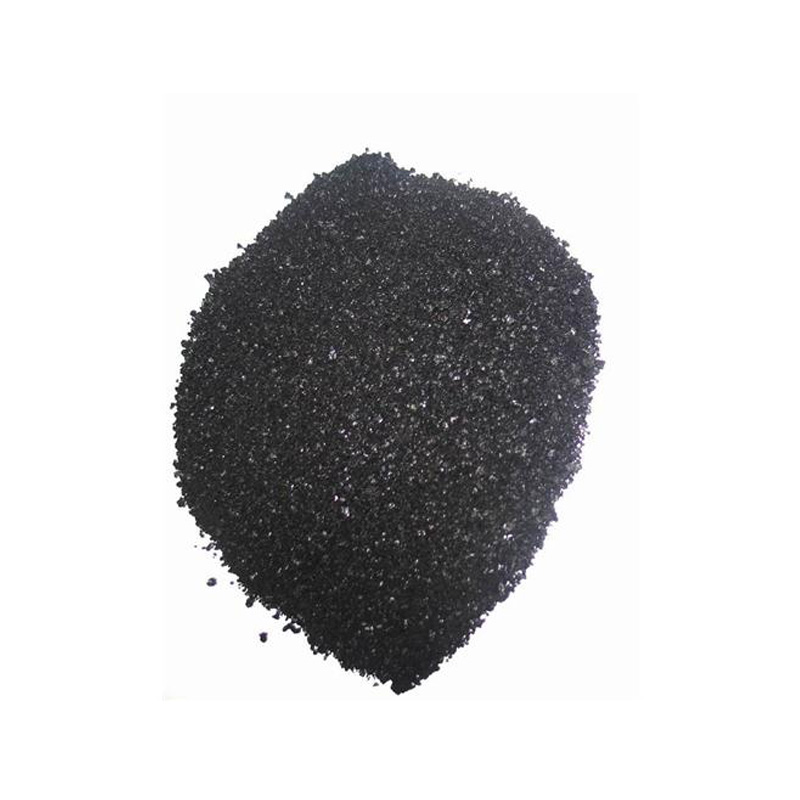
Sulphur Black
1.Name: sulphur black; Sulfur Black; Sulphur Black 1;
2.Structure formula:
3.Molecule formula: C6H4N2O5
4.CAS No.: 1326-82-5
5.HS code: 32041911
6.Product specification:Appearance:black phosphorus flakes; black liquid
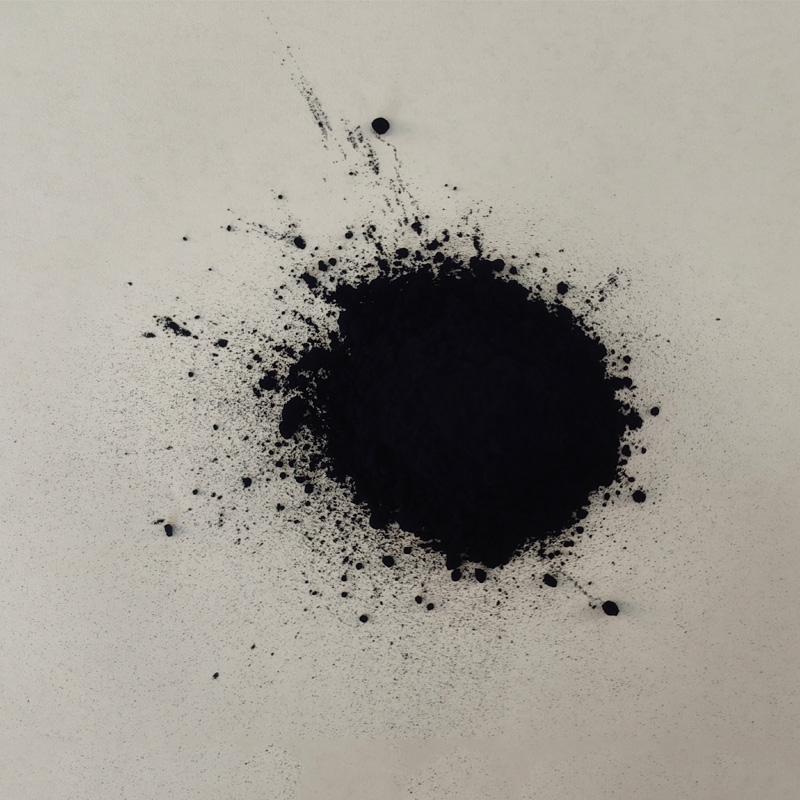
Bromo Indigo; Vat Bromo-Indigo; C.I.Vat Blue 5
1.Name: Bromo indigo; Vat bromo-indigo; C.I.Vat blue 5;
2.Structure formula:
3.Molecule formula: C16H6Br4N2O2
4.CAS No.: 2475-31-2
5.HS code: 3204151000 6.Major usage and instruction: Be mainly used to dye cotton fabrics.
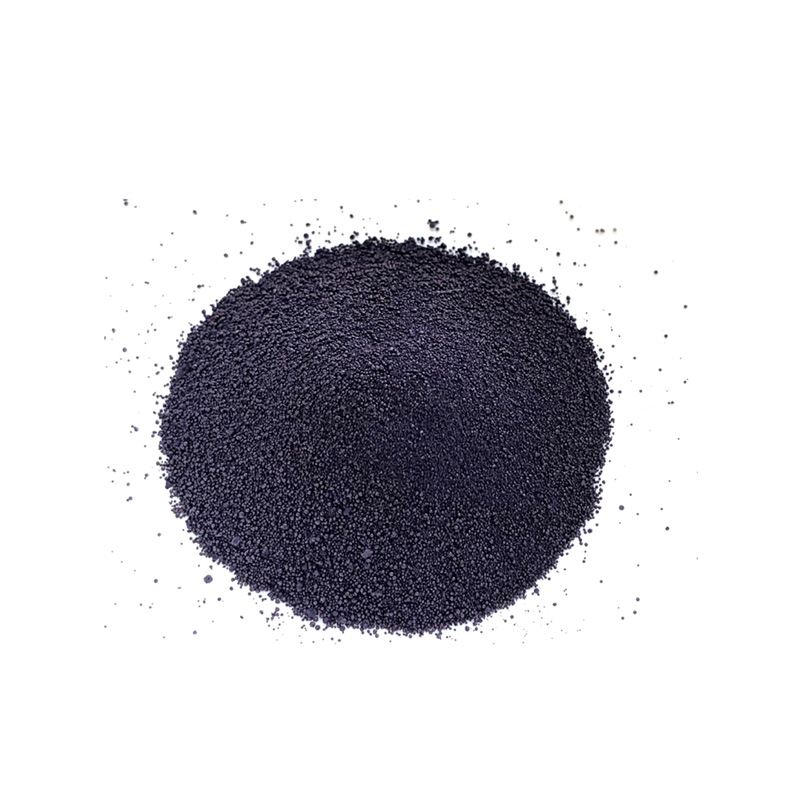
Indigo Blue Vat Blue
1.Name: indigo blue,vat blue 1,
2.Structure formula:
3.Molecule formula: C16H10N2O2
4.. CAS No.: 482-89-3
5.Molecule weight: 262.62
6.HS code: 3204151000
7.Major usage and instruction: Be mainly used to dye cotton fabrics.