

Indigo Japan: Sustainable Dyeing Tradition Meets Modern Industry Innovation
The Global Significance of Indigo Japan: More Than Just a Color
When you hear indigo japan, it's easy to picture the deep blue dye that colors denim jeans or antique textiles. But this phenomenon stretches far beyond aesthetics — it weaves itself into industries, cultures, and economies around the globe. Its rich history, durability, and versatility make it a pivotal subject when discussing sustainable dyes, traditional craftsmanship, and modern manufacturing in a globalized world.
Understanding indigo japan is crucial because it’s not just an isolated cultural artifact but an example of how traditional methods can meet contemporary eco-conscious demands. From artisanal fashion hubs in Tokyo to manufacturing hubs in Southeast Asia, indigo’s journey epitomizes a blend of history, innovation, and commerce.
The Global Stage: Why Indigo Japan Matters Today
In a world increasingly aware of environmental impact, indigo japan offers valuable insights. According to the United Nations, the textile industry accounts for nearly 20% of global water pollution — and dyeing processes are a significant factor. Indigo dyes, traditionally derived from plant sources in Japan, present a more eco-friendly alternative to synthetic dyes that involve harmful chemicals and energy-intensive processes.
Additionally, in Japan alone, the indigo dyeing industry supports thousands of artisans and small businesses. It’s a cultural emblem and a livelihood that faces modern challenges, such as competition from mass-produced synthetic dyes and globalization pressures. That said, recent surges in demand for sustainable, handcrafted goods have rekindled interest both domestically and internationally, expanding the market beyond Japan.
But the challenge remains: balancing tradition with efficiency, sustainability with scalability. And this is exactly where understanding the nuances of indigo japan becomes essential.
What Exactly Is Indigo Japan?
Simply put, indigo japan refers primarily to the indigo dyeing tradition native to Japan. The process transforms textiles with a blue pigment extracted typically from the indigofera plant or Polygonum tinctorium, a species indigenous to Japan. Unlike chemical dyes, this natural indigo requires oxidation and multiple dips to achieve its signature deep hue.
In modern industry, the term also evokes the blend of artisanal skills and cutting-edge dyeing technology practiced in Japanese workshops. This has implications in fashion, interior design, and even industrial applications, such as producing durable workwear and eco-friendly fabrics.
Connection to Industry and Humanitarian Needs
Eco-conscious manufacturers and humanitarian organizations are turning to indigo dyeing processes as a paradigm of sustainability and cultural preservation. For instance, textile projects supporting displaced communities often incorporate traditional dyeing methods like indigo japan for their low environmental impact. In this respect, it's not just about beauty but about dignity, social enterprise, and responsible consumption.
Core Components of Indigo Japan Success
1. Natural Sourcing
Most authentic indigo japan dyes come from locally cultivated plants, ensuring not just authenticity but sustainability. This means lower carbon footprints and less reliance on harmful chemicals— which is a huge plus as industries hunt for greener alternatives.
2. Durability and Colorfastness
Oddly enough, the indigo blue that indigo japan produces is incredibly durable—resistant to fading after numerous washes. This quality is why denim fabrics and traditional Japanese garments still favor it, even in modern times.
3. Scalability Through Technology
While traditionally a labor-intensive process, Japanese innovators have incorporated mechanized vats and optimized fermentation to scale production without losing quality. This hybrid approach is vital for supply chains needing both efficiency and artisanal accuracy.
4. Cultural Significance and Branding
“Made in Japan” carries prestige, and indigo japan is a powerful symbol of heritage, craftsmanship, and premium quality worldwide. This cultural heft elevates products in the global market.
5. Sustainability and Environmental Impact
Compared with standard synthetic dyes, indigo japan’s natural dyeing method reduces toxic runoffs and conserves water, two critical factors per ISO environmental standards.
Mini Takeaway: Indigo japan thrives because it’s where ecology meets economy, artisanal pride meets scalable tech, and tradition meets modern market demands.
Practical Applications Around the World
In real terms, the indigo japan method finds its way into:
- Fashion Industry: Premium denim brands leverage it to offer authentic, sustainable fabrics highlighting unique Japanese dyeing techniques.
- Home Textiles: Cushion covers, wall hangings, and upholstery fabrics featuring indigo japan enrich interiors with lasting cultural charm.
- Industrial Workwear: Durable, colorfast fabrics dyed with indigo japan are preferred for rugged uniforms, especially in environmentally conscious companies.
- Humanitarian and Educational Projects: Some NGOs in Asia use indigo-dyeing workshops for livelihood training among marginalized communities, combining culture with sustainable income generation.
Geographically, Japan remains the central hub, but rising demand has extended production partnerships into Southeast Asia and parts of Europe, where artisans experiment with fusion designs and eco-friendly workflows.
Advantages & Long-Term Value of Indigo Japan
Choosing indigo japan isn’t just about color — it’s a long-term investment in reliability and sustainability. Here’s why:
- Cost-effectiveness: Despite initially higher costs, natural dyeing often reduces environmental compliance costs and brand risk related to synthetic dyes.
- Social Impact: Supporting artisans and preserving heritage crafts yields social goodwill and community resilience.
- Fashion Forward: Consumers increasingly demand transparency and heritage, making indigo japan products stand out.
- Environmental Responsibility: Lower water usage and biodegradable dye waste fit with global green policies embraced by ISO and other bodies.
- Reliability: Indigo’s famed durability means products last longer, which rationalizes the investment from a user’s perspective.
Technical Product Specification Table
| Specification | Indigo Japan Traditional Dye | Modern Mechanized Indigo |
|---|---|---|
| Source | Polygonum tinctorium plant | Same plant extract, with fermentation-controlled vats |
| Dyeing Process | Manual dipping and oxidation | Automated vats with timed multi-dipping |
| Water Usage per kg Textile | ~50 liters | ~35 liters |
| Color Fastness (Washing) | High (5+ cycles without major fade) | Very High (7+ cycles) |
| Environmental Impact | Biodegradable waste | Reduced effluent toxicity via treatment |
Vendor Comparison: Indigo Japan Producers
| Vendor | Product Range | Pricing | Lead Time | Sustainability Focus |
|---|---|---|---|---|
| Aomori Dye Works | Traditional textiles & fashion fabrics | $$$ | 6-8 weeks | 100% natural sourcing, local farming |
| Kyoto Indigo Co. | Innovative blends & eco-processed fabrics | $$$$ | 4-6 weeks | Certified low-impact processes |
| Shizuoka Artisan Collective | Small-batch artisan textiles & decor | $$ | 8-12 weeks | Handcrafted, low energy, community support |
Looking Ahead: Future Trends in Indigo Japan
The future of indigo japan is intriguingly bright. Researchers are experimenting with bioengineered microbes to optimize indigo fermentation, which would drastically reduce waste and production time. Digital textile printing techniques that simulate indigo dye patterns are also gaining ground for cost-sensitive markets while preserving the aesthetic.
Moreover, international standards and certifications like ISO 14000 for environmental management encourage indigo producers to continually adopt greener methods. As consumers seek authenticity and sustainability, indigo japan is poised to not only survive but flourish — especially as part of circular fashion and zero-waste initiatives.
Facing Challenges Head-On
But all isn’t rosy. Scaling natural indigo production to meet growing demand is tricky. The plant’s slow growth rate, dependency on seasonal cycles, and labor-intensive processes limit mass production. Dyes may also vary batch to batch, which complicates commercial consistency.
Thankfully, a blend of tech-driven approaches and community-based models is helping. For example, partnerships between artisan groups and larger factories balance quality and volume. Plus, emerging eco-chemical treatments reduce drying times and stabilize color outcomes.
Frequently Asked Questions About Indigo Japan
- Q: What makes indigo japan different from other indigo dyes?
- A: Indigo japan primarily uses the Japanese indigo plant and traditional fermentation processes, resulting in a distinctive deep blue hue and superior durability. It also emphasizes eco-friendly and artisanal practices often lacking in mass-produced dyes.
- Q: How sustainable is indigo japan compared to synthetic dyes?
- A: Indigo japan is far more sustainable, using natural plant sources and lower water and chemical inputs. It also generates biodegradable waste, in contrast to synthetic dyes which often contain harmful toxins.
- Q: Can indigo japan products be produced at scale for fashion brands?
- A: Yes, though traditional methods are slow, modern adaptations using automated vats and better fermentation control allow for increased production while preserving quality and eco-credentials.
- Q: Is it possible to import indigo japan textiles for international markets?
- A: Absolutely. Many producers and artisan collectives export globally. Import regulations vary by country, but sustainability certifications often ease market entry.
- Q: How does indigo japan contribute to cultural preservation?
- A: Using traditional indigo dye methods supports artisanal knowledge and community livelihoods, preserving centuries-old techniques that might otherwise be lost amid industrialization.
Wrapping Up: Why Indigo Japan Deserves Your Attention
There’s something deeply compelling about indigo japan. It’s a color, a craft, and a sustainable solution all in one. By supporting it, you’re engaging with a global movement toward environmentally and socially responsible manufacturing—something that genuinely matters as we rethink consumption in the 21st century.
If you’re keen on exploring indigo japan products, innovations, or sourcing legitimate suppliers, visit indigo japan today. You’ll find an impressive mix of tradition, quality, and future-forward thinking all waiting to enrich your projects.
References:
1. Wikipedia - Indigo Dye
2. UN Environment Programme - Textile Industry & Sustainability
3. ISO 14000 Environmental Management
-
Mastering the Art of China Japanese Indigo Dyeing Traditions
NewsApr.16,2026
-
Exploring the Elegance of China Deep Indigo Color in Textiles
NewsApr.09,2026
-
Discover High Quality China Jeans Blue Indigo for Global Markets
NewsApr.07,2026
-
Exploring the Rich Tradition of China Natural Indigo Dyed Fabric
NewsApr.04,2026
-
Exploring China Indigo Color in Nature History and Modern Applications
NewsMar.31,2026
-
Discover High Quality China Pure Indigo Powder for Vibrant Natural Dyeing
NewsMar.28,2026
-
Exploring the Rich History of China True Blue Indigo Textiles
NewsMar.26,2026
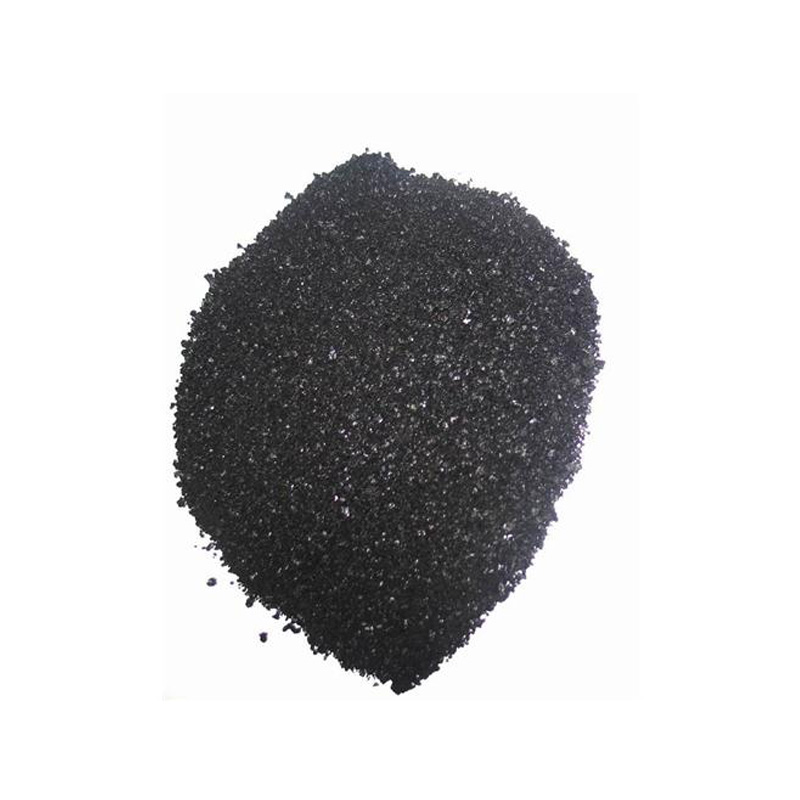
Sulphur Black
1.Name: sulphur black; Sulfur Black; Sulphur Black 1;
2.Structure formula:
3.Molecule formula: C6H4N2O5
4.CAS No.: 1326-82-5
5.HS code: 32041911
6.Product specification:Appearance:black phosphorus flakes; black liquid
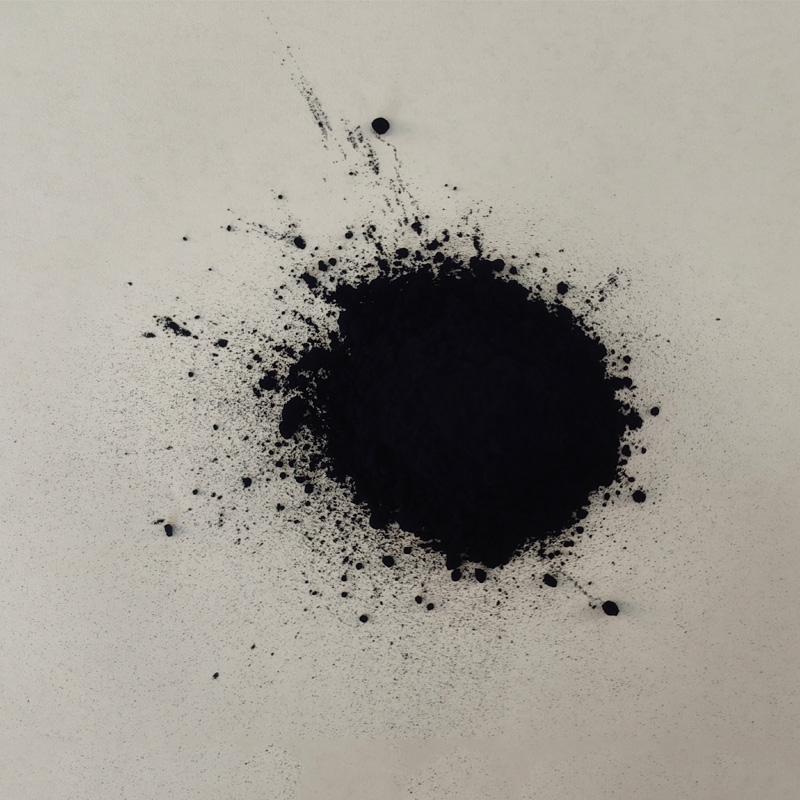
Bromo Indigo; Vat Bromo-Indigo; C.I.Vat Blue 5
1.Name: Bromo indigo; Vat bromo-indigo; C.I.Vat blue 5;
2.Structure formula:
3.Molecule formula: C16H6Br4N2O2
4.CAS No.: 2475-31-2
5.HS code: 3204151000 6.Major usage and instruction: Be mainly used to dye cotton fabrics.
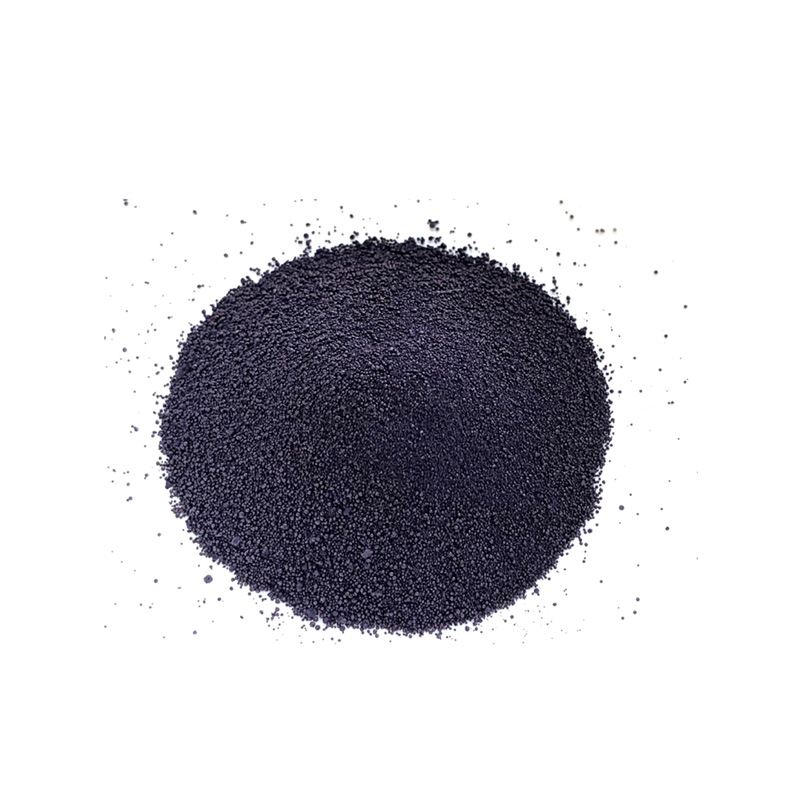
Indigo Blue Vat Blue
1.Name: indigo blue,vat blue 1,
2.Structure formula:
3.Molecule formula: C16H10N2O2
4.. CAS No.: 482-89-3
5.Molecule weight: 262.62
6.HS code: 3204151000
7.Major usage and instruction: Be mainly used to dye cotton fabrics.