

Indigoid Dyes: Exploring Their Global Impact, Applications & Innovations
Understanding Indigoid Dyes: More Than Just Color in a Global Context
Indigoid dyes might sound niche or old-fashioned at first—after all, what’s so special about a dye that’s been around for centuries? However, these dyes hold a globally significant role, especially as industries, environmental concerns, and fashion converge in unexpected ways. From their deep, comfortable hues associated with denim to modern applications in sustainable manufacturing, indigoid dyes remain surprisingly relevant. Grasping their properties and impact benefits not just chemists or textile manufacturers, but anyone interested in how materials shape both economy and culture.
The Global Footprint of Indigoid Dyes
Worldwide, the indigoid dye market touches billions of garments and textiles annually. According to the International Standardization Organization (ISO) and various UN textile trade reports, indigoid dyes account for a significant portion of global dye usage—largely due to their iconic application in denim production. The indigoid dyes industry directly influences the livelihoods of millions, from cotton farmers to factory workers. Yet challenges remain around environmental impact, water usage, and chemical safety.
Today, we face not only the need for eye-catching color but also for solutions that reduce waste and pollution. Consumers increasingly demand eco-friendly and ethically sourced products, pushing manufacturers to rethink traditional indigoid dye processing. That pressure drives innovation—from bio-based dyes to closed-loop wastewater treatment systems.
Mini Takeaway:
Indigoid dyes are more than colors: they represent economic value, cultural identity, and sustainability challenges faced by the global textile industry.
What Exactly Are Indigoid Dyes?
Simply put, indigoid dyes are a class of organic compounds chemically related to the natural dye indigo, historically extracted from plants like Indigofera. Their defining characteristic is the deep blue color, although variations exist.
In modern industry, synthetic indigoid dyes dominate due to cost-effectiveness and consistency. This shift has allowed mass production of denims and refuse-resistant fabrics. The chemistry behind these dyes relates closely to their ability to bond with cellulose fibers (like cotton), ensuring durability and rich color fastness.
Key Ingredients of Indigoid Dyes:
- Indigo and its derivatives: The dye molecules responsible for characteristic color.
- Reducing agents: Used in dyeing to make the dye soluble and able to penetrate fibers.
- Oxidizers: Restore color after fiber saturation.
These components combined make indigoid dyes an essential technology bridging traditional arts and contemporary manufacturing.
Mini Takeaway:
Indigoid dyes meld natural inspiration and synthetic chemistry, delivering stable, vibrant colors for countless textile applications worldwide.
Core Factors Shaping Indigoid Dye Applications
1. Durability
Indigoid dyes chemically bond to fabric, offering remarkable wash and light fastness—qualities making denim and other workwear reliable through tough use.
2. Scalability
Thanks to synthetic routes, indigoid dyes can be produced at industrial scales, supporting fast fashion and large textile output with relatively low cost.
3. Cost Efficiency
While natural indigo extraction is labor-intensive and seasonal, synthetic indigoid dyes allow consistent supply chains and reduced production variability.
4. Environmental Impact
This is the trickiest factor. Traditional dyeing methods using indigoid dyes can be water-heavy and pollutive, but recent advances embrace closed-loop processes and biodegradable chemicals to ease harms.
5. Chemical Safety and Regulation
As stricter regulations (like REACH in Europe) clamp down on dye residues, manufacturers focus on safer chemicals, pushing development toward greener alternatives.
Mini Takeaway:
Durability and cost favor indigoid dyes, yet sustainability is driving the next wave of innovation and industrial responsibility.
How Indigoid Dyes Are Used Around the World
Indigoid dyes are ubiquitous in textile manufacturing, yet their applications stretch beyond fashion. Here are some notable contexts:
- Fashion & Apparel: Iconic blue jeans, workwear, and casual clothes worldwide.
- Home Textiles: Upholstery fabrics and decorative items.
- Traditional Arts: Handcrafted batik and resist-dyeing in Southeast Asia and Africa.
- Industrial Use: Protective clothing for miners and factory workers, needing durable fabric colors.
- Humanitarian Efforts: Durable dyed fabrics for shelter tents and uniforms in post-disaster relief.
Regions like Southeast Asia, South America, and Africa balance between traditional dyeing culture and modern industrial use, facing interesting sustainability challenges.
Mini Takeaway:
From Santiago to Shenzhen, indigoid dyes color daily life and livelihoods, blending culture, industry, and innovation.
Product Specification Table: Typical Synthetic Indigoid Dye Basics
| Property | Typical Value | Unit |
|---|---|---|
| Chemical Formula | C16H10N2O2 | - |
| Molar Mass | 262.26 | g/mol |
| Solubility (in water) | Practically Insoluble | - |
| Color | Deep Blue | - |
| Light Fastness | 7 - 8 (Scale 1-8) | - |
Comparing Major Suppliers of Synthetic Indigoid Dyes
| Vendor | Price per kg | Purity (%) | Eco-certifications | Minimum Order |
|---|---|---|---|---|
| BlueChem Supplies | $15 | 99.5 | OEKO-TEX, GOTS | 100 kg |
| EcoDyes International | $18 | 98.9 | GOTS, Bluesign | 50 kg |
| Synthetica Dyes | $13 | 97.5 | - | 200 kg |
What Makes Indigoid Dyes Stand Out?
Simply put, the combination of rich color with toughness gives indigoid dyes their lasting modern appeal. Many textile engineers say there’s just no substitute when you want that worn-in, characteristic blue—steadfast under repeated washing and heavy use.
Socially and environmentally, indigoid dyes are caught in the middle. On the one hand: they enable affordable clothing, meaningful artisan crafts, and even relief supplies globally. On the other: traditional dyeing can be resource-intensive.
Still, innovations in dyeing processes and stricter global environmental policies have encouraged producers to shift to greener chemistry—think bio-indigo, supercritical CO2 dyeing, and waterless dyeing systems. Frankly, it’s a fascinating pivot.
The Road Ahead: Future Trends in Indigoid Dyeing
- Bioengineered Indigo: Researchers are developing microbial fermentation processes to produce indigo without petrochemicals.
- Automation & Digital Dyeing: Digital textile printing integrates indigoid compounds for customized patterns with less waste.
- Material Innovation: Combining indigoid dyes with innovative fibers for smart textiles resistant to stains and UV.
- Green Manufacturing: Closed-loop and zero-waste dyeing initiatives transforming industrial scales.
Of course, scaling these will take time but the direction seems clear: more sustainable, precise, and artistically flexible indigoid dye usage.
Challenges That Persist — And How We’re Tackling Them
The stubborn reality is that indigoid dyes traditionally require large water volumes and toxic chemicals for reduction and oxidation steps. This causes environmental stress, especially in developing textile hubs with weaker regulations.
Solutions emerging include:
- Switching to eco-certified dyes verified by independent bodies.
- Adopting waterless dyeing technologies that use supercritical CO2.
- Scrubbing and recycling effluent with cutting-edge biochemical treatments.
- Educating stakeholders globally on sustainable dyeing practices.
It’s a tough balance, but the direction is hopeful.
FAQ: Indigoid Dyes Demystified
- What makes indigoid dyes preferable for denim over other dyes?
- Indigoid dyes bond uniquely to cotton fibers, allowing color to fade gracefully yet last through many wash cycles. This creates the signature “blue jean” look that is difficult to replicate with other dyes.
- Are indigoid dyes safe for the environment?
- Traditional processes involve chemical treatments impacting ecosystems if unmanaged. However, many producers now use eco-certified dyes and closed-loop systems to minimize harmful discharge.
- Can indigoid dyes be used on synthetic fibers?
- They primarily target natural fibers like cotton. For synthetics, other dye classes are preferred although some blends allow partial indigoid dye uptake.
- How can smaller brands source sustainable indigoid dyes?
- Several vendors offer eco-certified indigoid dyes in smaller batches. Checking certifications like OEKO-TEX or GOTS can help ensure environmental standards.
- Is plant-based indigo still commercially viable?
- Plant-based indigo is mostly artisanal due to high cost and scalability issues but remains prized for cultural authenticity and small-batch crafts.
Final Thoughts: Why Indigoid Dyes Continue to Matter
Over centuries, indigoid dyes have grown from natural pigments to cornerstones of worldwide textile production. Their signature hues hold stories of culture, labor, and increasingly, innovation focused on sustainability. If you’re part of the textile supply chain or just a curious shopper, understanding indigoid dyes enriches your appreciation of what goes into that pair of jeans or that patterned fabric you hold dear.
Considering the complex benefits and challenges, it’s clear that indigoid dyes will remain focal points for eco-conscious design and industrial evolution. To dive deeper, check out resources such as the indigoid dyes page and keep an eye on advances in sustainable dyeing technologies.
Thanks for sticking through this color journey. I suppose now when you see denim, it’ll feel a little richer, eh?
References
-
Mastering the Art of China Japanese Indigo Dyeing Traditions
NewsApr.16,2026
-
Exploring the Elegance of China Deep Indigo Color in Textiles
NewsApr.09,2026
-
Discover High Quality China Jeans Blue Indigo for Global Markets
NewsApr.07,2026
-
Exploring the Rich Tradition of China Natural Indigo Dyed Fabric
NewsApr.04,2026
-
Exploring China Indigo Color in Nature History and Modern Applications
NewsMar.31,2026
-
Discover High Quality China Pure Indigo Powder for Vibrant Natural Dyeing
NewsMar.28,2026
-
Exploring the Rich History of China True Blue Indigo Textiles
NewsMar.26,2026
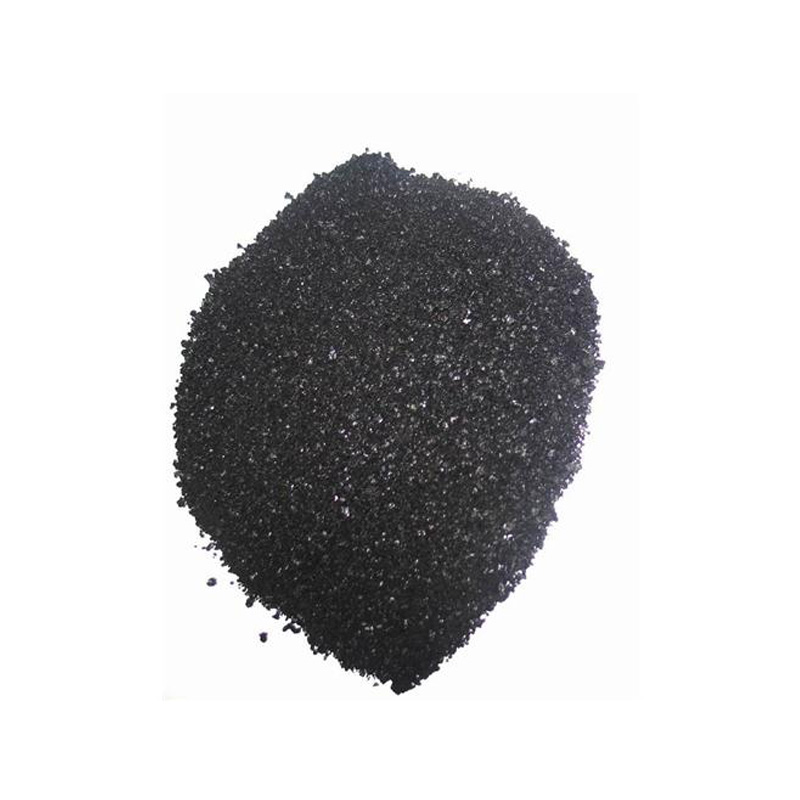
Sulphur Black
1.Name: sulphur black; Sulfur Black; Sulphur Black 1;
2.Structure formula:
3.Molecule formula: C6H4N2O5
4.CAS No.: 1326-82-5
5.HS code: 32041911
6.Product specification:Appearance:black phosphorus flakes; black liquid
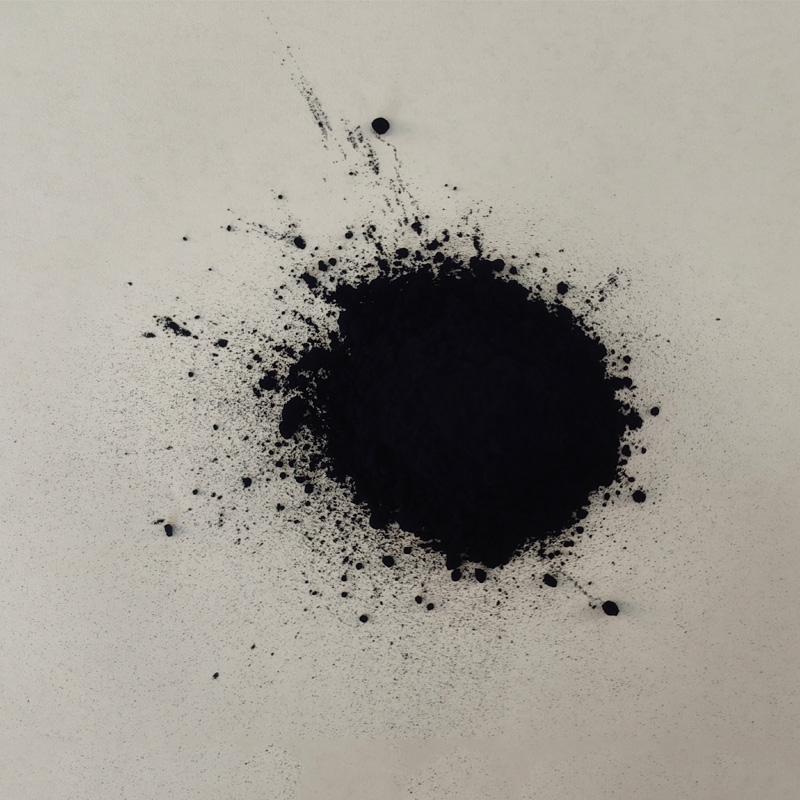
Bromo Indigo; Vat Bromo-Indigo; C.I.Vat Blue 5
1.Name: Bromo indigo; Vat bromo-indigo; C.I.Vat blue 5;
2.Structure formula:
3.Molecule formula: C16H6Br4N2O2
4.CAS No.: 2475-31-2
5.HS code: 3204151000 6.Major usage and instruction: Be mainly used to dye cotton fabrics.
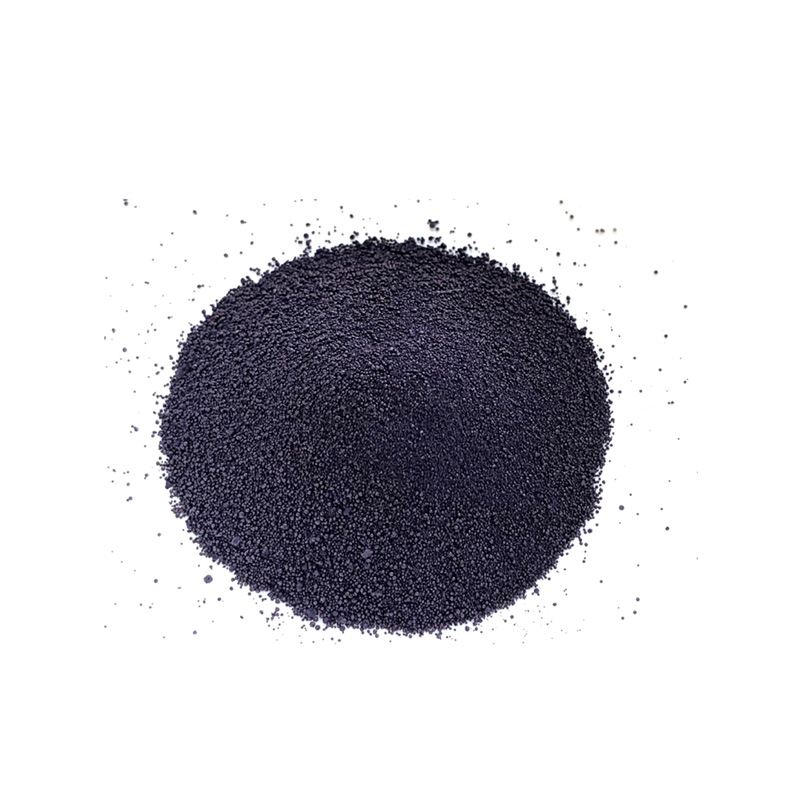
Indigo Blue Vat Blue
1.Name: indigo blue,vat blue 1,
2.Structure formula:
3.Molecule formula: C16H10N2O2
4.. CAS No.: 482-89-3
5.Molecule weight: 262.62
6.HS code: 3204151000
7.Major usage and instruction: Be mainly used to dye cotton fabrics.