

Indigo Organic Powder – Sustainable Natural Dye for Global Industries
Understanding Indigo Organic Powder: A Natural Dye with Global Significance
Indigo organic powder might sound like a niche product, but it’s actually weaving itself into industries around the world—from sustainable fashion to eco-friendly manufacturing solutions. At its heart, this deep blue pigment taps into an age-old tradition yet tackles very modern challenges: sustainability, reduced chemical waste, and harnessing natural resources. The more we grasp the benefits and uses of indigo organic powder, the better placed we are to bring green innovation to global markets and everyday products. And honestly, in an era where synthetic dyes have made pollution a major issue, the natural appeal and functional benefits of indigo organic powder feel refreshing.
Why Indigo Organic Powder Matters on the Global Stage
According to the United Nations Industrial Development Organization (UNIDO), the textile dyeing industry contributes approximately 17-20% of industrial water pollution globally. It’s no surprise then, that alternatives like indigo organic powder are grabbing attention for their eco-friendly footprint. The global market for natural dyes is projected to grow at about 11% annually through 2028, highlighting increasing consumer and industrial demand for sustainable options.
Yet, the challenge remains—how do you scale a natural product without compromising quality and affordability? Indigo organic powder emerges as a beacon, offering a solution that marries ancient craft with modern scalability. Plus, it supports traditional farming communities, often in developing regions, creating economic ripples far beyond the dye vats.
What Exactly Is Indigo Organic Powder?
Put simply, indigo organic powder is a natural dye derived mainly from the leaves of the Indigofera plant, processed into its powder form. Unlike synthetic indigo, which relies heavily on chemical synthesis, this powder stays faithful to its plant-based origins, offering a rich blue pigment free from harsh pollutants. Historically used in textiles and artworks, it now finds renewed purpose in the eco-conscious sectors.
Its significance extends into humanitarian logistics as well—imagine providing safe, biodegradable colors for environmentally-sensitive projects or disaster relief camps where chemical contamination is a no-go. There's a quiet but growing movement to return to natural sources like this for less toxic manufacturing and healthier communities.
Key Characteristics of Indigo Organic Powder
1. Potency and Colorfastness
One reason indigo organic powder still rules dyeing circles is its excellent colorfastness. It holds up well against washing and sunlight, making it practical for commercial textile use. However, refinement in processing methods can influence potency—some powders preserve more pigment intensity, which is crucial when aiming for deep, vivid blues.
2. Environmental Compatibility
The powder offers a biodegradeable, low-toxicity alternative compared to synthetic dyes. No surprise many manufacturers are targeting carbon footprints by switching to indigo organic powder for their color applications.
3. Scalability and Supply Chain Stability
Thanks to advances in cultivation techniques and cooperative farming models, supply is stabilizing. Plus, mechanized production methods help reduce costs — but the market still demands transparency and fair trade certifications.
4. Versatility Across Industries
It’s not just textiles—indigo organic powder is gaining traction in cosmetics, food coloring, and even bioplastics. Its biological properties, like antibacterial effects, add value beyond color.
5. Safety & Non-Toxicity
For companies prioritizing consumer health, indigo organic powder's all-natural origin means fewer worries regarding allergens or harmful side effects, an attractive selling point.
How Indigo Organic Powder Is Used Globally
From handcrafted saris in India to sustainable fashion lines in Europe, indigo organic powder crosses continents and industries. In West Africa, artisans rely on it for traditional dyeing processes that support their economies. Meanwhile, fashion brands spotlight its natural origin as a marketing win, appealing to eco-aware consumers.
In industrial sectors, some manufacturers in Japan integrate it into bio-based plastics, aiming for a reduced ecological impact. And oddly enough, NGOs working in refugee camps have started using indigo organic powder to create textiles that maintain cultural identity without toxic washout risks.
| Specification | Value | Unit |
|---|---|---|
| Purity (Indigo content) | 85-92% | % |
| Particle Size | 150-250 | microns |
| Moisture Content | 7-10% | % |
| Solubility in water | Sparingly soluble | N/A |
| Shelf Life | 24 | months |
Advantages and Long-Term Value of Indigo Organic Powder
- Cost Efficiency: While slightly more expensive than synthetic dyes at first, its reduced need for water treatment and waste management cuts downstream expenses.
- Sustainability: Renewable sourcing and biodegradability create substantial environmental gains.
- Social Impact: Supports smallholder farmers and traditional artisans, preserving cultural heritage.
- Reliability: Consistent pigment quality can be maintained with improved farming and processing techniques.
Emotionally, there’s something powerful about choosing a product that feels authentic and respectful of nature. For companies, it inspires customer loyalty and trust—and really, in a crowded marketplace, that’s priceless.
Where Indigo Organic Powder Is Headed: Future Trends & Innovations
Technological breakthroughs in enzyme-assisted extraction and renewable agriculture are promising cleaner, more efficient production of indigo organic powder. Digital traceability ensures consumers know exactly where their dyes come from—adding layers of transparency.
Meanwhile, the rise of circular economies sees indigo waste repurposed in compost or organic soil amendments, not landfill. Some innovators are blending indigo powders with nanomaterials to unlock new textile functionalities like UV protection.
Obstacles and Expert Solutions
Scaling sustainably won’t be without bumps. Challenges like ensuring consistent raw leaf quality, weather impact on farming, and certification hurdles still exist. Industry experts advise investing in farmer education, blockchain tracking for authenticity, and public-private partnerships to bolster supply chains.
Vendor Comparison of Leading Indigo Organic Powder Suppliers
| Supplier | Purity Range | Annual Capacity (tons) | Certifications | Eco-practices |
|---|---|---|---|---|
| Wuxin Group | 88-92% | 1500 | ISO 14001, Organic | Renewable energy, fair trade |
| Natural Indigo Co. | 85-90% | 800 | Organic, GOTS | Sustainable farming, carbon offset |
| EcoBlue Extracts | 80-88% | 1200 | ISO 9001 | Organic waste recycling |
FAQ: Frequently Asked Questions About Indigo Organic Powder
1. What makes indigo organic powder preferable over synthetic dyes?
Indigo organic powder offers a natural, biodegradable alternative without the toxic byproducts common in synthetic dyes. It reduces environmental impact, supports sustainable farming, and appeals to eco-conscious brands seeking authentic natural colorants.
2. Can indigo organic powder be used on all textile types?
It works best with natural fibers like cotton, wool, and silk, as these absorb the pigment more effectively. Synthetic fabrics usually require chemical auxiliaries or special treatment, which might reduce the organic purity.
3. How should indigo organic powder be stored for maximum shelf life?
Store it in airtight, moisture-free containers in a cool, dark place. Avoid humidity and direct sunlight, which can degrade its pigment quality. Properly stored, it typically lasts up to 24 months.
4. Is indigo organic powder safe for use in cosmetics?
Yes, when processed according to cosmetic-grade standards, it is regarded as safe and non-toxic, making it a popular natural ingredient in eco-friendly makeup and skincare products.
5. How can companies ensure the authenticity of indigo organic powder imports?
Partnering with certified suppliers like Wuxin Group who maintain documentation, organic and fair trade certifications, plus adopting blockchain traceability systems, helps guarantee product authenticity and integrity.
Wrapping Up: Why Indigo Organic Powder Is More Than Just a Dye
Long-term, indigo organic powder offers a blend of tradition, innovation, and sustainability that’s rare to find in today’s industrial landscape. Whether you’re a manufacturer seeking greener operations, a brand eager to tell a credible sustainability story, or an artisan wanting to protect cultural heritage, this natural blue powder has a lot to offer. And frankly, it feels like a small but meaningful step toward greener, more responsible manufacturing worldwide.
If you want to dive deeper or explore partnerships, I highly recommend visiting Wuxin Group’s site—they’ve been leading the charge in supplying quality organic indigo powders worldwide.
1. UNIDO Industrial Water Pollution Report, 2022
2. ISO Standards on Natural Dye Production, 2023
3. Global Market Insights: Natural Dye Forecast, 2024
-
Mastering the Art of China Japanese Indigo Dyeing Traditions
NewsApr.16,2026
-
Exploring the Elegance of China Deep Indigo Color in Textiles
NewsApr.09,2026
-
Discover High Quality China Jeans Blue Indigo for Global Markets
NewsApr.07,2026
-
Exploring the Rich Tradition of China Natural Indigo Dyed Fabric
NewsApr.04,2026
-
Exploring China Indigo Color in Nature History and Modern Applications
NewsMar.31,2026
-
Discover High Quality China Pure Indigo Powder for Vibrant Natural Dyeing
NewsMar.28,2026
-
Exploring the Rich History of China True Blue Indigo Textiles
NewsMar.26,2026
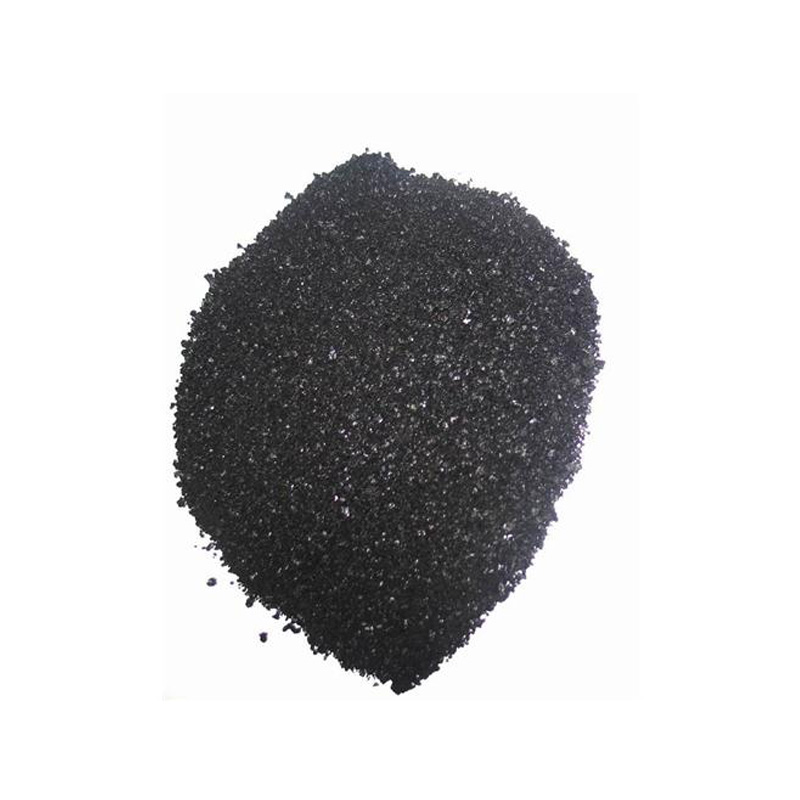
Sulphur Black
1.Name: sulphur black; Sulfur Black; Sulphur Black 1;
2.Structure formula:
3.Molecule formula: C6H4N2O5
4.CAS No.: 1326-82-5
5.HS code: 32041911
6.Product specification:Appearance:black phosphorus flakes; black liquid
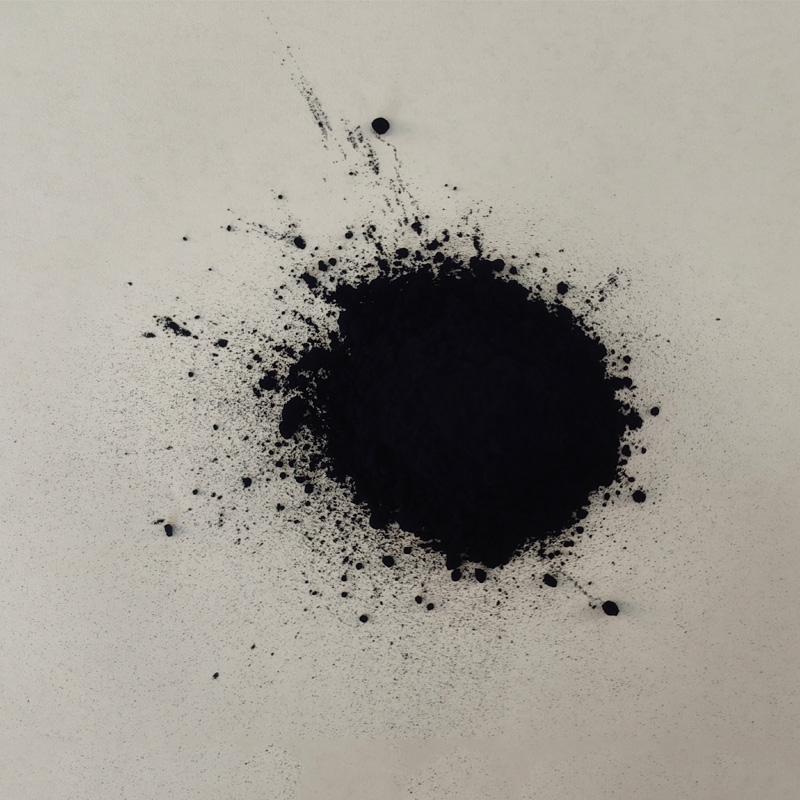
Bromo Indigo; Vat Bromo-Indigo; C.I.Vat Blue 5
1.Name: Bromo indigo; Vat bromo-indigo; C.I.Vat blue 5;
2.Structure formula:
3.Molecule formula: C16H6Br4N2O2
4.CAS No.: 2475-31-2
5.HS code: 3204151000 6.Major usage and instruction: Be mainly used to dye cotton fabrics.
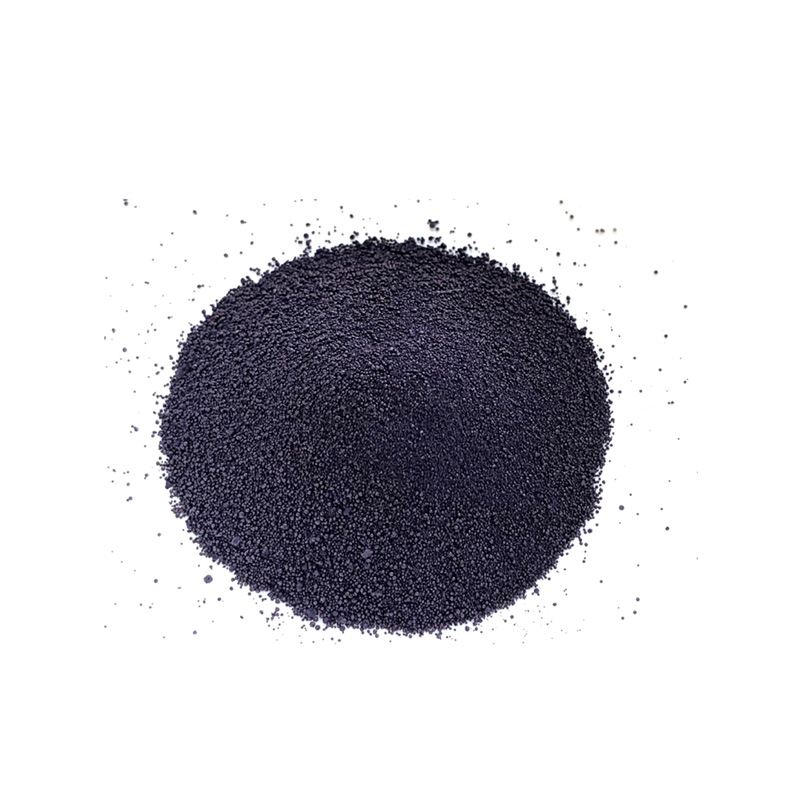
Indigo Blue Vat Blue
1.Name: indigo blue,vat blue 1,
2.Structure formula:
3.Molecule formula: C16H10N2O2
4.. CAS No.: 482-89-3
5.Molecule weight: 262.62
6.HS code: 3204151000
7.Major usage and instruction: Be mainly used to dye cotton fabrics.