

Indigo Dyed Fabrics: Sustainable Tradition Meets Modern Textile Innovation
The Rise of Indigo Dyed Fabrics: Crafting a Global Legacy
Indigo dyed fabrics hold more than just a deep blue hue. They form a fascinating crossroad where tradition meets modern industry, sustainability aligns with aesthetics, and cultural heritage blends into global commerce. From ancient textile dyeing techniques to contemporary mass production, the story of indigo dyed fabrics is a tale of resilience, innovation, and environmental consciousness.
Globally, the significance of indigo dyed fabrics extends beyond just fashion and craftsmanship. They represent a sustainable alternative within the textile industry, one that addresses increasing concerns about chemical pollution and water consumption. It's no secret that the textile sector is among the highest water-consuming industries worldwide, and dyes have their own ecological footprint. Indigo dyed textiles offer a way to preserve heritage while easing environmental strain.
Understanding the nuances of indigo dyed fabrics is thus both a cultural journey and an industrial imperative. In this article, we’ll unravel what makes these deep blues so essential on a global scale, the factors driving their relevance, real-world use cases, and where innovation will take us next.
Why Indigo Dyed Fabrics Matter Today
According to the United Nations Environment Programme, the global textile industry uses approximately 93 billion cubic meters of water annually and is responsible for 20% of global industrial water pollution1. Indigo dyeing — traditionally derived from the indigofera plant — is undergoing a renaissance as companies seek more eco-friendly processes and waste reduction.
Modern indigo dyed fabrics tap into this trend by capitalizing on:
- Cultural and artisanal heritage: with indigo dyeing techniques dating back thousands of years in Africa, Asia, and the Americas.
- Environmental concerns: natural indigo and innovative synthetic variants reduce chemical waste compared to alternative dyes.
- Durability and aesthetic appeal: the unique fading and wear characteristics of indigo-infused textiles.
Still, challenges remain — like standardizing dye quality at scale, and addressing the energy-intensive parts of production. Yet the global market continues to show rising interest in sustainably produced indigo textiles, driven by conscious consumers and industry standards such as ISO 14001 in environmental management.
Mini takeaway: Indigo dyed fabrics are not just a niche traditional craft; they are becoming a critical player addressing sustainability and cultural identity in the global textile ecosystem.
What Exactly Are Indigo Dyed Fabrics?
Simply put, indigo dyed fabrics are textiles colored with indigo dye, the substance responsible for their rich blue. This dye can be obtained naturally from indigofera plants or synthetically manufactured. The fabric — usually cotton, denim, or linen — undergoes a dipping process where it’s repeatedly submerged in an indigo vat and then exposed to air to oxidize and produce the characteristic blue color.
Interestingly, indigo dye is insoluble in water, so it adheres to fabric fibers differently from other dyes — which is why garments made with it tend to fade uniquely, almost becoming part of the wearer's story.
From an industry perspective, indigo dyed fabrics serve various needs:
- Apparel manufacturing: iconic denim jeans, shirts, and jackets.
- Decor and upholstery: artisanal home textiles.
- Humanitarian textiles: equipping sustainable clothing in aid programs.
This connectivity to culture, environment, and human needs gives indigo dyed fabrics a special place in both traditional weaving circles and global markets.
Core Components that Make Indigo Dyed Fabrics Special
1. Durability
Indigo dyed textiles, especially denim, are famed for their sturdy nature. The dyeing process binds indigo molecules semi-permanently, allowing for gradual mellowing rather than immediate fading. This feature ensures garments withstand heavy use, making them ideal for workwear or casual clothes that age gracefully.
2. Scalability
While once limited to artisanal batches, today’s synthetic indigo production bustles at scale. Advances in vat dyeing, automation, and quality control enable manufacturers to meet global demand with consistent hues and performance—though natural indigo still holds an artisanal niche.
3. Cost Efficiency
Synthetic indigo offers a lower-cost alternative without severely compromising quality, making indigo textiles accessible worldwide. Although natural variants bear premium prices, their unique qualities and sustainable approach appeal to niche markets and eco-focused brands.
4. Environmental Sustainability
Modern innovations — such as closed-loop dyeing systems, lower water usage formulas, and organic indigo cultivation — mitigate the environmental impact. Some manufacturers even utilize solar energy for vat preparation, echoing a growing trend of green innovation in textiles.
5. Aesthetic Uniqueness
Indigo’s slow fading process creates personalized wear patterns, imparting character and appealing to consumers valuing individuality and durability over disposable fashion.
Mini takeaway: The convergence of durability, scalability, cost, sustainability, and aesthetics underpins indigo dyed fabrics’ global appeal for manufacturers, designers, and customers alike.
Indigo Dyed Fabrics in Practice: Real-World Applications
Across continents—from Japan’s artisanal shibori to West African indigo cloths and American denim mills—indigo dyed fabrics find diverse roles. Some notable applications include:
- Fashion industry: Global denim giants rely on synthetic indigo for massive production runs of jeans, jackets, and overalls.
- Artisanal crafts and cultural identity: In parts of Mali and Nigeria, indigo cloth symbolizes status and tradition, often handwoven and naturally dyed.See artisans’ choice in indigo dyed fabrics.
- Humanitarian clothing programs: Durable indigo-dyed fabrics equip aid populations in harsh climates, combining longevity with comfort.
- Interior design: Upholstery and decor pieces using indigo fabrics contribute a timeless aesthetic.
For instance, in post-disaster relief, durable indigo cloths help create sturdy workwear and protective materials in difficult environments where fabric longevity matters profoundly.
| Specification | Details |
|---|---|
| Material Types | Cotton (Denim), Linen, Hemp |
| Dye Source | Natural Indigofera plant / Synthetic Indigo |
| Color Fastness | Medium-High (Improves with aging) |
| Water Usage | Reduced with closed-loop systems (~20-30 liters/kg) |
| Energy Consumption | Moderate (opportunities for solar integration) |
Advantages and Long-Term Value of Indigo Dyed Fabrics
Putting it bluntly, indigo dyed fabrics tick many boxes:
- Economic benefit: affordable production, long lifespan, and reduced replacement rates.
- Environmental impact: sustainable farming or synthetics with lower effluent streams.
- Social impact: supporting artisan communities and cultural preservation.
- Consumer appeal: timeless style, tactile comfort, and evolving character through wear.
Moreover, indigo’s deep blue has become symbolic in some cultures for dignity and protection; aesthetically, it offers a calming, trustworthy palette that designers love. Frankly, when you buy an indigo garment, you’re purchasing more than fabric — you get history, innovation, and a commitment to sustainability woven in.
Emerging Trends and Innovations in Indigo Dyeing
I find the future of indigo dyed fabrics particularly exciting. New techniques aim to reduce water and chemical use drastically, including:
- Bioengineered indigo: using synthetic biology to produce dye molecules without plants or harsh chemicals.
- Digital printing with indigo inks: combining traditional hues with modern precision and patterning.
- Closed-loop dyeing systems: recycling water and dyes to near zero-waste levels.
- Solar and renewable energy integration: powering dye vats to cut fossil fuel dependency.
These innovations not only improve sustainability but also open new customization and design pathways for brands embracing digital transformation and circular economy models.
Confronting Challenges: Solutions in Indigo Textile Production
Despite its appeal, indigo dyeing still faces hurdles:
- Consistency: natural indigo batches can vary, challenging quality control.
- Water and energy consumption: traditional vats demand substantial resources.
- Cost and scale: artisan methods don’t always scale economically.
However, experts recommend hybrid approaches, blending natural and synthetic sources, investing in closed-loop systems, and supporting small producers through fair trade initiatives. It feels like a balancing act where craft meets industry — and the future depends on smart innovation and responsible sourcing.
How Do Various Indigo Fabric Suppliers Compare?
| Vendor | Dye Type | Sustainability Focus | Price Range | Customization |
|---|---|---|---|---|
| Indigo Heritage Co. | Natural Indigo | Organic farming, Fair Trade | $$$ | Limited batch runs |
| BlueTech Textiles | Synthetic Indigo | Closed-loop dyeing | $ | Full production scale |
| EcoDyed Fabrics Ltd. | Hybrid (Natural + Synthetic) | Bioengineered dye precursors | $$ | Custom blends & shades |
Frequently Asked Questions About Indigo Dyed Fabrics
What are the environmental benefits of choosing indigo dyed fabrics?
Indigo dyed fabrics, especially when using natural or bioengineered dyes, significantly reduce harmful chemicals and water waste typical in textile dyeing. Modern closed-loop vat systems recycle water and minimize pollution, making indigo dying far more eco-friendly than many other methods.
How long do indigo dyed garments typically last in regular use?
With proper care, indigo dyed textiles can last several years. Their durability coupled with their iconic fading pattern means garments often look better with age, embodying a unique lived-in aesthetic.
Are natural indigo dyed fabrics more expensive than synthetic ones?
Generally, yes. Natural indigo requires more labor-intensive harvesting and is produced in smaller quantities. Synthetic indigo enables mass production at lower costs, but some purists and niche markets prefer the natural variant for its authenticity and environmental profile.
Can indigo dyed fabrics be customized easily for different products?
Absolutely. Whether through blending natural and synthetic dyes or digitally printing indigo-inspired patterns, manufacturers offer a variety of options to tailor fabrics to product needs—be it fashion, upholstery, or humanitarian textiles.
Where can I find trusted suppliers of indigo dyed fabrics?
Look for vendors who operate with environmental certifications (such as ISO 14001) and fair trade practices. The comparison table above highlights some top choices, but indigo dyed fabrics vendors should always be vetted based on your specific sustainability and quality criteria.
Conclusion: Indigo Dyed Fabrics — A Timeless, Sustainable Choice
Indigo dyed fabrics beautifully balance heritage, environmental responsibility, and versatile applications — making them relevant across centuries and industries. Their enduring charm and emerging innovations suggest this isn’t a passing trend but an evolving textile art and science. Whether you’re a designer aiming for authentic appeal, a company pursuing greener sourcing, or simply a curious lover of deep blue textiles, indigo dyed fabrics have a lot to offer.
For those curious to explore quality options or start sustainable collaborations, visit our website and dive into the rich world of indigo fabrics today.
References
-
Mastering the Art of China Japanese Indigo Dyeing Traditions
NewsApr.16,2026
-
Exploring the Elegance of China Deep Indigo Color in Textiles
NewsApr.09,2026
-
Discover High Quality China Jeans Blue Indigo for Global Markets
NewsApr.07,2026
-
Exploring the Rich Tradition of China Natural Indigo Dyed Fabric
NewsApr.04,2026
-
Exploring China Indigo Color in Nature History and Modern Applications
NewsMar.31,2026
-
Discover High Quality China Pure Indigo Powder for Vibrant Natural Dyeing
NewsMar.28,2026
-
Exploring the Rich History of China True Blue Indigo Textiles
NewsMar.26,2026
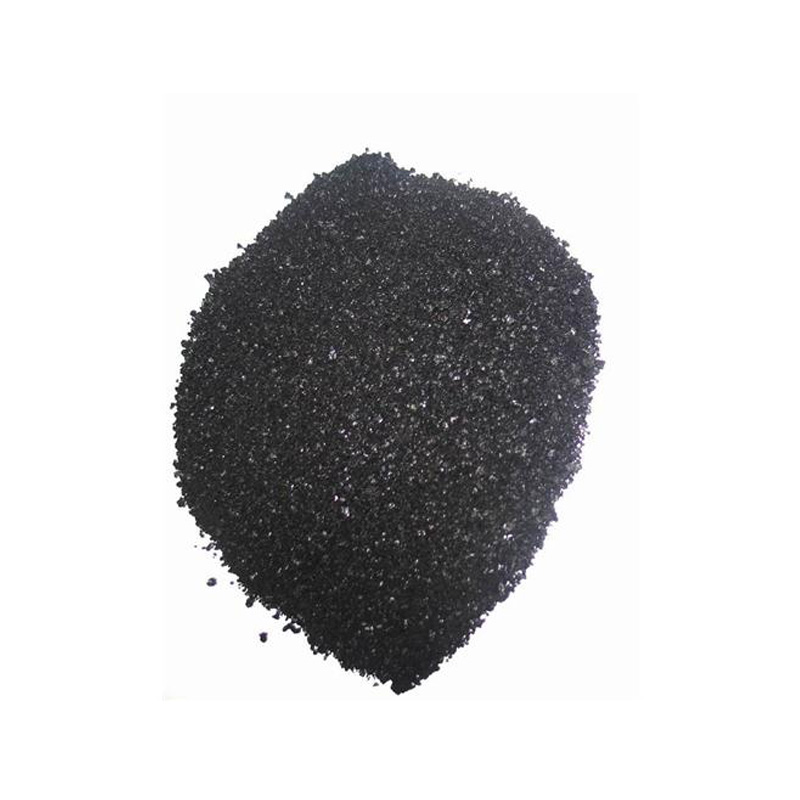
Sulphur Black
1.Name: sulphur black; Sulfur Black; Sulphur Black 1;
2.Structure formula:
3.Molecule formula: C6H4N2O5
4.CAS No.: 1326-82-5
5.HS code: 32041911
6.Product specification:Appearance:black phosphorus flakes; black liquid
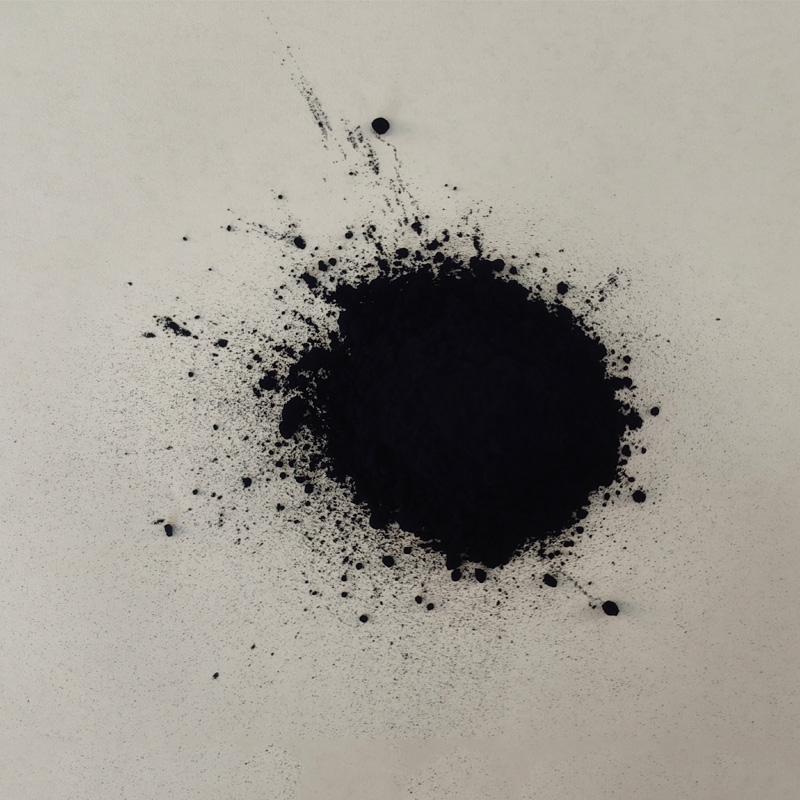
Bromo Indigo; Vat Bromo-Indigo; C.I.Vat Blue 5
1.Name: Bromo indigo; Vat bromo-indigo; C.I.Vat blue 5;
2.Structure formula:
3.Molecule formula: C16H6Br4N2O2
4.CAS No.: 2475-31-2
5.HS code: 3204151000 6.Major usage and instruction: Be mainly used to dye cotton fabrics.
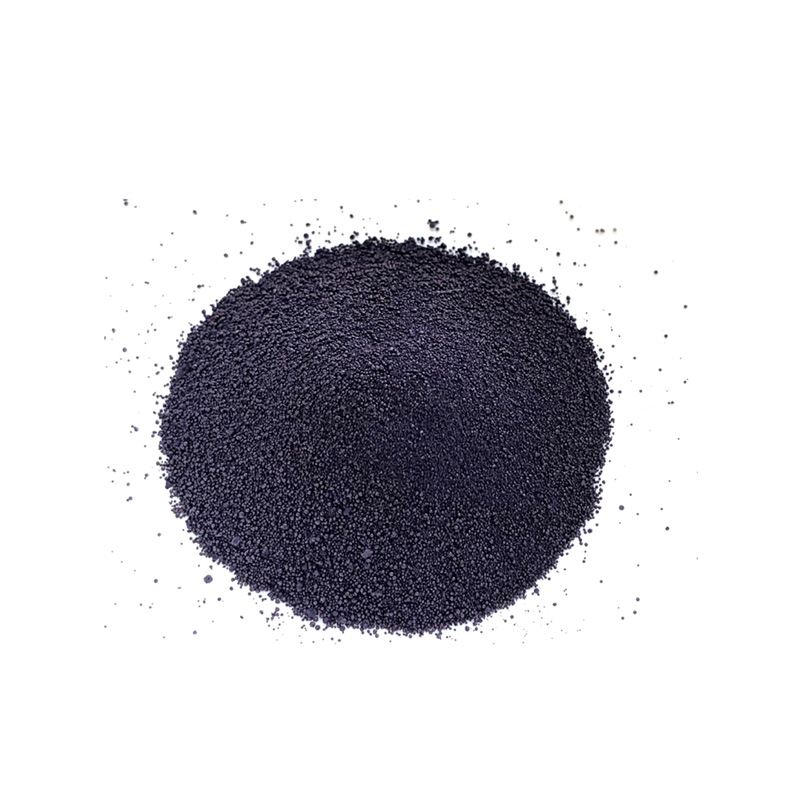
Indigo Blue Vat Blue
1.Name: indigo blue,vat blue 1,
2.Structure formula:
3.Molecule formula: C16H10N2O2
4.. CAS No.: 482-89-3
5.Molecule weight: 262.62
6.HS code: 3204151000
7.Major usage and instruction: Be mainly used to dye cotton fabrics.