

Natural Indigo Fabric – Sustainable Textile Solutions for Modern Industry
What Is Natural Indigo Fabric and Why Does It Matter?
Natural indigo fabric is more than just a pretty blue textile associated with classic denim jeans. It’s a centuries-old tradition rooted in sustainable production and cultural heritage. Around the globe, awareness is growing about the environmental toll of synthetic dyes, and natural indigo steps in as a biodegradable, non-toxic alternative that supports both nature and local artisans.
Understanding natural indigo fabric means appreciating how a simple plant-based dye can address global challenges, such as reducing water pollution in textile manufacturing, promoting fair trade practices, and preserving indigenous knowledge. For those in industries from fashion to interior design, knowing the benefits and limitations of natural indigo is increasingly critical.
Looking at the Global Stage: Why Natural Indigo Fabric Comes Into Focus
According to the United Nations, the fashion and textile industry accounts for roughly 20% of global industrial water pollution, due largely to synthetic dyeing processes. The ISO and other international standards are slowly nudging manufacturers toward cleaner technologies, but fabric producers and designers still face tough decisions.
Natural indigo fabric, produced from the plant Indigofera tinctoria and other sources, is gaining traction as a renewable, less harmful alternative. Around 70,000 tons of natural indigo dye are harvested annually in developing regions such as India, Japan, and parts of Africa.
But the challenge remains: how to scale natural indigo production without losing authenticity or overtaxing scarce agricultural land?
Natural Indigo Fabric Defined: The Basics
Simply put, natural indigo fabric is textile dyed with pigment extracted from the fermentation of specific indigo-producing plants. Unlike synthetic indigo—which is chemically manufactured—natural indigo requires a more time-intensive process involving careful cultivation and skilled artisanship.
Modern industry blends this tradition with innovation: fibers such as cotton, silk, or hemp absorb the indigo dye through a dipping and oxidation technique that creates the iconic rich blue tones. Beyond aesthetics, natural indigo fabric links craft, sustainability, and modern consumer demand for transparency and eco-consciousness.
Core Components of Quality Natural Indigo Fabric
1. Durability
One fascinating thing—many engineers say natural indigo-dyed fabric, when properly treated, can rival synthetic counterparts in colorfastness and tensile strength. This durability makes it highly suitable for denim, upholstery, and even technical textiles.
2. Scalability and Sourcing
Growing demand puts pressure on plant harvesting. Responsible sourcing ensures no overharvesting happens, preserving biodiversity. Organizations often partner directly with farming communities to maintain both supply and fairness.
3. Environmental Impact
Compared to synthetic dyes, natural indigo’s production requires fewer chemicals and results in dramatically lower water contamination, which helps ecosystems around dyeing facilities.
4. Cost Efficiency
Although pricier upfront, the reduction in wastewater treatment and health hazards often balances the scales. Consumer willingness to pay a premium for organic, artisanal goods also plays a role.
5. Aesthetic Uniqueness
The unpredictable variations in hand-dyed fabrics provide character and connect buyers to craft traditions across Asia, Africa, and South America, creating unmatched texture and shade depth.
Mini Takeaway
Natural indigo fabric represents not only an eco-friendly material but a holistic approach combining durability, sustainability, cost, and art — a rare balance in today's textile landscape.
Where Is Natural Indigo Fabric Making an Impact?
From Japanese boro textiles to West African bogolanfini and artisan denim producers in the U.S., natural indigo fabric bridges centuries of cultural craftsmanship with modern industry needs.
- Fashion Industry: Slow fashion brands use natural indigo for authentic, sustainable collections.
- Home Décor: Cushions, curtains, and upholstery benefit from indigo’s rich hues with less environmental cost.
- Humanitarian Aid: Interestingly, some NGOs source natural indigo textiles to support fair trade, local economies, and cultural preservation in post-disaster reconstruction.
- Luxury Goods: Designers experimenting with natural dyes for exclusive, high-end product lines.
Mini Takeaway
The fabric isn’t confined to one niche: its global footprint is diverse, with social, economic, and environmental wins everywhere it touches.
Advantages & Lasting Appeal of Natural Indigo Fabric
Using natural indigo fabric means investing in a product that is:
- Eco-friendly: Drivers of green manufacturing embrace it to reduce toxins and water waste.
- Socially Responsible: Often tied to fair trade initiatives empowering small farming communities.
- Clinically Safer: Skin sensitivity to synthetic dyes is avoided thanks to naturally derived pigments.
- Emotionally Charged: Wearing or using natural indigo fabric connects users to tradition, sustainability, and a sense of conscience.
Natural Indigo Fabric Specification Table
| Specification | Details |
|---|---|
| Material Base | Cotton, Hemp, Silk, Linen |
| Dye Source | Indigofera tinctoria Plant Extract |
| Color Range | Deep Blue, Indigo Shades, Fades to Lighter Blue |
| Wash Fastness | Medium to High (varies by process) |
| Environmental Impact | Low Toxicity, Biodegradable |
| Production Time | Several Days (Plant Growth + Dyeing) |
Comparing Top Natural Indigo Fabric Vendors
| Vendor | Regional Base | Certification | Production Capacity | Fair Trade Status |
|---|---|---|---|---|
| Indigena Fabrics Ltd. | India | GOTS, OEKO-TEX | 50 Tons/month | Yes |
| Kyoto Indigo Works | Japan | Local Organic | 20 Tons/month | No |
| Sankofa Dyes | West Africa | Fair Trade Certified | 15 Tons/month | Yes |
Emerging Trends and Innovations
Digitalization is seeping into every corner of the textile world, and natural indigo fabric isn’t immune. Technologies that monitor plant health to optimize dye yield, blockchain-based supply chain transparency, and automated eco-friendly dyeing vats are on the horizon.
Moreover, sustainable certifications are becoming more rigorous and globally accepted, pushing small producers towards greener farming and processing methods. There’s also work to blend natural indigo dyes with natural indigo fabric substrates that combine traditional and synthetic fibers to enhance performance without compromising sustainability.
Facing Challenges and Seeking Solutions
Natural indigo fabric faces challenges, like inconsistent dye results, slower production times, and supply risks related to climate change impacts on Indigofera crops. Many brands mitigate this by reinforcing supplier relationships, investing in R&D for improved fermentation techniques, and educating end-users about care instructions to extend fabric life.
Innovations in farming—like agroforestry and organic pest management—are steps forward, ensuring indigo cultivation thrives amid mounting environmental pressures.
FAQ: Your Questions About Natural Indigo Fabric
- Q: How is natural indigo fabric different from synthetic indigo?
- A: Natural indigo is plant-derived and dyed through fermentation, producing a richer, sometimes more variable hue with less environmental harm. Synthetic indigo is chemically synthesized, faster, and cheaper but causes more pollution.
- Q: Can natural indigo fabric withstand regular washing?
- A: Yes, if dyed and treated properly. However, natural indigo often fades gracefully, which many consider part of the fabric’s charm—almost like character-building in clothing. Gentle washing helps preserve color.
- Q: Is natural indigo fabric more expensive?
- A: Typically, yes, because of labor-intensive production and limited scale. However, it offers social and environmental value that many consumers increasingly appreciate.
- Q: Where can businesses purchase verified natural indigo fabric?
- A: Vendors certified by organizations like GOTS and Fair Trade are good starting points. Always request traceability and ask about cultivation practices.
- Q: How is natural indigo fabric impacting artisan communities?
- A: It provides livelihoods, preserves cultural heritage, and often empowers women and marginalized groups involved in the cultivation and dyeing processes.
Final Thoughts and Next Steps
The rise of natural indigo fabric is a hopeful sign that traditional knowledge and environmental responsibility can coexist with modern demands. It’s a textile story that’s as much about connection and community as it is about color and texture.
If you’re curious to explore authentic, sustainably sourced textiles, visit our website for more on natural indigo fabric and how it can elevate both your products and your brand values.
References:
-
Mastering the Art of China Japanese Indigo Dyeing Traditions
NewsApr.16,2026
-
Exploring the Elegance of China Deep Indigo Color in Textiles
NewsApr.09,2026
-
Discover High Quality China Jeans Blue Indigo for Global Markets
NewsApr.07,2026
-
Exploring the Rich Tradition of China Natural Indigo Dyed Fabric
NewsApr.04,2026
-
Exploring China Indigo Color in Nature History and Modern Applications
NewsMar.31,2026
-
Discover High Quality China Pure Indigo Powder for Vibrant Natural Dyeing
NewsMar.28,2026
-
Exploring the Rich History of China True Blue Indigo Textiles
NewsMar.26,2026
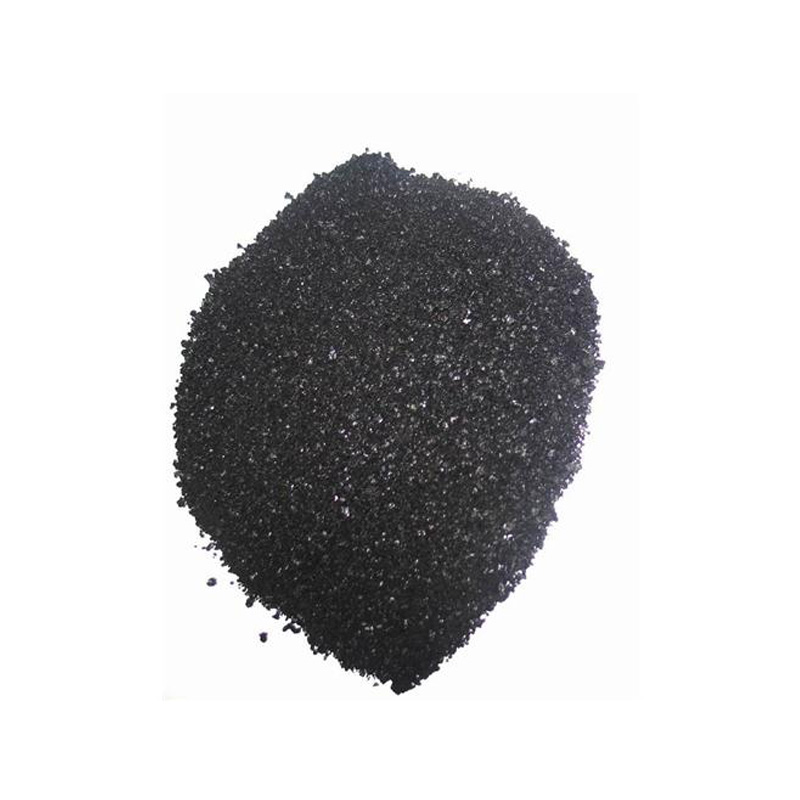
Sulphur Black
1.Name: sulphur black; Sulfur Black; Sulphur Black 1;
2.Structure formula:
3.Molecule formula: C6H4N2O5
4.CAS No.: 1326-82-5
5.HS code: 32041911
6.Product specification:Appearance:black phosphorus flakes; black liquid
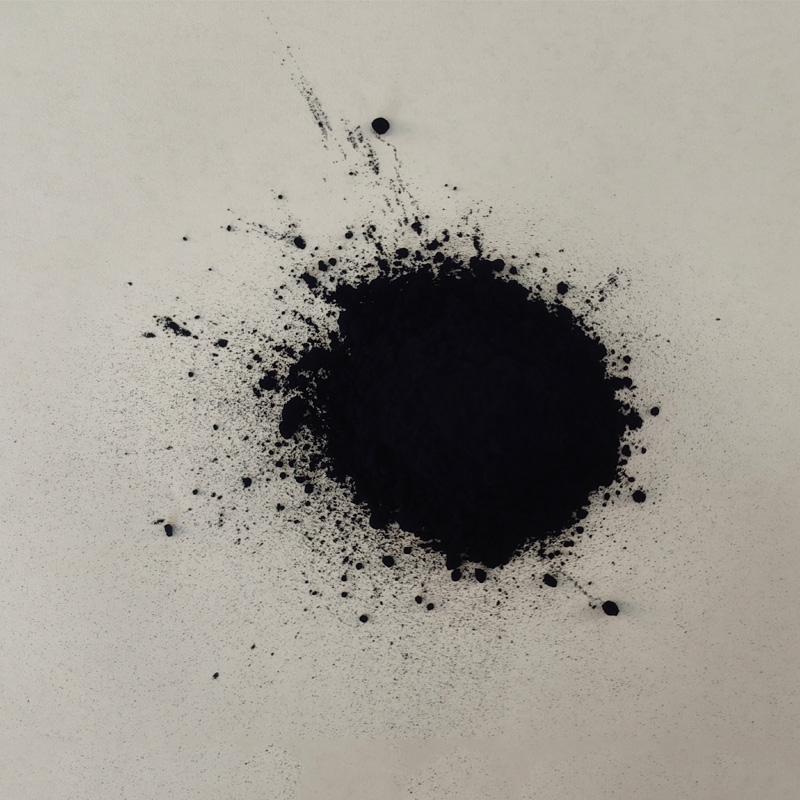
Bromo Indigo; Vat Bromo-Indigo; C.I.Vat Blue 5
1.Name: Bromo indigo; Vat bromo-indigo; C.I.Vat blue 5;
2.Structure formula:
3.Molecule formula: C16H6Br4N2O2
4.CAS No.: 2475-31-2
5.HS code: 3204151000 6.Major usage and instruction: Be mainly used to dye cotton fabrics.
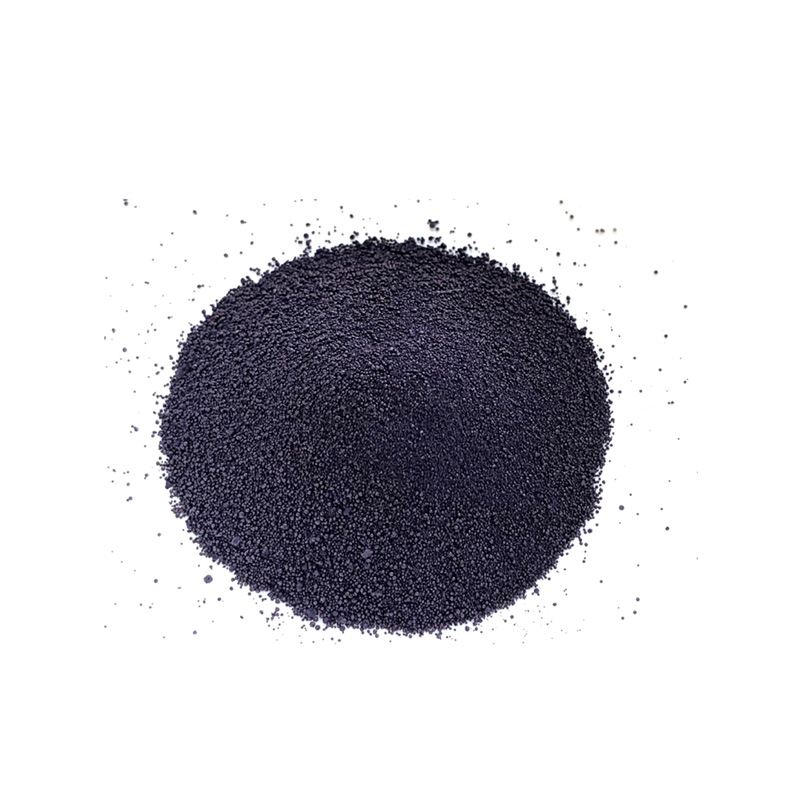
Indigo Blue Vat Blue
1.Name: indigo blue,vat blue 1,
2.Structure formula:
3.Molecule formula: C16H10N2O2
4.. CAS No.: 482-89-3
5.Molecule weight: 262.62
6.HS code: 3204151000
7.Major usage and instruction: Be mainly used to dye cotton fabrics.