

Understanding Organic Roots Indigo Powder: Sustainable Natural Dye for Modern Use
Discovering Organic Roots Indigo Powder: A Natural Dye with Global Impact
At first glance, organic roots indigo powder might sound like just another natural pigment, tucked away in some remote corner of the earth. But dive a little deeper, and you realize it’s part of a fascinating tale about sustainable industry, cultural heritage, and greener manufacturing trends worldwide.
Why should we care? Well, indigo dye has been treasured for thousands of years, but not all indigo powders are created equal. Organic roots indigo powder — which comes from organically farmed indigo plants — promises a purer, cleaner, and more ethical alternative to synthetic dyes that flood our fashion and textile markets. Its use is booming globally, as manufacturers, artisans, and even humanitarian groups seek ways to reduce environmental footprints while preserving irreplaceable traditional crafts.
Why Organic Roots Indigo Powder Matters in the Global Industry
According to data from the United Nations Sustainable Development Goals, the textile industry is one of the largest polluters, accounting for nearly 20% of industrial water pollution worldwide. Indigo dyeing — when done synthetically — involves chemicals harmful to ecosystems and often to workers. Here’s where organic roots indigo powder enters as a niche but rapidly growing solution.
Industry-wise, market reports estimate the eco-friendly dye sector will cross $10 billion by 2027, propelled by consumer demand for chemicals-free apparel and natural products. Yet challenges persist: crop yields for indigo plants vary greatly depending on geography and farming methods, and not all organic powders deliver the same dye fastness.
With brands increasingly pressing for transparency, organic roots indigo powder fills a dual role — environmental stewardship and cultural authenticity. It also addresses a socio-economic challenge: supporting smallholder farmers who rely on indigo cultivation in Asia, Africa, and South America.
What is Organic Roots Indigo Powder?
Simply put, organic roots indigo powder is a natural blue dye powder derived from the leaves of the Indigofera tinctoria plant, cultivated without synthetic fertilizers, pesticides, or herbicides. After harvesting, the leaves undergo fermentation and oxidation, producing the dry pigment powder artisans use for dyeing fabrics, threads, and even cosmetic products.
Unlike chemically produced indigo, this powder maintains the full spectrum of phytochemicals, making it not only a dye but potentially a bioactive ingredient. It ties modern industry to ancient practices — in India, Japan, and West Africa — where indigo dyeing is more than manufacturing: it’s cultural identity.
Core Components and Factors of Organic Roots Indigo Powder
1. Purity and Chemical Composition
The hallmark of organic roots indigo powder is its purity. Residual synthetic chemicals are absent by organic standards, while the molecular compound indigotin — responsible for the iconic blue hue — often presents in high concentrations. That purity contributes to the depth of color and reduces skin irritations in finished goods.
2. Sustainable Cultivation Practices
The roots of the plant and the dye extraction process rely heavily on sustainable farming techniques: crop rotation, minimal water use, and biodiverse soil management. These practices help enhance the local ecosystem rather than degrade it — crucial in regions already stressed by climate change.
3. Dye Fastness and Application Versatility
Many dye manufacturers fret about how long natural dyes last. Organic roots indigo powder consistently offers decent light and wash fastness — a big deal for artisans and fashion brands wanting longevity without synthetic chemicals.
4. Traceability and Ethical Sourcing
Knowing exactly where your indigo powder comes from is huge, not just for marketing but for real-world impact. This transparency lets consumers support fair wage practices and enables companies to report on sustainability benchmarks credibly.
Organic Roots Indigo Powder: Technical Specifications
| Specification | Details |
|---|---|
| Source Plant | Indigofera tinctoria (Organic) |
| Color Index | CI 75810 (Indigotin) |
| Moisture Content | Less than 12% |
| Particle Size | Fine powder (50 - 100 μm) |
| Dye Fastness | 4-5 (ISO 105-B02 Wash Fastness Scale) |
| Organic Certification | USDA, EU Organic, JAS (varies by vendor) |
How Organic Roots Indigo Powder is Changing Industries and Communities
From fashion runways in Milan to rural villages in India, organic roots indigo powder is making an impact. Textile companies embracing slow fashion champion this powder to color garments sustainably — cutting back on synthetic dyes responsible for chemical runoff.
Moreover, NGOs and fair trade cooperatives use indigo farming to empower farmers, especially women, providing them steady incomes while preserving indigenous agricultural knowledge. In post-disaster relief zones, natural dyes like indigo also help revive local cottage industries fast, promoting social resilience.
Not to mention its forays into cosmetics — think natural blue eyeshadows or eco-friendly hair dyes — where synthetic alternatives often feature harmful ingredients. The powder’s versatility extends beyond textiles, tapping into the organic personal care surge.
Comparison of Leading Organic Roots Indigo Powder Vendors
| Vendor | Origin | Certifications | Annual Production (tons) | Price (per kg USD) |
|---|---|---|---|---|
| EcoIndigo Co. | India | USDA Organic, Fairtrade | 50 | $22 |
| GreenRoots Indigo | Kenya | EU Organic, Fairtrade | 30 | $24 |
| NaturIndigo Ltd. | Peru | JAS Organic | 15 | $20 |
What Makes Organic Roots Indigo Powder Advantageous in the Long Run?
It’s tempting to focus purely on price when comparing dyes, but organic roots indigo powder offers benefits that run deeper than the ledger. Many designers and artisans say the vibrancy and “soul” of color feel more authentic — a small but important emotional connection to the material’s history and ecology.
Sustainability-wise, it almost always beats synthetic dyes for water usage, toxic waste, and carbon footprint (ISO environmental impact assessments back this up). Plus, many workers in indigo farms experience better health outcomes, thanks to reduced chemical exposure.
To top it off, socially responsible sourcing supports rural economies and encourages biodiversity — a win-win for the planet and people.
Emerging Innovations: Where is Organic Roots Indigo Powder Headed?
R&D teams across the globe are exploring fermenting techniques that boost indigotin content, improving color fastness while cutting processing time. Some startups are integrating blockchain-enabled traceability to guarantee origins and environmental claims to buyers — which increasingly matter in digital marketplaces.
On the policy side, tighter regulations on synthetic pollutants create stronger incentives for adopting natural alternatives. As eco-conscious fashion moves mainstream, expect more hybrid blends combining organic indigo with advanced bio-based fibers.
Common Challenges and How Industry Players Are Tackling Them
The growth is promising, but let’s be candid: organic indigo powder production is not without hurdles. The variability of natural crops introduces consistency issues. Weather impacts yields and quality, creating supply-chain unpredictability.
Additionally, costs can be higher than mass-produced synthetic counterparts, sometimes limiting scale. Yet industry experts propose investing in cooperative farming models, mechanizing dye extraction while staying organic, and educating consumers on the true cost of eco-friendly dyes.
FAQ: Organic Roots Indigo Powder
- Q: How does organic roots indigo powder compare to synthetic indigo in terms of colorfastness?
A: Organic indigo powder generally provides good colorfastness, typically rated 4 to 5 on the ISO wash fastness scale. While synthetic dyes may excel in consistency, natural indigo delivers sufficient longevity for everyday garments when properly applied. - Q: Is organic roots indigo powder suitable for all textile types?
A: It's primarily used with cotton, wool, and silk fibers. Cellulose fibers like cotton absorb organic indigo particularly well, but experiments with plant-based blends are underway to widen its application. - Q: Can small fashion brands source certified organic indigo powder reliably?
A: Yes, there are established suppliers worldwide who offer certified organic roots indigo powder with traceability and fair trade credentials. Ordering in bulk helps reduce price premiums. - Q: How does organic indigo farming impact local communities?
A: It often fosters economic empowerment, especially in rural regions, by supporting sustainable agriculture practices and providing stable incomes for smallholder farmers.
Wrapping Up: Why Organic Roots Indigo Powder is More Than Just a Dye
To sum up, organic roots indigo powder is a little powerhouse bridging ancient traditions with forward-thinking sustainability. It offers color, culture, and conscience all in one — proving natural products still have plentiful room in a high-tech, fast-fashion world.
I encourage you to explore this pigment’s potential, whether you’re a designer eyeing eco-friendly materials or a curious consumer wanting to leave a lighter footprint. For more details and sourcing options, visit our website: organic roots indigo powder.
Quick takeaway: Embracing organic roots indigo powder means embracing a greener planet and authentic craftsmanship — not just a trend, but a tradition reborn.
References
-
Mastering the Art of China Japanese Indigo Dyeing Traditions
NewsApr.16,2026
-
Exploring the Elegance of China Deep Indigo Color in Textiles
NewsApr.09,2026
-
Discover High Quality China Jeans Blue Indigo for Global Markets
NewsApr.07,2026
-
Exploring the Rich Tradition of China Natural Indigo Dyed Fabric
NewsApr.04,2026
-
Exploring China Indigo Color in Nature History and Modern Applications
NewsMar.31,2026
-
Discover High Quality China Pure Indigo Powder for Vibrant Natural Dyeing
NewsMar.28,2026
-
Exploring the Rich History of China True Blue Indigo Textiles
NewsMar.26,2026
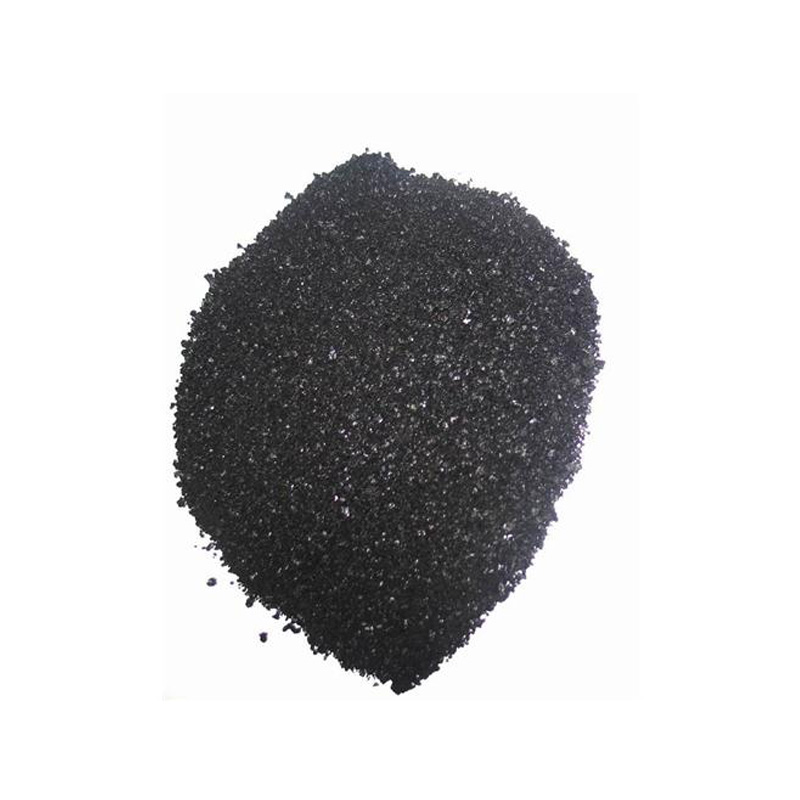
Sulphur Black
1.Name: sulphur black; Sulfur Black; Sulphur Black 1;
2.Structure formula:
3.Molecule formula: C6H4N2O5
4.CAS No.: 1326-82-5
5.HS code: 32041911
6.Product specification:Appearance:black phosphorus flakes; black liquid
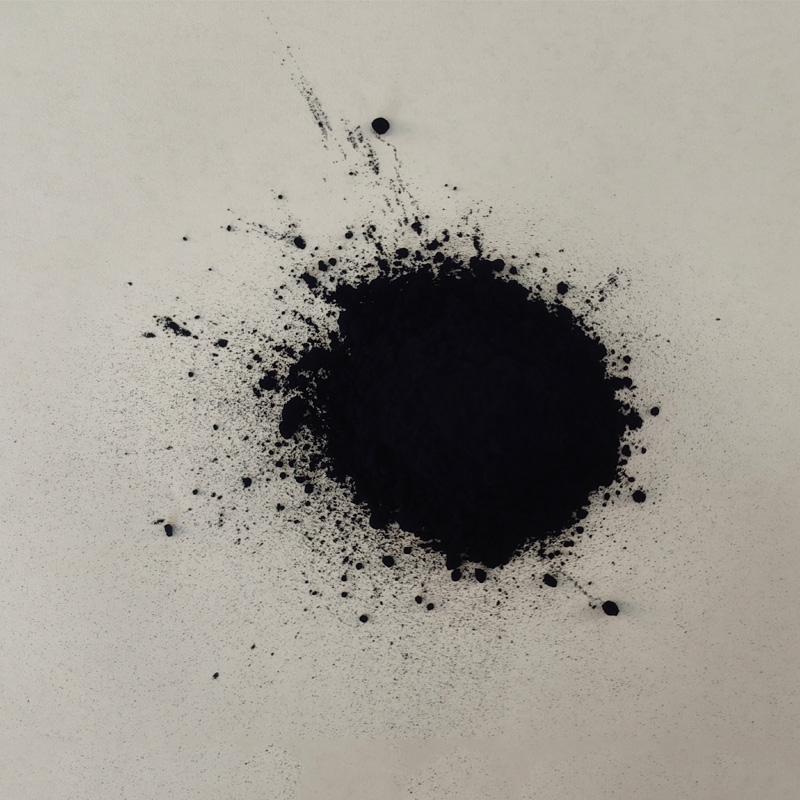
Bromo Indigo; Vat Bromo-Indigo; C.I.Vat Blue 5
1.Name: Bromo indigo; Vat bromo-indigo; C.I.Vat blue 5;
2.Structure formula:
3.Molecule formula: C16H6Br4N2O2
4.CAS No.: 2475-31-2
5.HS code: 3204151000 6.Major usage and instruction: Be mainly used to dye cotton fabrics.
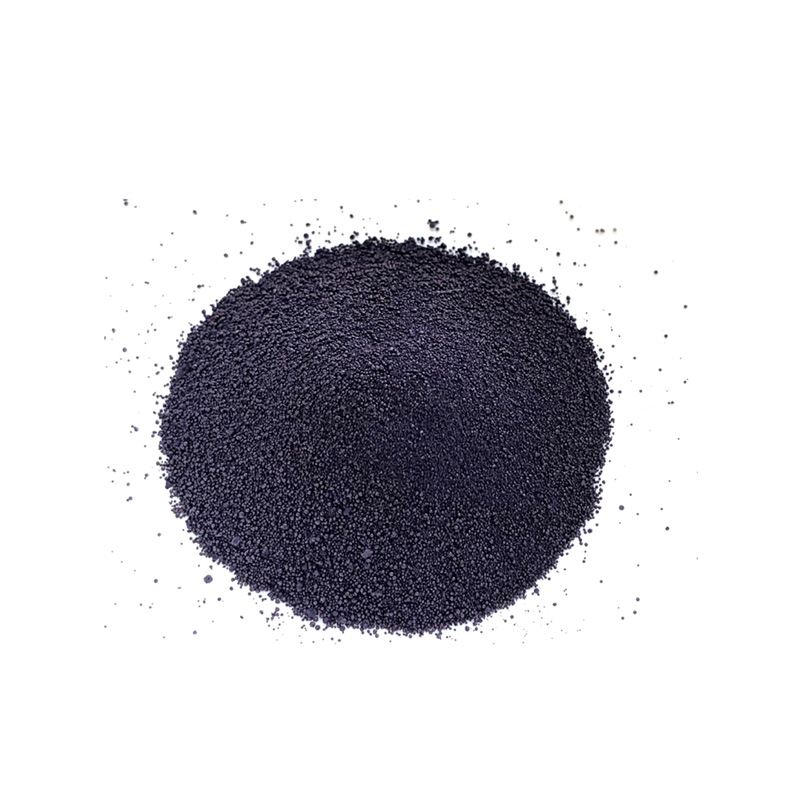
Indigo Blue Vat Blue
1.Name: indigo blue,vat blue 1,
2.Structure formula:
3.Molecule formula: C16H10N2O2
4.. CAS No.: 482-89-3
5.Molecule weight: 262.62
6.HS code: 3204151000
7.Major usage and instruction: Be mainly used to dye cotton fabrics.