

ODM Indigo Blue Cotton Fabric – Durable Industrial-Grade Textile
ODM Indigo Blue Cotton Fabric: Durable and Distinctive for Industrial Use
Having spent quite some time in the industrial equipment and materials sector, I’ve seen my fair share of fabric trends come and go. But one consistently reliable material that often pops up is ODM indigo blue cotton fabric. It’s not just about its rich, deep blue hue—it’s the fabric’s robust performance in tough environments that always catches my attention.
Indigo dyeing, for those who might be wondering, is a traditional process known for producing that signature blue color. But when it’s combined with high-grade cotton and tailored by ODM specialists, it becomes much more than just pretty fabric. Your standard cotton can feel soft but fragile—but this indigo cotton? It’s got backbone.
Frankly, working with these fabrics reminds me why natural fibers still hold their own in industrial applications. The breathability coupled with the sturdy weave means it’s comfortable yet durable—ideal for uniforms, heavy-duty work shirts, or even upholstery where wear-resistance is key.
It’s interesting how manufacturers are adapting ODM indigo fabric these days. There’s a real push for customization—not just in shade depth but in fabric weight and finishing treatments. Some vendors add a water-resistant finish, which is a game changer when you need that extra layer of protection without compromising cotton’s natural feel.
Speaking of which, here’s a quick rundown of typical specs you might expect when sourcing this fabric:
| Specification | Details |
|---|---|
| Material | 100% Cotton (combed ring-spun yarn) |
| Weave | Canvas or Twill weave |
| Weight | 250 - 350 GSM (customizable) |
| Color | Indigo blue, natural indigo dyed |
| Finish | Soft handfeel; optional water- and stain-resistant coating |
| Shrinkage | Pre-shrunk to under 3% |
Oddly enough, despite all the digital dyeing innovations, many manufacturers lean towards natural indigo dye for this fabric. It’s partially about eco-friendliness—natural indigo is biodegradable and sourced renewably—but also about the look and longevity. Synthetic indigo sometimes can fade too quickly or look too uniform, lacking that character sought in industrial aesthetics.
I recall a client—a mid-sized apparel maker based in Europe—who switched over to ODM indigo blue cotton for their workwear line last year. They noticed not only a surge in customer satisfaction but also fewer complaints about color fading or fabric breakdown. That’s no small feat in industrial-grade apparel where rough handling is the norm.
Now, you’ll often encounter a handful of ODM vendors specializing in this kind of fabric. Let’s take a quick comparative glance at three of the more prominent ones, based on typical industry feedback:
| Vendor | Fabric Quality | Customization Options | Lead Times | Price Tier |
|---|---|---|---|---|
| Wuxin Group | High (organic cotton, natural indigo) | Wide (weight, finish, shade) | 4–6 weeks | Mid-range |
| BlueTex Fabrics | Moderate (blended cotton/polyester) | Limited (mostly weight) | 3–5 weeks | Lower-end |
| Indigo Innovate | Premium (GOTS-certified cotton) | Extensive (organic options, advanced finishes) | 6–8 weeks | High-end |
So if you’re weighing your options for ODM indigo blue cotton fabrics, the choice often boils down to a balance between quality, customization, and timelines. You know, it’s not always just about price—durability and supply chain reliability come into play far more than most realize.
I guess one of the key points every industrial buyer should know is: doped fabric like this isn’t just a matter of color but performance under stress. Expect that indigo blue cotton to fade gracefully, withstand rugged use, and feel comfortable enough for extended wear. And if you value customization, vendors like the Wuxin Group offer some of the best flexibility in the field.
All told, the ODM indigo blue cotton fabric space is quietly evolving with sustainability and technical improvements leading the charge. It’s oddly satisfying to see natural materials adapt so well to modern industrial demands.
In my experience, investing in trusted ODM partners for indigo cotton isn’t just about meeting specs—it’s about building a fabric relationship that stands the test of time.
References:
- Wuxin Group Product Specifications, 2024.
- Industry feedback on Indigo-dyed fabrics, Textile World Journal, 2023.
- GOTS Certification Reports, Organic Cotton Standards, 2022.
-
Mastering the Art of China Japanese Indigo Dyeing Traditions
NewsApr.16,2026
-
Exploring the Elegance of China Deep Indigo Color in Textiles
NewsApr.09,2026
-
Discover High Quality China Jeans Blue Indigo for Global Markets
NewsApr.07,2026
-
Exploring the Rich Tradition of China Natural Indigo Dyed Fabric
NewsApr.04,2026
-
Exploring China Indigo Color in Nature History and Modern Applications
NewsMar.31,2026
-
Discover High Quality China Pure Indigo Powder for Vibrant Natural Dyeing
NewsMar.28,2026
-
Exploring the Rich History of China True Blue Indigo Textiles
NewsMar.26,2026
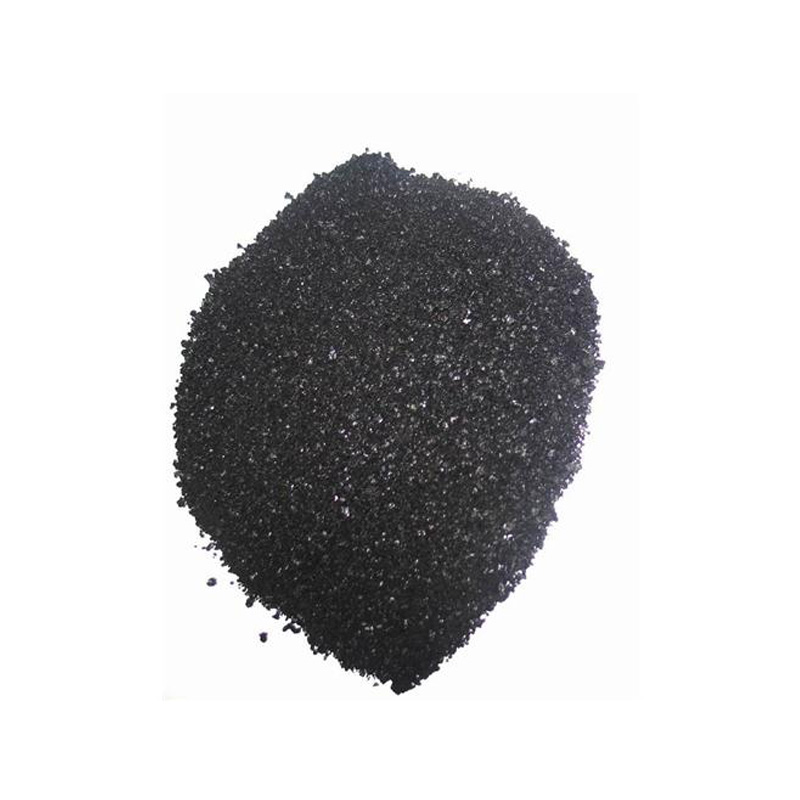
Sulphur Black
1.Name: sulphur black; Sulfur Black; Sulphur Black 1;
2.Structure formula:
3.Molecule formula: C6H4N2O5
4.CAS No.: 1326-82-5
5.HS code: 32041911
6.Product specification:Appearance:black phosphorus flakes; black liquid
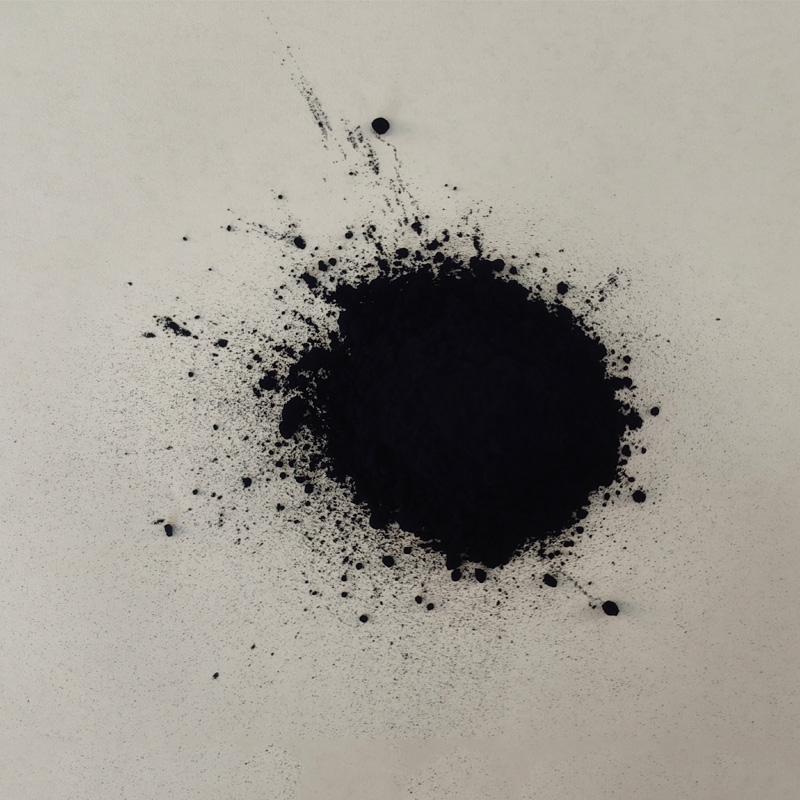
Bromo Indigo; Vat Bromo-Indigo; C.I.Vat Blue 5
1.Name: Bromo indigo; Vat bromo-indigo; C.I.Vat blue 5;
2.Structure formula:
3.Molecule formula: C16H6Br4N2O2
4.CAS No.: 2475-31-2
5.HS code: 3204151000 6.Major usage and instruction: Be mainly used to dye cotton fabrics.
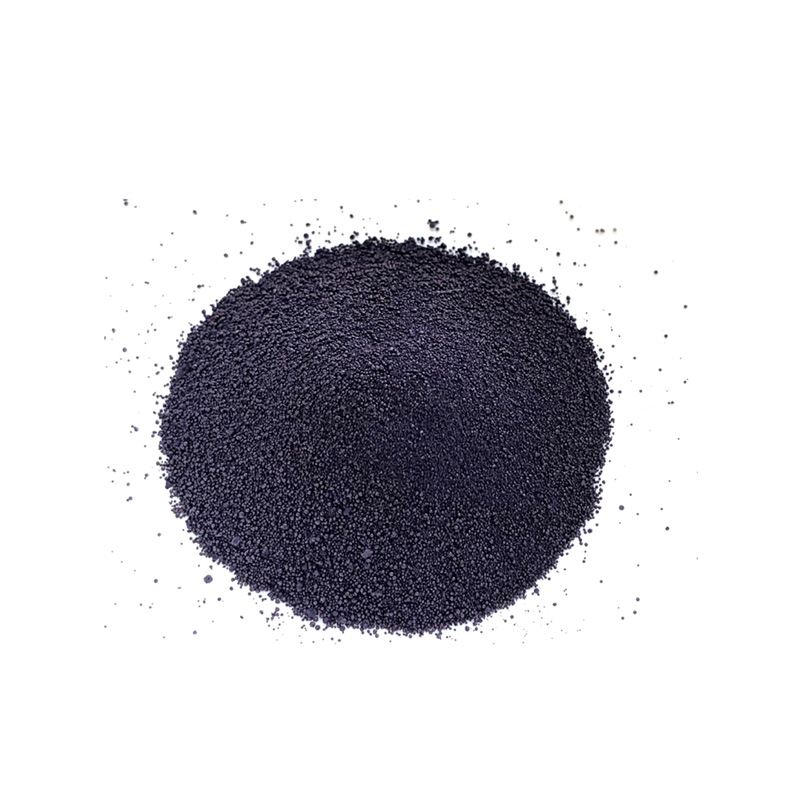
Indigo Blue Vat Blue
1.Name: indigo blue,vat blue 1,
2.Structure formula:
3.Molecule formula: C16H10N2O2
4.. CAS No.: 482-89-3
5.Molecule weight: 262.62
6.HS code: 3204151000
7.Major usage and instruction: Be mainly used to dye cotton fabrics.