

Pure Organic Indigo Powder – Sustainable Natural Dye for Modern Industry
What Is Pure Organic Indigo Powder and Why It Matters Globally
If you’ve ever picked up a classic pair of jeans or admired a vibrant textile from India or Japan, you’ve likely encountered indigo dye — that rich, deep blue that’s been treasured for centuries. Pure organic indigo powder, however, takes this ancient pigment a step further by ensuring a natural, eco-friendly, and chemical-free product. This matters not only for fashion but for global sustainability, supply chain ethics, and environmental impact. Understanding pure organic indigo powder is essential because it represents both the preservation of a cultural craft and the future of responsible industrial dyeing.
Globally, industries are facing growing pressure to reduce pollution and carbon footprints. Conventional synthetic dyes can be harsh, toxic, and resource-intensive. Hence, pure organic indigo powder isn’t just a niche artisanal product—it’s a solution actively helping sectors from fashion to food coloring, and even art restoration, to embrace greener practices.
Mini takeaway: Pure organic indigo powder links age-old practices to modern demands for sustainability, opening a door to eco-friendly dyeing worldwide.
The Global Context: Why Organic Indigo Powder Is More Relevant Than Ever
According to the United Nations Environment Programme, textile dyeing contributes up to 20% of global industrial water pollution. Meanwhile, the fashion industry accounts for 10% of annual carbon emissions worldwide (source). It’s no surprise then that natural dyes like pure organic indigo powder are gaining traction. In Asia, Africa, and South America, artisan communities have long cultivated indigo plants such as Indigofera tinctoria for their unique and stable pigments.
Yet, there remains a challenge: meeting global industrial demands while preserving the purity and sustainability that organic indigo promises. Many synthetic substitutes flood the market, flooding waterways and jeopardizing health. On the flip side, local producers sometimes struggle scaling their processes in a sustainable way.
The rise of conscious consumerism combined with international standards like ISO 14001 on environmental management creates a space where pure organic indigo powder is no longer just “nice to have” — it’s a competitive advantage.
Mini takeaway: Pure organic indigo powder holds promise not because it’s trendy, but because it integrates environmental goals with cultural heritage at a global scale.
Pure Organic Indigo Powder: What Exactly Is It?
Put simply, pure organic indigo powder is a naturally derived pigment produced by fermenting leaves of indigo plants without synthetic chemicals or pesticides. Unlike synthetic indigo, which is petroleum-based, this powder represents the unadulterated product of a centuries-old botanical process.
The powder itself is a deep blue-green substance that artists, dyers, and manufacturers dissolve into vats for fabric dying, inks, or even food-grade coloring in some cases. The term “pure” means the source is ethically farmed and processed with no additives — a key point for industries keen on organic or vegan labeling.
Interestingly, the powder does not dissolve directly in water but requires a reduction step, turning it into a soluble leuco form. This feature complicates dyeing but results in some of the best colorfastness and richness found in natural dyes.
Core Components and Characteristics of Pure Organic Indigo Powder
1. Quality & Purity
The hallmark of any organic indigo powder is its purity. This means zero synthetic dyestuffs, heavy metals, or solvents. High-purity organic indigo provides brighter colors, better fastness, and less environmental impact after use. Many labs measure purity via spectrometry and microbial testing to ensure no contamination.
2. Sustainability of Source
Indigo plants are perennial legumes that enrich soil and require less water relative to cotton or synthetic dye production. When farmed organically, they contribute to biodiversity and reduce erosion — a win for farmers in developing regions.
3. Colorfastness and Durability
Pure organic indigo displays excellent fade resistance and washes well into fabrics without losing vibrancy. This longevity is why denim brands and heritage crafts still prize it despite synthetic alternatives.
4. Scalability & Consistency
One tricky aspect is producing large batches with uniform quality. Variability in plant chemistry and fermentation processes can cause color shifts. However, advancements in fermentation control and quality protocols help industrial users achieve consistency for commercial runs.
5. Health and Safety
Without synthetic chemicals, organic indigo powder is safer for workers and consumers. It reduces allergy risks and toxic exposures frequently found in fast fashion production lines.
| Parameter | Typical Values | Unit |
|---|---|---|
| Purity (Indigo content) | 80-85% | % |
| Moisture Content | 8-10% | % |
| Fermentation Residue | % | |
| Bulk Density | 0.45-0.6 | g/cm³ |
| pH (1% solution) | 7.0 - 8.5 | - |
Real-World Uses: Where Pure Organic Indigo Powder Makes a Difference
It’s one thing to talk specs and ideals, but where does this all land in real, gritty industries?
- Fashion and Textiles: Brands looking to promote organic, sustainable lines often showcase products dyed with pure organic indigo powder. Artisans in India and West Africa use it for traditional cloths, preserving heritage and providing livelihoods.
- Art and Restoration: Museums and restoration experts treasure organic indigo when restoring antique fabrics or paintings that originally used natural dyes.
- Cosmetics and Food Industry: While less common, indigo-derived natural colorings appear in vegan makeup and some beverage production — a testament to its purity and safety.
- Crafts and DIY Communities: In remote or resource-limited regions, DIY dyers prize the stabilizing qualities of organic indigo powders for small-batch projects with low impact.
For example, a recent collaboration between a sustainable fashion startup and indigenous farms in Southeast Asia helped double income for local farmers while reducing chemical dye use across their entire supply chain.
Mini takeaway: Pure organic indigo powder isn’t just niche; it’s a linchpin for sustainable development across various industries and communities worldwide.
Advantages That Reward Long-Term Thinking
If you’re still wondering whether to incorporate pure organic indigo powder into your product or production line, here’s the quick rundown on why patience and investment pay off:
- Environmental Sustainability: Reduces the use of harsh chemicals, lowers water pollution, and supports organic agriculture.
- Economic Empowerment: Often sourced from smallholder farmers and artisanal processors in developing economies.
- Product Quality: Superior colorfastness and a unique aesthetic with subtle variability that many consumers appreciate.
- Health & Safety Benefits: Safer for workers and consumers, especially appealing for organic and vegan markets.
- Brand Reputation: Using organic indigo can be a strong differentiator in saturated markets, signaling commitment to ethics and quality.
Emotionally, this pigment carries stories and tradition, fulfilling a consumer’s desire for authenticity and natural beauty. Practically, it cuts down on waste and toxic treatment steps — a win-win.
Looking Ahead: Future Trends and Innovations
The organic dyeing industry is far from standing still. Here are some exciting developments on the horizon:
- Biotechnological Enhancements: Genetic research is improving indigo plant strains to yield higher pigment while maintaining organic certification.
- Automated Fermentation Processes: To scale sustainably and reduce batch variability, some companies use AI-controlled vats.
- Integration with Circular Fashion: Concepts where textiles dyed with organic indigo are reclaimed and recycled, aligning with zero-waste goals.
- Policy and Certification Advances: Expansion of recognized eco-labeling (like GOTS — Global Organic Textile Standards) helps producers access premium markets more easily.
Challenges and How Experts Are Overcoming Them
Despite the charm and benefits, pure organic indigo powder faces hurdles:
- Scaling Production: Maintaining organic integrity at large volumes is difficult due to agricultural cycles and fermentation complexity.
- Cost Competitiveness: Organic products typically cost more, challenging manufacturers aiming for mass markets.
- Technical Difficulties: Indigo demands skilled dyeing techniques, with risks of uneven coloring if improperly handled.
However, collaborative efforts between NGOs, research institutions, and industry leaders are pioneering solutions such as community cooperatives for larger scale farming, subsidies for organic certification, and advanced quality control training.
| Vendor | Origin | Certification | Typical MOQ | Price Range (USD/kg) |
|---|---|---|---|---|
| IndigoEco (Vietnam) | Vietnam | GOTS, USDA Organic | 50 kg | $25 - $35 |
| BlueRoots (India) | India | GOTS, Fair Trade | 100 kg | $22 - $30 |
| NatureDyes (Peru) | Peru | USDA Organic | 30 kg | $28 - $40 |
FAQ: Common Questions About Pure Organic Indigo Powder
1. How does pure organic indigo powder differ from synthetic indigo?
Pure organic indigo is plant-derived and processed without synthetic chemicals, making it safer and more sustainable. Synthetic indigo is chemically manufactured, often involving toxic substances and greater environmental harm.
2. Can pure organic indigo powder be used on all fabric types?
It's best suited for natural fibers like cotton, linen, and silk, as these absorb the dye well. Synthetic fabrics often require different dye chemistries and may not show the vibrant shades organic indigo offers.
3. What are typical storage conditions?
Store in a cool, dry place away from direct sunlight to maintain pigment stability and prevent spoilage. Moisture can degrade quality over time.
4. Is pure organic indigo powder suitable for vegan products?
Yes, since it's plant-based and contains no animal-derived materials, it's ideal for vegan and cruelty-free certifications.
5. Where can I purchase pure organic indigo powder in bulk?
Suppliers like those profiled above offer global shipping. Always look for certifications like GOTS and request sample testing to ensure purity and quality.
Wrapping It Up: Natural Beauty Meets Sustainable Innovation
Pure organic indigo powder is more than just a dye — it's a bridge between tradition, environment, and industry. Its rich history, combined with future-driven sustainability efforts, makes it a compelling choice for companies and artisans alike. Whether you’re sourcing for a boutique fashion line or spearheading a green manufacturing initiative, this ancient pigment offers undeniable long-term value.
If you're curious to explore or source authentic pure organic indigo powder, don’t hesitate to visit our website and discover more. It’s kind of exciting to imagine what future fabrics, designs, or artworks might glow with this timeless blue.
References
- Wikipedia: Indigo Dye
- UN Environment Programme: Textile Industry Pollution
- ISO 14001 Environmental Management Standards
-
Mastering the Art of China Japanese Indigo Dyeing Traditions
NewsApr.16,2026
-
Exploring the Elegance of China Deep Indigo Color in Textiles
NewsApr.09,2026
-
Discover High Quality China Jeans Blue Indigo for Global Markets
NewsApr.07,2026
-
Exploring the Rich Tradition of China Natural Indigo Dyed Fabric
NewsApr.04,2026
-
Exploring China Indigo Color in Nature History and Modern Applications
NewsMar.31,2026
-
Discover High Quality China Pure Indigo Powder for Vibrant Natural Dyeing
NewsMar.28,2026
-
Exploring the Rich History of China True Blue Indigo Textiles
NewsMar.26,2026
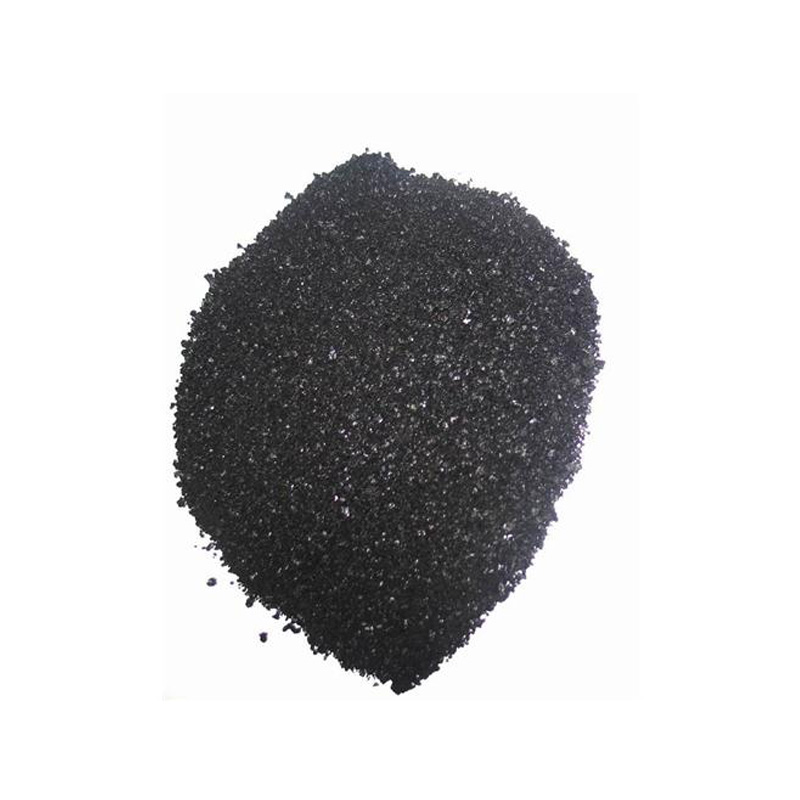
Sulphur Black
1.Name: sulphur black; Sulfur Black; Sulphur Black 1;
2.Structure formula:
3.Molecule formula: C6H4N2O5
4.CAS No.: 1326-82-5
5.HS code: 32041911
6.Product specification:Appearance:black phosphorus flakes; black liquid
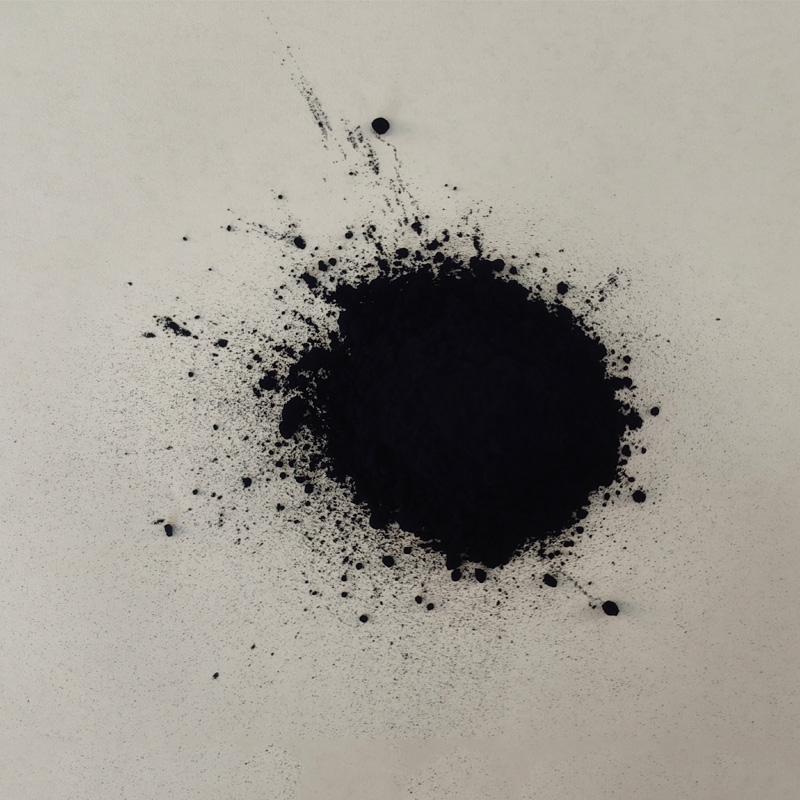
Bromo Indigo; Vat Bromo-Indigo; C.I.Vat Blue 5
1.Name: Bromo indigo; Vat bromo-indigo; C.I.Vat blue 5;
2.Structure formula:
3.Molecule formula: C16H6Br4N2O2
4.CAS No.: 2475-31-2
5.HS code: 3204151000 6.Major usage and instruction: Be mainly used to dye cotton fabrics.
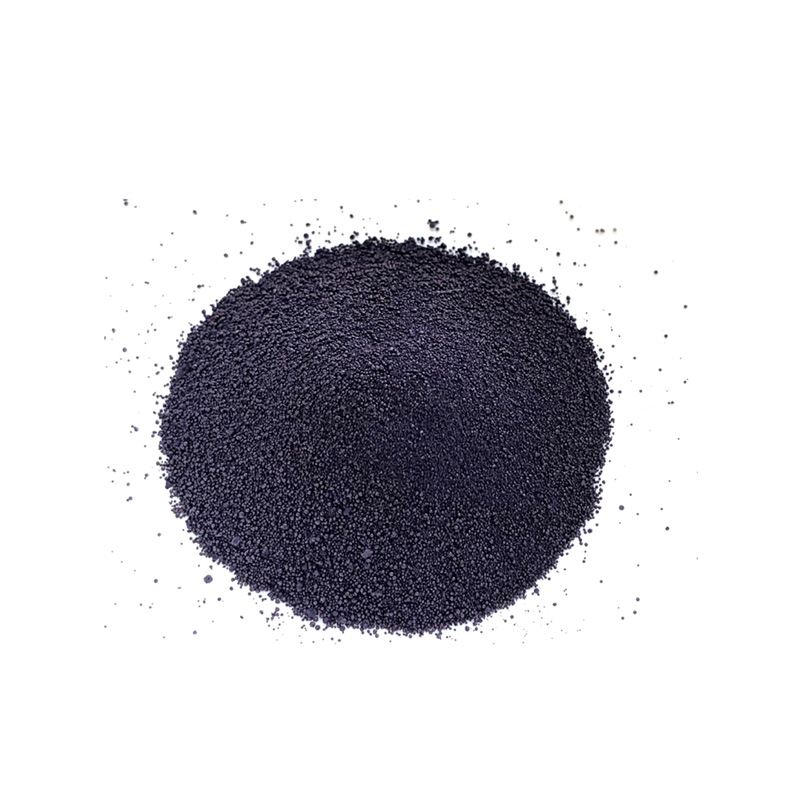
Indigo Blue Vat Blue
1.Name: indigo blue,vat blue 1,
2.Structure formula:
3.Molecule formula: C16H10N2O2
4.. CAS No.: 482-89-3
5.Molecule weight: 262.62
6.HS code: 3204151000
7.Major usage and instruction: Be mainly used to dye cotton fabrics.