

Discover the Best Organic Indigo Powder: Sustainable Natural Dye Solutions
Unlocking the Potential of the Best Organic Indigo Powder in Today’s World
When you hear “indigo,” you might picture deep blue fabrics or ancient dyes—but the best organic indigo powder is so much more than just a colorant. It’s a natural marvel that carries centuries of tradition into the modern green revolution, touching industries from fashion to sustainable agriculture. Understanding why it matters globally isn’t just about appreciating a pretty blue; it’s about recognizing solutions that blend ecology, economy, and culture at once.
Today, organic indigo powder is redefining standards for natural dyes, providing a safer, eco-conscious alternative to synthetic counterparts. Especially as the fashion and textile sectors grapple with pollution concerns—according to UNESCO, the textile industry is one of the top polluters worldwide—organic indigo becomes a beacon of hope for those aiming to turn back the clock on environmental degradation.
Mini takeaway: The best organic indigo powder offers a rare intersection of tradition, innovation, and sustainability that could reshape natural dyeing globally.
The Global Context: Why Organic Indigo Powder Is Making Waves
Globally, consumers and manufacturers alike are increasingly conscious of their ecological footprints. To put numbers to it, the World Bank estimates that the textile industry generates about 20% of industrial water pollution worldwide. Enter organic indigo powder—a plant-derived dye that avoids harmful chemicals and wasteful water use.
The broad adoption of organic indigo isn’t just fuelled by environmentalism but also by health concerns and market demand. The International Organization for Standardization (ISO) recently released stricter regulations on dyes used in textiles, paving the way for organically sourced compounds to gain preference. But here’s the kicker: sourcing the best organic indigo powder is tricky without disrupting delicate ecosystems or compromising quality.
Mini takeaway: Stricter regulations and rising eco-awareness across the textile sector underscore why organic indigo powder's appeal is rising fast worldwide.
What Exactly Is the Best Organic Indigo Powder?
At its core, organic indigo powder comes from Indigofera tinctoria, a plant traditionally cultivated for its ability to produce vivid blue pigment. But unlike conventional indigo dyes that often involve synthetic chemicals and harsh processing, organic indigo powder is cultivated and processed without pesticides or synthetic inputs.
It’s the “best” not only because of purity but due to its rich color profile and environmentally conscientious processing. This powder, when used in textiles, cosmetics, or even art supplies, offers a natural, biodegradable alternative to chemical dyes, supporting both artisan communities and eco-friendly manufacturers alike.
Mini takeaway: Best organic indigo powder combines traditional botanical sourcing with modern organic farming to create a safe, vibrant dyeing solution.
Key Factors Making Organic Indigo Powder Stand Out
1. Purity and Organic Certification
The purity of organic indigo powder depends on strictly organic cultivation methods. Certification (such as USDA Organic or EU Organic) guarantees no synthetic pesticides or fertilizers were used, ensuring minimal environmental harm.
2. Color Fastness & Durability
Natural indigo is famous for its rich, lasting blues. The best powders maintain this quality, offering garments and products dye fastness that rivals some synthetic dyes without the toxic runoffs.
3. Eco-Friendly Processing
Organic indigo undergoes a fermentation and oxidation process with little to no chemical additives, drastically reducing wastewater toxicity.
4. Cost-effectiveness & Scalability
Traditionally perceived as costly, improved agricultural techniques and supply chain innovations now allow organic indigo powder to scale affordably for both small artisans and large manufacturers.
5. Versatility in Applications
From textile dyeing to cosmetics, and even natural inks, organic indigo powder’s uses are spreading, thanks to its non-toxicity and safety for skin contact.
Mini takeaway: Certified purity, enduring color quality, and eco-conscious processing are primary reasons organic indigo powder is a rising star in many industries.
How the Best Organic Indigo Powder Is Changing the Game Globally
Across Asia—especially India and China—the indigo plant has been cultivated traditionally for centuries. Today, with international demand for organic textiles, these regions are innovating cultivation techniques, integrating modern sustainable farming practices. Europe and North America see growing artisan and boutique brands embracing organic indigo to appeal to eco-aware consumers.
For example, in post-disaster zones where sustainable reconstruction is vital, textile workshops revive cultural crafts using local organic indigo powder, creating employment and preserving heritage. Meanwhile, fashion houses emphasize organic indigo branding to cater to environmentally conscious millennials.
| Specification | Details |
|---|---|
| Plant Source | Indigofera tinctoria (organic certified) |
| Color Strength | High (Vs standard synthetic indigo) |
| Certification | USDA Organic, ECOCERT |
| Processing Method | Fermentation with natural oxidizers |
| Moisture Content | Below 12% |
| pH Level | 6.0 – 7.0 (neutral to slightly acidic) |
Mini takeaway: Across continents, from artisanal workshops to large brands, best organic indigo powder is literally painting a new canvas for eco-conscious creation.
Comparing Leading Organic Indigo Powder Vendors
| Vendor | Region | Certification | Typical Pricing (per kg) | Key Strength |
|---|---|---|---|---|
| PureIndigo Co. | India | USDA Organic, FairTrade | $45 – 55 | Sustainably sourced and community-driven |
| EcoDye Naturals | China | ECOCERT | $40 – 50 | Advanced fermentation process, large scale |
| BlueRoots Organics | Vietnam | USDA Organic | $42 – 48 | Emphasis on natural farming, eco-social impact |
| IndigoPure | Brazil | USDA Organic | $48 – 60 | Focus on fair trade and rainforest conservation |
Approximate wholesale prices; subject to availability and seasonal factors.
Advantages & Long-Term Value of Organic Indigo Powder
We can talk aesthetics—indigo’s timeless beauty—but the tangible gains run deeper. First, the environmental win is huge: reduced chemical pollution, less water waste, and support for biodiversity. Then there’s social impact. Many organic indigo producers cultivate their crops in small communities, where ethical sourcing means fair wages and preservation of traditional farming techniques.
From a cost perspective, while organic indigo might carry a premium, the durability and consumer trust it builds can offset initial expenses. Brands using it often see enhanced marketability and customer loyalty, proving that sustainability can and does pay off.
Mini takeaway: Organic indigo powder is more than pigment—it’s a catalyst for sustainable economies, healthier ecosystems, and brands that consumers trust.
What Lies Ahead: Future Innovations and Trends
The future? It looks awfully green—no pun intended. Advances in biotechnology may allow refining indigo production to boost pigment yield while shrinking the footprint even further. There’s buzz around coupling organic indigo with digital textile printing for hybrid dyeing technologies that conserve resources even more.
Policies worldwide are beginning to favor sustainable sourcing with subsidies and incentives to producers who comply with organic standards. Plus, consumer education initiatives are skyrocketing demand for transparent, traceable products—organic indigo powder fits right into that narrative.
Mini takeaway: Cutting-edge science and forward-thinking policy promise to elevate organic indigo powder from niche to norm in dyeing and beyond.
Challenges & Expert Solutions
Sure, it’s not all rosy. The variability of natural crops can affect color consistency, and scaling organic cultivation without damaging ecosystems is a constant balancing act. Supply chain disruptions, especially during global crises, have also caused hiccups in availability.
Experts suggest combining traditional knowledge with precision agriculture—think drones monitoring indigo fields or AI-driven harvesting schedules—to mitigate these challenges. Partnering with local communities ensures that both crop quality and social responsibility remain intact.
Mini takeaway: With smart tech and community collaboration, the challenges of organic indigo powder production can find sustainable solutions.
FAQ: Your Questions About the Best Organic Indigo Powder Answered
- Q1: How does organic indigo powder differ from synthetic indigo?
A: Organic indigo powder is derived from naturally grown Indigofera plants without synthetic chemicals, ensuring lower environmental impact and safer use. Synthetic indigo involves chemical synthesis, often generating toxic waste and posing health risks during manufacturing. - Q2: Is organic indigo powder suitable for all fabric types?
A: Yes, organic indigo powder works well on cotton, silk, wool, and other natural fibers. Its dyeing process requires specific fermentation steps, but the results are generally vibrant and long-lasting across these textiles. - Q3: Can small-scale artisans source the best organic indigo powder reliably?
A: Absolutely. Many vendors offer bulk and smaller quantities, and growing direct supplier relationships can help artisans obtain consistent, quality supplies tailored to their needs. - Q4: How do environmental certifications affect pricing?
A: Certifications add assurance and often cost more upfront. However, they support sustainable practices and often enhance product appeal downstream, bringing better market prices and consumer trust.
Conclusion: Why the Best Organic Indigo Powder Could Be Your Next Sustainability Win
Summing it up, the best organic indigo powder isn’t just a dye—it’s a symbol of progress and preservation. It combines centuries-old botanical wisdom with modern organic agriculture and processing methods to create a truly sustainable solution. Whether you’re an artisan, a manufacturer, or an eco-conscious consumer, exploring organic indigo is a step toward a greener future.
So, why not dive in? Discover more about sourcing and benefits at best organic indigo powder suppliers and join the wave of sustainable innovation.
References
-
Mastering the Art of China Japanese Indigo Dyeing Traditions
NewsApr.16,2026
-
Exploring the Elegance of China Deep Indigo Color in Textiles
NewsApr.09,2026
-
Discover High Quality China Jeans Blue Indigo for Global Markets
NewsApr.07,2026
-
Exploring the Rich Tradition of China Natural Indigo Dyed Fabric
NewsApr.04,2026
-
Exploring China Indigo Color in Nature History and Modern Applications
NewsMar.31,2026
-
Discover High Quality China Pure Indigo Powder for Vibrant Natural Dyeing
NewsMar.28,2026
-
Exploring the Rich History of China True Blue Indigo Textiles
NewsMar.26,2026
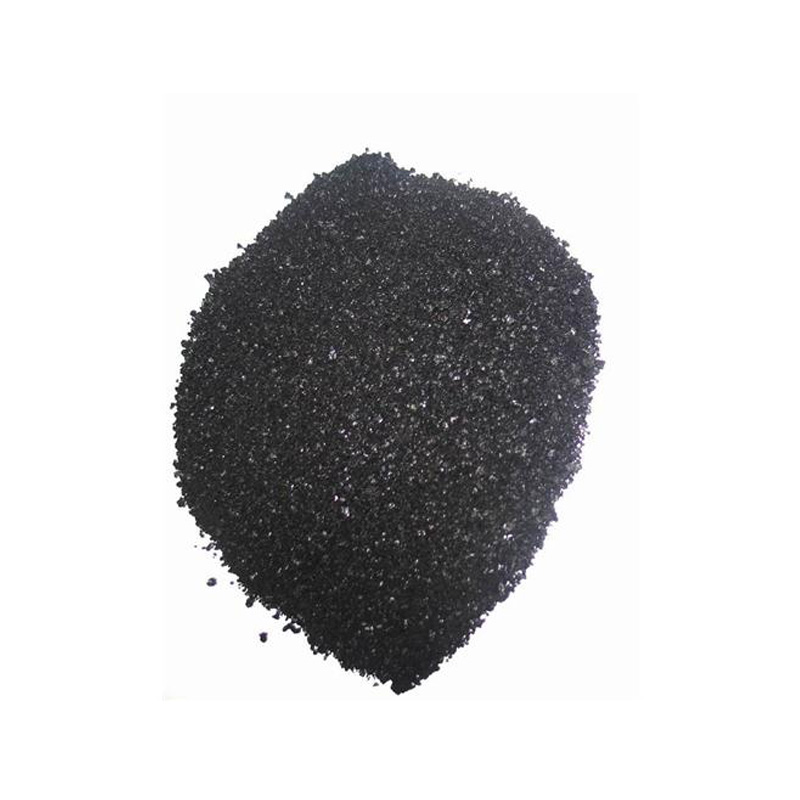
Sulphur Black
1.Name: sulphur black; Sulfur Black; Sulphur Black 1;
2.Structure formula:
3.Molecule formula: C6H4N2O5
4.CAS No.: 1326-82-5
5.HS code: 32041911
6.Product specification:Appearance:black phosphorus flakes; black liquid
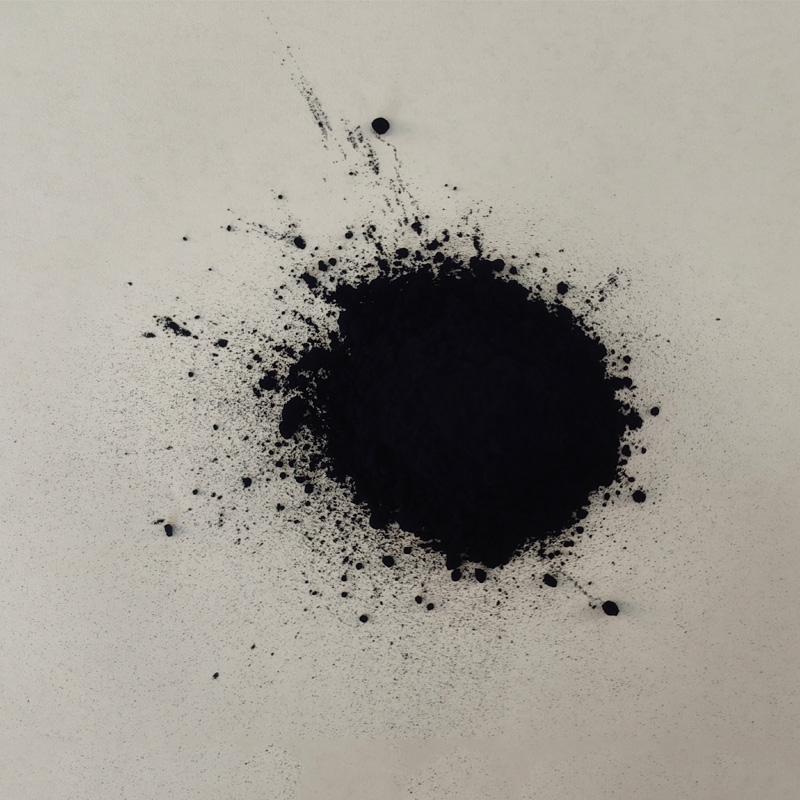
Bromo Indigo; Vat Bromo-Indigo; C.I.Vat Blue 5
1.Name: Bromo indigo; Vat bromo-indigo; C.I.Vat blue 5;
2.Structure formula:
3.Molecule formula: C16H6Br4N2O2
4.CAS No.: 2475-31-2
5.HS code: 3204151000 6.Major usage and instruction: Be mainly used to dye cotton fabrics.
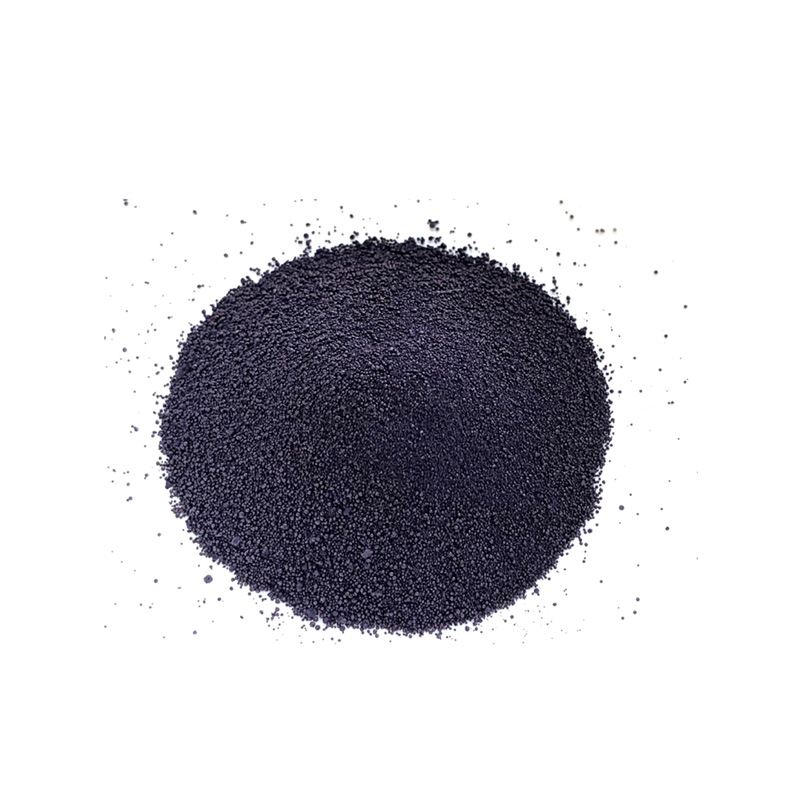
Indigo Blue Vat Blue
1.Name: indigo blue,vat blue 1,
2.Structure formula:
3.Molecule formula: C16H10N2O2
4.. CAS No.: 482-89-3
5.Molecule weight: 262.62
6.HS code: 3204151000
7.Major usage and instruction: Be mainly used to dye cotton fabrics.