

Sulphur Dyeing: The Durable, Cost-Effective Textile Coloring Technique
Understanding Sulphur Dyeing: A Cornerstone of Textile Coloring
At first mention, sulphur dyeing might sound esoteric, but it's actually at the heart of millions of global textile products—from affordable cotton garments to work uniforms. This dyeing method, widely employed in industry, has quietly powered affordable clothing markets and brought colorfast solutions where durability matters most. Grasping this process isn’t just a niche technical curiosity; it opens windows into sustainable practices, economical textile production, and even humanitarian supply chains.
The Global Stage: Why Sulphur Dyeing Still Matters
You might wonder, with all the flashy new dyeing tech popping up, why does sulphur dyeing maintain such a foothold worldwide? Well, according to the International Textile Manufacturers Federation, roughly 20% of global cotton dyeing uses sulphur dyes due to their unmatched cost efficiency and deep colorfastness on cellulosic fibers.
Frankly, in regions like South Asia and parts of Africa, where textile manufacturing ties directly to livelihoods, sulphur dyeing is indispensable.
However, environmental concerns and evolving textile demand pose challenges: water usage, effluent disposal, and chemical handling must all be balanced carefully.
Mini takeaway:
Sulphur dyeing bridges affordability, durability, and industrial scale, but modern demands push for more eco-friendly tweaks.
What Is Sulphur Dyeing? Simplified
In essence, sulphur dyeing involves colouring textiles—mostly cotton—using sulphur-based dyes. These dyes don’t directly bond with fibers at first. Instead, they are transformed chemically in a reducing bath, making them soluble and able to penetrate the fibers. Then, when re-oxidized in the air, they fix inside the fabric with remarkable resistance to washing and sunlight.
It’s a little like a reversible switch: sulpher dyes go in colorless, nearly invisible, and emerge vivid and permanent once the process completes.
This method relates directly to industrial needs for strong, cost-effective, and colorfast solutions—think of workers’ uniforms, heavy-duty fabrics, or textiles made for long-term use.
Mini takeaway:
Sulphur dyeing is a chemical dance that locks in color with affordability and durability.
Core Components of Sulphur Dyeing
1. Durability & Colorfastness
Sulphur-dyed fabrics are notably resistant to fading or washing out. This is why they’re favored in workwear and products subject to heavy wear. Many engineers say the fastness properties here are almost unrivalled for low-cost dyes.
2. Cost Efficiency
The sheer low cost of sulphur dyes and the simplified dyeing setups keep production budgets pencil-friendly—especially important for high-volume, low-margin textile markets.
3. Environmental Impact & Management
Speaking candidly, sulphur dyeing can be less eco-friendly due to sulfur compounds in wastewaters. Yet, we've seen improvements with modern effluent treatment plants and process optimizations reducing hazardous byproducts, especially in emerging markets adapting to stricter norms.
4. Scalability & Versatility
The process suits everything from small artisan dyehouses to sprawling industrial mills. It works best on cotton but also dyes viscose and other cellulosic fibers.
5. Simplicity of Process
Simple chemical baths, moderate temperatures, and relatively fast cycles make sulphur dyeing accessible to many manufacturers without heavy capital expenditure.
Mini takeaway:
- Durability and affordability are sulphur dyeing's bread and butter.
- Environmental issues remain, but innovation and regulation help.
Real-World Applications & Use Cases
Sulphur dyeing shines most in economies where low-cost, durable textiles are needed in bulk. Think South and Southeast Asia’s garment hubs producing stable colors for everyday wear.
In post-disaster relief contexts, where sulphur dyeing provides an economical way to produce durable fabrics for tents and tarpaulins, speed and reliability are crucial.
Oddly enough, even in industrial zones of Latin America, it helps craft protective uniforms that need long-lasting color without ballooning costs.
A quick case: a mid-sized textile mill in India optimized its sulphur dyeing process to dye 30,000 meters of cotton daily, reducing water consumption by 15% through innovative closed-loop systems. That’s both a local cost saver and a step towards sustainability.
Mini takeaway:
Whether in bustling garment factories or emergency textile supplies, sulphur dyeing is a pragmatic workhorse.
Advantages & Long-Term Value of Sulphur Dyeing
- Cost Savings: Up to 40% cheaper in some cases compared to reactive dyes.
- Long-Term Reliability: Products hold color for years despite rough use.
- Sustainability Potential: With proper effluent management, sulphur dyes can be greener than they used to be.
- Social Impact: Enables affordable clothing, supporting social dignity and economies in developing countries.
- Emotionally, the feeling that reliable, affordable textile options exist can’t be overstated in regions facing scarcity.
Future Trends & Innovations in Sulphur Dyeing
While this process has an old-school aura, innovations keep it relevant:
- Enzymatic Treatments: Using enzymes to pre-treat fabrics reduces chemicals needed later.
- Closed-Loop Water Systems: New recycling tech is cutting down water and chemical waste.
- Bio-based Sulphur Dyes: Research into eco-friendlier sulphur dyes derived from renewable sources is ongoing.
- Automation & Monitoring: Smart dyeing machines track bath chemistry in real-time, improving quality and reducing errors.
Challenges & Practical Solutions
Sure, sulphur dyeing isn’t without drawbacks. Issues like:
- Effluent pollution from sulfur compounds
- Color variation due to inconsistent chemical baths
- Limited color shades, mostly darks like black, brown, and navy
are well-known. But many mills have embraced innovative filtration setups or switched to hybrid dyeing lines that use sulphur dyes where they shine and alternatives elsewhere, balancing quality and environmental impact.
Product Specification Table: Typical Sulphur Dyeing Bath Parameters
| Parameter | Typical Range | Unit |
|---|---|---|
| Dye Concentration | 1.0 - 3.0 | % owf |
| Reducing Agent (Na2S) | 3.0 - 5.0 | g/L |
| Alkalinity (NaOH) | 5.0 - 10.0 | g/L |
| Temperature | 85 - 95 | °C |
| Dyeing Time | 45 - 60 | minutes |
owf = on weight of fabric
Vendor Comparison: Sulphur Dye Suppliers
| Vendor | Price (per kg) | Color Range | Eco Certification | Lead Time |
|---|---|---|---|---|
| Dyelinx Textiles | $12 - $15 | Black, Navy, Brown | ISO 14001 | 2 weeks |
| EcoSulph | $14 - $18 | Expanded Dark Blues & Blacks | GOTS Compliant | 3 weeks |
| ColorChem Group | $10 - $14 | Standard Black & Browns | No | 1 week |
FAQs: Your Top Questions About Sulphur Dyeing
Q1: Is sulphur dyeing safe for delicate cotton fabrics?
A: Sulphur dyeing is generally used for heavier, durable cotton fabrics rather than delicate ones because the chemical baths are quite aggressive. For lightweight or sensitive cotton, reactive dyes might be preferable to avoid fabric damage.
Q2: How environmentally friendly is sulphur dyeing compared to alternatives?
A: Traditionally, sulphur dyeing had higher environmental impacts due to sulfur compounds in effluent. However, modern treatment systems and process improvements have significantly reduced pollution, making it more comparable to other dyeing methods if properly managed.
Q3: Can sulphur dyeing produce bright colors?
A: Sulphur dyes are mostly suited for dark shades like black, brown, and navy. They don’t excel at producing bright or pastel colors due to their chemical nature and process limitations.
Q4: How long does sulphur dyeing typically take in a production cycle?
A: The complete dyeing cycle usually lasts between 45 and 60 minutes under typical industrial conditions, depending on fabric weight and depth of color required.
Q5: Where can I buy sulphur dyes in bulk?
A: Suppliers like Dyelinx Textiles, EcoSulph, and ColorChem Group specialize in bulk supply. Prices and delivery times vary, so it's best to contact them directly or check marketplaces with textile chemical vendors.
Wrapping It Up: Why Sulphur Dyeing Still Holds a Vital Place
While not the flashiest or greenest process out there, sulphur dyeing remains a steadfast backbone in textile coloration. Its blend of affordability, durability, and industrial scale keeps it relevant—especially in markets where cost and reliability can’t be compromised.
If you want to explore modern sulphur dyeing techniques, sustainable upgrades, or just understand more, visit https://www.wuxin-group.com where experts regularly share the latest insights and solutions.
Final takeaway:
The colourful world of sulphur dyeing is a subtle art of chemistry and tradition—always adapting, often overlooked, but undeniably essential.
References:
-
Mastering the Art of China Japanese Indigo Dyeing Traditions
NewsApr.16,2026
-
Exploring the Elegance of China Deep Indigo Color in Textiles
NewsApr.09,2026
-
Discover High Quality China Jeans Blue Indigo for Global Markets
NewsApr.07,2026
-
Exploring the Rich Tradition of China Natural Indigo Dyed Fabric
NewsApr.04,2026
-
Exploring China Indigo Color in Nature History and Modern Applications
NewsMar.31,2026
-
Discover High Quality China Pure Indigo Powder for Vibrant Natural Dyeing
NewsMar.28,2026
-
Exploring the Rich History of China True Blue Indigo Textiles
NewsMar.26,2026
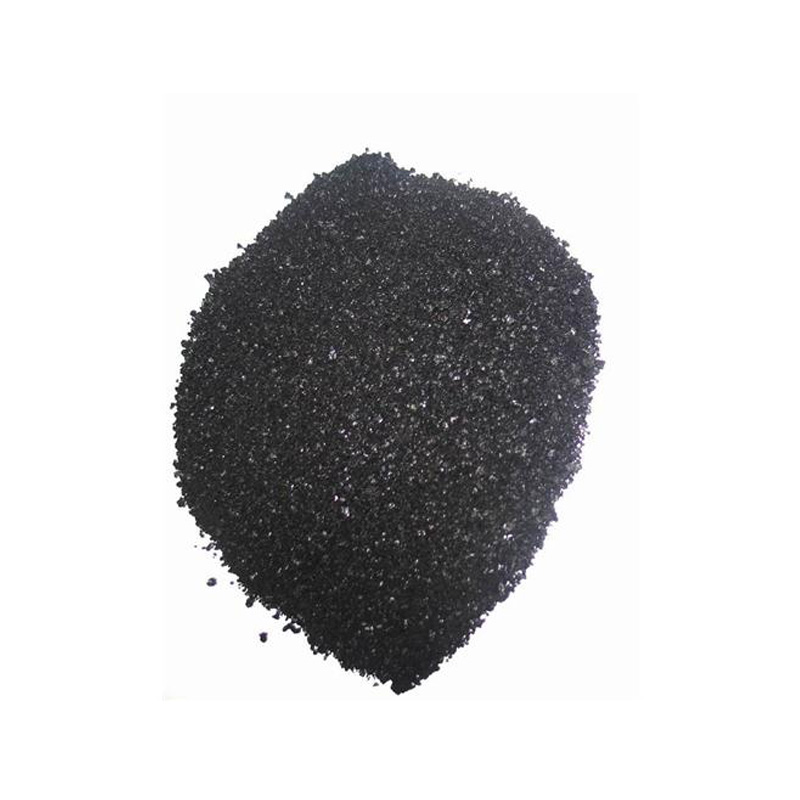
Sulphur Black
1.Name: sulphur black; Sulfur Black; Sulphur Black 1;
2.Structure formula:
3.Molecule formula: C6H4N2O5
4.CAS No.: 1326-82-5
5.HS code: 32041911
6.Product specification:Appearance:black phosphorus flakes; black liquid
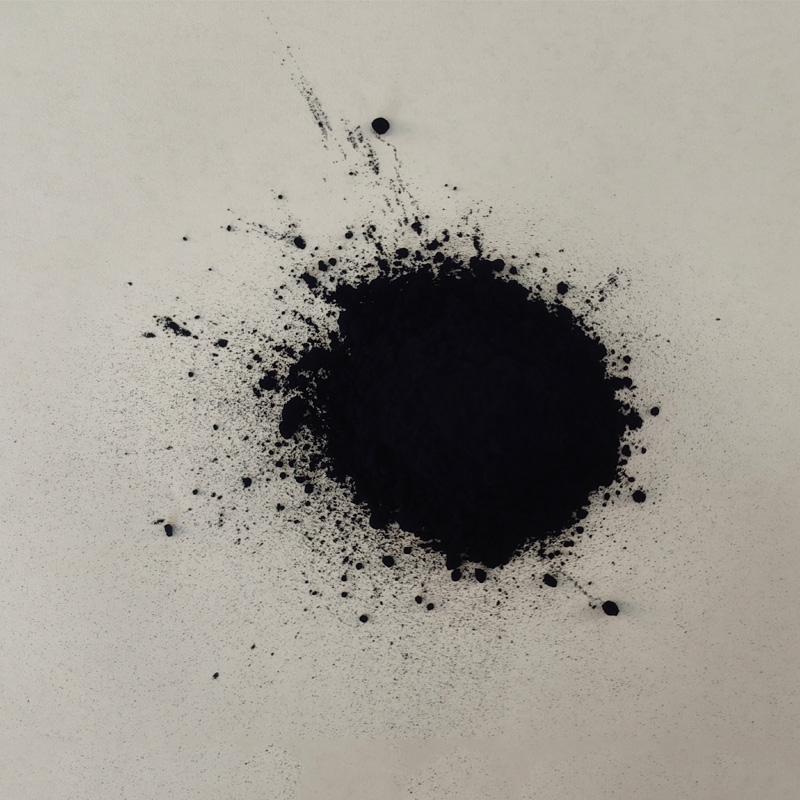
Bromo Indigo; Vat Bromo-Indigo; C.I.Vat Blue 5
1.Name: Bromo indigo; Vat bromo-indigo; C.I.Vat blue 5;
2.Structure formula:
3.Molecule formula: C16H6Br4N2O2
4.CAS No.: 2475-31-2
5.HS code: 3204151000 6.Major usage and instruction: Be mainly used to dye cotton fabrics.
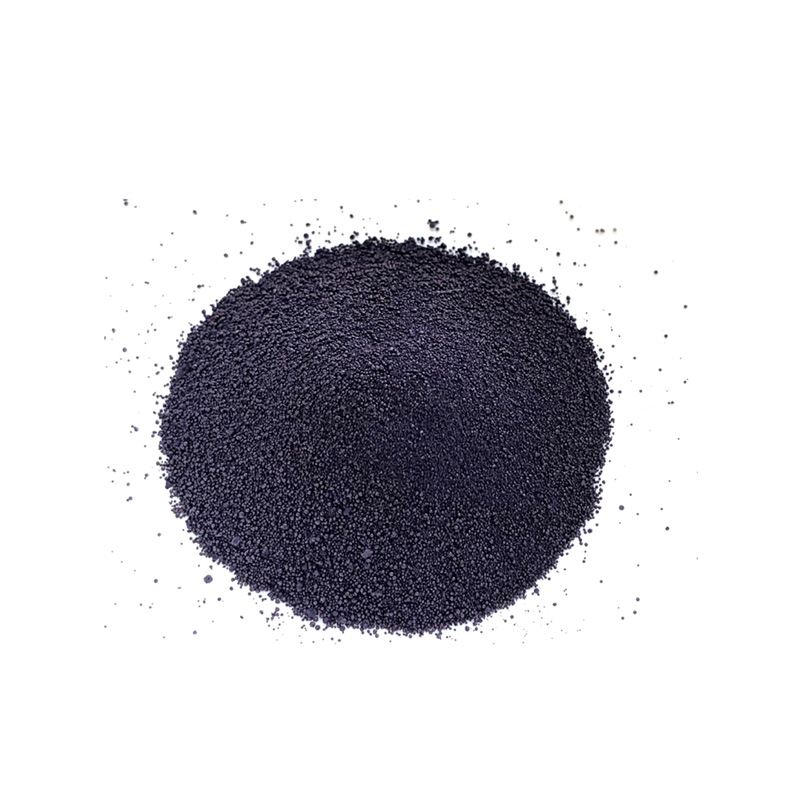
Indigo Blue Vat Blue
1.Name: indigo blue,vat blue 1,
2.Structure formula:
3.Molecule formula: C16H10N2O2
4.. CAS No.: 482-89-3
5.Molecule weight: 262.62
6.HS code: 3204151000
7.Major usage and instruction: Be mainly used to dye cotton fabrics.