

The Role and Benefits of High Quality Organic Powder Dye in Sustainable Manufacturing
The Subtle Power of High Quality Organic Powder Dye in Modern Industry
When you think of dyes, what probably springs to mind are vivid fabrics, brightly colored containers, or those sharp hues on sportswear. But high quality organic powder dye is an unsung hero behind the scenes, quietly shaping industries around the world. It's not just about color — it’s about sustainability, innovation, and meeting a growing global demand for environmentally responsible materials. The more we understand it, the better we appreciate the subtle magic entwined between chemistry and industry.
Coloring the Globe: Why High Quality Organic Powder Dye Matters Today
Consider this: the global textile and plastics industries combined consume millions of tons of pigments yearly. According to the International Organization for Standardization (ISO), nearly 20% of industrial water pollution comes from textile dyeing processes. Organic powder dyes present a cleaner alternative, with high quality organic powder dye offering reduced wastewater discharge and greater efficiency.
Worldwide, environmental regulations tighten, pushing manufacturers towards sustainable solutions. Organic powder dyes reduce reliance on harmful solvents, making them crucial in factories from Southeast Asia's booming garment hubs to European high-tech plastics producers. Yet, this shift also addresses challenges like color fastness, production costs, and consumer demand for green products. Getting it right is a shared priority across continents.
Mini takeaway:
- Organic powder dyes cut down wastewater and hazardous emissions dramatically.
- Global industry trends favor sustainable, high-performance dyes.
- Understanding these dyes helps manufacturers comply with evolving environmental laws.
What Exactly is High Quality Organic Powder Dye?
Simply put, organic powder dye is a pigment-based coloring agent composed mainly of organic chemical compounds, supplied in a dry powdered form. Unlike liquid dyes, powders are free of solvents and water, making them easier to store, transport, and mix precisely. The “high quality” aspect entails exceptional purity, consistent particle size, and resistance to fading or chemical breakdown.
These qualities matter beyond just looking good. They link tightly to industries like textiles, plastics, and coatings, where durable, vibrant colors must meet increasing eco-friendly standards. It’s also a key for humanitarian supplies — think tarps, tents, or medical equipment where reliable and non-toxic dyes maintain both function and safety.
Mini takeaway:
- Organic powder dyes consist of environmentally friendlier organic molecules.
- High quality means consistent performance, strength, and stability.
- Used in everyday items but with a strong focus on sustainability and durability.
Core Components That Define Their Performance
1. Pigment Purity and Particle Size
A finer and uniform powder ensures smooth coloring without sediment or uneven patches. Many chemists stress that purity prevents unwanted chemical reactions during manufacturing.
2. Color Fastness
How long the dye retains its hue is crucial. High quality organic powder dyes are tested against heat, light, and washing—especially in textiles—to perform reliably over time.
3. Environmental Compatibility
These dyes avoid heavy metals and toxic solvents. This makes handling safer for workers, and waste easier to treat, dovetailing with strict regulations like REACH in Europe or EPA guidelines in the US.
4. Cost Efficiency
Though often pricier upfront than inferior powders, long term savings in waste treatment, less dye needed per application, and fewer rejects make them worthwhile investments.
5. Versatility
Suitable for diverse substrates such as polyester fabrics, polyethylene plastics, or coatings. This versatility means fewer formulations manufacturers must manage.
Mini takeaway:
- Precision pigment properties directly affect quality and environmental safety.
- Balancing cost with performance is a common industry balancing act.
- Adaptability across materials boosts production flexibility.
Product Specification Table
| Specification | Typical Range | Notes |
|---|---|---|
| Particle Size (μm) | 5–15 | Uniform size for smooth mix |
| Color Fastness Grade | 7+ (ISO 105 standards) | Resistant to light, washing |
| Moisture Content (%) | Prevents clumping, easier handling | |
| Heavy Metal Content | Compliant with environmental regs | |
| Solvent Residue | Negligible | Suitable for sensitive uses |
Global Applications: From Apparel to Emergency Relief
The use cases for high quality organic powder dye truly span a mind-boggling range. In South Asia, for example, millions of shirts rely on organic powder dyes for brilliant colors that don’t wash away quickly under hard water conditions. Meanwhile, in the automotive plastics industry within Europe, these dyes ensure the interiors maintain their shade without fading into dullness after years of sun exposure.
Humanitarian agencies also benefit. In recent flood relief efforts in Bangladesh, colored tarpaulins made with organic powder dyes helped differentiate storage zones quickly, enhance safety, and uphold dignity through clean, reliable materials. Those fabrics had to be robust against UV and chemical exposure — exactly what these dyes offer.
Mini takeaway:
- Widely used across textiles, plastics, paints, and coatings.
- Supports humanitarian efforts with durable, safe colorants.
- Global demand stems from varied climate and environmental needs.
Vendor Comparison: Choosing Your Organic Powder Dye Partner
| Vendor | Price per kg | Environmental Certification | Market Focus |
|---|---|---|---|
| Wuxin Group | $18 | ISO 14001, REACH | Textiles, Industrial plastics |
| GreenDyne | $20 | OEKO-TEX, ISO 9001 | Apparel, home goods |
| EcoPigments | $22 | REACH, GOTS | Organic fabrics, coatings |
Long-Term Value: More Than Just Bright Colors
Choosing high quality organic powder dye isn’t just about the hue today. It’s about safeguarding future production, lowering ecological footprints, and sustaining worker health. For consumers, it increasingly means wearing or using products made with respect — to people and planet.
Engineers I’ve spoken with often highlight the emotional comfort that comes from a 'safe pigment' label. Customers trust that their eco-friendly garment won’t just fade, but also didn’t poison a river upstream during its making. That blend of innovation and empathy feels like a small revolution, one powder pigment at a time.
Look Ahead: Innovations Shaping the Dye Industry
Technology marches forward with bio-based organic dyes cultivated from algae and other renewable sources starting to complement synthetic powders. Digital color matching has improved dramatically, reducing waste by identifying perfect shades first try. Automated blending systems in factories ensure consistent batches, saving time and money.
With governments aiming for net-zero manufacturing emissions, the demand for organic powder dyes made via green energy processes will only rise. And oddly enough, it feels like a dye might be the very thread stitching together tradition, technology, and environmentalism going forward.
Challenges & Smart Solutions
Of course, no industry is perfect. Some organic powders may face compatibility issues with certain synthetic fibers or require higher temperatures for full fixation. Packaging can be a headache too — powders absorb moisture easily if not sealed correctly.
Innovative workaround? Nanocoating the powder particles to improve hydrophobicity or tweaking formulations to widen substrate compatibility. Smart warehouses with humidity control and digital inventory systems help maintain quality even before shipment. Manufacturers and vendors are investing in R&D heavily to overcome these typical stumbling blocks.
FAQs About High Quality Organic Powder Dye
Q1: How does organic powder dye improve environmental footprints compared to liquid dyes?
A1: Organic powder dyes avoid the use of solvents and reduce wastewater generation significantly, lowering water pollution and disposal costs. Their concentrated form also means less packaging waste.
Q2: Are high quality organic powder dyes suitable for natural fibers like cotton?
A2: While organic powder dyes are widely used for synthetics, recent formulations have improved compatibility with natural fibers, especially when paired with appropriate mordants or finishing processes.
Q3: What is the typical shelf life of these powders?
A3: Stored properly (dry, sealed, away from UV), organic powder dyes can last several years without degrading — much longer than liquid dyes which risk microbial contamination.
Q4: Can small manufacturers access organic powder dyes easily?
A4: Yes, smaller companies can source them from vendors such as Wuxin Group who offer flexible quantities and technical support suitable for varying scales.
Q5: How do these dyes affect regulatory compliance internationally?
A5: High quality powders usually meet or exceed international standards like REACH and OEKO-TEX, simplifying export and reducing import hurdles.
Conclusion: A Colorful Path Forward
All things considered, high quality organic powder dye is more than just pigment—it’s a pillar of sustainable industrial progress, a testament to innovation’s delicate balance with nature. As we lean into a greener future, embracing such materials isn’t just smart, it’s necessary.
If you want to see how high quality organic powder dye can transform your production line while caring for the planet, check out Wuxin Group’s range. It might just be the colorful solution you didn’t know you needed.
Final small thought: I sometimes wonder if the next big environmental push will boil down to better pigments. Because honestly, color touches almost everything.
References:
-
Mastering the Art of China Japanese Indigo Dyeing Traditions
NewsApr.16,2026
-
Exploring the Elegance of China Deep Indigo Color in Textiles
NewsApr.09,2026
-
Discover High Quality China Jeans Blue Indigo for Global Markets
NewsApr.07,2026
-
Exploring the Rich Tradition of China Natural Indigo Dyed Fabric
NewsApr.04,2026
-
Exploring China Indigo Color in Nature History and Modern Applications
NewsMar.31,2026
-
Discover High Quality China Pure Indigo Powder for Vibrant Natural Dyeing
NewsMar.28,2026
-
Exploring the Rich History of China True Blue Indigo Textiles
NewsMar.26,2026
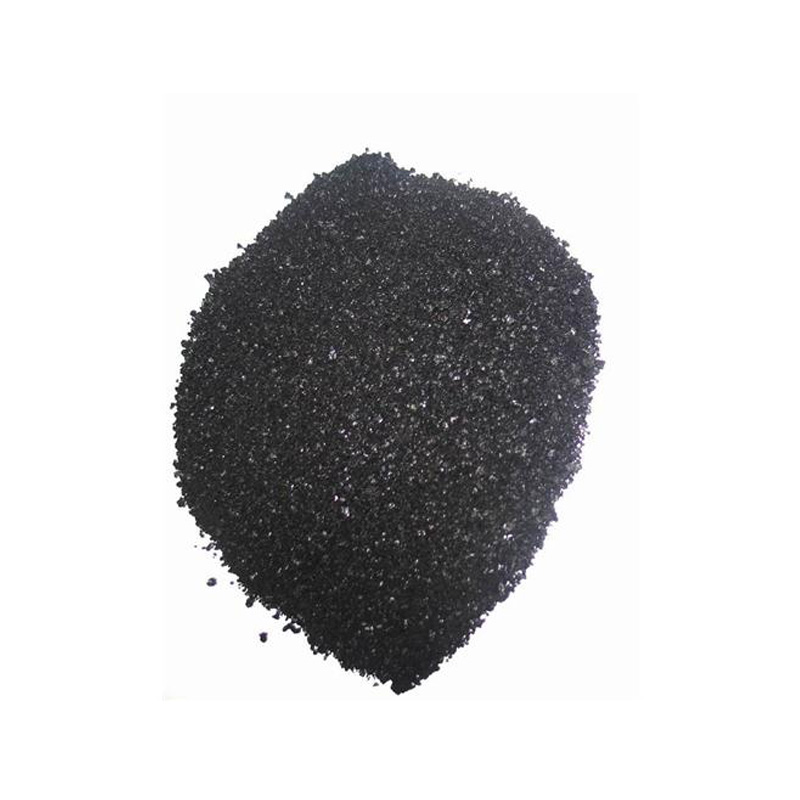
Sulphur Black
1.Name: sulphur black; Sulfur Black; Sulphur Black 1;
2.Structure formula:
3.Molecule formula: C6H4N2O5
4.CAS No.: 1326-82-5
5.HS code: 32041911
6.Product specification:Appearance:black phosphorus flakes; black liquid
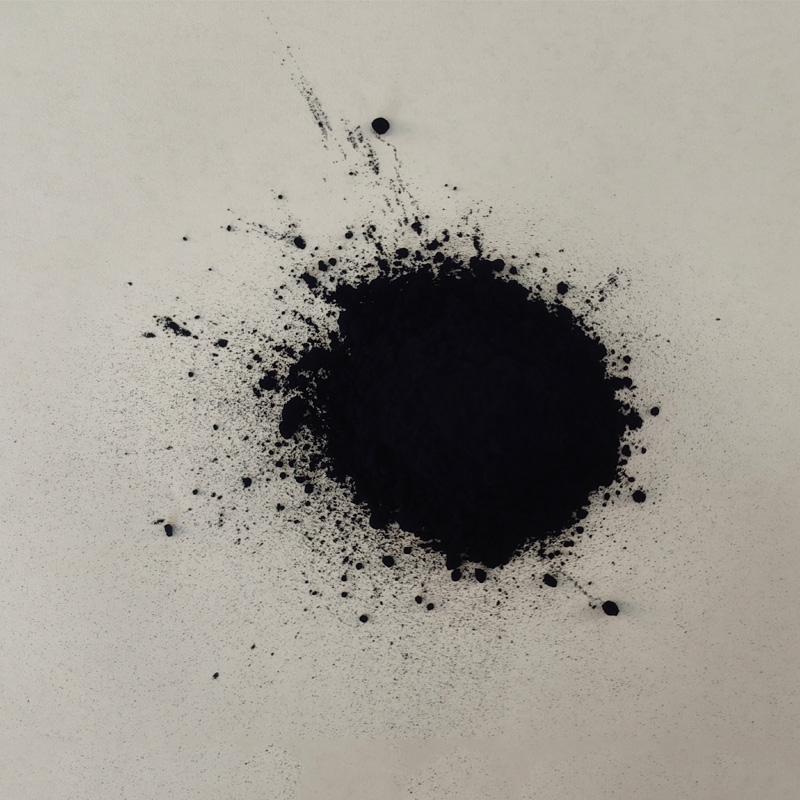
Bromo Indigo; Vat Bromo-Indigo; C.I.Vat Blue 5
1.Name: Bromo indigo; Vat bromo-indigo; C.I.Vat blue 5;
2.Structure formula:
3.Molecule formula: C16H6Br4N2O2
4.CAS No.: 2475-31-2
5.HS code: 3204151000 6.Major usage and instruction: Be mainly used to dye cotton fabrics.
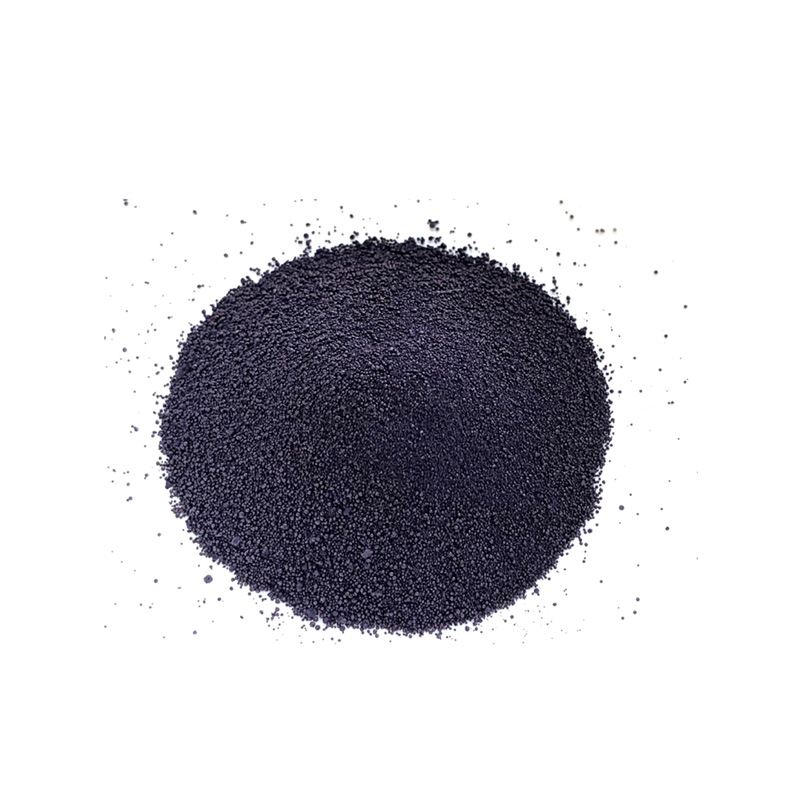
Indigo Blue Vat Blue
1.Name: indigo blue,vat blue 1,
2.Structure formula:
3.Molecule formula: C16H10N2O2
4.. CAS No.: 482-89-3
5.Molecule weight: 262.62
6.HS code: 3204151000
7.Major usage and instruction: Be mainly used to dye cotton fabrics.