

Comprehensive Guide to High Quality Sulphur Black MSDS – Safety, Compliance & Industry Use
Understanding High Quality Sulphur Black MSDS: Why It Matters Worldwide
If you’ve ever dealt with textile dyes, chemical manufacturing, or quality control documentation, you might recognize the term high quality sulphur black MSDS. But why should it matter to industries globally? Well, sulphur black dyes remain essential in fabric production, especially for cotton and other natural fibers. Ensuring their safety through detailed Material Safety Data Sheets (MSDS) is not just a formality — it’s fundamental to worker safety, regulatory compliance, and environmental stewardship worldwide.
Globally, sulphur-based dyes account for a significant portion of textile coloring applications, thanks to their cost efficiency and deep blacks, admired from casual wear to industrial textiles. But without a clear, reliable MSDS, hazards might go unnoticed, supply chains disrupted, and compliance fines could pile up.
Takeaway: Knowing about high quality sulphur black MSDS isn’t just for chemists; it safeguards supply chains, workers, and end consumers alike.
The Global Relevance of Sulphur Black MSDS in Industry
From Bangladesh’s bustling fabric mills to European garment manufacturers, the dyeing industry depends on sulphur blacks for their deep, long-lasting hues. According to the UN’s industrial reports, over 60% of textile production involves dyes with significant environmental and health considerations, emphasising why accurate MSDS documentation is a global priority.
One challenge? Sulphur black compounds have complex chemical profiles that, if mishandled, can pose respiratory or environmental risks. This makes high quality sulphur black msds essential for transport, storage, and workplace safety. Industry data stresses that proper handling protocols sharply reduce accidental exposure cases, a critical statistic when considering how many workers stay protected worldwide.
Mini summary: Good MSDSs translate to better safety scores, regulatory approvals, and streamlined operations worldwide.
What Exactly Is High Quality Sulphur Black MSDS?
In simple terms, a sulphur black MSDS is a thorough document detailing the properties, hazards, handling, storage, and emergency measures related to sulphur black dyes. When we say “high quality,” it means the MSDS is accurate, updated regularly, and compliant with international standards like the ISO 11014.
These sheets act like a manual for anyone who comes into contact with the dye — from lab technicians to logistics managers to health inspectors. The “black” here refers to the specific colorant type, predominantly used in dyeing natural fibers, beloved for its durability and cost-efficiency.
Modern industries rely heavily on these MSDSs not only to tick regulatory boxes but also to improve workplace safety and environmental impact, especially in countries striving to raise industrial standards and reduce pollution.
Mini takeaway: High quality sulphur black MSDS are the backbone of safe chemical handling in textile and related industries.
Core Components of High Quality Sulphur Black MSDS
1. Chemical Composition & Stability
Knowing exactly what chemicals are inside ensures safer handling, correct disposal, and better environmental safeguards. High quality sheets note the dye’s molecular structure, pH levels, and possible degradation products.
2. Hazard Identification
This section clearly lists the potential health risks — like skin irritation or respiratory sensitivity — and environmental hazards, including effects on aquatic life. A detailed hazard classification follows GHS (Globally Harmonized System) norms.
3. Safe Handling and Storage Instructions
Here lie practical tips: keep the dye in cool, ventilated areas, avoid contact with oxidizing agents, and use appropriate personal protective equipment (PPE). These instructions can prevent accidents and product loss.
4. First-Aid and Emergency Measures
What to do when exposure happens? This part covers immediate actions like rinsing eyes or skin, along with recommended medical treatment procedures.
5. Environmental Impact and Disposal
A responsible MSDS advises on proper waste management methods, reducing harmful release into waterways or soil.
6. Regulatory and Transportation Info
Listings of applicable international regulations for shipping and workplace safety certification ensure seamless legal compliance.
Mini takeaway: A comprehensive MSDS acts like a roadmap for safety and regulatory navigation.
Real-World Applications: Where High Quality Sulphur Black MSDS Make a Difference
The reach of these MSDS extends far — from factories in India dyeing denim destined for global markets, to research labs in Europe optimizing dye formulations for lower toxicity. In post-disaster scenarios, quick setup of clean manufacturing hubs depends on reliable MSDSs to ensure worker safety under pressure.
Regions like Southeast Asia have rapidly grown textile sectors, where efficient, safe supply chain management depends on thorough MSDS documentation. Even NGOs advocating for safer industrial practices use these guidelines when advising local manufacturers or auditing factories.
Practical examples:
- Textile mills in Bangladesh enhancing their risk audits by integrating high quality sulphur black MSDS.
- European suppliers demanding updated MSDSs to meet strict REACH regulations.
- Latin American startups developing eco-friendlier sulphur black variants with documented safety profiles.
Mini takeaway: Effective MSDSs aren’t just paperwork — they actively contribute to industrial growth, regulatory adherence, and worker welfare globally.
Advantages and Long-Term Benefits for Stakeholders
You might think MSDSs are just about regulations, but they offer so much more. First off, well-documented safety data reduces accidents, which means fewer interruptions and cost savings. Environmentally, they guide proper disposal, helping reduce pollution footprints.
Socially, an organization that commits to transparent chemical safety builds trust internally and externally — workers feel protected, and clients prefer responsible suppliers. Over time, innovation blooms as manufacturers invest in safer formulations inspired by MSDS insights.
On a practical note, detailed SDSs facilitate smoother international shipping, aligning with ISO standards and country-specific rules, preventing costly customs delays. This is crucial when supply chains stretch across continents.
Mini takeaway: Beyond compliance, MSDSs foster safety, trust, and sustainable innovation.
Where Is This Heading? Future Trends and Innovations in Sulphur Black MSDS
Lately, there’s a big push for integrating digital MSDS platforms, enabling real-time updates and better accessibility on mobile devices. Imagine field workers instantly scanning a QR code on a drum and accessing precise safety data — that’s the future.
Green chemistry is influencing the composition of sulphur dyes themselves, encouraging formulations that degrade faster and harbor fewer toxins. Policy-wise, governments are increasingly mandating transparent chemical inventories as part of sustainability reporting — a trend that’s only going to grow.
Mini takeaway: Innovation is digitizing and greenifying the whole MSDS lifecycle, making safety smarter and more sustainable.
Common Challenges with Sulphur Black MSDS and How to Overcome Them
Despite their importance, MSDS quality is sometimes inconsistent. Small manufacturers might struggle with keeping docs updated or interpreting complex chemical data. Language barriers and differing international standards can add confusion.
Experts recommend partnering with certified chemical safety consultants to create tailored, clear MSDSs. Training sessions to familiarize factory workers with safety protocols also help bridge the gap between documentation and practice.
Technology solutions, such as cloud-based management systems, can streamline revision tracking and distribution to stakeholders, ensuring everyone stays on the same page.
Mini takeaway: Tackling MSDS challenges requires collaboration, education, and adopting new tech tools.
Frequently Asked Questions About High Quality Sulphur Black MSDS
- Q: What defines a "high quality" sulphur black MSDS compared to a basic one?
- A high quality MSDS offers precise chemical data, adheres to global standards like GHS, is regularly updated, and includes practical handling, disposal, and emergency instructions. A basic MSDS might miss crucial hazard warnings or lack clarity, putting safety at risk.
- Q: How does using a proper sulphur black MSDS improve workplace safety?
- It informs workers exactly how to handle chemicals safely, what PPE to use, and what steps to take if exposure occurs, reducing accidents and exposure incidents in dyeing and manufacturing facilities.
- Q: Can MSDS documents affect the environmental compliance of textile factories?
- Yes, a detailed MSDS guides proper storage and disposal, minimizing spills and contamination and helping factories meet environmental regulations and avoid fines.
- Q: Are high quality sulphur black MSDSs mandatory for import/export?
- Most countries require up-to-date MSDSs for chemical shipments. Without them, customs clearance may be denied, or products delayed, impacting international trade efficiency.
- Q: How often should sulphur black MSDSs be updated?
- Industry best practice recommends reviewing MSDSs annually or whenever significant changes in formulation or regulation occur to ensure ongoing accuracy and compliance.
Product Specifications: A Closer Look at a Typical High Quality Sulphur Black Dye MSDS
| Specification | Details |
|---|---|
| Chemical Formula | C14H10N2Na2O6S6 |
| Physical State | Powder or Granules |
| Solubility | Insoluble in water; soluble in hot alkaline solutions |
| Flash Point | Non-flammable |
| Hazard Classification | Irritant, Environmental Hazard |
| Handling PPE | Gloves, Eye Protection, Respiratory Mask |
Vendor Comparison: Selecting the Right Supplier for High Quality Sulphur Black MSDS
| Vendor | MSDS Accuracy | Documentation Updates | Global Compliance | Customer Support |
|---|---|---|---|---|
| ChemSafe Solutions | Excellent | Quarterly | ISO, GHS | 24/7 Hotline |
| DyeCare International | Very Good | Biannual | GHS | Business Hours |
| Global Dye Experts | Good | Annual | Partial | Email Support |
Final Thoughts: Why You Shouldn't Overlook High Quality Sulphur Black MSDS
It’s tempting to glance over safety documentation — after all, the product looks just like any other dye. But high quality sulphur black MSDS are much more than compliance checkboxes; they represent a commitment to effective safety, sustainability, and operational excellence. From protecting workers to enabling smoother international trade, these documents are a quiet but powerful force in the industrial world.
Next time you receive a dye shipment, take a moment to study its MSDS. It might just save your day — or your health.
For more detailed info and reliable MSDS resources, don’t forget to visit our site high quality sulphur black msds.
References
-
Mastering the Art of China Japanese Indigo Dyeing Traditions
NewsApr.16,2026
-
Exploring the Elegance of China Deep Indigo Color in Textiles
NewsApr.09,2026
-
Discover High Quality China Jeans Blue Indigo for Global Markets
NewsApr.07,2026
-
Exploring the Rich Tradition of China Natural Indigo Dyed Fabric
NewsApr.04,2026
-
Exploring China Indigo Color in Nature History and Modern Applications
NewsMar.31,2026
-
Discover High Quality China Pure Indigo Powder for Vibrant Natural Dyeing
NewsMar.28,2026
-
Exploring the Rich History of China True Blue Indigo Textiles
NewsMar.26,2026
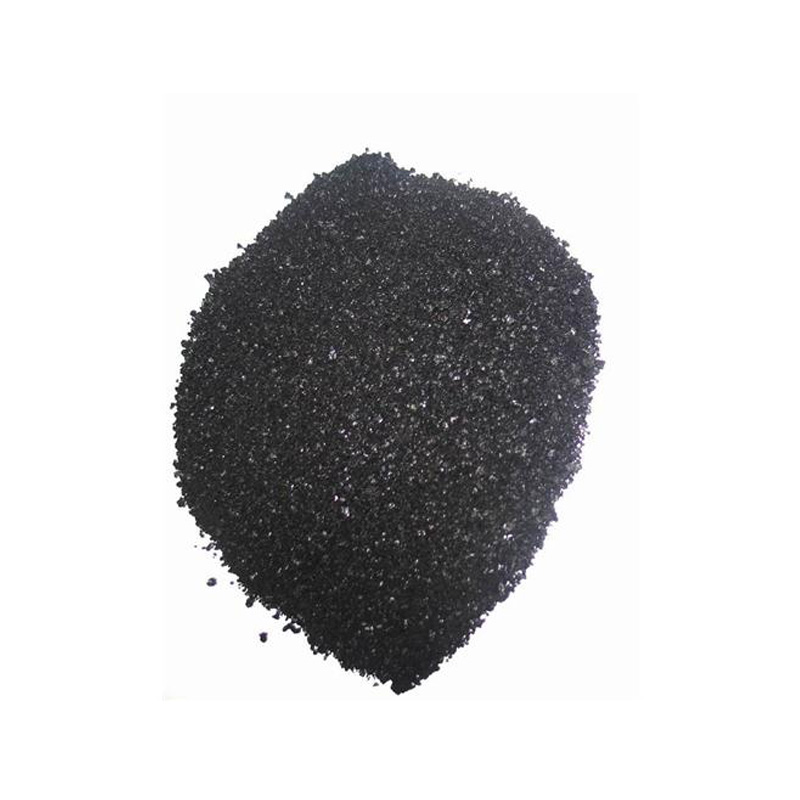
Sulphur Black
1.Name: sulphur black; Sulfur Black; Sulphur Black 1;
2.Structure formula:
3.Molecule formula: C6H4N2O5
4.CAS No.: 1326-82-5
5.HS code: 32041911
6.Product specification:Appearance:black phosphorus flakes; black liquid
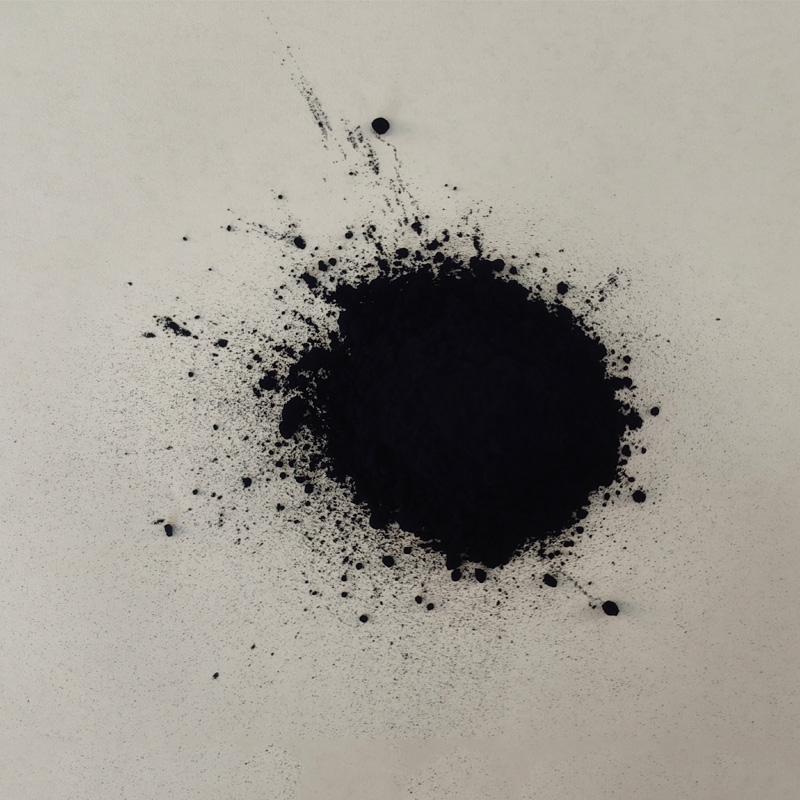
Bromo Indigo; Vat Bromo-Indigo; C.I.Vat Blue 5
1.Name: Bromo indigo; Vat bromo-indigo; C.I.Vat blue 5;
2.Structure formula:
3.Molecule formula: C16H6Br4N2O2
4.CAS No.: 2475-31-2
5.HS code: 3204151000 6.Major usage and instruction: Be mainly used to dye cotton fabrics.
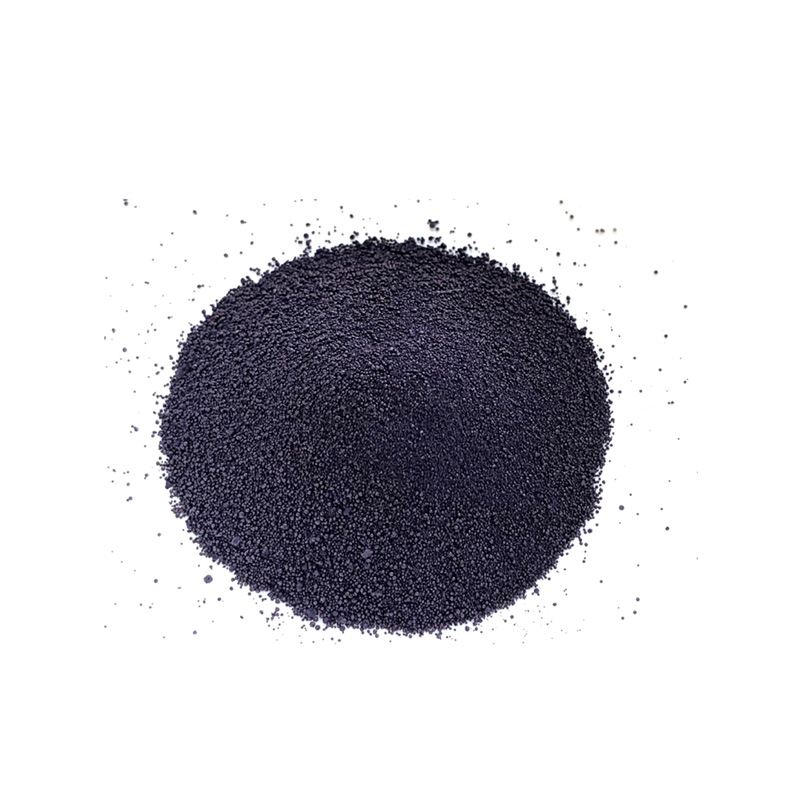
Indigo Blue Vat Blue
1.Name: indigo blue,vat blue 1,
2.Structure formula:
3.Molecule formula: C16H10N2O2
4.. CAS No.: 482-89-3
5.Molecule weight: 262.62
6.HS code: 3204151000
7.Major usage and instruction: Be mainly used to dye cotton fabrics.