

Exploring the Rich History and Versatility of China Japanese Indigo Cloth
Understanding China Japanese Indigo Cloth: A Comprehensive Guide
China Japanese Indigo Cloth, a textile steeped in history and artistry, has gained significant attention in recent years for its unique characteristics and versatility. This cloth isn’t simply a fabric; it’s a testament to a centuries-old tradition, blending Japanese dyeing techniques with Chinese textile production. This article delves into the origins, production, applications, and benefits of this fascinating material, providing insights for designers, manufacturers, and anyone interested in sustainable and high-quality textiles. We'll explore why choosing authentic China Japanese Indigo Cloth from reputable suppliers like Wuxin Group is crucial.
The History and Origins of Indigo Dyeing
The story of indigo cloth begins with the plant itself, Indigofera tinctoria, and its cultivation in Asia for millennia. While Japan perfected unique dyeing methods – particularly aizome – using fermented indigo, China has been a major producer of indigo dye for centuries. The combination of Japanese techniques applied to Chinese-grown indigo and woven fabrics has resulted in “China Japanese Indigo Cloth,” which offers a compelling blend of affordability and quality. Historically, indigo was highly valued, often used for clothing and textiles for royalty and religious ceremonies. Its enduring popularity stems from the rich, deep blue hues it creates and its relative colorfastness.
Key Highlights: Centuries of history, blending Japanese dyeing techniques with Chinese indigo production. Valued for rich blue hues and relative colorfastness.
The Production Process: From Plant to Fabric
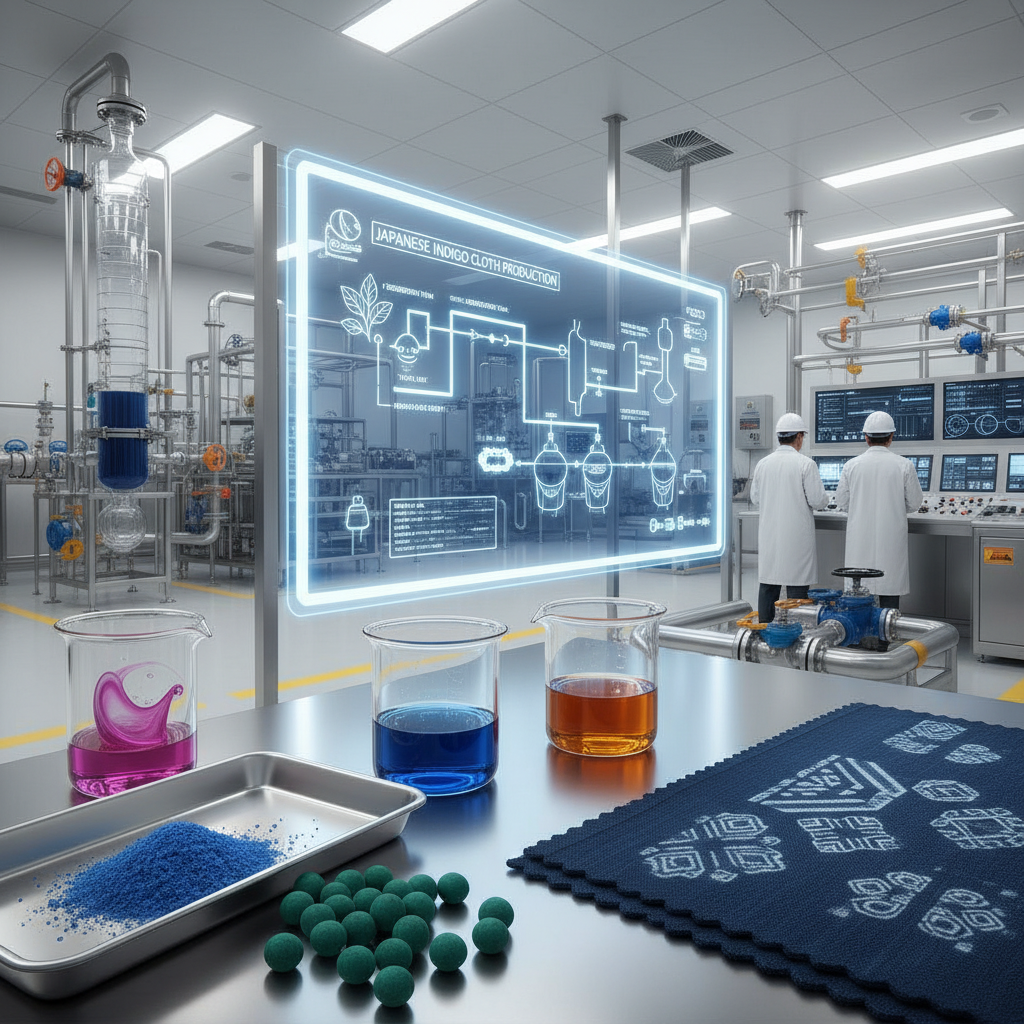
The creation of China Japanese Indigo Cloth is a meticulous process. It begins with harvesting the indigo plant, followed by fermentation to extract the indigo dye. This fermentation process is crucial and often involves closely guarded traditional methods. The extracted dye is then used in a series of dye baths, often repeatedly, to achieve the desired shade of blue. A characteristic feature of this cloth is the gradual darkening of the color with each wash, due to the nature of indigo dye. The weaving process often utilizes traditional looms, further enhancing the quality and character of the fabric. Wuxin Group ensures stringent quality control throughout the entire process.
Production Process Breakdown:
• Harvesting Indigofera tinctoria
• Indigo Dye Extraction via Fermentation
• Multiple Dye Baths for Color Depth
• Traditional Loom Weaving
China Japanese Indigo Cloth vs. Other Indigo Fabrics
While numerous indigo-dyed fabrics exist, China Japanese Indigo Cloth occupies a unique position. Compared to synthetic indigo dyes, natural indigo offers a richer, more nuanced color. Compared to purely Japanese aizome, China Japanese Indigo Cloth is often more affordable, making it a viable option for larger-scale production. Its durability and ability to soften with use also set it apart.
Applications of China Japanese Indigo Cloth
The versatility of China Japanese Indigo Cloth makes it suitable for a wide range of applications. It's commonly used in the production of denim, workwear, fashion garments, home textiles (such as cushions and upholstery), and accessories. Its durability and unique aesthetic appeal make it a popular choice for designers looking to create pieces with a vintage or artisanal feel. Furthermore, the growing demand for sustainable textiles is driving increased interest in naturally dyed fabrics like this.
Sustainability and Ethical Considerations
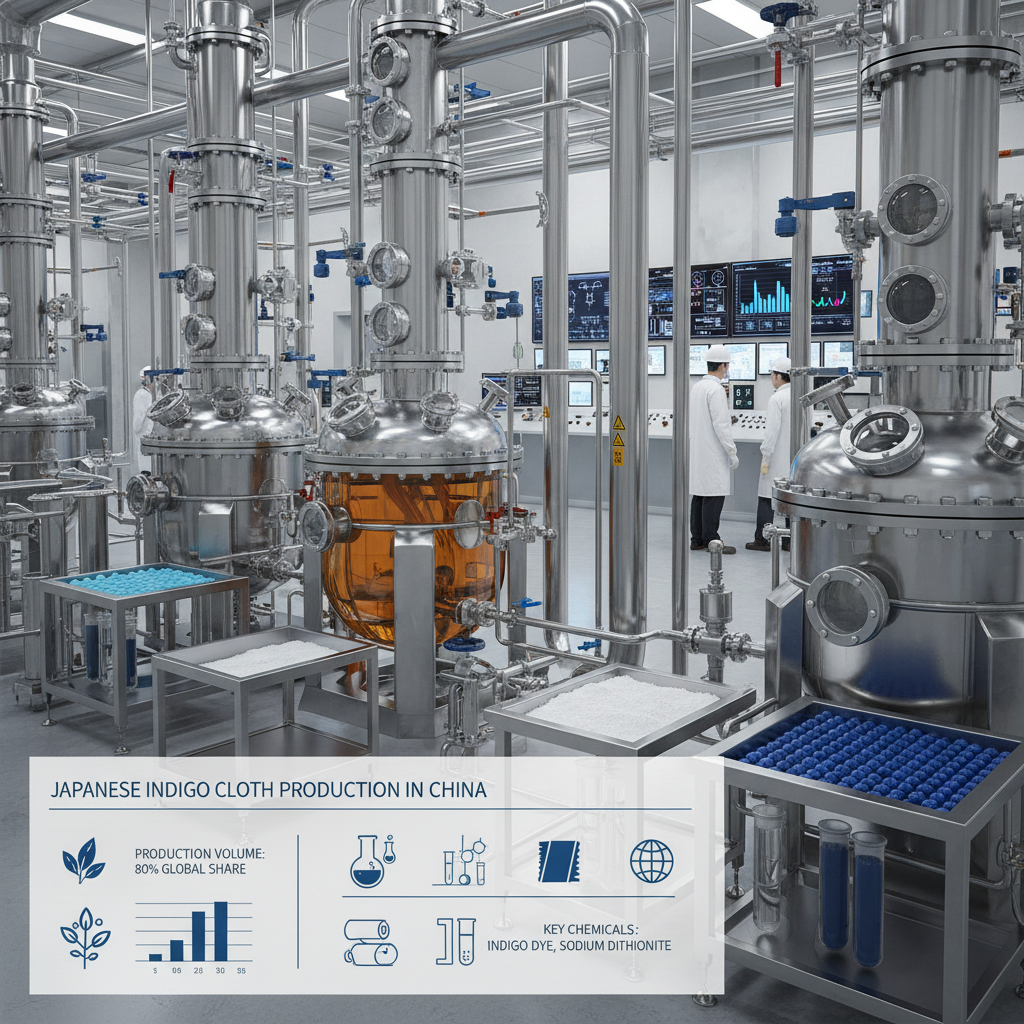
Choosing China Japanese Indigo Cloth is increasingly seen as a sustainable choice. Natural indigo dyeing minimizes the use of harmful chemicals associated with synthetic dyes. Furthermore, supporting producers committed to fair labor practices and responsible sourcing is crucial. Wuxin Group prioritizes both environmental responsibility and ethical production methods, ensuring transparency and accountability throughout its supply chain.
Conclusion: Embracing the Legacy of Indigo
China Japanese Indigo Cloth represents a beautiful intersection of tradition, craftsmanship, and sustainability. Its unique characteristics, combined with its versatility, make it a valuable material for a wide range of applications. By choosing ethically sourced and high-quality cloth, like that offered by Wuxin Group, you are supporting a legacy of artistry and contributing to a more responsible textile industry.
Frequently Asked Questions (FAQs)
What makes China Japanese Indigo Cloth unique?
The unique quality stems from the blending of Japanese indigo dyeing techniques, renowned for their precision and artistry, with Chinese-grown indigo and weaving traditions. This results in a fabric that often offers a balance of quality, affordability, and a distinct aesthetic, characterized by a rich, deep blue color that subtly changes and softens with each wash. This cloth stands out due to the careful craftsmanship and natural dyeing processes involved, resulting in a more sustainable and visually appealing textile.
How do I care for China Japanese Indigo Cloth?
To preserve the color and texture of your China Japanese Indigo Cloth, we recommend washing it inside out in cold water with a mild detergent. Avoid using bleach or harsh chemicals. Line drying is preferable to machine drying, as high heat can cause fading. It’s also worth noting that some fading is natural and contributes to the cloth’s unique character. Treating it with care will ensure its longevity and beautiful patina.
Is this cloth suitable for all seasons?
Yes, China Japanese Indigo Cloth is quite versatile and suitable for various seasons. Its breathable nature makes it comfortable to wear in warmer weather, while its relatively substantial weight provides some warmth in cooler conditions. The fabric’s adaptability makes it ideal for creating garments that can be layered or worn year-round. You can find a wide range of weights and weaves at Wuxin Group.
Where can I source high-quality China Japanese Indigo Cloth?
Sourcing from a reputable supplier is crucial to ensure you receive authentic and high-quality China Japanese Indigo Cloth. Wuxin Group is a trusted provider, specializing in this fabric and offering a wide selection of weights, weaves, and finishes. They prioritize sustainable practices and ethical production, guaranteeing a reliable and responsible source.
-
Mastering the Art of China Japanese Indigo Dyeing Traditions
NewsApr.16,2026
-
Exploring the Elegance of China Deep Indigo Color in Textiles
NewsApr.09,2026
-
Discover High Quality China Jeans Blue Indigo for Global Markets
NewsApr.07,2026
-
Exploring the Rich Tradition of China Natural Indigo Dyed Fabric
NewsApr.04,2026
-
Exploring China Indigo Color in Nature History and Modern Applications
NewsMar.31,2026
-
Discover High Quality China Pure Indigo Powder for Vibrant Natural Dyeing
NewsMar.28,2026
-
Exploring the Rich History of China True Blue Indigo Textiles
NewsMar.26,2026
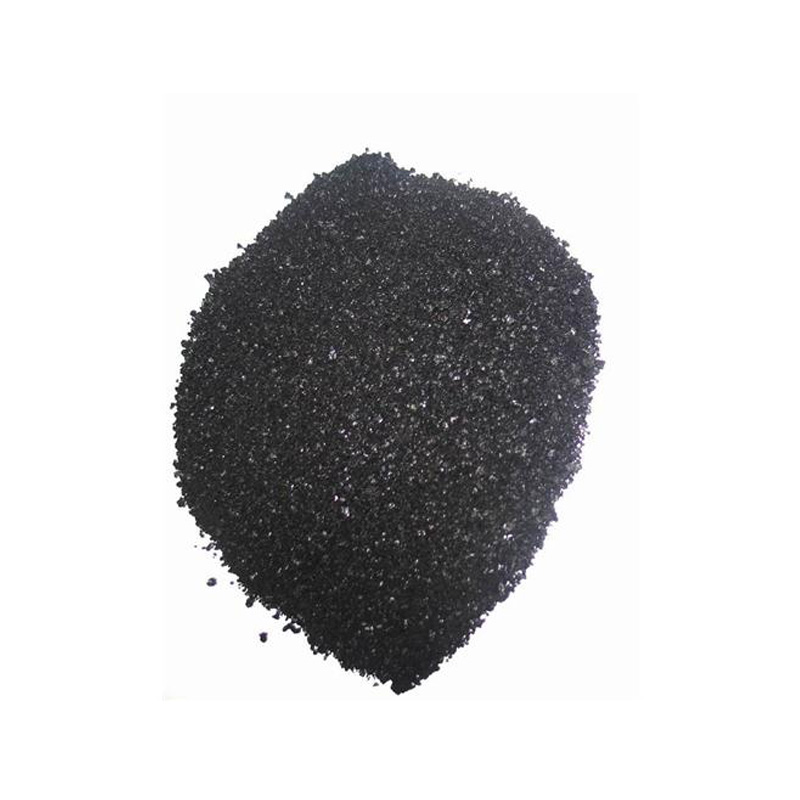
Sulphur Black
1.Name: sulphur black; Sulfur Black; Sulphur Black 1;
2.Structure formula:
3.Molecule formula: C6H4N2O5
4.CAS No.: 1326-82-5
5.HS code: 32041911
6.Product specification:Appearance:black phosphorus flakes; black liquid
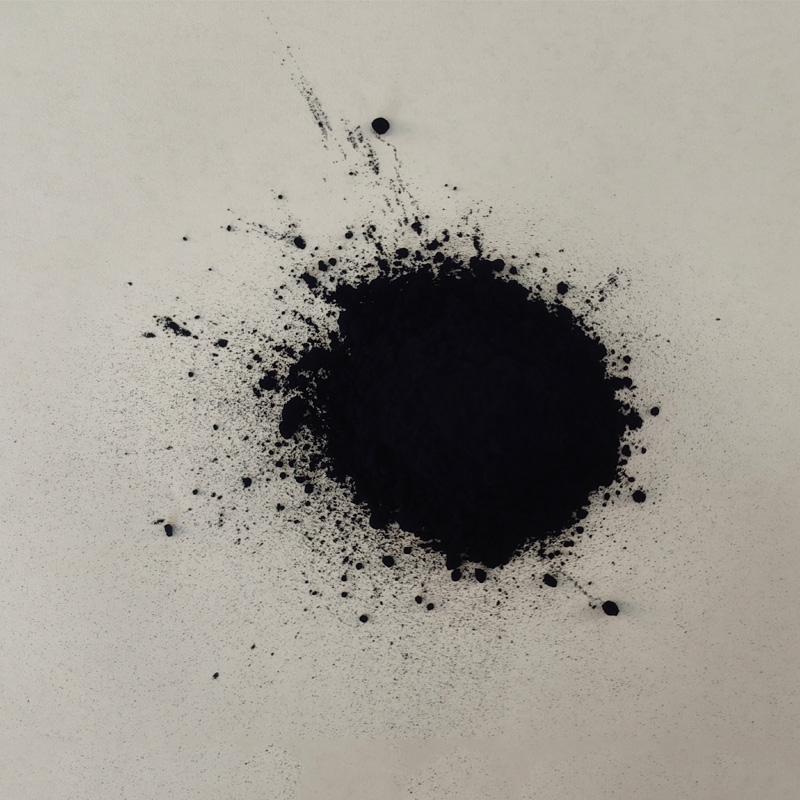
Bromo Indigo; Vat Bromo-Indigo; C.I.Vat Blue 5
1.Name: Bromo indigo; Vat bromo-indigo; C.I.Vat blue 5;
2.Structure formula:
3.Molecule formula: C16H6Br4N2O2
4.CAS No.: 2475-31-2
5.HS code: 3204151000 6.Major usage and instruction: Be mainly used to dye cotton fabrics.
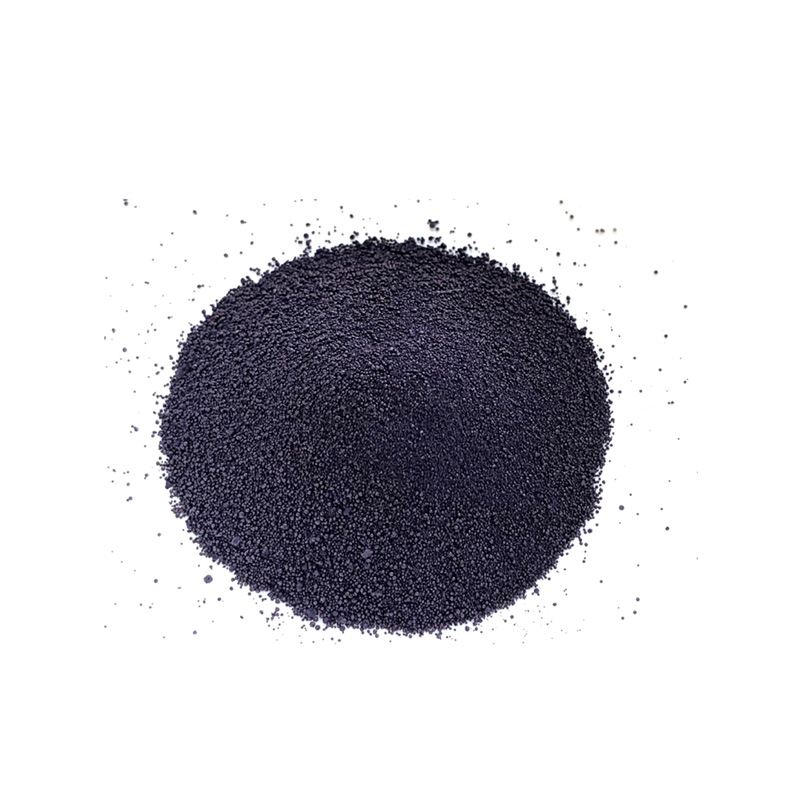
Indigo Blue Vat Blue
1.Name: indigo blue,vat blue 1,
2.Structure formula:
3.Molecule formula: C16H10N2O2
4.. CAS No.: 482-89-3
5.Molecule weight: 262.62
6.HS code: 3204151000
7.Major usage and instruction: Be mainly used to dye cotton fabrics.