

Best Quality Indigo Powder – Sustainable Natural Dye for Textile and Cosmetics
Why Best Quality Indigo Powder Is More Important Than You Might Think
If you’re like me, you might have thought indigo dye was just a quaint old-school pigment from the days of traditional textiles. But, honestly, there’s a surprising global importance tied to the best quality indigo powder nowadays. Across industries — from sustainable fashion to natural cosmetics — understanding the nuances of premium indigo powder can unlock benefits you didn’t expect.
The demand for natural and eco-friendly colorants is expanding worldwide, driven by rising consumer awareness and tighter environmental regulations. According to the United Nations Environment Programme (UNEP), the global textile industry generates roughly 20% of industrial water pollution, largely due to synthetic dyes. Naturally sourced indigo powder stands as a cleaner, biodegradable alternative, with promising implications for both health and planet.
The Worldwide Context: Why Indigo Powder Still Matters
Globally, the best quality indigo powder is more than just a pigment—it represents an intersection of history, culture, and industry innovation. The World Bank recently highlighted how natural dyes, including indigo, contribute to circular economies in rural areas of India, Nigeria, and Peru, where cultivation and processing can empower local farmers and artisans.
But here’s the catch: while the tradition of indigo is centuries old, the supply chain often struggles with inconsistency and quality control, especially when ramping up for industrial demand. That’s where understanding best quality indigo powder — its production, standards, and applications — becomes crucial.
What Exactly Is “Best Quality Indigo Powder”?
Simply put, best quality indigo powder is a finely processed natural dye extracted from the Indigofera plant species (mainly Indigofera tinctoria). It’s characterized by high purity, vibrant color retention, and minimal impurities that might affect its dyeing performance.
Unlike synthetic indigo, which is petroleum-derived, natural indigo powder boasts benefits aligned with sustainable industry goals — biodegradability, lower environmental burden, and chemical safety, especially for skin-contact applications.
Modern manufacturers frequently test the powder for colorfastness, particle size, and active pigment concentration, ensuring it meets both artisanal and industrial standards.
Breaking Down the Key Aspects of Indigo Powder Quality
1. Purity and Pigment Concentration
The real magic lies in the concentration of indigotin, the molecule responsible for that iconic blue. Higher pigment content means stronger, more vivid hues and less waste. Purity affects how cleanly it dissolves and reacts with fabrics — impurities can cause patchiness or fading.
2. Particle Size and Consistency
A well-milled powder presents finer and uniform particles, helping it disperse evenly during dyeing. Many artisans swear by powders that do not clump easily — makes all the difference in hand-dyeing or machinery processes.
3. Moisture Content and Shelf Life
Oddly enough, even little moisture variations impact quality. Too much moisture invites mold, while too little can make the powder stubborn to work with. Best quality indigo powder balances moisture for optimal shelf life, typically around 6–12 months when stored in cool, dry conditions.
4. Sourcing and Sustainability
From an ethical perspective, where and how the indigo is grown influences quality. Organic cultivation, minimal chemical use, and fair trade practices all contribute to the “best quality” stamp.
5. Colorfastness and Dye Performance
Because it’s ultimately about color, final garments or fabrics must retain the dye through washing and sunlight exposure. The powder’s quality manifests here — better powders offer superior fastness properties.
Mini summary: When scouting for premium indigo powders, focus on purity, particle size, moisture balance, sustainable sourcing, and proven colorfastness.
Where in the World Do They Use Best Quality Indigo Powder? Real Applications
From the highlands of Nepal to big factories in Japan, best quality indigo powder finds its way into fascinating uses:
- Artisanal Textiles: Small producers in West Africa and India craft traditional handloom fabrics dyed with natural indigo — prized for cultural heritage and aesthetics.
- Eco-conscious Fashion Brands: Increasingly, brands like Patagonia and Eileen Fisher incorporate natural indigo dyes to meet consumer demand and reduce synthetic waste.
- Cosmetic and Skincare: Indigo powder is a key ingredient in natural hair dyes and face masks, valued for anti-inflammatory properties.
- Interior Design: Used in sustainable interior fabrics and wall coatings, often in Japan, blending tradition with innovation.
In disaster relief zones or remote industrial clusters, natural indigo might seem like an unlikely hero. But local communities benefit by reviving indigenous dye crafts, creating livelihoods in times where industrial textile jobs are distant or scarce.
Product Specification Table: Typical Characteristics of Best Quality Indigo Powder
| Specification | Range/Value | Typical Unit |
|---|---|---|
| Pigment (Indigotin) Content | > 35% | Weight (%) |
| Moisture Content | 7% - 10% | Weight (%) |
| Particle Size | Micrometers (μm) | |
| Colorfastness Grade (Wash/Sunlight) | 4 - 5 (ISO scale) | ISO 105 CO3 |
| Shelf Life | 6 - 12 months | Months (storage) |
Comparing Leading Indigo Powder Suppliers
| Supplier | Origin | Purity (%) | Minimum Order | Certifications |
|---|---|---|---|---|
| Wuxin Group | India | >36% | 500 kg | ISO 9001, Organic |
| Blue Earth Naturals | Nigeria | ~34% | 300 kg | Fair Trade, Organic |
| Peru Indigo Co. | Peru | 35% | 200 kg | Organic |
The Real Advantages of Choosing Best Quality Indigo Powder
Beyond dark, rich blues, premium indigo powder offers a handful of practical benefits that ripple out to the environment and communities alike:
- Sustainability: It’s naturally renewable, biodegradable, and avoids pollution associated with synthetics.
- Health & Safety: No harsh chemicals means less risk for workers and consumers, especially in cosmetics.
- Economic Empowerment: Encourages fair wages for farmers and artisans through ethical sourcing.
- Emotional Connection: Using traditional natural dyes preserves cultural identities — a subtle but significant value.
- Reliability: Consistent shades and fastness reduce waste and inefficiencies in manufacturing.
So you get cost savings, eco benefits, and a connection to heritage—all wrapped up in a humble powder.
Looking Ahead: Innovations Shaping the Future of Indigo Powder
Believe it or not, natural indigo isn’t stuck in the past. Modern science and sustainable development initiatives are pushing the envelope with novel extraction methods, like enzyme-assisted fermentation, which reduce processing time and waste. Digital color matching tools help dyehouses automate consistency, while blockchain tracking ensures traceability from farm to factory.
There’s also a push for integrating indigo powder into emerging bio-based fabrics instead of cotton, like bamboo or hemp — making the whole garment greener. It’s an exciting crossroads where tradition meets 21st-century tech.
Overcoming Quality Challenges
Let’s be honest — consistency and supply chain transparency remain the biggest hurdles. Weather, crop disease, and small-holder variability cause fluctuations that can frustrate manufacturers.
Experts suggest standardized testing protocols, plus supplier partnerships that invest in community education. Also, blending powders from multiple sources can stabilize quality, though that sometimes dilutes authenticity.
Frequently Asked Questions About Best Quality Indigo Powder
- Q: How can I verify the purity of indigo powder before purchase?
- A: Request a certificate of analysis (COA) detailing pigment concentration and moisture content. Trusted suppliers also offer sample tests for colorfastness and particle uniformity.
- Q: Is best quality indigo powder suitable for sensitive skin products?
- A: Yes, natural indigo powder—especially organic certified—is considered safe and contains anti-inflammatory compounds. However, always check for allergenic contaminants or additives.
- Q: What’s the typical lead time when ordering from international suppliers?
- A: Lead times can range from 2 to 6 weeks depending on supplier location, order size, and shipping method. Planning ahead reduces disruptions.
- Q: Can I use natural indigo powder for industrial-scale textile dyeing?
- A: Absolutely, provided the powder meets industrial grade standards with consistent purity and colorfastness. Many large manufacturers are moving towards sustainable sourcing for this reason.
Wrapping It Up and What Next?
The story of best quality indigo powder is as rich and deep as its iconic blue pigment. It blends tradition, sustainability, and modern innovation to offer industries and communities a meaningful way forward. Choosing this natural dye means fewer chemicals, more ethical practices, and vibrant colors that last.
Interested in sourcing best quality indigo powder? Visit our website for detailed product information and supplier contacts.
References
-
Mastering the Art of China Japanese Indigo Dyeing Traditions
NewsApr.16,2026
-
Exploring the Elegance of China Deep Indigo Color in Textiles
NewsApr.09,2026
-
Discover High Quality China Jeans Blue Indigo for Global Markets
NewsApr.07,2026
-
Exploring the Rich Tradition of China Natural Indigo Dyed Fabric
NewsApr.04,2026
-
Exploring China Indigo Color in Nature History and Modern Applications
NewsMar.31,2026
-
Discover High Quality China Pure Indigo Powder for Vibrant Natural Dyeing
NewsMar.28,2026
-
Exploring the Rich History of China True Blue Indigo Textiles
NewsMar.26,2026
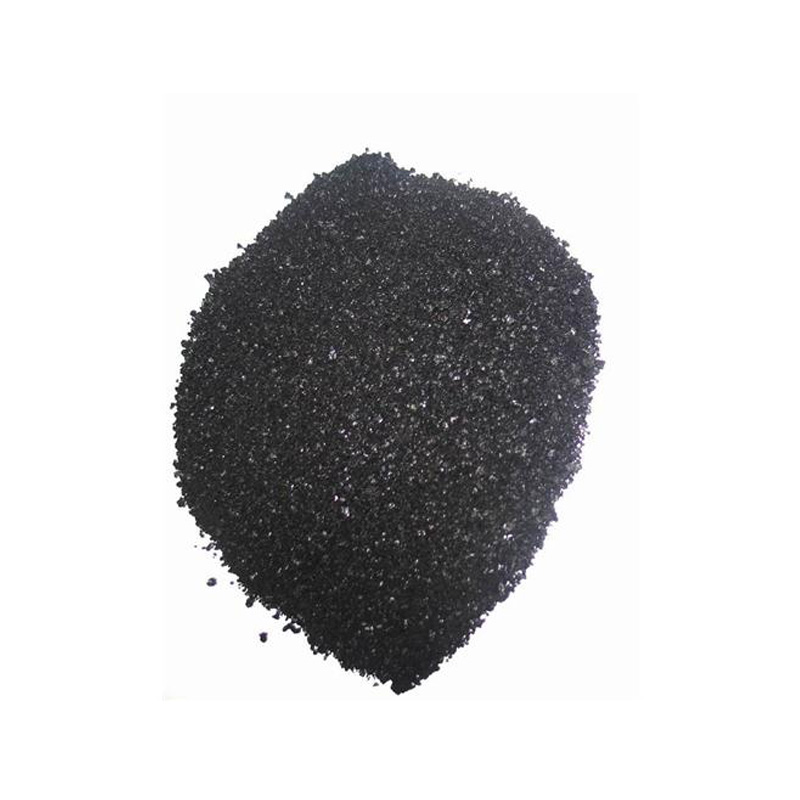
Sulphur Black
1.Name: sulphur black; Sulfur Black; Sulphur Black 1;
2.Structure formula:
3.Molecule formula: C6H4N2O5
4.CAS No.: 1326-82-5
5.HS code: 32041911
6.Product specification:Appearance:black phosphorus flakes; black liquid
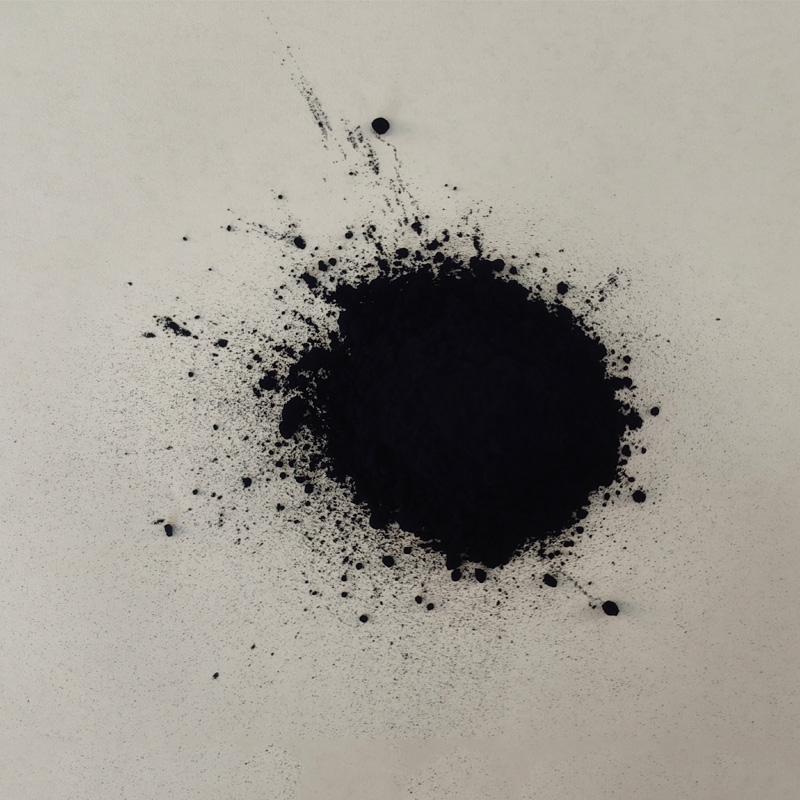
Bromo Indigo; Vat Bromo-Indigo; C.I.Vat Blue 5
1.Name: Bromo indigo; Vat bromo-indigo; C.I.Vat blue 5;
2.Structure formula:
3.Molecule formula: C16H6Br4N2O2
4.CAS No.: 2475-31-2
5.HS code: 3204151000 6.Major usage and instruction: Be mainly used to dye cotton fabrics.
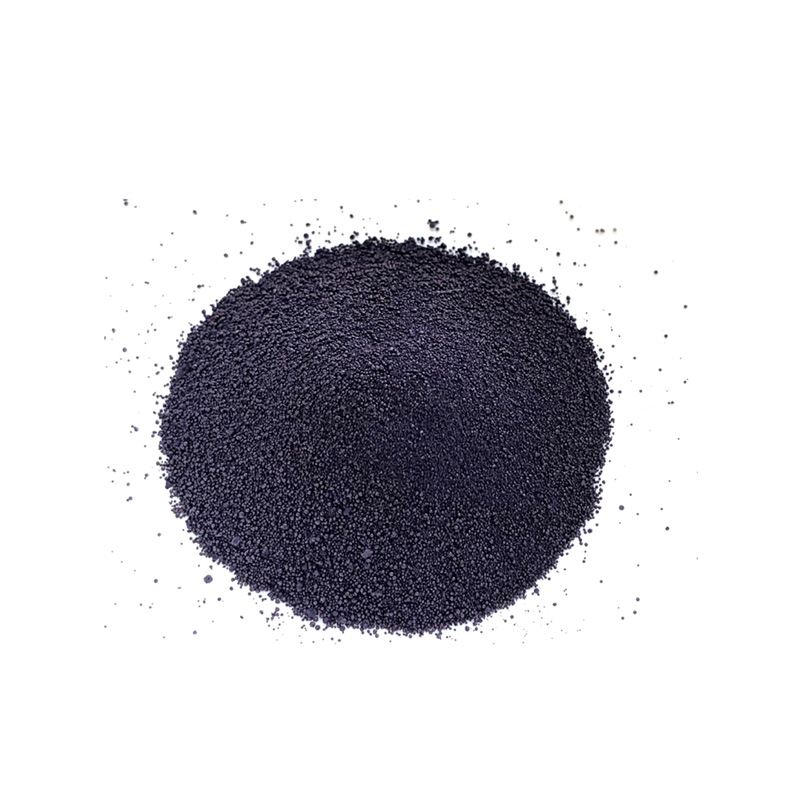
Indigo Blue Vat Blue
1.Name: indigo blue,vat blue 1,
2.Structure formula:
3.Molecule formula: C16H10N2O2
4.. CAS No.: 482-89-3
5.Molecule weight: 262.62
6.HS code: 3204151000
7.Major usage and instruction: Be mainly used to dye cotton fabrics.