

Explore Good Quality Indigo Powder – Sustainable Natural Dye for Textiles & More
Understanding the Importance of Good Quality Indigo Powder
Indigo powder is not just a pigment — it’s a story of culture, chemistry, and commerce wrapped up in one. Good quality indigo powder, in particular, holds a special place globally across industries, traditional crafts, and even sustainable fashion. But why does the quality matter so much? Well, it directly influences everything from the vividness and longevity of color in textiles to the environmental footprint of production. Understanding the nuances of good quality indigo powder gives us a window into centuries-old techniques being reborn in modern, eco-conscious industries.
From ancient cloth dyeing practices to cutting-edge organic material innovation, the significance of quality indigo stands out worldwide. The benefits range from durability and eco-sustainability to cultural preservation — and frankly, if you're involved in textile manufacturing or natural product sourcing, getting to grips with this topic isn’t optional anymore.
The Global Context of Indigo Powder: Why It Matters Today
Globally, indigo dyeing touches millions of livelihoods, particularly in India, China, Japan, and parts of Africa. According to the United Nations Industrial Development Organization (UNIDO), the natural dye industry is worth over a billion dollars, with indigo as one of its star players. The interesting challenge is balancing traditional production methods with the rising demand for sustainable, chemical-free coloring agents in fashion and crafts.
Even the World Bank recognizes the sector's potential for rural development, noting that high-quality natural dyes like good quality indigo powder could reduce reliance on synthetic dyes, which account for roughly 20% of global industrial water pollution (1). Yet, the production consistency remains problematic — which is exactly where quality control steps in.
So the question is: how can producers meet large-scale needs without compromising on quality or environmental integrity? That’s precisely why the concept of “good quality indigo powder” has become central in global supply chains and eco-fashion conversations.
What Exactly is Good Quality Indigo Powder?
In simple terms, indigo powder is a finely ground, blue pigment derived primarily from the Indigofera tinctoria plant or synthesized chemically. “Good quality” indigo powder, then, refers to powder that maintains purity, optimal particle size, consistent color strength, and minimal contaminants — qualities that deeply affect dyeing performance and durability.
Good quality indigo powder is prized for its:
- Color consistency: rich, deep blues that don’t fade easily
- Low impurities: fewer unwanted residues for better dye fixation
- Fine granulation: helps achieve smooth dispersion in water or solvents
Its connection to modern industry is also evident: this isn’t just about pretty fabrics. The powder plays a role in organic cosmetics, art supplies, and even eco-packaging dyes — where synthetic alternatives may fall short.
Key Qualities That Define Good Quality Indigo Powder
1. Purity and Chemical Composition
Good indigo powder should have minimal adulterants. Some suppliers blend powders with cheaper fillers, which can ruin the dye’s texture and color intensity. High-purity indigo often achieves a purity level above 85% indigo compound.
2. Particle Size and Texture
Finer particles dissolve more uniformly, enabling more consistent dye baths and better penetration into fibers. Rough powder can cause clumping or uneven patches.
3. Colorfastness and Light Stability
When exposed to sunlight or washing, top-tier indigo powder retains its deep blue hue longer, a must for quality textiles and artworks.
4. Organic and Sustainable Sourcing
Nature-friendly harvesting and manufacturing reduce harmful environmental impact, aligning with global shifts to cleaner production per ISO 14001 standards.
5. Packaging and Storage
Poor packaging can degrade quality rapidly due to moisture absorption. Vacuum-packed or moisture-barrier bags help maintain powder integrity.
Mini takeaway: When shopping for indigo powder, look beyond just the blue color. Particle size, purity, and sustainable credentials are where the true quality lies.
Real-World Applications of Good Quality Indigo Powder
Industrially, good quality indigo powder fuels denim and textile manufacturing in countries like Bangladesh, Vietnam, and Turkey, where fabric performance and eco-regulations are tightening. Beyond fashion, in remote areas of South Asia, artisans rely on it for traditional tie-dying techniques — a skill passed down generations.
Post-disaster relief operations sometimes use natural indigo to mark supplies or create durable fabrics for temporary shelters, seeking materials that won't degrade quickly in fluctuating climates.
Cosmetic companies are experimenting with indigo powder as a natural colorant in eye makeup or organic hair dye, emphasizing the non-toxic advantage.
Mini takeaway: The versatility of good quality indigo powder spans industries—from high-tech textiles to grassroots artisanship—showing it’s much more than just a pigment.
Advantages and Long-Term Value of Good Quality Indigo Powder
- Cost-Efficiency: Though natural indigo costs more upfront than synthetics, its longevity and reduced need for chemical fixatives make it economical in the long run.
- Sustainability: Reduces reliance on petrochemical dyes that pollute water and soil.
- Social Impact: Supports traditional farmers and cottage industries, especially in developing regions.
- Reliability: High-quality powder means consistent results, reducing waste and reprocessing.
I find it quite poetic that a natural pigment can carry so much meaning—connecting heritage, environment, and economic development all at once.
Future Trends and Innovations in Indigo Powder Production
There's growing momentum in producing bioengineered indigo, using microbial fermentation to scale up without farming pressure. This approach could revolutionize supply chains by making what’s now a fragile agricultural product into something more reliable and consistent.
Digital color matching technologies paired with real-time quality measurements enhance dyeing precision — especially important for industries chasing near-zero defect rates.
Meanwhile, automation in processing plants and better waste treatment methods aim for a greener indigo ecosystem, aligning with UN Sustainable Development Goals (2).
Challenges in Procuring and Using Good Quality Indigo Powder
Some key hurdles include:
- Variability in supply: Weather and agricultural disruption impact quality and availability.
- Adulteration risk: Unscrupulous suppliers muddle powders with fillers.
- Storage difficulties: Indigo powder's sensitivity to moisture demands smart packaging.
Innovative analytical tools, like spectrophotometric testing, help verify quality before purchase, and partnerships between buyers and growers can ensure more traceability.
Frequently Asked Questions About Good Quality Indigo Powder
- What should I look for when buying good quality indigo powder?
- Check for high purity (above 80%), fine texture, and packaging that protects against moisture. Also, verify the source and sustainability credentials if possible.
- How does good quality indigo powder differ from synthetic dyes?
- Natural indigo offers richer, more complex colors and is biodegradable, whereas synthetic dyes may use harmful chemicals and fade quicker.
- Can good quality indigo powder be used for hair coloring safely?
- Yes, many organic cosmetic brands use high-purity natural indigo powder, but always conduct a patch test to rule out allergies.
- How should I store indigo powder to maintain its quality?
- Keep it in airtight, moisture-proof containers away from sunlight and humidity to prevent degradation.
Product Specifications Table for Good Quality Indigo Powder
| Specification | Detail |
|---|---|
| Purity (Indigo content) | 85% - 92% |
| Particle Size | 15-50 microns |
| Moisture Content | Less than 5% |
| pH Level | 6.5 - 7.5 (neutral) |
| Packaging | Vacuum-sealed, moisture barrier bags |
| Shelf Life | 12 months under proper storage |
Vendor Comparison: Leading Suppliers of Indigo Powder
| Vendor | Purity (%) | Sustainability Certifications | Pricing (per kg) | Lead Time |
|---|---|---|---|---|
| IndigoPure Co. | 90% | Organic, Fair Trade | $45 | 2 weeks |
| NatureDyes Ltd. | 87% | ISO 14001 | $42 | 3 weeks |
| EcoBlue Extracts | 85% | Fair Trade, Bioengineered Trial | $40 | 1 week |
Wrapping Up
Good quality indigo powder isn’t just another industrial commodity — it’s a bridge between age-old craftsmanship and the green innovations of tomorrow. Whether you’re an artisan, an eco-conscious brand, or an industrial buyer, the quality speaks volumes about durability, sustainability, and cultural respect. Frankly, exploring this pigment feels like peeling back a layer on tradition and innovation mixed into one.
If you want to explore genuine, good quality indigo powder, I highly recommend checking out trusted suppliers who can provide traceability and certifications. The investment pays off not just in product excellence but in contributing toward a cleaner, more sustainable industry.
References
-
Mastering the Art of China Japanese Indigo Dyeing Traditions
NewsApr.16,2026
-
Exploring the Elegance of China Deep Indigo Color in Textiles
NewsApr.09,2026
-
Discover High Quality China Jeans Blue Indigo for Global Markets
NewsApr.07,2026
-
Exploring the Rich Tradition of China Natural Indigo Dyed Fabric
NewsApr.04,2026
-
Exploring China Indigo Color in Nature History and Modern Applications
NewsMar.31,2026
-
Discover High Quality China Pure Indigo Powder for Vibrant Natural Dyeing
NewsMar.28,2026
-
Exploring the Rich History of China True Blue Indigo Textiles
NewsMar.26,2026
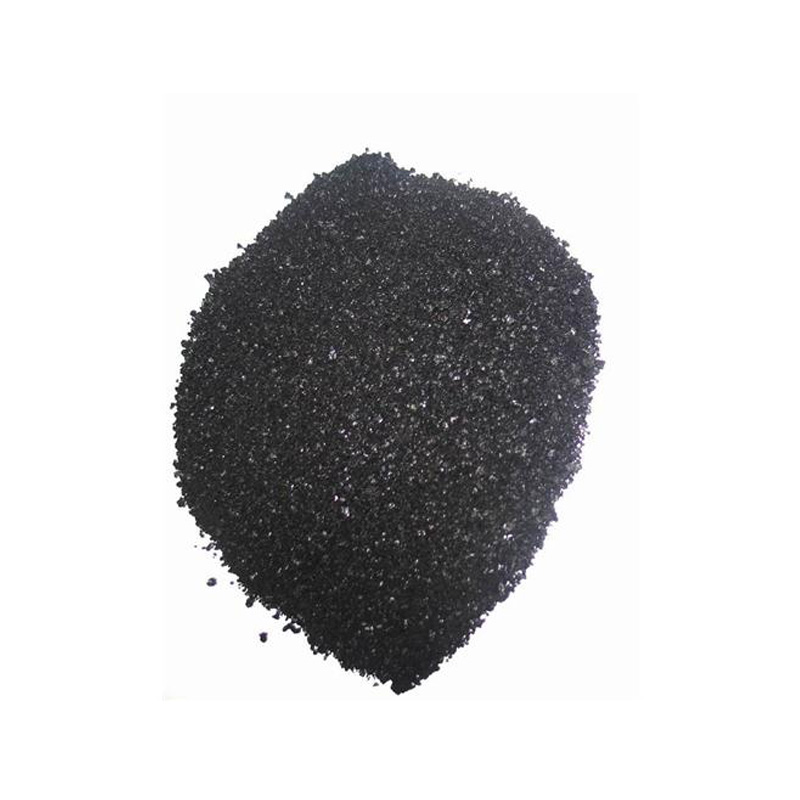
Sulphur Black
1.Name: sulphur black; Sulfur Black; Sulphur Black 1;
2.Structure formula:
3.Molecule formula: C6H4N2O5
4.CAS No.: 1326-82-5
5.HS code: 32041911
6.Product specification:Appearance:black phosphorus flakes; black liquid
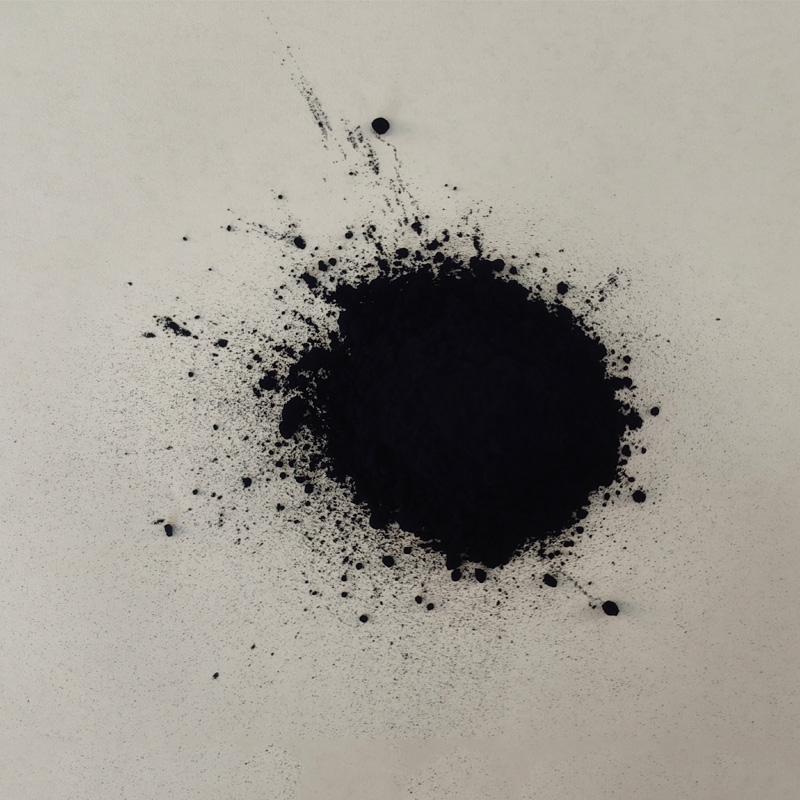
Bromo Indigo; Vat Bromo-Indigo; C.I.Vat Blue 5
1.Name: Bromo indigo; Vat bromo-indigo; C.I.Vat blue 5;
2.Structure formula:
3.Molecule formula: C16H6Br4N2O2
4.CAS No.: 2475-31-2
5.HS code: 3204151000 6.Major usage and instruction: Be mainly used to dye cotton fabrics.
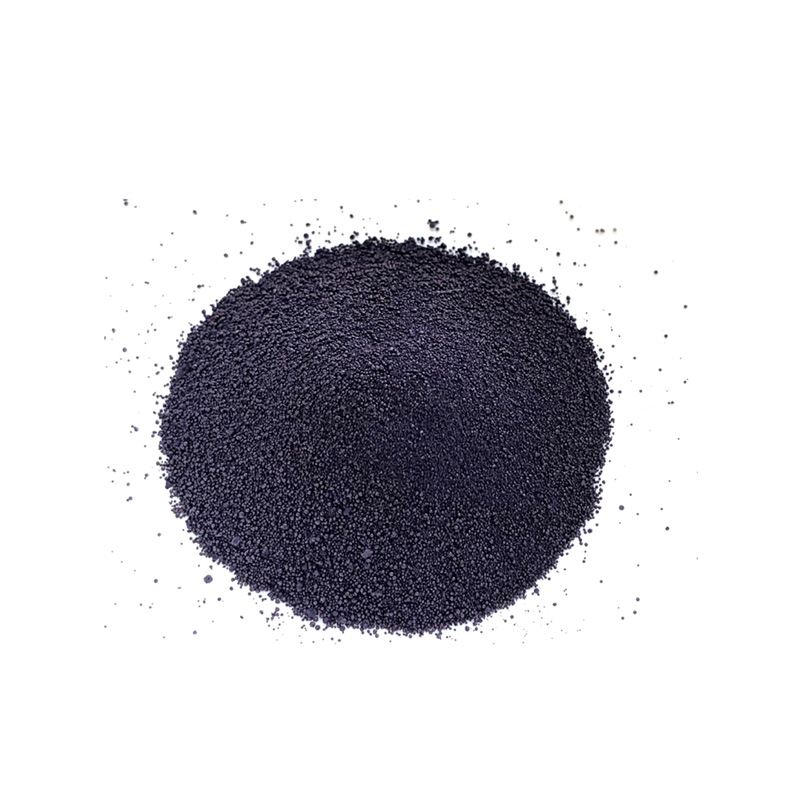
Indigo Blue Vat Blue
1.Name: indigo blue,vat blue 1,
2.Structure formula:
3.Molecule formula: C16H10N2O2
4.. CAS No.: 482-89-3
5.Molecule weight: 262.62
6.HS code: 3204151000
7.Major usage and instruction: Be mainly used to dye cotton fabrics.