

Premium High Quality Indigo Leather Dye for Sustainable Leather Goods
Why Understanding High Quality Indigo Leather Dye Matters Globally
Leather dyeing has been around for centuries, but the push toward high quality indigo leather dye is more than just a nod to tradition or aesthetics. In today's global economy—where sustainability, durability, and ethical sourcing are at the forefront—choosing the right dye especially when it comes to that iconic indigo blue can have real worldwide implications.
Why? Because the leather industry is a major economic powerhouse spanning continents, supporting millions of jobs, yet it also faces scrutiny for environmental impact and quality inconsistencies. Selecting a reliable, eco-friendly, and vibrant dye solution doesn’t just affect product resilience; it influences market trust, export value, and ultimately, consumer satisfaction.
The Global Context of Indigo Leather Dye
The global leather market was valued at over $600 billion in 2023 according to reports by industry watchers, with the indigo segment rapidly gaining attention in both fashion hubs and industrial manufacturing centers (1). Countries such as Italy, India, and Brazil have longstanding tanning traditions but now face a turning point—favoring eco-conscious production with reduced chemical waste and longer-lasting colors.
“Sustainability isn’t a buzzword anymore,” many manufacturers say—rather a necessity. The World Bank’s environmental data suggest that chemical misuse in leather dyeing contributes severely to water pollution, so improving dye quality with safer ingredients and better adherence to standards is critical.
Hence, high quality indigo leather dye isn’t just a pigment but a response to evolving regulations and consumer demands worldwide.
Mini takeaway:
Choosing the right indigo leather dye aligns with a growing global need for sustainable, durable, and visually appealing leather goods.
What Exactly is High Quality Indigo Leather Dye?
Simply put, high quality indigo leather dye refers to chemical formulations designed specifically to impart a deep, rich indigo color onto leather materials while ensuring colorfastness, minimal environmental harm, and consistent performance across leather types. Indigo itself is a historically significant dye, naturally derived and prized for its vibrant blue hue.
In modern industry, this means a blend of traditional natural sources with advanced synthetic processes, designed for leathers that will undergo various stressors—from stretching and weather exposure to washing and UV light. Quality is measured by how well the dye penetrates, resists fading, and leaves minimal residues harmful to workers or ecosystems.
Moreover, in humanitarian efforts—like providing durable leather shoes or gear to vulnerable populations—the reliability of indigo leather dye ensures that the products retain dignity and usability over long periods under tough conditions.
Mini takeaway:
High quality indigo leather dye combines tradition with technology to meet the demands of modern leather products and ethical concerns.
Key Components of High Quality Indigo Leather Dye
Durability & Colorfastness
This ensures the leather maintains its classic indigo color even after exposure to sun, sweat, and abrasion. Many manufacturers test dyes against ISO 17234 standards for color durability.
Eco-Friendly Ingredients
High quality dyes reduce harmful heavy metals and toxic chemicals, aligning with stricter international environmental guidelines (like REACH in Europe).
Compatibility with Leather Types
A good indigo dye works on various hides—from full grain to corrected grain—without damaging the leather’s texture or flexibility.
Fast Penetration & Uniformity
Fast absorption reduces production time and improves efficiency, avoiding patchy or uneven color that can hurt brand reputation.
Resistance to Fading & Bleeding
This maintains the garment or accessory's aesthetic appeal and prevents staining of users' clothes or hands.
Mini takeaway:
These factors collectively elevate the perceived value and marketability of leather products dyed with superior indigo materials.
| Specification | Detail |
|---|---|
| Color Shade | Deep Indigo Blue (Pantone 19-3921) |
| pH Level | 5.5 - 7.0 (Skin Friendly) |
| Fastness Rating | ISO 105-B02 (Light fastness): 6/8 |
| Heavy Metal Content | Below 20 ppm (Lead, Cadmium, Chromium) |
| Application Method | Dip-dyeing, Spray, Brush |
| Drying Time | 2-4 minutes under warm air |
How High Quality Indigo Leather Dye is Used Globally
Take a leap from the artisanal workshops in Florence to large-scale manufacturing plants in Mumbai. High quality indigo leather dye finds use in everything from premium footwear and handbags to automotive upholstery and sports equipment. The dye’s consistent performance under harsh industrial use cases means it’s trusted in both luxury fashion lines and rugged outdoor gear production.
In regions like Southeast Asia and parts of Africa, NGOs have started using dyed leather in vocational training programs. These programs not only teach sustainable leather crafting but also create marketable products that uplift local economies.
Oddly enough, even disaster relief initiatives use dyed leather for durable sandals and equipment cases that survive rough handling and weather—often overlooked but crucial for protecting assets and dignity in tough situations.
Mini takeaway:
From artisan ateliers to humanitarian projects, the demand for reliable indigo leather dye crosses cultures and continents.
Advantages and Long-Term Value
- Cost Efficiency: Less dye used per unit, longer-lasting colors reduce product returns.
- Sustainability: Low toxic compounds mitigate soil and water pollution.
- Consumer Trust: Rich, long-lasting color enhances brand reputation and customer loyalty.
- Social Impact: Supporting ethical dyeing practices promotes fair labor and safe workplaces.
- Innovation: Advances in dye chemistry lead to creative product lines with unique finishes.
Overall, the combination provides a blend of practical business advantages—as well as ethical satisfaction for brands concerned about global impact.
Upcoming Trends & Innovations in Indigo Leather Dye
There’s a lot brewing on the horizon. Bio-based indigo dyes, produced through microbial fermentation methods, are moving from labs to factories, promising zero toxic waste and renewable sourcing. Digital dyeing systems are becoming more automated, reducing water and energy consumption significantly (2).
The push for certification frameworks such as ISO 14001 encourages manufacturers to more rigorously measure and improve their environmental footprint. It feels like the whole leather dyeing industry is waking up to the “green” revolution—not just as a trend but a necessity for staying competitive.
Challenges and How the Industry is Overcoming Them
Not everything is rosy. For starters, consistent quality control remains a challenge especially in fragmented supply chains where producer capacities vary. Also, the initial cost of switching to high quality indigo dyes—especially bio-based ones—can be steep for smaller manufacturers.
But thanks to technological advances and government incentives, many companies are embracing innovation. Collaborative platforms allow shared testing labs and bulk procurement, lowering costs and boosting quality assurance.
Vendor Comparison: High Quality Indigo Leather Dye Providers
| Vendor | Eco Credentials | Color Fastness (1-8) | Price per kg (USD) | Global Reach |
|---|---|---|---|---|
| IndigoPro Ltd. | ISO 14001, REACH | 7 | $28 | Europe, Asia, Americas |
| BlueHue Chemicals | Bio-Based, Low Tox | 6 | $32 | Asia, Africa |
| EcoDye Solutions | Vegan, Non-Toxic | 6.5 | $35 | North America, Europe |
FAQ: Answering Your Questions About High Quality Indigo Leather Dye
- What makes high quality indigo leather dye better than generic dyes?
- High quality dyes offer superior colorfastness, environmentally friendly formulations, and better leather compatibility — meaning your products look consistently good and last longer without fading or staining.
- How do I know if my leather supplier uses eco-friendly indigo dyes?
- Look for certifications like ISO 14001 or REACH compliance and ask for transparent reports on chemical content. Reputable suppliers often provide these details upfront.
- Can indigo dye be applied to all types of leather?
- Generally, yes. However, the specific dye might need adjusting based on the leather finish—full-grain, corrected grain, or split leather—to ensure uniform color and penetration.
- Are there cost trade-offs when switching to high quality indigo dyes?
- While the initial dye cost can be higher, the improved durability and reduced waste often balance or outweigh expenses in the long run.
- Where can I buy reliable high quality indigo leather dye?
- Vendors with proven eco-credentials and solid industrial experience, such as high quality indigo leather dye providers, offer trustworthy products and customer support.
Wrapping Up: The Long-Term Value of High Quality Indigo Leather Dye
In the end, investing in high quality indigo leather dye isn’t just about creating beautiful leather goods—it’s about meeting the future head-on with responsibility and innovation. Whether you’re a manufacturer aiming to reduce environmental impact or a designer seeking that perfect lasting blue, the value is clear. If you want to explore top-tier options, visit our website: high quality indigo leather dye.
References:
- Leather Market Global Report 2023, IBISWorld
- ISO Environmental Standards for Chemical Processing, ISO 14001
- World Bank Environmental Data, 2022
-
Mastering the Art of China Japanese Indigo Dyeing Traditions
NewsApr.16,2026
-
Exploring the Elegance of China Deep Indigo Color in Textiles
NewsApr.09,2026
-
Discover High Quality China Jeans Blue Indigo for Global Markets
NewsApr.07,2026
-
Exploring the Rich Tradition of China Natural Indigo Dyed Fabric
NewsApr.04,2026
-
Exploring China Indigo Color in Nature History and Modern Applications
NewsMar.31,2026
-
Discover High Quality China Pure Indigo Powder for Vibrant Natural Dyeing
NewsMar.28,2026
-
Exploring the Rich History of China True Blue Indigo Textiles
NewsMar.26,2026
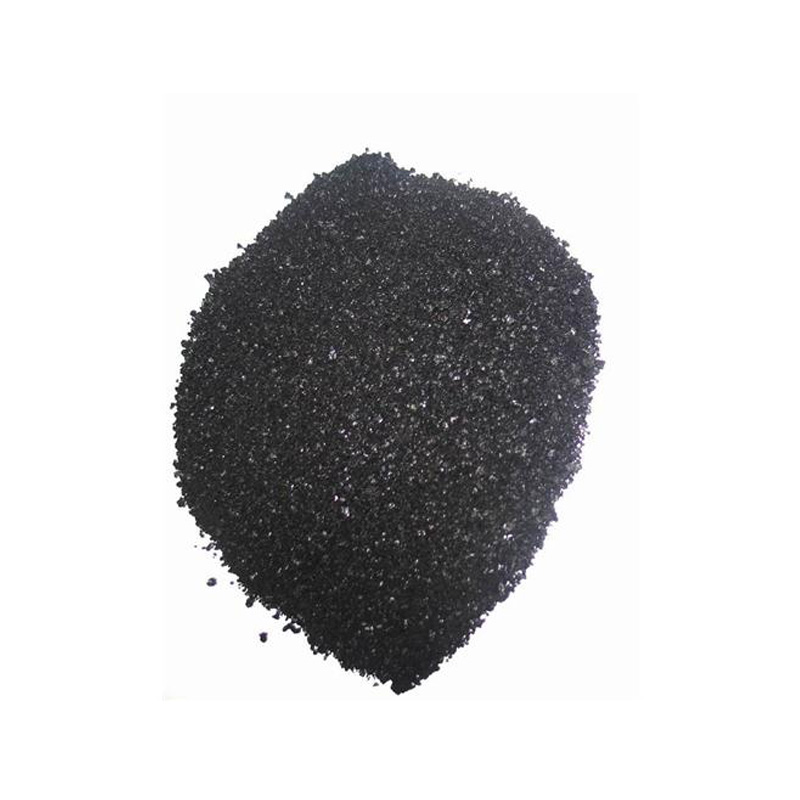
Sulphur Black
1.Name: sulphur black; Sulfur Black; Sulphur Black 1;
2.Structure formula:
3.Molecule formula: C6H4N2O5
4.CAS No.: 1326-82-5
5.HS code: 32041911
6.Product specification:Appearance:black phosphorus flakes; black liquid
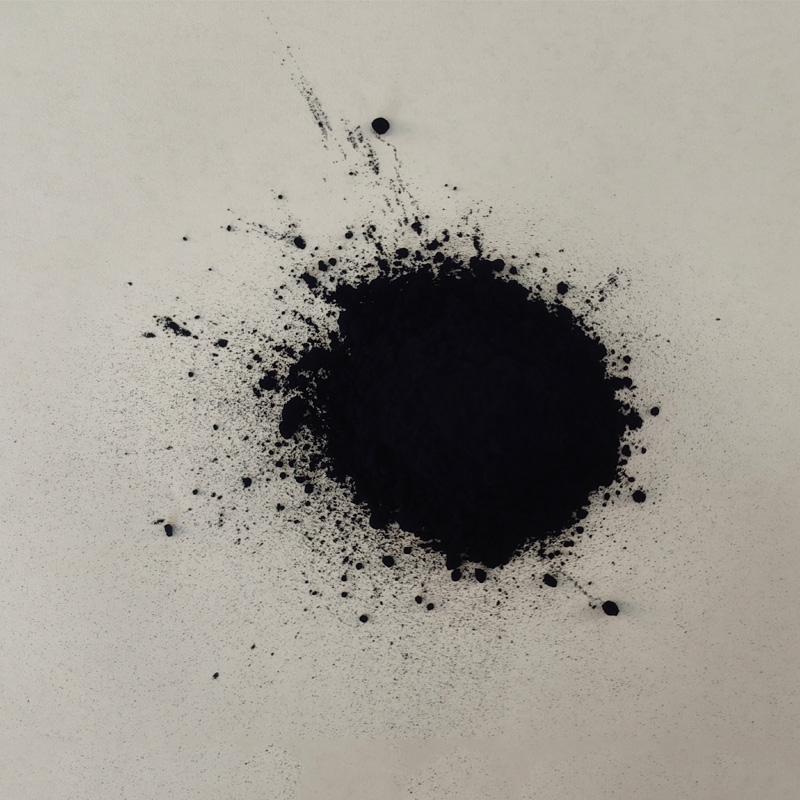
Bromo Indigo; Vat Bromo-Indigo; C.I.Vat Blue 5
1.Name: Bromo indigo; Vat bromo-indigo; C.I.Vat blue 5;
2.Structure formula:
3.Molecule formula: C16H6Br4N2O2
4.CAS No.: 2475-31-2
5.HS code: 3204151000 6.Major usage and instruction: Be mainly used to dye cotton fabrics.
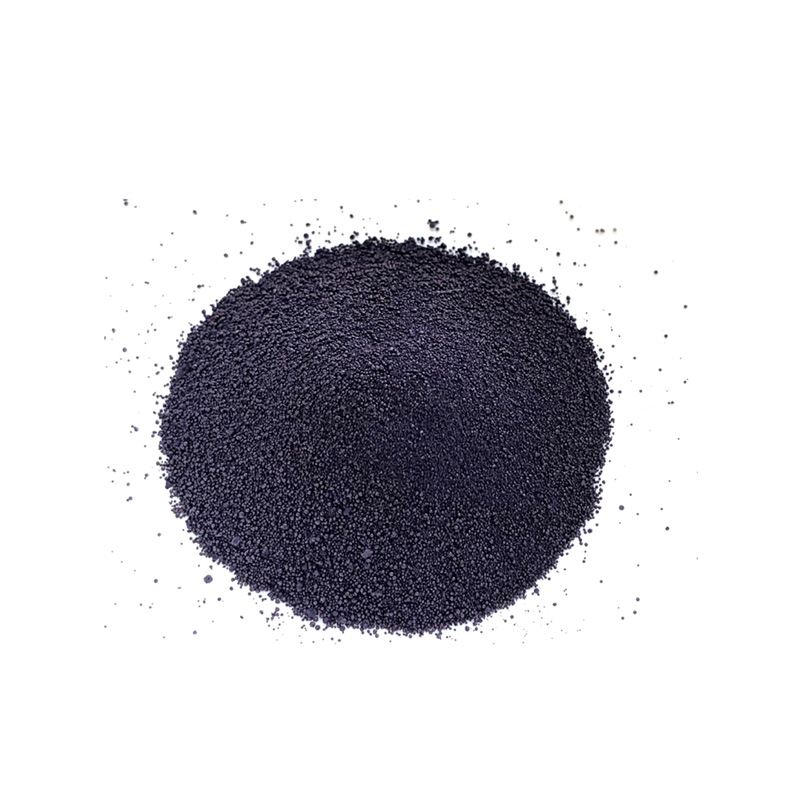
Indigo Blue Vat Blue
1.Name: indigo blue,vat blue 1,
2.Structure formula:
3.Molecule formula: C16H10N2O2
4.. CAS No.: 482-89-3
5.Molecule weight: 262.62
6.HS code: 3204151000
7.Major usage and instruction: Be mainly used to dye cotton fabrics.