

Comprehensive Guide to Sulphur Dyes | Benefits & Industry Insights
Understanding Sulphur Dyes: Why They Matter Worldwide
In the colorful spectrum of industrial dyes, sulphur dyes have quietly cemented their place as a cost-effective, durable, and eco-friendly option. If you’re dipping your toes into textile manufacturing, or simply curious about the chemistry behind our clothes, it’s worth understanding what sulphur dyes are and why they carry global significance.
Not only do they color fabrics with rich, deep hues, but they also bring benefits that touch on economics, sustainability, and supply chain efficiency. So this little guide unpacks the essence of sulphur dyes — from their chemistry to their real-life applications — and why they still matter in a world shifting towards greener, smarter manufacturing.
Global Context: The Role of Sulphur Dyes in Industry Today
Nearly 60% of textiles worldwide are dyed using synthetic dyes, with sulphur dyes accounting for a significant share due to their affordability and fast application process. According to the International Dye Industry Association (IDIA), the sulphur dye segment has sustained a steady growth of around 3% per year over the last decade.
Yet, this growth masks challenges: sulfur dyes, by their nature, pose wastewater management issues and sometimes show durability concerns on certain fabrics. Industry leaders are on an ongoing quest to balance affordability with sustainability without compromising the vibrant colors their customers expect. With rising textile exports in countries like India, Bangladesh, and China, making such dyes both green and scalable is a key challenge.
If you think about it, dyes aren't just about pretty colors; they’re about textile longevity, reducing waste in fast fashion, and even humanitarian contexts where durable fabric is essential in fragile environments (think refugee camps or emergency shelters).
What Exactly Are Sulphur Dyes?
Simply put, sulphur dyes are a class of synthetic dyes predominantly used on cotton fabrics that create rich black, brown, navy, and olive shades. Unlike more complex dyes, sulphur dyes are characterized by their unique chemistry — they contain sulphur atoms that react under heat and in a reducing medium to become water-insoluble, locking color firmly into the fabric's fibers.
This chemical transformation is what makes sulphur dyes attractive for mass textiles: they are relatively easy to apply, inexpensive, and yield colorfast results resistant to washing and light.
They might not be the flashiest dyes on the market, but their functional value across industry and humanitarian needs — from workwear uniforms to emergency blankets — is noteworthy.
Key Factors Behind Sulphur Dyes’ Enduring Popularity
Durability
Once dyed, fabrics exhibit good resistance to washing and abrasion — a key factor for industrial work clothing or items requiring tough wear.
Cost Efficiency
Compared to vat dyes or reactive dyes, sulphur dyes provide a lower-cost solution with minimal equipment investments, making them favored in emerging markets.
Color Palette
Though limited mainly to dark earthy tones — black, olive, brown, navy — those colors cover many industry needs, from military to corporate uniforms.
Environmental Concerns
Admittedly, conventional sulphur dyeing generates sulfur-based effluents that require careful treatment. Yet recent advances in effluent management and process automation are improving sustainability.
Scalability
The dyeing process is highly adaptable for large batch production or continuous processes, aligning well with textile factories world-wide.
Mini takeaway: The balance of durability and affordability keeps sulphur dyes relevant, even as industries pivot towards greener options.
Sulphur Dyes in the Real World: Where and How?
Across Asia, particularly in India and Bangladesh, sulphur dyes color massive volumes of cotton fabric destined for export. Industrial workwear providers use these dyes to meet contract demands for colorfast uniforms. Military suppliers appreciate their deep navy and black hues that hold up in rough deployment conditions.
In humanitarian contexts, sulphur-dyed textiles sometimes feature in products like emergency tents, tarps, or blankets — leveraging their ruggedness and cost advantages where budgets are tight but durability matters.
Even in home furnishing, sulphur dyes find application in upholstery and foot mats, where dark colors help hide dirt and wear.
Advantages and the Bigger Picture Value
- Cost-effective production ensures accessibility for manufacturers and end-users alike.
- Reliability over time means fewer replacements and less waste.
- Social impact by enabling affordable textiles vital to economies of developing countries.
- Environmental initiatives are pushing the industry to innovate cleaner processes.
There’s also an intangible peace of mind in knowing that your fabric can withstand day-to-day use and fading — not unlike a trusty pair of boots or a classic leather jacket. If the textiles world had a quiet patriot, sulphur dyes might just be it.
Emerging Trends Shaping the Future of Sulphur Dyes
Researchers are exploring new catalysts to reduce sulfur-containing waste products from dyeing, along with precision application techniques that minimize water and energy use. Nano-engineered formulations could boost colorfastness further, especially on blended fabrics.
Another hot topic? Biodegradable auxiliaries and greener reducing agents — aligning sulphy dyes with the goals of circular fashion models. Digital textile printing innovations are unlikely to replace sulphur dyes completely but might complement them in hybrid workflows.
It feels like sustainability is no longer a side conversation but the headline act — and sulphur dyes are stepping up.
Challenges and How Industry is Tackling Them
While sulphur dyes are cost-effective, they aren’t without drawbacks. The sulfur compounds can create unpleasant odors during dyeing and require rigorous wastewater treatment to avoid environmental damage. Plus, their limited palette can be restrictive for fashion applications.
Manufacturers are responding with closed-loop dyeing systems, enzymatic treatments, and pollution abatement tech. Some are blending sulphur dyes with reactive dyes to expand color variety without sacrificing durability.
Of course, all this tech costs money—but many see it as insurance against tightening global environmental regulations.
Product Specification Table: Typical Sulphur Dyes
| Property | Typical Value | Comments |
|---|---|---|
| Common Colors | Black, Olive Green, Brown, Navy | Mostly dark hues |
| Fiber Compatibility | Cotton, Viscose | Best on cellulose fibers |
| Application Method | Hot Exhaust or Continuous dyeing | Industrial-scale preferred |
| Colorfastness to Washing | Good to Excellent (4-5 scale) | Durable for heavy wear |
| Environmental Concerns | Sulfur effluent presence | Needs wastewater treatment |
| Cost | Low to Medium | Affordable for mass markets |
Vendor Comparison: Major Sulphur Dye Suppliers
| Supplier | Color Range | Sustainability Initiatives | Market Focus | Delivery & Support |
|---|---|---|---|---|
| DyeCo Global | Standard Darks | ISO 14001 certified, effluent tech | Textile mills, Apparel | 24/7 Tech support |
| SulfaDyne Corp. | Expanded olive & navy shades | R&D on biotech reduction agents | Industrial fabrics | Regional warehouses |
| EcoDyes Ltd. | Limited; focuses on blacks | Zero-discharge dyeing process | Eco-conscious brands | Technical webinars & consultancy |
FAQs About Sulphur Dyes
1. Are sulphur dyes safe for everyday clothing?
Generally yes. Once processed properly, sulphur-dyed garments are safe and comfortable to wear. However, the dyeing process needs proper wastewater treatment to avoid environmental hazards.
2. Can sulphur dyes be used on synthetic fibers?
They’re primarily formulated for cellulose-based fibers like cotton or viscose. Synthetic fibers like polyester don’t hold sulphur dyes well, so alternate dye classes are usually preferred.
3. How do sulphur dyes impact the environment?
The dyeing process can produce sulfur compounds harmful to aquatic life if untreated. Modern plants implement recycling and treatment systems to mitigate this.
4. What industries rely most on sulphur dyes?
Workwear manufacturers, military suppliers, and some home textile producers use sulphur dyes due to their durability and cost-efficiency.
5. Are sulphur dyes compatible with sustainable fashion?
More than before! With advances in cleaner application technology and treatment solutions, sulphur dyes are becoming part of sustainable textile strategies.
Wrapping it up: Why Sulphur Dyes Still Matter
To sum it up, sulphur dyes offer a blend of cost savings, durability, and practicality that keeps them relevant from factory floors in Asia to relief efforts across the globe. Sure, they come with challenges — mostly environmental — but innovation in processes and chemistry continually improves their footprint.
If you’re considering sulphur dyes for your textile needs, there’s no harm in diving deeper and exploring updated, eco-conscious suppliers. Curious to learn more? Visit our website: https://www.wuxin-group.com for detailed product info and support.
Thanks for reading. Sometimes the unsung heroes (like sulphur dyes) deserve a moment in the spotlight.
References
-
Mastering the Art of China Japanese Indigo Dyeing Traditions
NewsApr.16,2026
-
Exploring the Elegance of China Deep Indigo Color in Textiles
NewsApr.09,2026
-
Discover High Quality China Jeans Blue Indigo for Global Markets
NewsApr.07,2026
-
Exploring the Rich Tradition of China Natural Indigo Dyed Fabric
NewsApr.04,2026
-
Exploring China Indigo Color in Nature History and Modern Applications
NewsMar.31,2026
-
Discover High Quality China Pure Indigo Powder for Vibrant Natural Dyeing
NewsMar.28,2026
-
Exploring the Rich History of China True Blue Indigo Textiles
NewsMar.26,2026
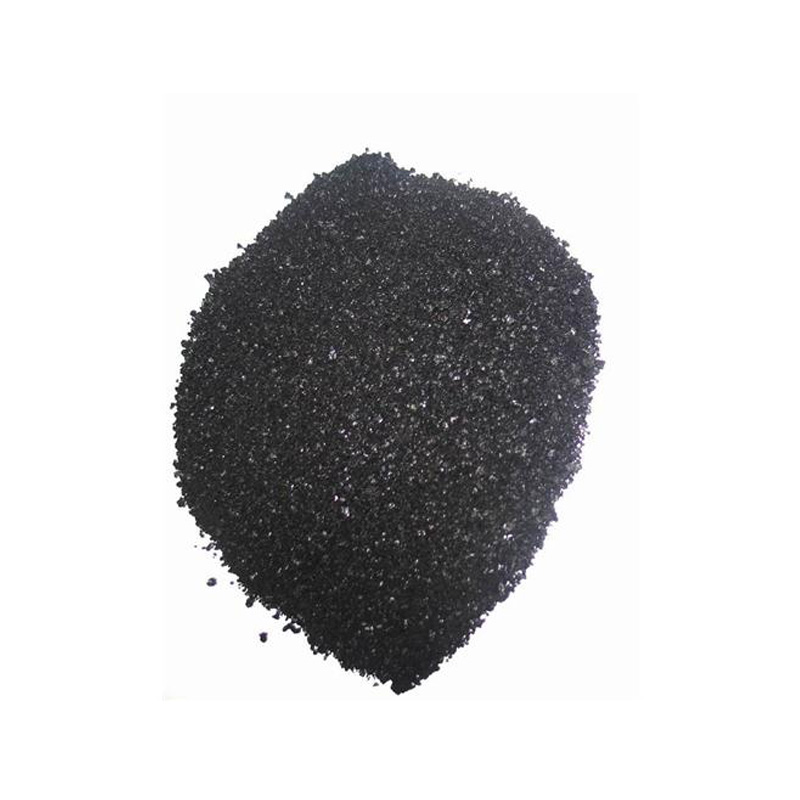
Sulphur Black
1.Name: sulphur black; Sulfur Black; Sulphur Black 1;
2.Structure formula:
3.Molecule formula: C6H4N2O5
4.CAS No.: 1326-82-5
5.HS code: 32041911
6.Product specification:Appearance:black phosphorus flakes; black liquid
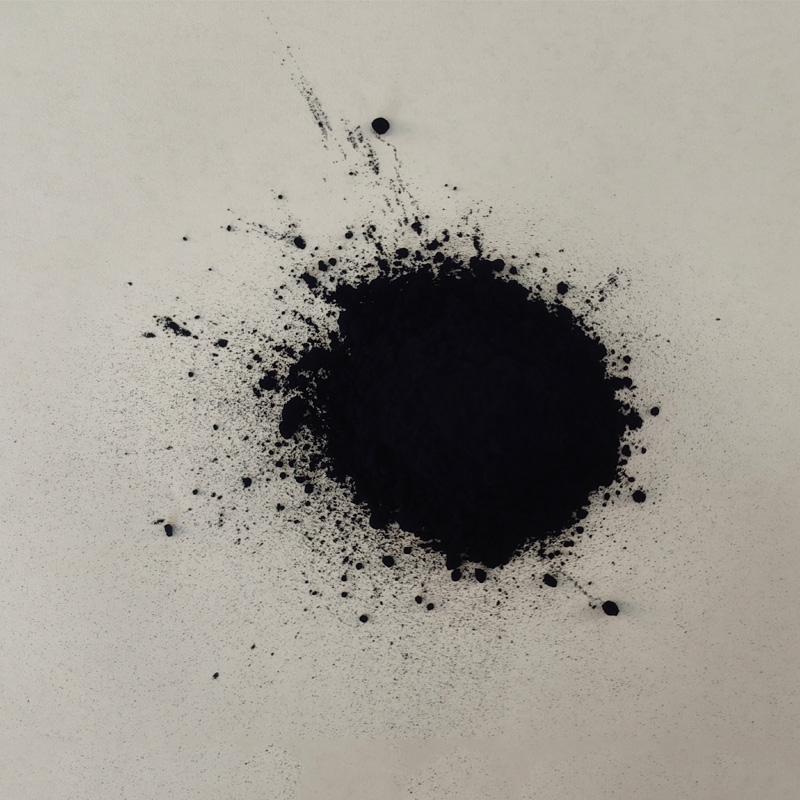
Bromo Indigo; Vat Bromo-Indigo; C.I.Vat Blue 5
1.Name: Bromo indigo; Vat bromo-indigo; C.I.Vat blue 5;
2.Structure formula:
3.Molecule formula: C16H6Br4N2O2
4.CAS No.: 2475-31-2
5.HS code: 3204151000 6.Major usage and instruction: Be mainly used to dye cotton fabrics.
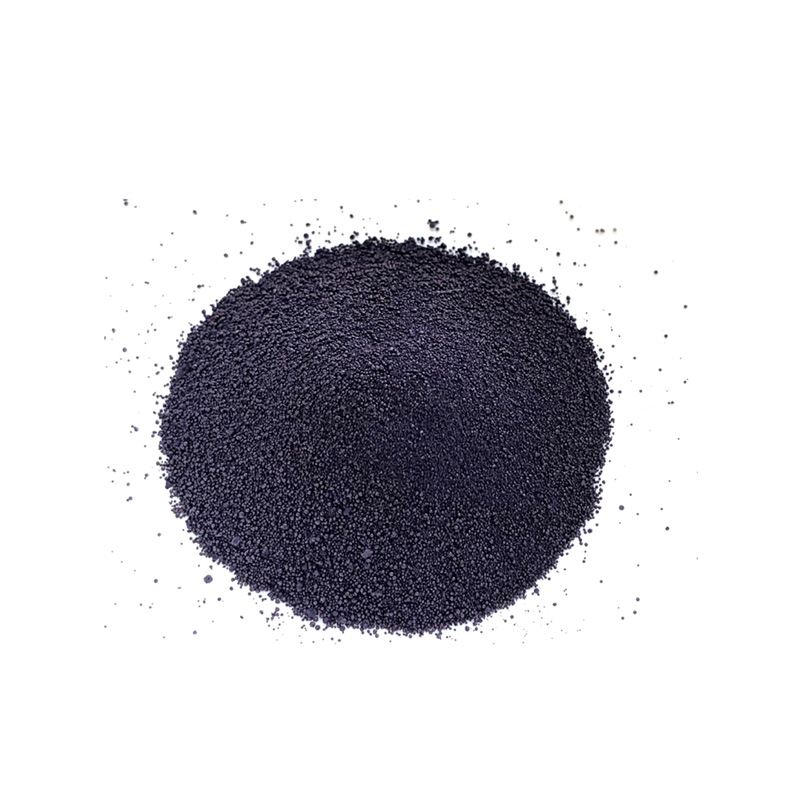
Indigo Blue Vat Blue
1.Name: indigo blue,vat blue 1,
2.Structure formula:
3.Molecule formula: C16H10N2O2
4.. CAS No.: 482-89-3
5.Molecule weight: 262.62
6.HS code: 3204151000
7.Major usage and instruction: Be mainly used to dye cotton fabrics.