

Discover the Best Indigo Powder: Quality, Applications & Future Trends
Understanding the Best Indigo Powder: Global Relevance and Why It Matters
Indigo powder has been cherished for centuries, venerable as a natural dye with a richness in color that synthetic alternatives often struggle to match. But today, the best indigo powder is more than just an artisanal pigment—it carries weight in global industries from sustainable textiles to organic hair care products. Understanding what makes indigo powder the "best" isn’t just about aesthetics; it’s about purity, sustainability, and socio-economic impact. Given the increasing desire for eco-friendly alternatives in a polluted textile world, the quest for superior quality indigo powder has become a serious pursuit, stretching from traditional farmers in India to high-end manufacturers worldwide.
Mini takeaway: The best indigo powder isn’t just about dyeing fabric beautifully; it’s an intersection of culture, environmental responsibility, and modern industry demands.
Why Indigo Powder Holds Global Importance in Today's Market
Did you know that the global natural dyes market is expected to grow at a CAGR of over 8% from 2021–2028? According to reports by the United Nations’ Food and Agriculture Organization (FAO) and textile industry analysts, synthetic dyes contribute significantly to water pollution, making natural alternatives like indigo increasingly attractive. Best indigo powder stands at this crossroad, addressing the need for cleaner production methods while adhering to cultural heritage.
The challenge? Ensuring quality and scalability. Raw indigo extraction is complex and sensitive to farming conditions and processing techniques. As industries—including organic cosmetics, couture fashion houses, and sustainable textile producers—lean into natural dyes, demand for premium indigo powder soars. Balancing supply with sustainable harvesting is no small feat.
Mini takeaway: The surge for natural, eco-friendly pigments highlights best indigo powder as a pivotal material in environmental and industrial shifts globally.
What Exactly Is the Best Indigo Powder?
In simple terms, indigo powder is a fine, natural blue pigment extracted primarily from plants in the Indigofera genus. The best indigo powder typically indicates a product with high purity, vibrant color, minimal impurities, and consistent quality. Industrial standards often measure these traits, but traditionally, artisans have judged beauty and potency by subtle visual and olfactory cues.
Interestingly, indigo’s role today stretches beyond just dyeing textiles. Organic hair dye brands use it as a natural alternative to chemical dyes, while artists treasure its unique hue. The best indigo powder signifies a blend of heritage and modern demand—it’s natural, sustainable, and versatile.
Core Factors That Define Best Indigo Powder Quality
1. Purity and Color Concentration
This is the heart of what determines value. Purity here refers to minimal mixing with other plant residues or chemicals, while color concentration defines the brilliance of that serene blue shade indigo is famous for. Top-grade indigo powder usually boasts a deep, velvety blue that holds firm against fading.
2. Source and Sustainability
Origin matters. Indigo sourced from sustainable farms practicing organic agriculture tends to be richer and kinder to the environment. Many producers now emphasize sustainable harvesting techniques to protect local ecosystems, ensuring long-term supply.
3. Particle Size and Texture
Finer particle size translates to better solubility when mixed for dyeing or hair applications, offering smoother application and more uniform color. The texture also affects shelf life and ease of storage.
4. Processing Techniques
Modern extraction methods employ cold pressing or fermentation with fewer chemicals, preserving natural qualities. Producers who balance tradition and modern technology tend to generate the best indigo powder—less harsh, more natural.
5. Certification and Testing
ISO standards and dye purity certifications play an increasing role, especially when indigo powder is used in industrial textile production or personal care products. Rigorous testing for contaminants can influence customer trust and product pricing.
Mini takeaway:
Evaluating indigo powder involves much more than color—it’s about purity, sustainability, how it feels, and meeting strict standards.
Global Applications & Real-World Use Cases
In actual practice, the best indigo powder finds roles in a surprisingly diverse set of markets:
- Textile Industry: Traditional weaving communities in Bangladesh and India use high-grade indigo powder to create iconic denim and ethnic fabrics that retailers worldwide thirst for.
- Cosmetics: Organic hair dyes make use of pure indigo powder to tint hair naturally, attracting consumers avoiding synthetic chemicals.
- Artisanal Crafts: From watercolor pigments in Europe to natural body art in African communities, indigo powder retains cultural significance.
- Educational Labs: Science classrooms worldwide use indigo powder to demonstrate organic chemistry and natural dyes.
For example, in post-disaster relief efforts, eco-conscious NGOs have distributed natural dyes to local tailors, encouraging sustainable income-generating activities without toxic waste.
Benefits and Long-Term Value of Using the Best Indigo Powder
Beyond just the immediate quality, the benefits are both practical and emotional:
- Sustainability: Reduces reliance on toxic synthetic dyes and pollution mass.
- Cost Efficiency: Though sometimes pricier up front, it reduces remediation costs linked to contaminated water.
- Durability: Produces colors that endure washing and sunlight better than some synthetic analogs.
- Social Impact: Support for traditional farming communities illuminates ethical consumption.
- Health Friendly: For hair and skin applications, it boasts fewer allergic reactions.
Ultimately, using best indigo powder feels like making a thoughtful choice—one that ties your product to innovation, trust, and ecological mindfulness.
Product Specification Table: Comparing Characteristics of Best Indigo Powder Variants
| Specification | Artisanal Indigo Powder | Organic Certified Indigo | Industrial Grade Indigo |
|---|---|---|---|
| Purity (%) | 85-90 | 95-98 | 90-93 |
| Particle Size (microns) | 150-200 | 100-150 | 120-180 |
| Sustainability Certification | No | Yes (Organic, Fair Trade) | No |
| Color Stability | High | Very High | Moderate |
| Ideal Applications | Handloom Textiles | Cosmetics, Premium Fabrics | Mass Production Dyes |
Comparing Top Indigo Powder Vendors: Who Leads the Pack?
| Vendor | Sourcing Region | Certifications | Price Per Kg (USD) | Primary Customers |
|---|---|---|---|---|
| IndigoPure | India (Tamil Nadu) | Organic, Fair Trade | $45 | Cosmetics, Ethical Fashion |
| EcoDyeworks | Bangladesh | Sustainability Verified | $38 | Textile Manufacturers |
| Heritage Indigo Co. | Nigeria | Traditional Methods | $30 | Artisans, Small Businesses |
Looking Ahead: Trends and Innovations in Indigo Powder Production
The green shift in textiles and cosmetics is driving interesting innovations. Imagine indigo plants engineered for higher pigment yield but zero pesticide use—that's closer than you think. Research labs worldwide explore "bioreactor fermentation" methods, turning microbes into natural indigo factories, potentially revolutionizing consistency and supply.
Digitally tracking indigo batches for quality assurance and blockchain certification to assure ethical sourcing are emerging too. Automation in harvesting and extraction attempts to blend tradition with new tech without diluting provenance. The landscape is, frankly, dynamic and promising.
Mini takeaway: Future technology and sustainability standards will likely make the best indigo powder even better — purer, greener, and more consistent.
Common Challenges & Smart Solutions for Indigo Powder Sourcing
For all its promise, sourcing the best indigo powder is tricky:
- Variability in Quality: Weather, soil, and harvesting differences can affect pigment concentration drastically.
- Sustainability Concerns: Over-harvesting strains local ecosystems and farmer livelihoods.
- Supply Chain Complexity: Transport and storage conditions can degrade powder quality.
Producers and buyers address these by investing in cooperative models where farmers get training on sustainable practices, employing cold-chain logistics, and integrating scientific testing with artisan knowledge. There's also an increasing push for fair trade certifications, which isn’t just marketing fluff—many experts affirm it improves long-term outcomes.
FAQ: Frequently Asked Questions About the Best Indigo Powder
- Q1: How can I tell if indigo powder is pure and high quality?
- A1: Look for certifications (organic or ISO standards) and verify color intensity and texture. Top-tier indigo powder should have a deep blue hue, fine texture, and no off-odor. Testing for contaminants or heavy metals is also common among reliable vendors.
- Q2: Is the best indigo powder suitable for both textiles and cosmetics?
- A2: Yes, but quality requirements differ. Cosmetic-grade indigo usually requires higher purity and absence of potentially harmful residues, while textile-grade focuses on dye fastness and color yield. Always check the supplier’s specifications for intended use.
- Q3: Can indigo powder replace synthetic dyes in large-scale manufacturing?
- A3: Increasingly so, especially with rising demand for sustainable fashion. However, scaling natural indigo comes with challenges in consistent supply and cost, though newer biotechnologies are beginning to close this gap.
- Q4: What are the storage best practices for indigo powder?
- A4: Keep it in airtight, dark containers away from moisture and heat to prevent degradation. Proper storage can extend shelf life significantly, preserving its vibrant blue properties.
Wrapping It Up: Why the Best Indigo Powder Is a Wise Long-Term Choice
Embracing the best indigo powder is about honouring tradition while looking forward to a more sustainable and health-conscious future. The right powder imparts not only vibrant color but also environmental respect, social responsibility, and performance reliability. If you’re curious about premium sources or want to explore partnership opportunities, stop by our main portal for expert advice and product offerings: best indigo powder.
In a world continually shifting towards natural and ethical production, staying informed about quality materials like the best indigo powder isn’t just practical—it’s proactive.
References
-
Mastering the Art of China Japanese Indigo Dyeing Traditions
NewsApr.16,2026
-
Exploring the Elegance of China Deep Indigo Color in Textiles
NewsApr.09,2026
-
Discover High Quality China Jeans Blue Indigo for Global Markets
NewsApr.07,2026
-
Exploring the Rich Tradition of China Natural Indigo Dyed Fabric
NewsApr.04,2026
-
Exploring China Indigo Color in Nature History and Modern Applications
NewsMar.31,2026
-
Discover High Quality China Pure Indigo Powder for Vibrant Natural Dyeing
NewsMar.28,2026
-
Exploring the Rich History of China True Blue Indigo Textiles
NewsMar.26,2026
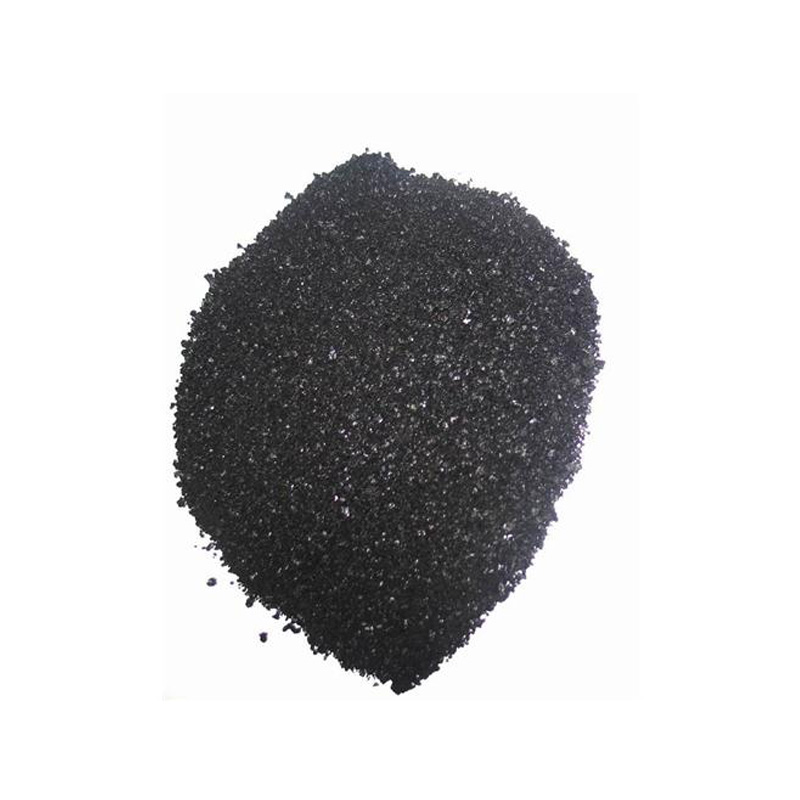
Sulphur Black
1.Name: sulphur black; Sulfur Black; Sulphur Black 1;
2.Structure formula:
3.Molecule formula: C6H4N2O5
4.CAS No.: 1326-82-5
5.HS code: 32041911
6.Product specification:Appearance:black phosphorus flakes; black liquid
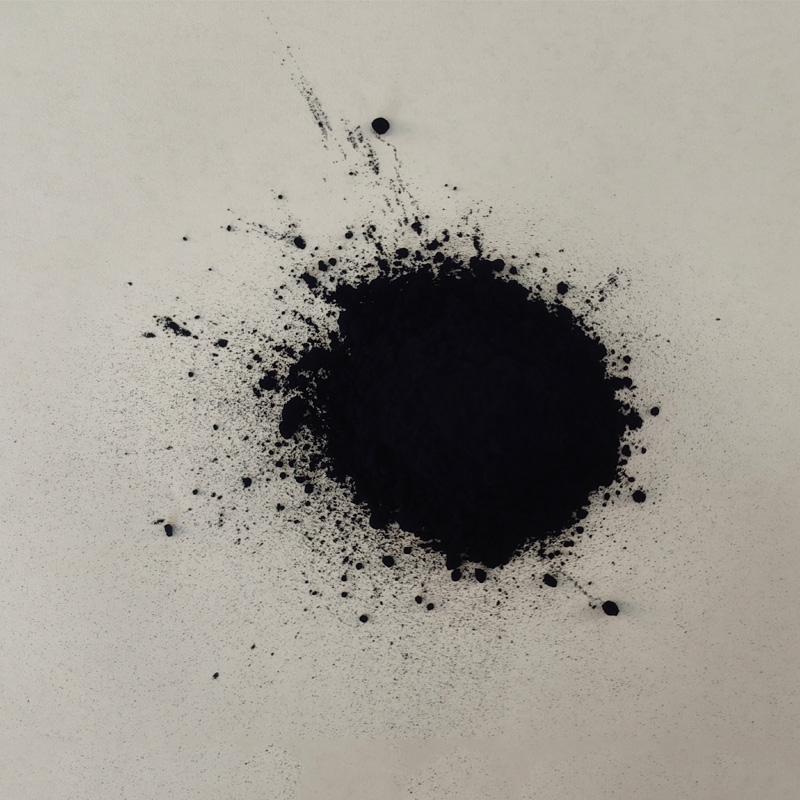
Bromo Indigo; Vat Bromo-Indigo; C.I.Vat Blue 5
1.Name: Bromo indigo; Vat bromo-indigo; C.I.Vat blue 5;
2.Structure formula:
3.Molecule formula: C16H6Br4N2O2
4.CAS No.: 2475-31-2
5.HS code: 3204151000 6.Major usage and instruction: Be mainly used to dye cotton fabrics.
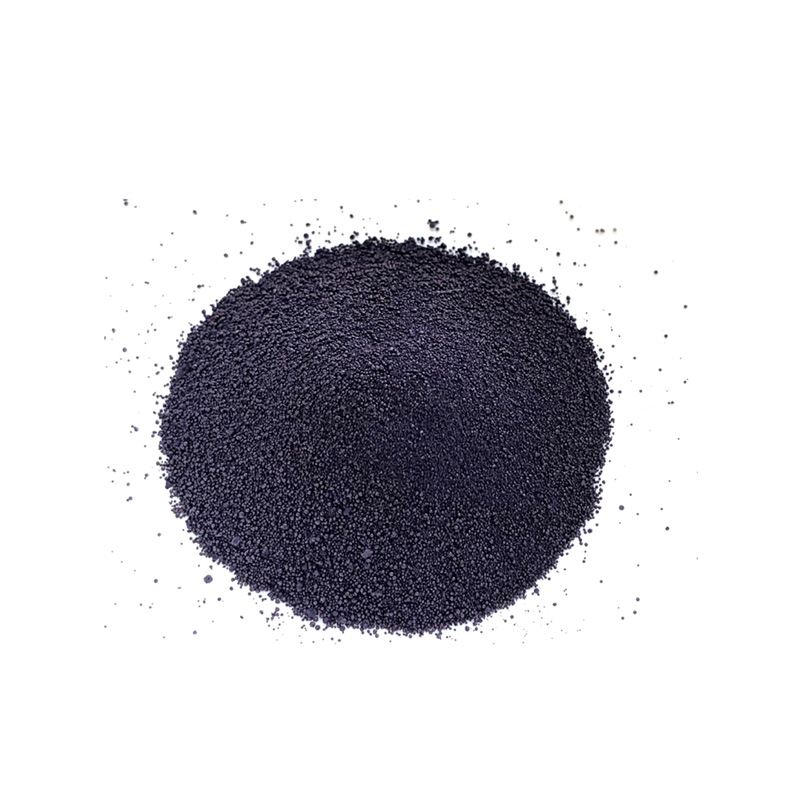
Indigo Blue Vat Blue
1.Name: indigo blue,vat blue 1,
2.Structure formula:
3.Molecule formula: C16H10N2O2
4.. CAS No.: 482-89-3
5.Molecule weight: 262.62
6.HS code: 3204151000
7.Major usage and instruction: Be mainly used to dye cotton fabrics.