

Trusted Natural Indigo Powder Suppliers | Sustainable & Ethical Indigo Dye
Why Natural Indigo Powder Suppliers Matter in Today's Global Market
At first glance, natural indigo powder might seem like a niche product cherished by traditional dyers and artisanal craftspeople. But peel back a few layers, and it’s clear this ancient pigment is weaving its way into modern sustainable industries and global markets with surprising momentum. Natural indigo powder suppliers play a pivotal role connecting centuries-old natural dyeing traditions to today’s eco-aware consumers, textile industries seeking sustainable alternatives, and even humanitarian programs embracing renewable resources.
Understanding the dynamics behind natural indigo powder suppliers isn’t just academic—it matters globally. With rising environmental concerns pushing industries away from synthetic dyes riddled with hazardous chemicals, natural indigo provides a safer, biodegradable dye option. Plus, it supports rural economies in indigo-producing regions, promoting ethical sourcing and fair-trade practices. We’ll delve into why and how, and frankly, I think the growing interest signals a kind of revival of natural materials in an industrially dominated world.
Global Context: The Growing Footprint of Natural Indigo Powder Suppliers
According to the United Nations Industrial Development Organization (UNIDO), the global natural dyes market is expected to grow by roughly 12% annually through 2030, fueled largely by demand for natural indigo powders in textiles and cosmetics alike (UNIDO). Meanwhile, the World Bank reports that sustainable agricultural development in indigo-producing countries like India, China, and parts of Africa is a key driver for both exports and local livelihoods.
However, the market faces challenges—namely, standardization and supply chain transparency. Natural indigo powder suppliers often contend with fluctuating raw material quality, seasonal availability, and competition from cheap synthetic alternatives. This makes identifying reliable, sustainable suppliers all the more crucial for manufacturers and brands looking to leverage the benefits of natural indigo without compromising product consistency.
What Exactly Are Natural Indigo Powder Suppliers?
Put simply, these suppliers cultivate, harvest, process, and distribute natural indigo powder—the plant-based pigment derived primarily from Indigofera tinctoria and related species. Unlike synthetic indigo, which is chemically fabricated, natural indigo powder is traditionally extracted via fermentation and oxidation from the indigo plant’s leaves.
Their importance extends beyond mere supply. Today’s progressive suppliers adhere to organic farming practices, traceability standards, and eco-friendly processing techniques, connecting rural farmers with international textile makers, artisan workshops, and even cosmetic companies. They bridge the agrarian roots of indigo with modern demands for sustainability, social impact, and product authenticity.
Core Attributes of Natural Indigo Powder Suppliers
1. Raw Material Quality
Quality starts at the farm—with soil health, plant strain, and harvesting methods determining pigment purity and dye fastness. Best suppliers monitor these closely, sometimes coaxing higher indigo yield through organic and permaculture approaches.
2. Sustainable Processing Techniques
Traditional fermentation methods have been optimized to reduce water usage and waste. Advanced drying and powdering processes ensure consistent color stability while conserving resources.
3. Supply Chain Transparency
Modern consumers demand to know where their products come from. Reputable natural indigo powder suppliers maintain traceability certificates, fair trade verifications, and clear documentation—often via blockchain technologies these days.
4. Scalability & Consistency
Meeting global demand means suppliers must balance artisanal practices with scalable production without sacrificing quality. Many have adopted hybrid models, merging smallholder networks with centralized processing.
5. Certification & Compliance
ISO standards, organic certifications, and environmental compliance shape supplier credibility. Brands sourcing from certified suppliers can better market their commitment to sustainability.
Mini takeaway: Success in natural indigo powder supply relies on a fusion of tradition, modern eco-standards, and transparent practices. For buyers, these details can make or break the chain from pigment to finished product.
Real-World Applications: From Artisanal Textiles to Sustainable Fashion
Natural indigo powder isn’t just about pretty blue hues. It’s embedded in an array of global uses:
- Textile Industry: Traditional weavers in Japan and India depend on indigo powder for artisan fabrics, while global fashion brands integrate it into eco-friendly denim lines.
- Cosmetics: Indigo’s anti-inflammatory and antioxidant properties have spurred its inclusion in skincare products.
- Crafts and Artisanal Goods: Small cooperatives use indigo powder for natural fabric printing and hand-dyeing workshops, helping to preserve cultural heritage.
- Humanitarian Textile Projects: NGOs supporting sustainable livelihoods provide natural indigo to rural communities for income generation.
In West Africa, NGOs have championed natural indigo cultivation to revitalize farming practices and generate export income—turning indigo powder supply into a socio-economic lifeline. Meanwhile, in Europe and North America, conscious consumers fuel demand for ethically sourced, natural pigment products.
The Benefits of Choosing Quality Natural Indigo Powder Suppliers
Choosing trustworthy natural indigo powder suppliers delivers a bundle of long-term advantages:
- Environmental Sustainability: Reduced pollution compared to synthetic dyes, biodegradable products, and organic farming methods.
- Economic Empowerment: Supporting smallholder farmers and rural economies creates social goodwill and helps preserve agrobiodiversity.
- Health & Safety: Less toxic processing protects workers and consumers alike, fulfilling growing regulatory demands.
- Product Authenticity and Branding: Artisanal storylines and ‘natural’ certifications resonate with eco-conscious buyers.
When these benefits translate into brand trust and market differentiation, natural indigo powder suppliers become more than vendors—they become partners in sustainability and cultural preservation.
What Does the Future Hold for Natural Indigo Powder Suppliers?
Several emerging trends promise to reshape the landscape:
- Digital Traceability: Blockchain systems could guarantee provenance, preventing fraud and greenwashing.
- Automation in Processing: Smart fermentation and drying technologies might improve color consistency and reduce batch variations.
- Policy Shifts: Increasing regulatory frameworks for sustainable textiles globally will elevate natural indigo suppliers who comply early.
- Climate-Resilient Farming: As climate patterns shift, suppliers may deploy drought-resistant indigo cultivars or polyculture designs.
Obstacles and Industry Solutions
Yet, it’s not all smooth sailing.
- Quality Variation: Natural materials vary by season and locale, challenging standards.
- Limited Scale: Many suppliers struggle to meet growing global demands while preserving quality.
- Price Competition: Synthetic dyes remain cheaper, pressuring margins.
Expert recommendations include investing in farmer training, strategic partnerships for upscaling, and leveraging technology for quality control and fair pricing. It’s a delicate dance between honoring tradition and embracing innovation.
Product Specification: Sample Natural Indigo Powder
| Specification | Value | Unit |
|---|---|---|
| Purity (Indigo Content) | 85-90 | % |
| Moisture Content | 8 | % |
| Particle Size | μm | |
| Color Shade | Deep Blue | Visual |
| Packaging | 5-25 | kg bags |
Comparing Top Natural Indigo Powder Suppliers
| Supplier | Origin | Key Strength | Certifications | MOQ |
|---|---|---|---|---|
| IndigoPure Ltd. | India | Organic Farming | ISO 9001, Fair Trade | 100 kg |
| GreenDye Exports | Bangladesh | Competitive Pricing | Global Organic Textile Standard | 200 kg |
| Eco Indigo Co. | China | Traceability Tech | OEKO-TEX Standard 100 | 150 kg |
Frequently Asked Questions
Q1: How do I ensure the quality of natural indigo powder from a supplier?
Look for suppliers who provide detailed specifications like indigo content, purity, and particle size. Certifications such as ISO 9001 or organic labels help assure quality. Request samples first to perform dye testing under your own conditions.
Q2: Are natural indigo powders cost-effective compared to synthetic dyes?
While the upfront price tends to be higher, natural indigo offers better sustainability credentials and market appeal. Plus, reduced environmental compliance costs and safer handling can offset the initial investment.
Q3: Can natural indigo powder be used in industrial-scale textile production?
Yes, but scalability depends on supplier capacity and quality consistency. Some suppliers operate hybrid models to serve both artisanal and industrial demand. Establish clear communication early on.
Q4: What sustainability certifications should I look for when choosing suppliers?
Common certifications include Fair Trade, Global Organic Textile Standard (GOTS), OEKO-TEX Standard 100, and ISO environmental standards. Each addresses different aspects of ethical sourcing and product safety.
Q5: How can I connect with reliable natural indigo powder suppliers?
Attending trade fairs focused on sustainable textiles, leveraging industry networks, and visiting natural indigo powder suppliers online portals can provide trusted contacts and up-to-date supplier lists.
Wrapping Up: Why Partnering with Natural Indigo Powder Suppliers Pays Off
Natural indigo powder suppliers aren’t merely providers of a dye but stewards of sustainability, cultural heritage, and innovative textile futures. Their role bridges nature and industry, artisans and enterprises, environment and economy.
As you explore your sourcing options, remember the true value lies not only in pigment quality but the supplier’s commitment to ethics, eco-awareness, and consistency. Making informed choices here propels your brand—whether a designer label, cosmetic brand, or social enterprise—forward with confidence.
Ready to dive deeper? I invite you to explore trustworthy partnerships at natural indigo powder suppliers and experience the blend of tradition and innovation firsthand.
References:
1. United Nations Industrial Development Organization: unido.org
2. World Bank Agricultural Reports: worldbank.org
3. Global Organic Textile Standard (GOTS): global-standard.org
-
Mastering the Art of China Japanese Indigo Dyeing Traditions
NewsApr.16,2026
-
Exploring the Elegance of China Deep Indigo Color in Textiles
NewsApr.09,2026
-
Discover High Quality China Jeans Blue Indigo for Global Markets
NewsApr.07,2026
-
Exploring the Rich Tradition of China Natural Indigo Dyed Fabric
NewsApr.04,2026
-
Exploring China Indigo Color in Nature History and Modern Applications
NewsMar.31,2026
-
Discover High Quality China Pure Indigo Powder for Vibrant Natural Dyeing
NewsMar.28,2026
-
Exploring the Rich History of China True Blue Indigo Textiles
NewsMar.26,2026
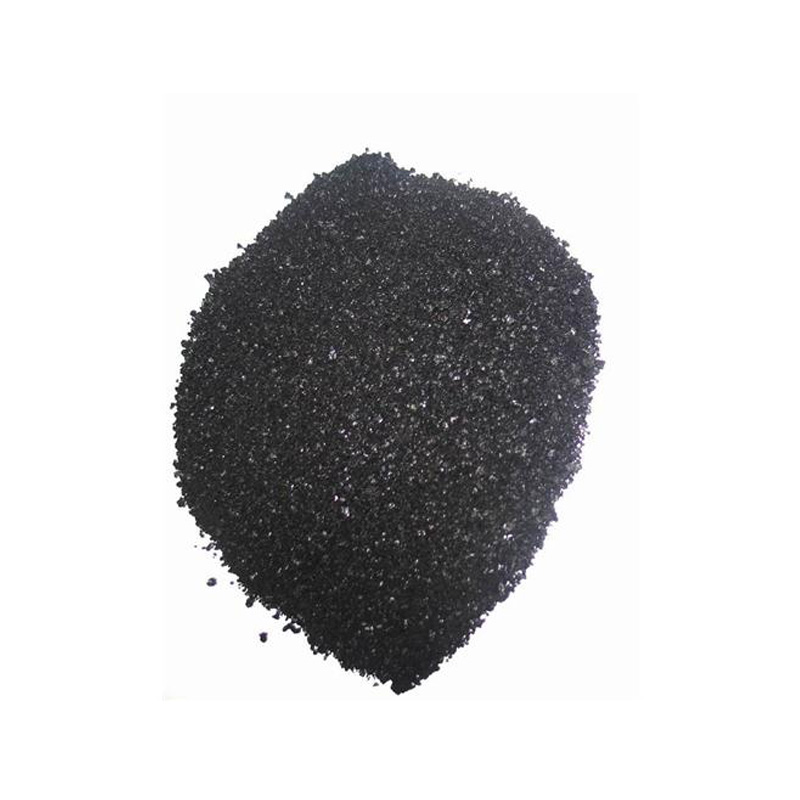
Sulphur Black
1.Name: sulphur black; Sulfur Black; Sulphur Black 1;
2.Structure formula:
3.Molecule formula: C6H4N2O5
4.CAS No.: 1326-82-5
5.HS code: 32041911
6.Product specification:Appearance:black phosphorus flakes; black liquid
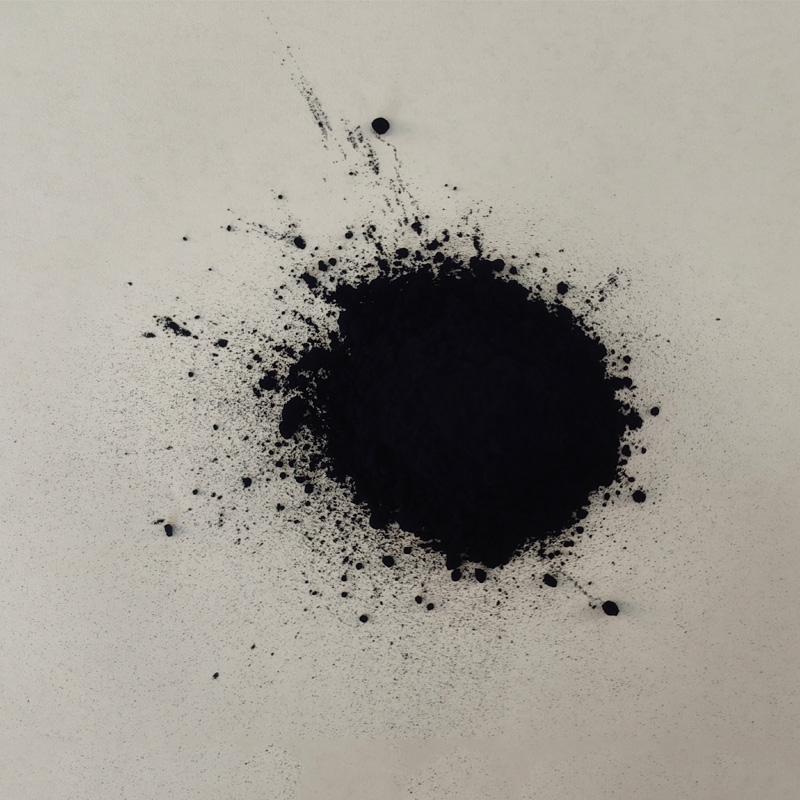
Bromo Indigo; Vat Bromo-Indigo; C.I.Vat Blue 5
1.Name: Bromo indigo; Vat bromo-indigo; C.I.Vat blue 5;
2.Structure formula:
3.Molecule formula: C16H6Br4N2O2
4.CAS No.: 2475-31-2
5.HS code: 3204151000 6.Major usage and instruction: Be mainly used to dye cotton fabrics.
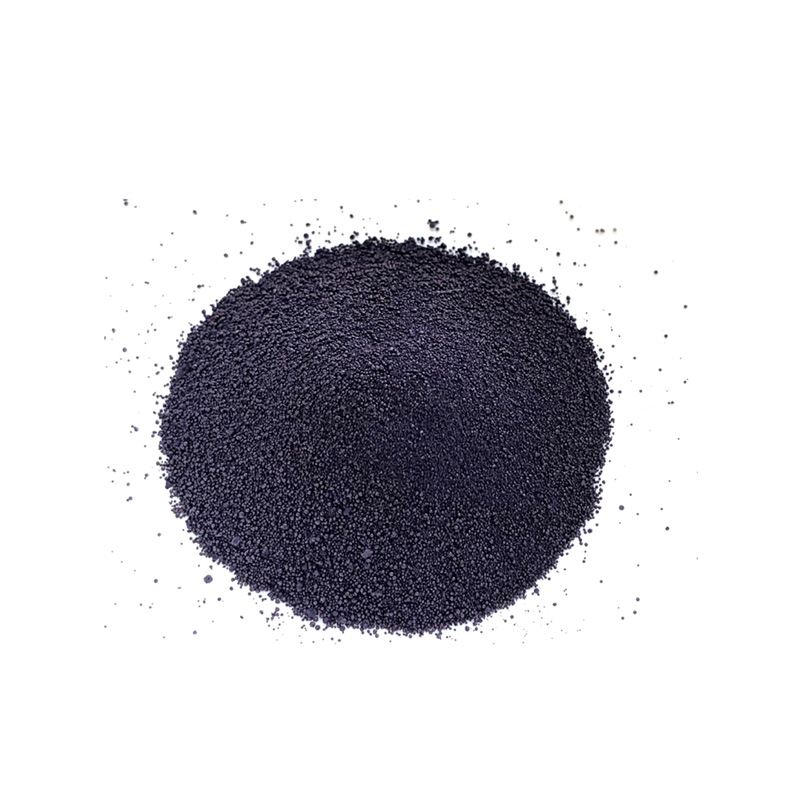
Indigo Blue Vat Blue
1.Name: indigo blue,vat blue 1,
2.Structure formula:
3.Molecule formula: C16H10N2O2
4.. CAS No.: 482-89-3
5.Molecule weight: 262.62
6.HS code: 3204151000
7.Major usage and instruction: Be mainly used to dye cotton fabrics.