

Explore the Benefits and Applications of 100 Pure Indigo Powder | Wuxin Group
Understanding 100 Pure Indigo Powder and Its Growing Global Importance
At first glance, 100 pure indigo powder might sound like just another raw pigment. But consider for a moment its centuries-old legacy, paired with a modern-day resurgence powered by sustainability and technological advances. Indigo, a deep blue dye, has dressed cultures worldwide—from ancient textiles in Asia and Africa to contemporary eco-fashion lines. The “100 pure” part emphasizes an unadulterated form that delivers higher quality, vibrancy, and consistent performance.
Why should you care? Globally, as industries pivot toward eco-friendly materials, pure indigo powder stands out. It offers a natural alternative to synthetic dyes that typically carry environmental risk due to toxic chemicals and wastewater concerns. Plus, understanding its benefits helps manufacturers, designers, and consumers alike make informed decisions that impact both marketplace trends and environmental sustainability.
Mini takeaway: 100 pure indigo powder ties tradition to innovation, offering a natural, eco-conscious color solution that’s gaining traction worldwide.
The Global Context: Why 100 Pure Indigo Powder Matters Today
According to UN statistics, the global natural dye market, including indigo, is expected to grow by roughly 8% annually through 2030.1 This surge is largely due to tightening regulations on synthetic chemical dyes, which often pollute waterways and threaten worker health. The World Bank reports that water contamination from dye plants contributes to serious ecological distress in countries reliant on textile exports like India, Bangladesh, and China.2 Here’s where 100 pure indigo powder comes in as a cleaner, biodegradable option that can be scaled globally, supporting millions of livelihoods.
Yet, challenges remain—quality control, sourcing sustainably grown indigo plants, and integrating it effectively into modern manufacturing processes. This powder is a linchpin in a much bigger quest for sustainable fashion and responsible industrial production.
Defining 100 Pure Indigo Powder: What It Is and Why It Counts
Simply put, 100 pure indigo powder is the natural, unadulterated pigment extracted primarily from the leaves of the Indigofera tinctoria plant. Unlike synthetic indigo, this powder contains no additives, fillers, or chemical treatments—just the raw pigment ready to impart its deep blue hue.
In industries like textile dyeing, art, and even cosmetics, this purity ensures vibrant colors that are safer for workers and consumers. Moreover, projects in humanitarian aid often prefer natural pigments when coloring fabrics for local use, since synthetic dyes can bring unwanted toxicity into fragile environments.
Connecting to modern needs, the powder’s biodegradability, renewability, and cultural cachet all feed into a growing preference for authenticity and sustainability.
Core Components and Characteristics That Define Usage
1. Color Consistency and Brightness
Many manufacturers rely on 100 pure indigo powder for its ability to produce a rich, dependable blue shade. Unlike synthetic dyes which can vary batch-to-batch, pure indigo’s consistency comes from well-controlled plant sourcing and traditional extraction methods.
2. Environmental Compatibility
Being natural, the pigment breaks down easily after use, reducing water pollution often associated with dyeing processes. This aligns with ISO standards on eco-friendly materials (ISO 14000 series) increasingly adopted worldwide.
3. Cost Efficiency Over Time
While initially more expensive than bulk synthetic dyes, many industry insiders note that long-term benefits—less environmental clean-up, higher safety, and improved branding around green credentials—make the investment worthwhile.
4. Scalability and Supply Chain Integrity
Growing indigo plants sustainably requires trained farmers and reliable harvest cycles. Many companies now partner directly with agricultural cooperatives, ensuring traceability and consistent supply.
5. Versatility in Applications
From denim dyeing to artistic paints, cosmetics, and even ink, this powder adapts well. Its use expands as more sectors seek natural ingredients to meet rising consumer demands.
Mini takeaway: The value of 100 pure indigo powder isn’t just in its color — it’s about marrying tradition, environmental stewardship, and commercial viability.
Global Applications and Real-Life Examples
Indigo powder’s versatility means it pops up across continents and industries:
- Textile Industry: India and Japan have long histories of indigo dyeing, now reinvigorated with eco-conscious lines. Several denim brands in the U.S. have shifted to 100 pure indigo powder to reduce their carbon footprint.
- Humanitarian Use: In post-disaster zones in Southeast Asia, NGOs use natural dyes including indigo to support local artisans rebuilding their livelihoods.
- Cosmetics: Small-batch natural skincare brands in Europe employ indigo powder for eye shadows and hair dyes that avoid harsh synthetic components.
For those curious, more about authentic uses can be found here: 100 pure indigo powder.
Advantages and Long-Term Value Beyond the Surface
Choosing 100 pure indigo powder offers several advantages:
- Sustainability: Reducing harmful effluents and promoting renewable agriculture.
- Social Impact: Supporting traditional farmers and artisans through fair-trade models.
- Reliability: Consistent pigment quality leads to better end-products.
- Trust and Brand Image: Consumers increasingly value clean, ethical sourcing—indigo’s story fits perfectly.
Emotionally, there’s something reassuring in working with a product unaltered by harsh chemicals—knowing you’re nurturing health, dignity, and cultural heritage all at once.
Looking Ahead: Future Trends and Innovations
The natural dye sector is buzzing with innovations:
- Biotechnology: Researchers develop plant varieties with higher pigment yields and disease resistance.
- Automation: New extraction machines optimize powder purity, boosting scale.
- Green Chemistry: Scientists explore cleaner processes to prepare dye baths, reducing water usage drastically.
- Policy: Increasing environmental regulations compel industries to shift sooner rather than later.
It feels like we’re only at the cusp of what 100 pure indigo powder can achieve in sustainability and industry transformation.
Common Challenges and Practical Solutions
Of course, it’s not perfect. Some hurdles include:
- Supply inconsistency: Weather risks impact harvests—solution? Broader farmer networks and seed banks.
- Cost constraints: Smaller firms fear upfront costs—solution? Collective buying groups and subsidies.
- Processing knowledge: Mastering natural dyeing takes time—solution? Training programs and partnerships with local experts.
Innovative companies tackling these know that persistence backed by research pays dividends.
Product Specification Table: 100 Pure Indigo Powder
| Specification | Details |
|---|---|
| Origin | Indigofera tinctoria leaves |
| Purity | ≥98% natural indigo pigment |
| Color | Deep blue, consistent tint |
| Particle Size | Fine powder, ≤150 microns |
| Application | Textiles, cosmetics, art materials |
| Shelf Life | 2 years (stored cool, dry place) |
Vendor Comparison Table
| Feature | Wuxin Group | EcoDyes Co. | PureIndigo Ltd. |
|---|---|---|---|
| Purity (%) | ≥98% | ≥95% | ≥97% |
| Source Region | Asia - India | South America | Africa |
| Sustainability Certification | FairTrade, Organic | None | Organic Only |
| Minimum Order | 10 kg | 5 kg | 15 kg |
| Lead Time | 2 weeks | 1 week | 3 weeks |
FAQ: Practical Questions About 100 Pure Indigo Powder
1. What makes 100 pure indigo powder better than synthetic dyes?
100 pure indigo powder is a natural pigment derived directly from plants, making it biodegradable and less harmful to the environment. It's free from harsh chemicals common in synthetic dyes, reducing water contamination and exposure risks to workers. Plus, the colors obtained tend to be richer and more authentic with cultural value.
2. How can I ensure consistent color results when using natural indigo powder?
Consistency comes from sourcing high-quality 100 pure indigo powder and following proper dyeing techniques, including controlling pH and temperature during application. Working with suppliers that guarantee purity and batch testing helps immensely, as does training staff on standard protocols.
3. Is 100 pure indigo powder suitable for all types of fabrics?
While indigo works best with natural fibers like cotton, linen, and silk, it’s less effective on synthetic fabrics due to poor dye absorption. For sustainable textile production, pairing indigo powder with organic cotton or hemp makes the most ecological and aesthetic sense.
4. What is the typical shelf life and storage requirement of this indigo powder?
The powder generally lasts for about 2 years if kept in a cool, dry, and dark place. Exposure to moisture or excessive heat can degrade the pigment’s quality, so airtight and moisture-resistant containers are recommended for storage.
5. How do organizations source 100 pure indigo powder internationally?
Many NGOs and companies engage through direct partnerships with producers like Wuxin Group, who offer international shipping and proper documentation for import/export compliance. Bulk purchasing and fair-trade agreements enhance trust and traceability in the transaction.
Wrapping Up: Why 100 Pure Indigo Powder is Worth Your Focus
In a world striving to balance industrial growth with ecological responsibility, 100 pure indigo powder is more than just a pigment—it’s a symbol of a greener, more authentic future. Its rich history and present-day environmental benefits make it a valuable commodity for industries and artisans worldwide.
If you want to dive deeper or source premium 100 pure indigo powder for your projects, feel free to visit our trusted partner and explore sustainable opportunities firsthand.
Mini takeaway: The journey of natural indigo powder is ongoing, blending heritage, innovation, and green principles that matter now more than ever.
References:
-
Mastering the Art of China Japanese Indigo Dyeing Traditions
NewsApr.16,2026
-
Exploring the Elegance of China Deep Indigo Color in Textiles
NewsApr.09,2026
-
Discover High Quality China Jeans Blue Indigo for Global Markets
NewsApr.07,2026
-
Exploring the Rich Tradition of China Natural Indigo Dyed Fabric
NewsApr.04,2026
-
Exploring China Indigo Color in Nature History and Modern Applications
NewsMar.31,2026
-
Discover High Quality China Pure Indigo Powder for Vibrant Natural Dyeing
NewsMar.28,2026
-
Exploring the Rich History of China True Blue Indigo Textiles
NewsMar.26,2026
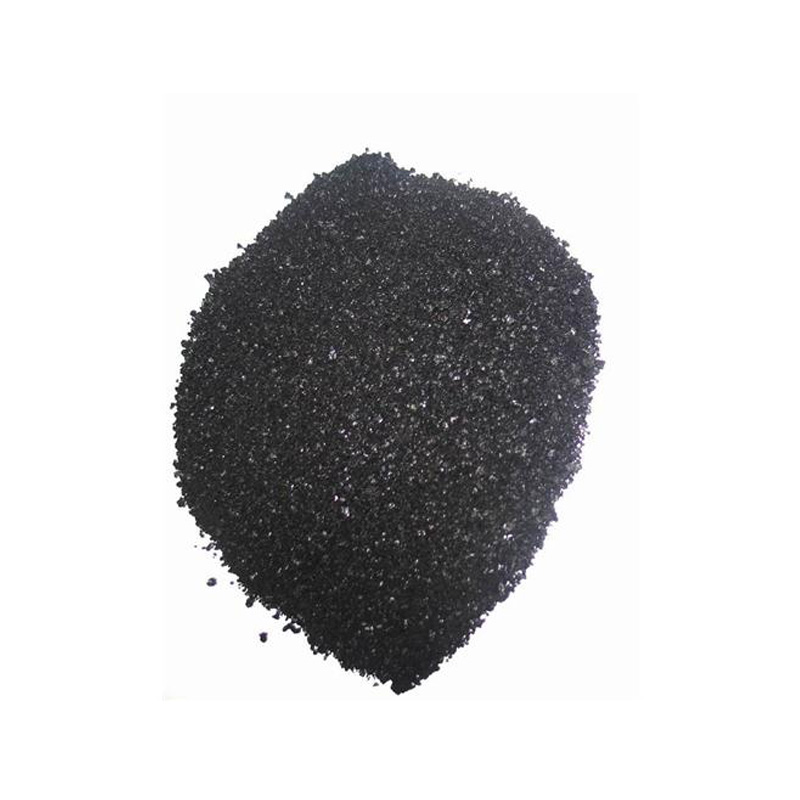
Sulphur Black
1.Name: sulphur black; Sulfur Black; Sulphur Black 1;
2.Structure formula:
3.Molecule formula: C6H4N2O5
4.CAS No.: 1326-82-5
5.HS code: 32041911
6.Product specification:Appearance:black phosphorus flakes; black liquid
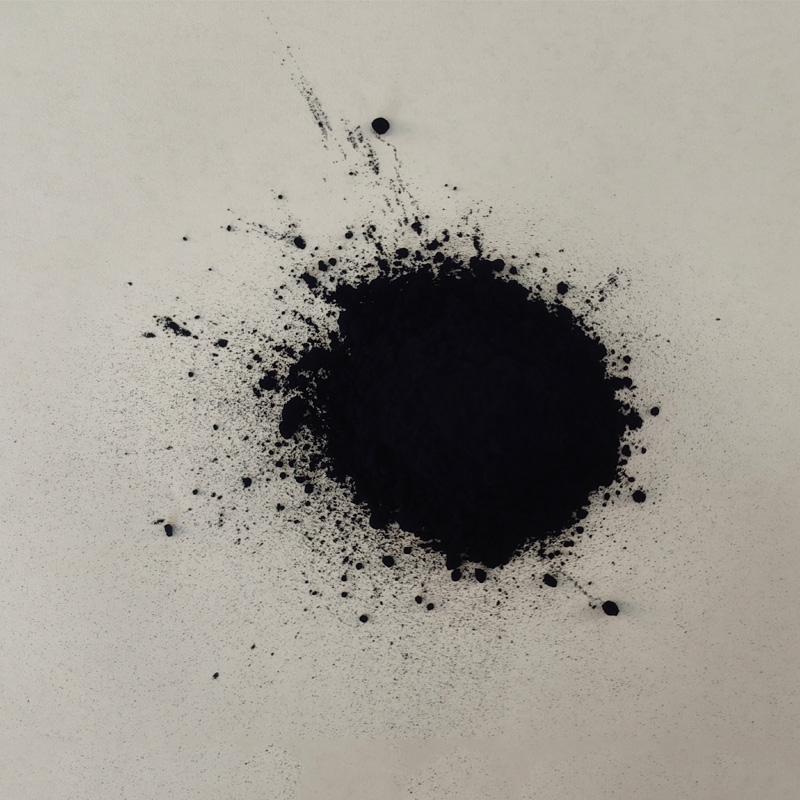
Bromo Indigo; Vat Bromo-Indigo; C.I.Vat Blue 5
1.Name: Bromo indigo; Vat bromo-indigo; C.I.Vat blue 5;
2.Structure formula:
3.Molecule formula: C16H6Br4N2O2
4.CAS No.: 2475-31-2
5.HS code: 3204151000 6.Major usage and instruction: Be mainly used to dye cotton fabrics.
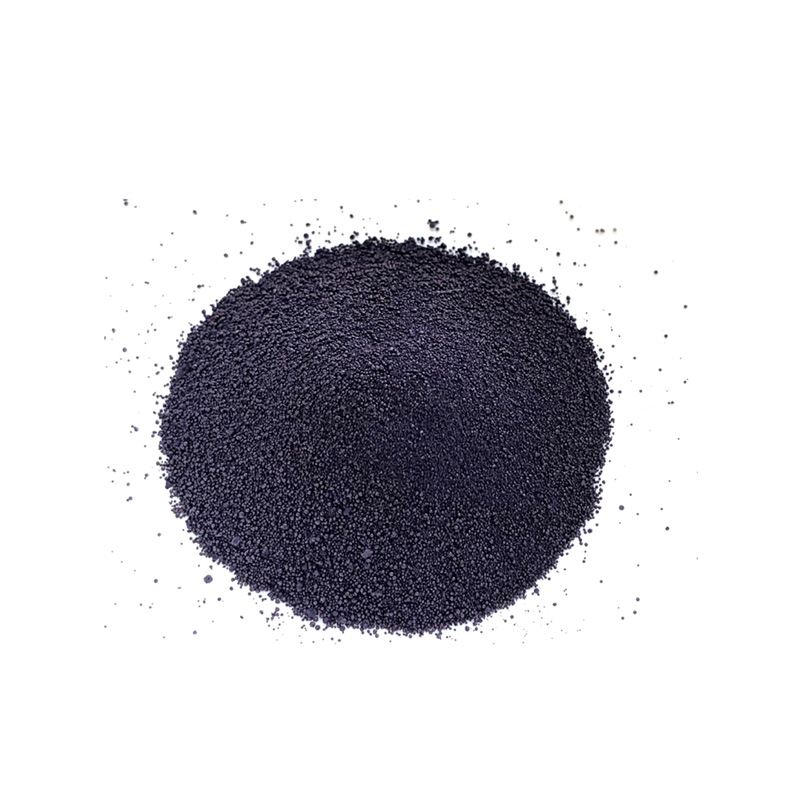
Indigo Blue Vat Blue
1.Name: indigo blue,vat blue 1,
2.Structure formula:
3.Molecule formula: C16H10N2O2
4.. CAS No.: 482-89-3
5.Molecule weight: 262.62
6.HS code: 3204151000
7.Major usage and instruction: Be mainly used to dye cotton fabrics.