

Sustainable Black Indigo Powder – Natural Pigments for Eco-Friendly Industries
What’s the Buzz Around Black Indigo Powder and Why It’s Worth Knowing
In a world that’s always hunting for sustainable, natural, and efficient materials, black indigo powder quietly emerges as a fascinating contender. Beyond its somewhat poetic name lies a substance that’s been gaining traction globally, especially in industries focused on natural dyes, cosmetics, and eco-friendly manufacturing. Understanding what black indigo powder is and why it matters can open doors to innovative product design, greener supply chains, and even humanitarian applications. Let’s unpack this powder’s potential and see why it’s more than just another pigment on the shelf.
Mini takeaway: Black indigo powder isn’t just about color—it’s part of a bigger shift towards sustainable, natural materials in various industries worldwide.
The Global Context: Why Black Indigo Powder Matters Today
The world is currently navigating the crossroads of industrial growth and environmental responsibility. According to the United Nations, adopting sustainable materials is critical for achieving climate goals and fostering green economies. Natural dyes like black indigo powder play a unique role here, as synthetic alternatives often bring significant pollution risks.
In many regions, especially Asia and Africa, black indigo powder is sourced from traditional dye plants but is also being industrialized with better processing techniques. It answers a real challenge: how to maintain the cultural richness and natural benefits of traditional dyes while scaling up for modern manufacturing demands. Roughly 40% of natural dye exports from regions like India and China involve various forms of indigo, including black indigo powder, supporting both artisan communities and industrial players.
Mini takeaway: The powder is a bridge between tradition and modern eco-conscious industry, helping reduce chemical loads on environments worldwide.
What Exactly Is Black Indigo Powder?
At its core, black indigo powder is a fine pigment derived from the leaf of certain plants in the Indigofera genus, especially Indigofera tinctoria. The leaves undergo fermentation and drying, resulting in a powder that produces a deep, rich black to bluish dye. It has been used for centuries in textile dyeing but today finds applications in cosmetics, art supplies, and even food coloring under strict standards.
Modern industries favor it for its natural origin, biodegradability, and relatively low toxicity compared to synthetic dyes. It also ties into humanitarian efforts, where natural, skin-safe dyes support traditional crafts and livelihood programs, especially in developing countries.
Mini takeaway: Black indigo powder is an ancient pigment undergoing a modern renaissance because its natural advantages align well with today’s sustainability pushes.
Key Characteristics of Black Indigo Powder
1. Color Intensity and Stability
It provides an intense, dark pigment that remains relatively stable over time and exposure to light. This makes it ideal for textile applications and cosmetic formulations where fading leads to consumer complaints.
2. Eco-Friendly Production
Being plant-based and biodegradable, its environmental footprint is much smaller than synthetic dyes. The processing methods can be adapted to zero-waste principles, and growing indigo plants contributes to soil health.
3. Versatility in Applications
From fabrics and inks to skin care products, black indigo powder's natural origin allows it to fit into organic certifications, appealing to conscious consumers.
4. Cost Efficiency and Local Sourcing
In producer countries, it’s often more affordable than imported synthetic pigments. Localized sourcing supports communities and cuts on shipping emissions.
5. Scalability Challenges
Raw material consistency and batch-to-batch variability remain challenges for large manufacturers. Still, modern quality control techniques are making strides here.
Mini takeaway: The powder’s unique combination of strong color, environmental edge, versatility, and cost advantages are why it’s turning heads.
Industrial and Global Uses: Where Black Indigo Powder Shines
In real-world contexts, you’ll often find black indigo powder occupying interesting niches:
- Textile dyeing: Traditional and boutique clothing brands use it for authentic, eco-friendly fabrics.
- Cosmetics: Adds natural black pigment to mascaras, eyeliners, and soaps meant for sensitive skin.
- Art supplies: Used in natural inks and paints favored by artists who prefer non-toxic materials.
- Food and beverage: Approved in some regions as natural food coloring, especially in organic product lines.
- Community livelihoods: Supporting artisans and small farmers cultivating indigo for domestic and export markets.
For example, in rural India, textile cooperatives rely on black indigo powder to offer sustainable fabric options that attract eco-conscious buyers globally. Meanwhile, some NGOs incorporate it into training in post-disaster zones, enabling communities to generate income through crafting sustainably dyed products.
Mini takeaway: Its real charm lies in merging economic opportunity with environmental and cultural sustainability worldwide.
Advantages & Enduring Value of Black Indigo Powder
The benefits are tangible, and frankly, quite compelling:
- Environmental sustainability: Reduced chemical runoff, lower carbon footprint, and support for biodiversity.
- Economic empowerment: Small-scale producers and artisans gain market access through demand for natural dyes.
- Product quality: Deep, consistent black hues and skin-friendly properties increase consumer satisfaction.
- Brand differentiation: Companies get a valuable angle in marketing natural, green, or artisanal products.
Emotionally, it ties you back to nature and tradition—a refreshing breath in an often synthetic-heavy world.
Looking Ahead: Innovations and Trends in Black Indigo Powder
Several exciting developments are underway, such as:
- Biotechnological enhancements: Using fermentation biotech to produce more uniform powders and reduce water usage.
- Certified organic production: Ensuring the entire supply chain meets strict environmental and social standards.
- Hybrid natural-synthetic formulas: Combining the best of both worlds for enhanced durability without chemical toxicity.
- Integration with digital printing: Allowing natural dyes like black indigo powder to adapt to automated fabric printing tech.
It’s a small industry, but one that’s kind of bursting with potential thanks to clever science and strong consumer interest.
Common Challenges and Practical Solutions
Despite its promise, black indigo powder grapples with:
- Color consistency: Fluctuations in plant quality can cause variation in dye strength and shade.
- Water and processing demands: Traditional methods use lots of water and fermentation time.
- Scalability: Producing enough for global brands while maintaining quality is tough.
Solutions have emerged like advanced fermentation tanks, chromatographic quality testing, and partnerships between local farmers and industrial manufacturers. Communities often combine indigenous knowledge with new tech to adapt and thrive.
Product Specification Table
| Specification | Typical Value | Notes |
|---|---|---|
| Color | Deep black to dark blue | Varies by source and processing |
| Particle Size | Fine powder suitable for dyes & cosmetics | |
| Solubility | Water-insoluble; requires reduction for dyeing | Traditional vat dyeing method applies |
| Moisture Content | Ensures product stability | |
| Purity | > 85% | Indigo content by weight |
Comparing Leading Black Indigo Powder Suppliers
| Supplier | Country | Purity (%) | Typical Order Size | Certification |
|---|---|---|---|---|
| Wuxin Group | China | > 88% | 1 ton + | ISO 9001, Organic |
| Indigo Naturals | India | 80–85% | 500 kg+ | Fair Trade, Organic |
| EcoDye Corp | Indonesia | 82% | Minimum 750 kg | ISO 14001 |
Frequently Asked Questions About Black Indigo Powder
1. How does black indigo powder differ from synthetic black dyes?
Black indigo powder is a naturally derived pigment from plants, biodegradable and non-toxic, whereas synthetic dyes often rely on petroleum-based chemicals that can harm ecosystems. While synthetic dyes may offer more consistent colorfastness, black indigo powder appeals to eco-conscious users prioritizing sustainability and safety.
2. Can black indigo powder be used directly on fabric without processing?
Not quite. Because black indigo powder is water-insoluble, traditional dyeing requires a reduction process (vat dyeing) to make the pigment soluble for fabric absorption. This step, while a bit technical, ensures vibrant and lasting coloration.
3. Is black indigo powder suitable for sensitive skin products?
Yes, its natural origin and low toxicity profile make it a preferred pigment for natural cosmetics like mascaras and eyeliners. However, proper formulation and patch testing are recommended to ensure safety for individual users.
4. How can companies source quality black indigo powder reliably?
Partnering with certified suppliers, such as black indigo powder producers with ISO and organic certifications, ensures consistent quality. Also, requesting batch samples and lab tests helps maintain standards.
5. What environmental benefits does black indigo powder offer over chemical dyes?
It reduces chemical waste and water pollution substantially and promotes agricultural biodiversity. Using black indigo powder supports greener supply chains and helps meet global sustainability goals.
The Final Thread: Why Black Indigo Powder Deserves Your Attention
As industries and consumers pivot toward greener, more sustainable products, black indigo powder stands out as a meaningful, time-tested solution. Its marriage of tradition, environmental benefit, and modern application is precisely what companies need to align innovation with responsibility.
If you’re interested in exploring high-quality black indigo powder for your next project or product line, be sure to check out trusted suppliers who specialize in authentic, sustainable powders with reliable certifications.
In a world where materials tell stories and carry values, black indigo powder speaks of heritage, nature, and hopeful futures. I suppose that’s pretty rare for anything that feels this simple.
References
-
Mastering the Art of China Japanese Indigo Dyeing Traditions
NewsApr.16,2026
-
Exploring the Elegance of China Deep Indigo Color in Textiles
NewsApr.09,2026
-
Discover High Quality China Jeans Blue Indigo for Global Markets
NewsApr.07,2026
-
Exploring the Rich Tradition of China Natural Indigo Dyed Fabric
NewsApr.04,2026
-
Exploring China Indigo Color in Nature History and Modern Applications
NewsMar.31,2026
-
Discover High Quality China Pure Indigo Powder for Vibrant Natural Dyeing
NewsMar.28,2026
-
Exploring the Rich History of China True Blue Indigo Textiles
NewsMar.26,2026
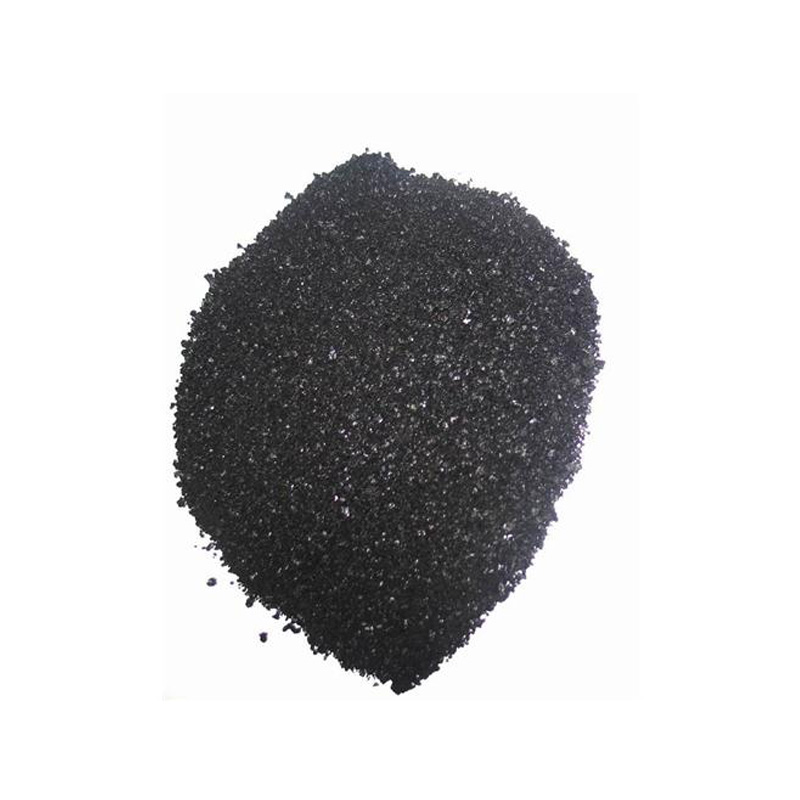
Sulphur Black
1.Name: sulphur black; Sulfur Black; Sulphur Black 1;
2.Structure formula:
3.Molecule formula: C6H4N2O5
4.CAS No.: 1326-82-5
5.HS code: 32041911
6.Product specification:Appearance:black phosphorus flakes; black liquid
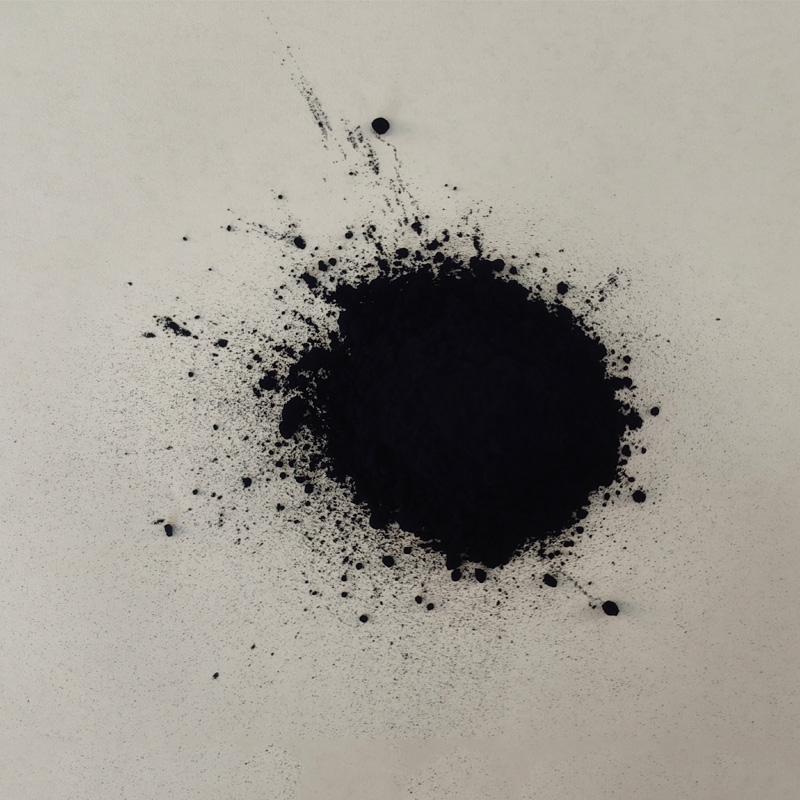
Bromo Indigo; Vat Bromo-Indigo; C.I.Vat Blue 5
1.Name: Bromo indigo; Vat bromo-indigo; C.I.Vat blue 5;
2.Structure formula:
3.Molecule formula: C16H6Br4N2O2
4.CAS No.: 2475-31-2
5.HS code: 3204151000 6.Major usage and instruction: Be mainly used to dye cotton fabrics.
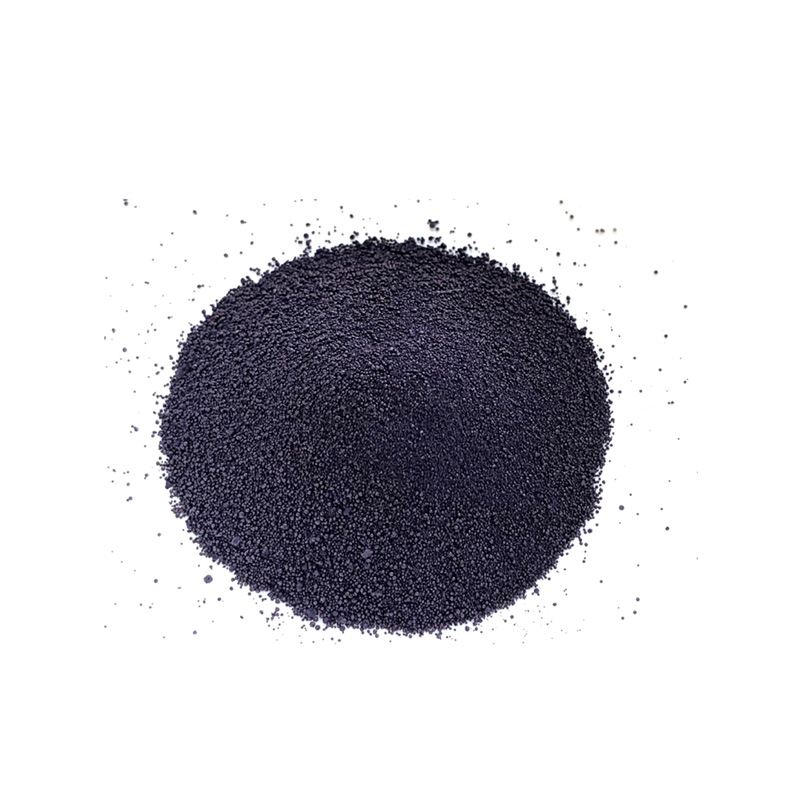
Indigo Blue Vat Blue
1.Name: indigo blue,vat blue 1,
2.Structure formula:
3.Molecule formula: C16H10N2O2
4.. CAS No.: 482-89-3
5.Molecule weight: 262.62
6.HS code: 3204151000
7.Major usage and instruction: Be mainly used to dye cotton fabrics.